Xi’an hits you fast. You get ancient icons like the Terracotta Warriors, then you switch gears to real local food in neighborhoods that feel lived-in, not staged.
I also like how this plan takes the stress out of China travel. You travel with an English-speaking guide, you get private ground transport each day, and meals are handled so you can focus on what you came for. The one possible drawback is the pace: you’ll start early some days and you’ll do a Huashan mountain hike, so it’s not the kind of trip that feels slow and lazy.
In This Review
- Key Things I’d Watch for Before You Go
- Why This Xi’an Food-and-Wonders Mix Works
- Price and What You Really Get for $1,100
- Day 1: City Wall Area, Then a 6 PM Tuk-Tuk Food Tour
- Day 2: Terracotta Warriors in the Morning, Wild Goose Pagoda After Lunch
- Day 3: Muslim Quarter Breakfast in Side Alleys, Then a Cave Homestay
- Day 4: Huashan Mountain Hike and Getting Back to Xi’an Xianyang Airport
- Guides, Small Groups, and the Peace-of-Mind Factor
- What You’ll Love Most (and a Few Smart Tradeoffs)
- Who This Tour Suits Best
- Should You Book This Xi’an Lost Plate Tour?
- FAQ
- How long is the trip?
- What does the $1,100 price include?
- Are airport pick-up and drop-off included?
- Do I need to buy admission tickets for the main sights?
- Is there any shopping built into the tour?
- How many people are in the group?
- What are the main places you’ll visit?
- Are meals included every day?
- Is the tour suitable for non-Chinese speakers?
- What if I need to cancel or make changes?
- Is the tour accessible by public transportation?
Key Things I’d Watch for Before You Go
- Terracotta Warriors first thing: a morning start gives you the best shot at beating crowds.
- Food built around neighborhoods: Muslim Quarter breakfast and a tuk-tuk street food evening, not just generic set menus.
- Cave homestay night: one night in a cave is a big “only-here” memory.
- Small group size (max 10): easier logistics, better guide attention.
- 5-star stays in Xi’an: comfort after long sightseeing days.
- No shopping: fewer time-wastes and less pressure while you’re sightseeing.
Why This Xi’an Food-and-Wonders Mix Works
Xi’an is one of China’s most important stops, but it can feel overwhelming if you try to plan it alone. This tour’s strength is simple: it puts the headline sights on your calendar, then spends meaningful time on the part that makes Xi’an special—food shaped by Silk Road history and Shaanxi habits.
I love that the trip is built around two types of curiosity. One day you’re staring at thousands of Terracotta Warriors and trying to understand why this site matters so much. Another day you’re eating in places where you can watch food being prepared and taste the regional style—dumplings, noodles, skewers, and local breakfast classics.
The other smart choice: everything is timed so you’re not bouncing between “must-sees” with no margin to breathe. Private transport plus tickets plus meals means you spend less time figuring out logistics and more time actually looking and eating.
You can also read our reviews of more tours and experiences in Xian.

Price and What You Really Get for $1,100
At $1,100 per person, this isn’t a budget-only kind of trip. The value comes from what’s included, because a lot of the stuff that normally costs time and money on your own is handled here.
What’s covered:
- 3 nights at 5-star hotel in Xi’an plus 1 night in a cave homestay
- Breakfast, lunch, and dinner for the meals listed in the plan
- English-speaking guide
- Private ground transportation each day
- Entrance fees and tickets for the attractions you visit
- Daily water and beer
- Travel insurance
- Airport pick-up on the first day and drop-off on the last day (with a listed option to swap for hotel drop-off in downtown Chengdu)
What’s not covered:
- Your flights or the transport to and from Xi’an
- Anything you do during free time
- Shopping (and the plan specifically says there’s no shopping)
So the real question isn’t just the sticker price. It’s whether you’d otherwise pay for a guide, tickets, and a smooth schedule. If you want a “show up and go” style trip—especially with limited time in Shaanxi—this can be a good deal.
Day 1: City Wall Area, Then a 6 PM Tuk-Tuk Food Tour
You can arrive any time, and you’re encouraged to get in early. That free time matters because Xi’an’s City Wall area is the best way to get your bearings fast. You’ll feel the city rhythm before the tour starts steering you toward scheduled food stops.
Shuyuanmen Street is your first timed stop, and it’s set up as an easy start. Admission is free, and the value here is time on foot—enough to soak up atmosphere without committing your entire day to one big event.
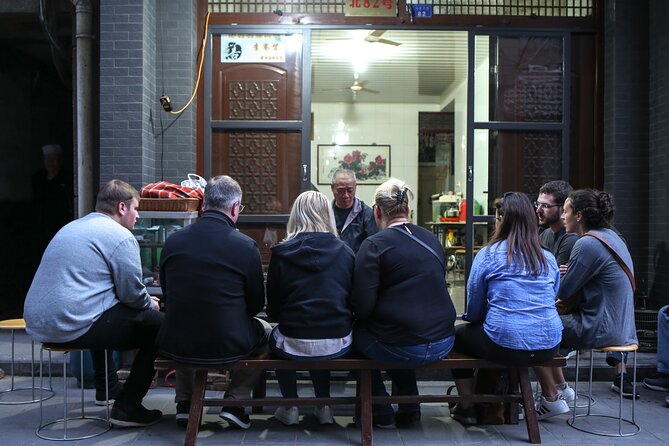
Then the night food moment kicks in. At 6 PM, tuktuks pick you up from your hotel for a culinary tour of Xi’an highlights. Come hungry. The food focus is practical and specific: biang biang noodles, Xi’an-style dumplings, and skewers. You also get a few toasts with the group, which sounds small, but it helps a lot when you’re traveling with people you’ll see for a few days.
One consideration: evening street food is great, but it’s also weather-dependent and very snack-heavy. If you’re sensitive to spice or strong flavors, tell your guide early so they can steer you toward the versions you’ll enjoy.
Day 2: Terracotta Warriors in the Morning, Wild Goose Pagoda After Lunch
This is your big history day, and it starts early. You’ll head out around 8 AM to the Museum of Qin Terra-cotta Warriors and Horses. It lasts about 3 hours, and admission is included. Going in the morning is more than a guess—it’s when you’re most likely to see the site clearly and avoid feeling rushed.
What you should expect from this kind of visit is sensory scale. Even if you’ve read about it before, it’s hard to understand the site until you’re standing there. This is Xi’an’s calling card for a reason, and the length of time matters. You don’t just touch the highlight—you get enough hours to take it in without sprinting.
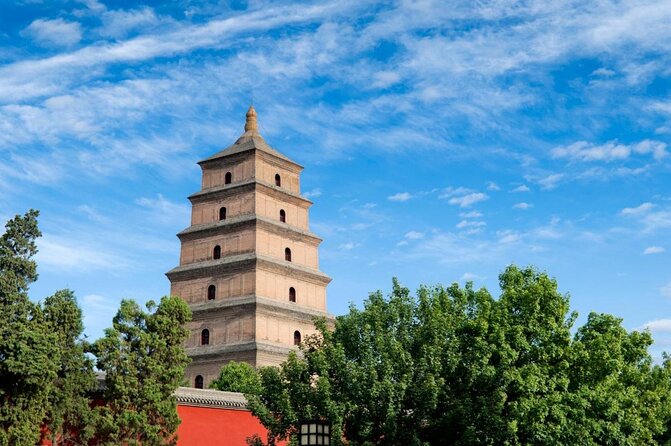
After lunch, you’ll explore the Big Wild Goose Pagoda (Dayanta) area for around 3 hours. The surrounding zone is part of the fun: you’ll have time to look around, plus there are cafes, bars, and local snack options nearby. This is a good balance after a heavy morning, because you can slow down and switch from “marvel at artifacts” to “wander and eat.”
A practical note: the pagoda area can be lively, so if you’re the type who likes photos and breathing room, keep your expectations flexible and follow your guide’s timing.
Day 3: Muslim Quarter Breakfast in Side Alleys, Then a Cave Homestay
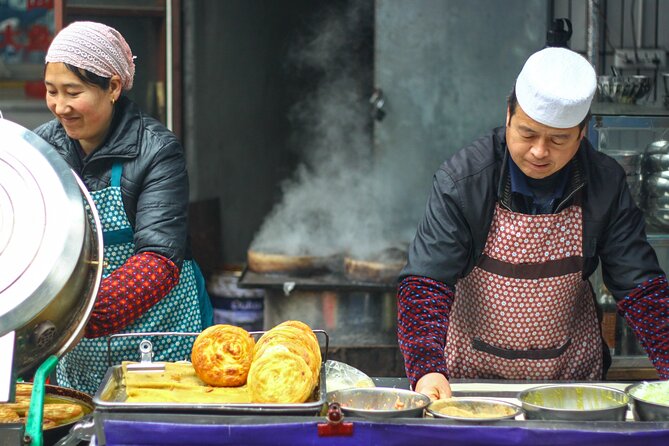
Day 3 is where the trip feels most different from standard sightseeing tours. You start with breakfast in the Muslim Quarter, led by your guide. The key detail is that you’re taken into non-touristy alleys, so you’re eating shoulder-to-shoulder with locals and seeing food prepared right in front of you.
The breakfast lineup is specific:
- A popular breakfast stew
- Beef pancakes
- Plus walking through a local market to see what’s in season
That market walk is one of those small things that makes the whole day feel real. Instead of treating food like a checkbox, you get context: what people are buying now, what ingredients are showing up, and how the neighborhood’s daily life shapes what’s on the table.
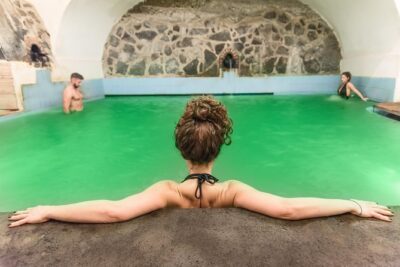
After breakfast, you’ll head to the outskirts and spend the night at a cave homestay. This is the standout overnight experience. You’ll have a local homemade dinner and breakfast there, and the point isn’t luxury for its own sake—it’s the setting. Sleep in a space built into rock, wake up somewhere most people never see, and keep the pace slower for a night.
One drawback to consider: “cave” homes can mean fewer modern creature comforts than a standard hotel. You’re still getting included meals and a guided schedule, but if you’re very sensitive to temperature or lighting, bring patience and come prepared for a different style of lodging.
Day 4: Huashan Mountain Hike and Getting Back to Xi’an Xianyang Airport
Your last morning begins with early breakfast before you head to Huashan Mountain. You’ll spend about 4 hours hiking and enjoying the scenery.
The tour doesn’t turn Huashan into a marathon. It’s timed for a half-day experience, but it still counts as a hike. That’s why footwear matters. Wear shoes you trust on uneven paths, and bring layers if weather shifts—mountain conditions can change quickly, even if the day starts mild.
After the mountain, the trip ends back at the meeting point, with airport drop-off on the last day listed as included. That’s a big convenience if you’re flying out soon. You don’t need to find a taxi, manage baggage with unfamiliar transit, or guess how long it’ll take.
Guides, Small Groups, and the Peace-of-Mind Factor
A lot of Xi’an trips look similar on paper. What separates this one is the way it handles people and language.
The tour includes an English-speaking guide, and the most common guide names that show up in the experience are Ken, Betty, and Noble. Across those different guides, the theme is consistent: you get someone who can explain the “why” behind what you’re seeing and what you’re eating, not just translate signs.
The group size is limited to max 10 travelers, which matters more than it sounds. Smaller groups make a big difference for:
- moving through crowded sites
- getting food choices handled smoothly
- keeping the pace realistic
- staying on schedule for timed admissions
And then there’s the “no shopping” promise. When you’re in a historic food city, you already have more than enough to spend your attention on. Having the tour built to avoid retail interruptions keeps your day focused.
What You’ll Love Most (and a Few Smart Tradeoffs)
Based on what this trip emphasizes, here are the aspects most likely to make you feel satisfied:
- Terracotta Warriors with real time: the morning block gives you enough hours to see and understand without panic.
- Food that’s specific and hands-on: you get named dishes, and you eat in areas where locals actually eat.
- A cave night: this is the kind of stay that’s hard to replicate on your own.
- A guided flow that saves mental energy: private transport and tickets reduce the guesswork.
- Comfort in Xi’an: 5-star hotel nights help you recharge between active days.
The tradeoffs:
- It’s not a slow sightseeing vacation. Some days run early.
- A mountain hike on day 4 means you’ll want to prioritize rest and comfy shoes.
- Free time exists, but the schedule is the framework. If you love wandering completely solo for hours, you may want to add extra days in Xi’an.
Who This Tour Suits Best
This is a strong match if:
- you want ancient sites plus food without spending days planning
- you’re not fluent in Chinese and want someone to handle the tricky parts
- you like a small-group vibe rather than a giant bus tour
- you want comfort (5-star stays) plus one memorable off-the-wall experience (cave homestay)
It may be less ideal if:
- you hate early starts
- you avoid hikes entirely
- you prefer flexible, unstructured travel with zero scheduled meals
Should You Book This Xi’an Lost Plate Tour?
I’d book it if you want Xi’an in a few days without the stress tax. For my money, the best reasons are the combination: Terracotta Warriors plus a guided Muslim Quarter breakfast plus a cave homestay, all wrapped in private transport, tickets, and meals.
If you’re already the kind of traveler who loves booking everything yourself and you know your way around Chinese transit and menus, you might be able to recreate parts of this independently. But if your goal is to maximize your time and eat well while still seeing the key sites, this format is hard to beat.
If you do decide to go, my best advice is simple: plan to eat breakfast and dinner with the same enthusiasm as the sights. Xi’an’s real story shows up in food, and this tour clearly understands that.
FAQ
How long is the trip?
The experience is described as a 4-day trip with 3 nights, including 3 nights at a 5-star hotel in Xi’an and 1 night in a cave homestay.
What does the $1,100 price include?
It includes the listed hotel stays, breakfast/lunch/dinner for the meals in the plan, an English-speaking guide, private ground transportation each day, attraction tickets/entrance fees, daily water and beer, and travel insurance.
Are airport pick-up and drop-off included?
Yes. There is airport pick-up on the first day and airport drop-off on the last day. The details also list an option to replace the last-day airport drop-off with hotel drop-off in downtown Chengdu.
Do I need to buy admission tickets for the main sights?
No. Admission fees for the attractions included in the plan are listed as included, and your tour uses a mobile ticket.
Is there any shopping built into the tour?
No. The experience is described as all inclusive with no shopping.
How many people are in the group?
This tour has a maximum of 10 travelers.
What are the main places you’ll visit?
Key stops include the Museum of Qin Terra-cotta Warriors and Horses, Big Wild Goose Pagoda, the Muslim Quarter, a cave homestay night, and Huashan Mountain. The tour also includes food stops in central Xi’an.
Are meals included every day?
Meals included are breakfast, plus lunches and dinners corresponding to the meals listed across the days. Daily water and beer are also provided.
Is the tour suitable for non-Chinese speakers?
The tour includes an English-speaking guide, and it notes that most travelers can participate.
What if I need to cancel or make changes?
This experience is non-refundable and cannot be changed for any reason.
Is the tour accessible by public transportation?
It’s listed as near public transportation.