REVIEW · SHANGHAI
4-Hour Private Shanghai Art and History Tour
Book on Viator →Operated by Sunny Private Tours · Bookable on Viator
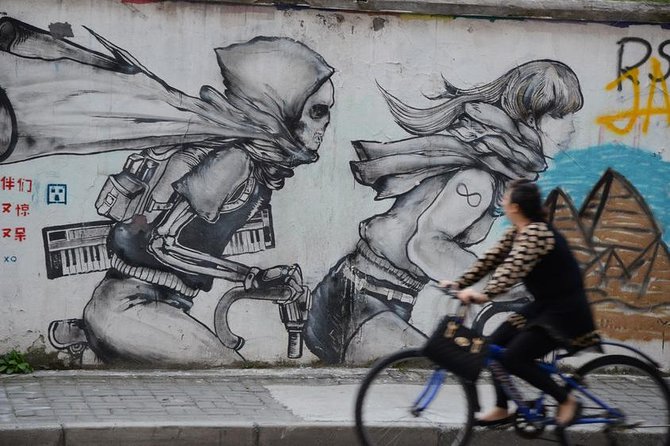
Street art meets Shanghai’s political posters.
This private route is a smart way to see M50 Creative Park and the Shanghai Propaganda Poster Art Centre, with an English-speaking guide who ties what you’re looking at to Chinese culture and 20th-century change. I especially like how the day mixes creativity you can walk through (studio spaces and alley streets) with a focused museum stop where the messaging behind the posters becomes part of the story. One thing to watch: pickup is limited to downtown hotels, so if you’re staying in the outskirts you’ll likely meet downtown instead.
Because it’s private, you set the pace inside each area. You’ll also get hotel pickup (downtown) and local transport, so you spend less time figuring out transit and more time looking closely. The tour runs in all weather, and you’ll want comfortable shoes since you’re moving between neighborhoods for about 3 to 4 hours.
If you’re the type of traveler who likes art with context, this is a strong fit. It’s also a good option if you want more than the typical city highlights, but still need a manageable half-day plan.
In This Review
- Key highlights you’ll feel right away
- A short, private art route that doesn’t waste your time
- Price and value: where the $85 per person makes sense
- Pickup and transport: what to expect (and what can go wrong)
- Stop 1: M50 Creative Park and Shanghai’s factory-to-studio makeover
- Stop 2: Shanghai Propaganda Poster Art Centre (1910–1970s) for the visual history nerd
- Stop 3: Tianzifang and the Former French Concession lanes for shikumen charm
- How your guide turns the stops into a real story
- Morning vs afternoon: choosing the right vibe
- What to wear and bring so the 3–4 hours feel good
- Who should book this private Shanghai art-and-history tour
- Should you book it or keep planning on your own?
- FAQ
- What’s included in the tour price?
- Which stops do we visit?
- How long is the tour?
- Do you pick up from hotels outside downtown Shanghai?
- Is the tour private or shared?
- What’s your refund option if plans change?
Key highlights you’ll feel right away

- M50 Creative Park: former factory space turned creative district you can wander at your own speed
- Shanghai Propaganda Poster Art Centre: posters from the 1910s through the 1970s, plus added historical context
- Tianzifang + Former French Concession lanes: shikumen-style alleys with design shops and souvenir browsing
- Private format: only your group, no blending into a big crowd
- Transport made easy: premium Uber-style car for 1–4 people, or an air-conditioned mini van for larger groups
- Entrance fees handled: admission included where it applies, so you’re not hunting tickets
A short, private art route that doesn’t waste your time
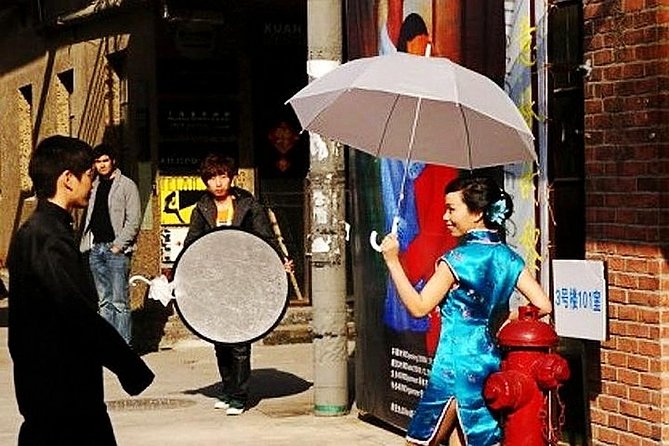
Shanghai can feel like information overload if you try to do too much in one day. This tour keeps it human. In about 3 to 4 hours, you hit three very different stops, each with a clear theme: modern creativity (M50), visual political history (the poster centre), and a lived-in old-neighborhood street scene (Tianzifang).
What makes it work is that it’s private, not just a checklist. Your guide can slow down where you’re interested and speed up where you’re not. If you’re more into art-making spaces than museum displays, you can lean that way. If you want more time reading what’s on the walls at the poster centre, you can do that too.
And yes, it’s contemporary-focused, but the tour doesn’t treat history like background noise. You’ll get cultural explanations that connect the look of the art to the city’s bigger story—especially around the 20th century.
You can also read our reviews of more tours and experiences in Shanghai.
Price and value: where the $85 per person makes sense
At $85 per person for a 3–4 hour private experience, this tour is best viewed as a practical convenience plus guided context, not a budget museum ticket.
Here’s what you’re paying for:
- A professional, English-speaking guide
- Hotel pickup (for downtown hotels)
- Local transportation
- Entrance fees (for the stops where admissions apply)
- A tour format that’s only for your group
If you tried to copy this on your own, you’d spend time on transport between neighborhoods and then still have to piece together context from signage or your own research. You’d also likely pay for at least one museum admission anyway. This tour bundles those pieces so you can focus on the art and the streets.
One detail to note: there’s a USD 15 surcharge after a 4-hour tour. The plan is usually 3–4 hours, so if you tend to run long (or keep stopping for photos), plan that into your expectations.
Pickup and transport: what to expect (and what can go wrong)
Pickup is offered from centrally located downtown hotels. If your hotel is in the outskirts—examples given include Jiading, Songjiang, Qingpu, Jinqiao, Chuansha in Pudong—pickup won’t be included. In that case, your guide will give you instructions for a downtown meeting point.
Why this matters: it affects how smooth the morning or afternoon starts. You’ll want to be clear where you’re meeting your guide so you’re not guessing at the last minute.
For getting around:
- For 1–4 people, you’ll travel in a local premium Uber-style car.
- For more than 4 people, you get an air-conditioned mini van.
Also keep in mind that hotel drop-off isn’t included. You’ll finish after the tour stops, and you’ll need to arrange getting back on your own.
Stop 1: M50 Creative Park and Shanghai’s factory-to-studio makeover
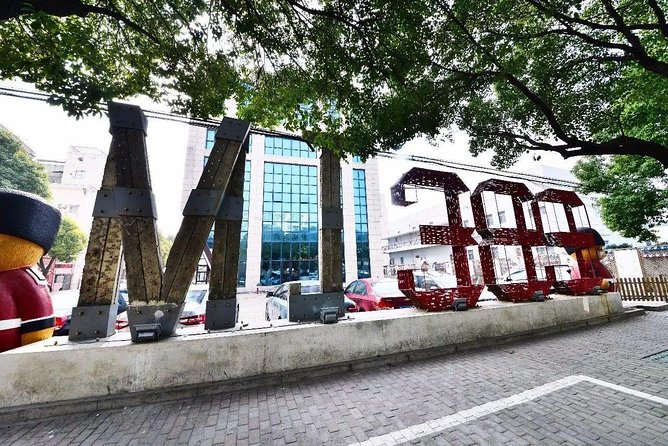
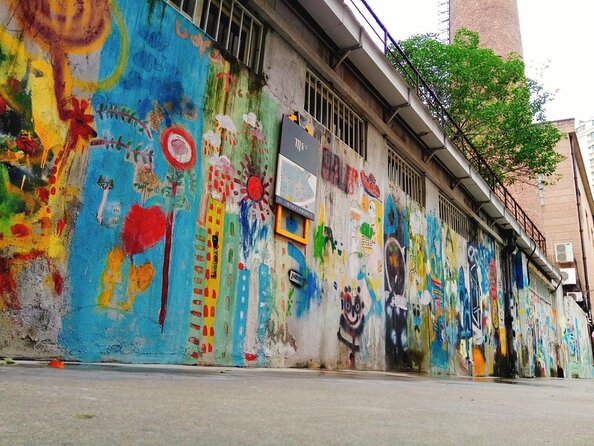
M50 Creative Park is the kind of place that makes you instantly understand the idea of “creative reuse.” It’s set up as an art area inside an older industrial shell, which is why you’ll often hear comparisons to well-known art districts abroad.
What you’ll do here is simple: walk, look, and learn. Expect a mix of spaces where creativity is the point—studio-style environments, changing exhibitions, and the kind of atmosphere where art feels made-in-the-building, not just displayed behind glass.
What I like about M50 here: the tour doesn’t treat it like a photo stop. Your guide can point out how the space itself contributes to the experience: why this kind of repurposed district matters in a city where “new” keeps reinventing itself.
Possible drawback: it’s 1 hour, and M50 can be big. If you’re the type who loves reading every label and lingering in side areas, you might wish you had more time. The private format helps though—you can ask for a shorter loop if you’re mostly after highlights.
Practical tip: wear shoes you can walk in for a few hours. The tour is moderate fitness, and comfort really helps once you’re bouncing between neighborhoods.
Stop 2: Shanghai Propaganda Poster Art Centre (1910–1970s) for the visual history nerd
This is the most focused stop, and it’s also where the tour earns its “art and history” label in a big way.
You’ll visit the Shanghai Propaganda Poster Art Centre, which is described as one of the city’s popular private museums and is known for its poster collection from roughly 1910 to the 1970s. The key idea is that these aren’t just old posters. They’re visual tools—messages designed to persuade, unify, and shape public life.
What to expect:
- The posters are shown as art objects, but also as historical documents.
- You’ll get context from your guide about what’s going on in the images and how that connects to the periods those posters came from.
What I like about this stop: it gives you a way to “read” Shanghai differently. After seeing the museum, the rest of the day’s street art and design elements start to feel connected to broader themes—identity, messaging, and how art functions in everyday life.
Possible drawback: museums can slow the pace. If you planned this tour as a mostly walking-and-shopping afternoon, you may find the poster centre slightly more structured and slower than the other two stops. That said, the time here is about 1 hour, so it doesn’t drag.
Entrance here is included, so you won’t be stopping to handle ticket details.

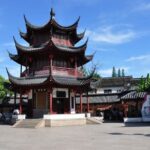
Stop 3: Tianzifang and the Former French Concession lanes for shikumen charm
After the poster museum, the tour shifts gears to streets.
You’ll head to Tianzifang, described as a neighborhood of alley houses where shikumen (those classic Shanghai lane houses) meet newer, more fashionable design spaces. This is the “you can feel the city” part of the tour: narrow lanes, small storefronts, design browsing, and the kind of atmosphere where the neighborhood feels like it evolved rather than got redeveloped overnight.
You’ll spend about 1 hour here, and the experience is intentionally flexible. Your guide can show you where to focus if you want:
- more traditional architecture and lane views, or
- modern shops and souvenir stops
The tour also frames this in the broader context of the Former French Concession, which is helpful if you want your walking to mean something instead of just “shopping because it’s there.”
What I like about Tianzifang in this itinerary: it balances the museum’s heavy visual history with everyday creativity you can see and touch. It’s where the day stops feeling like a lecture and turns back into street exploration.
Possible drawback: this stop can turn into a shopping clock if you’re not careful. If you mainly want architecture and photos, set expectations with your guide early and ask to prioritize lanes over storefronts.
How your guide turns the stops into a real story
The tour lives or dies on the guidance. A good guide helps you notice the “why,” not just the “what.”
In the most positive experiences shared, the guide is named Mason, and the standout theme is that he connects what you’re seeing—especially the artists’ area and the poster collection—to deeper background on Chinese history and culture. That’s exactly what you should hope for from a tour like this. Otherwise, you’d just walk from one site to another with pretty photos and limited understanding.
Here’s the practical value you should look for in the way your guide talks:
- Clear explanations that tie the art styles to the time periods
- Pointers on what to pay attention to inside each space
- A pace that matches your interest level, since you’re not on a strict group schedule
If you’re booking because you want context for contemporary art and political posters in the same day, this tour format fits that goal well.
Morning vs afternoon: choosing the right vibe
You can pick between morning and afternoon tour times. The tour length stays about 3 to 4 hours, but your experience can feel different depending on the light and the energy of the neighborhoods.
General rule of thumb: if you like photographing streets, morning often gives you clearer light for alley lanes and exterior art spaces. If you prefer a calmer museum-first rhythm, an afternoon slot can work well too, especially since the poster centre is indoors and structured.
Either way, the tour operates in all weather, so don’t assume you’ll get perfect conditions.
What to wear and bring so the 3–4 hours feel good
This tour isn’t a marathon, but it does include walking and shifting between areas.
Bring:
- Comfortable walking shoes (the tour specifically calls this out)
- Weather-appropriate layers since it runs in all weather
- A charged phone, since you’ll use a mobile ticket
Keep your expectations realistic. This is a focused half-day art route, not a city-wide sampler.
Who should book this private Shanghai art-and-history tour
This tour is a great match if you:
- want contemporary art and visual political history in one compact plan
- like street neighborhoods that still show older Shanghai form (shikumen lanes)
- prefer a private guide who can adjust pace and emphasis
- enjoy context as much as aesthetics
It’s also a solid pick if you’re traveling with kids, as long as children are accompanied by an adult. And if you have a moderate fitness level, you’ll be fine—just keep the shoes comfortable and plan for some walking.
If you hate museum stops or you’re trying to see ten neighborhoods in one afternoon, you’ll likely find the structure limiting. But if you want depth in three places rather than a quick scan of many, this works.
Should you book it or keep planning on your own?
Book this tour if you want a guided way to see Shanghai through art—M50, the poster museum, and Tianzifang—without spending your time sorting transport, tickets, and “what am I looking at?” questions.
Don’t book it (or book with extra planning) if:
- your hotel is outside downtown and you don’t want to deal with a downtown meeting point,
- you dislike walking during hot/cold weather (it runs in all conditions),
- or you want a longer deep exploration at just one stop.
If you’re looking for a short private experience that gives you both street-level creativity and meaningful historical context, this one is an easy yes.
FAQ
What’s included in the tour price?
The tour price includes a professional English-speaking guide, private tour services, hotel pickup (downtown area only), local transportation, and entrance fees.
Which stops do we visit?
You’ll visit M50 Creative Park, the Shanghai Propaganda Poster Art Centre, and then Tianzifang in the Former French Concession area.
How long is the tour?
It runs about 3 to 4 hours.
Do you pick up from hotels outside downtown Shanghai?
Pickup is only for centrally located downtown hotels. If your hotel is outside downtown (examples listed include Jiading, Songjiang, Qingpu, Jinqiao, Chuansha in Pudong), the guide will arrange instructions for a meeting point near downtown.
Is the tour private or shared?
It’s a private tour. Only your group participates.
What’s your refund option if plans change?
You can cancel for a full refund up to 24 hours before the experience starts. If you cancel less than 24 hours before, the amount paid isn’t refunded.