REVIEW · SHANGHAI
Private Full Day Tour: Shanghai Colonial History Tour
Book on Viator →Operated by Jennys China Tours · Bookable on Viator
Shanghai’s colonial map still shapes your walk.
This private full-day tour is built around one idea: Shanghai makes more sense when you follow the foreign concessions and how they changed from the 1800s onward. You’ll go from the Former French Concession to the Bund, and you’ll see how different powers left behind buildings, street patterns, and institutions that still show up today.
What I really like here is the way you get expert interpretation without having to plan every hop yourself. The day also includes a proper meal, with an authentic dumpling lunch and a vegetarian option, so you’re not stuck eating random snacks between photos. One thing to keep in mind: Thames Town is about 30 km from central Shanghai and it’s more of a British-themed new town than an original colonial pocket, so it’s best if you’re open to the contrast.
In This Review
- Key things to look for before you go
- Why Shanghai’s concessions still matter in 2026
- Private comfort for a full 8-hour day
- Former French Concession: where architecture tells a political story
- Tian Zi Fang: Shikumen streets, coffee bars, and living history
- Thames Town detour: British-market styling far from the center
- The Bund: banks, consulates, and a riverfront lesson
- Shanghai Municipal Archives: turning old records into clear meaning
- Lunch break: dumplings that actually taste like Shanghai
- Guides drive the quality more than anything else
- Price and value: what $175 buys you in real terms
- Who should book this colonial-history day
- How to get the most out of your 8 hours
- Should you book the Private Full Day Tour: Shanghai Colonial History Tour?
- FAQ
- How long is the Shanghai Colonial History tour?
- Is this a private tour?
- Does the tour include hotel pickup and dropoff?
- What’s included in the price besides the guide?
- Are admission tickets included for the stops?
- Is lunch vegetarian-friendly?
- Do I get a mobile ticket?
- Are tips included?
- Can I cancel for free if my plans change?
Key things to look for before you go
- Hotel pickup and dropoff means you can spend the day sightseeing instead of figuring out transport
- A private group setup keeps the pace comfortable and lets your guide adjust as needed
- Concession-to-Bund storytelling connects architecture with institutions, not just photo stops
- Shikumen-focused streets at Tian Zi Fang give you a local feel amid the colonial timeline
- Free admission ticket stops at each listed site help the day feel smoothly priced
- Dumpling lunch with vegetarian availability keeps the energy up for a full 8 hours
Why Shanghai’s concessions still matter in 2026
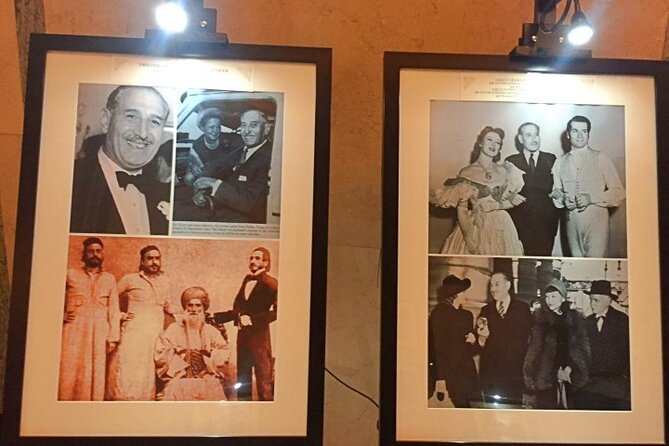
Shanghai’s skyline gets most of the attention. This tour asks you to look a little lower: streets, courtyards, riverfront institutions, and the way foreign communities organized space. That’s where the colonial era becomes visible in everyday life.
You’ll walk through areas shaped by the English, French, and Americans as they set up concession zones and then watched the world change through major 20th-century disruptions. The value of a guided day like this is that you’re not just seeing old buildings. You’re learning what each place represented, how it functioned, and why it matters for modern Shanghai.
You can also read our reviews of more tours and experiences in Shanghai.



Private comfort for a full 8-hour day
This is designed as a low-stress day. You get hotel pickup and dropoff plus an air-conditioned vehicle, which is a big deal in Shanghai’s heat (or when the air feels humid and you’d rather not fight traffic).
The pace is structured: you’ll spend about an hour at each major stop, with time to drive between them and to eat. That makes it ideal for first-timers and also for people on limited time, like a layover. One tradeoff with an 8-hour structure is that you’ll see many highlights rather than lingering for deep study at a single site.
Tip: If you like photos, plan to move quickly during the transitions. Your guide will likely use the ride time to set context, so you’ll be ready to spot details when you step out.
Former French Concession: where architecture tells a political story
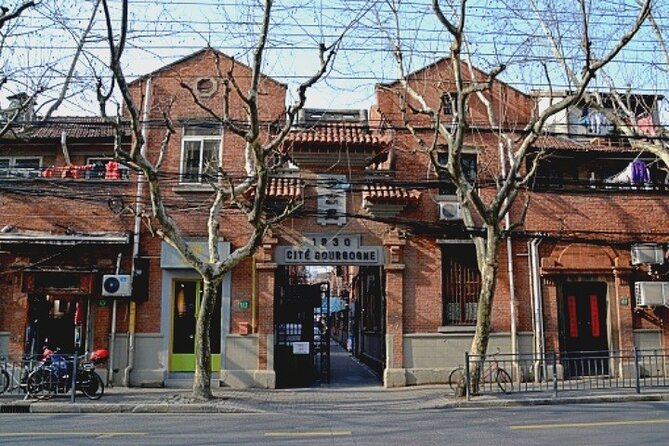
The day starts in the Former French Concession, one of the places where the city’s European influence is easy to feel. It’s an area where you can sense east-meets-west energy, and the streets and building style are part of the lesson.
Look for how the architecture signals who lived and worked there and how the neighborhood evolved over time. This is also the kind of area where you’ll see modern Shanghai layered on top of older forms. That’s useful for understanding Shanghai now: it’s rarely one era at a time.
Practical consideration: Since this stop is about atmosphere and architectural clues, wear comfortable shoes. Even with a vehicle to relocate, you’ll still walk enough that you’ll want good footing.
Tian Zi Fang: Shikumen streets, coffee bars, and living history
Next up is Tian Zi Fang, described as a maze of small walkways with shops, coffee spots, and restaurants. The key detail here is the Shikumen architecture, the distinctive residential style that turns a neighborhood into a kind of open-air museum.
This stop does two things well. First, it gives you a local feel. You’re not only looking at foreign-era monuments; you’re seeing how older Shanghai housing patterns fit into today’s street life. Second, it helps you connect concession history to how people actually lived.
What to do while you’re there:
- Slow down at the turns. The “maze” layout makes it easy to miss alleys and courtyard-like openings.
- Use your guide’s explanation to spot what’s old versus what’s been repurposed.
- People-watching is part of the experience here, because the narrow streets make it feel like you’re inside the neighborhood, not outside photographing it.
Thames Town detour: British-market styling far from the center
Thames Town is about 30 km from central Shanghai, in the Songjiang District, and it’s explicitly themed like a classic British market town. Expect British-style streetscapes with features like cobbled sections and market-town architecture cues.
Here’s the value: it creates a contrast. You’re not just studying colonial Shanghai in its original form. You’re also seeing how “Britishness” can be reimagined through design. For many people, that contrast makes the earlier stops easier to read, because you start noticing how architecture signals identity and power.
A simple way to decide if this stop is for you: if you’re craving only original 1800s-era material, you might feel this is lighter. If you want a full day that explains both the real and the re-created, it works.


The Bund: banks, consulates, and a riverfront lesson
Then you’ll hit the Bund (Wai Tan), arguably Shanghai’s most recognizable colonial-era corridor. The Bund runs along the Huangpu River and lines up dozens of historical buildings that once housed banks, trading houses, and consulates from across Europe, Asia, and the United States.
This is where the history becomes visually dramatic. The challenge on your own is knowing what you’re looking at. With a guide, the buildings stop being anonymous facades and become evidence of foreign commercial and diplomatic presence.
Practical tips for the Bund:
- Bring a camera that handles bright light well. Riverfront lighting can be intense.
- If the weather is changeable, plan your photo timing with your guide’s pacing so you’re not stuck in the wrong spot when the light shifts.
- Even if you’ve seen the Bund before, the institutional context can change how you experience it.
Shanghai Municipal Archives: turning old records into clear meaning
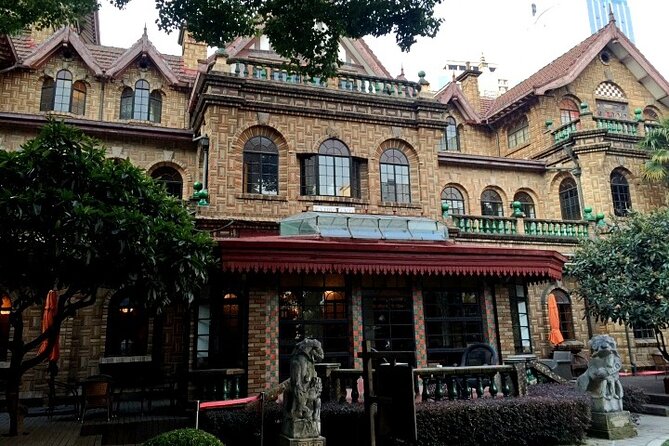
One of the most satisfying stops is Shanghai Municipal Archives, described as a modern facility located on the Bund. It functions as a main repository for archives in Shanghai and holds records connected to earlier foreign settlements and republican-era municipal materials.
Why this matters: you’re not only getting street-level impressions. You’re also getting the idea that history is preserved in documents, not just in buildings. If you like learning how we actually know what we know, this stop adds weight to the day.
Practical note: museums and archives are usually more about reading and structure than wandering. If you prefer movement over quiet time, you’ll still get a focused experience here, but you may want to listen closely rather than expecting the same kind of stroll as in the concession areas.
Lunch break: dumplings that actually taste like Shanghai
Lunch is included and is described as an authentic dumpling meal, with a vegetarian option available. That’s not a throwaway detail. A guided day without a good meal can feel like a marathon of stops. Here, you get time to reset.
One dish name that comes up strongly in the experience is jianbo, praised for being especially good. That aligns with why this is likely to feel more “real Shanghai” than a generic tour lunch.
A practical approach:
- If you have dietary needs beyond vegetarian, ask before you go when you’re booking or when you meet your guide.
- Eat like you have energy for the afternoon. The day continues after lunch, so don’t choose a meal that leaves you sleepy.
Guides drive the quality more than anything else
The most highly praised part of this experience is the guide. Names like Peggy, Troy, Cathy, and Céline come up in past service, with consistent themes: clear English, friendliness, and genuine professionalism.
Look for what that typically means for you on the day:
- You’ll get explanations that connect architecture to the concession timeline.
- You’ll feel looked after, not rushed.
- Flexibility helps when the city throws you curveballs, like crowds or timing shifts.
If you want to maximize your guide time, bring one question you genuinely care about, such as what caused certain neighborhood changes or how the riverfront developed as a hub. Good guides love when you show interest.
Price and value: what $175 buys you in real terms
At $175 per person, this isn’t a cheap “bus and badge” type of outing. You’re paying for a private day with hotel pickup/dropoff, air-conditioned transport, a guide, and a included lunch.
Value checks that matter:
- Private setup: you’re not sharing the experience with strangers all day.
- Hotel pickup and dropoff: Shanghai travel time adds up fast; this removes the biggest friction.
- Lunch included: that’s often where cheaper tours quietly cut corners.
- Free admission ticket sites at the listed stops help keep the day’s cost predictable.
The main reason this price feels fair is that you’re buying time and context, not just photos. If you enjoy learning how the city got shaped, the tour’s structure supports that goal.
Who should book this colonial-history day
This tour is a good match if:
- You’re in Shanghai for a short time and want a smart, organized day.
- You like history with real-world connections, not just dates.
- You want to see both the neighborhoods (concession areas) and the institutions (like archives and the Bund).
- You prefer comfort, with transport and pickup handled.
It may be less ideal if:
- You want a slow, deep architecture study with lots of free time in one place.
- You only want the oldest possible surviving colonial material and don’t care about themed recreations.
How to get the most out of your 8 hours
A few practical moves will help you enjoy the day more:
- Wear shoes you can walk in for an hour at a time, because multiple stops mean repeated walking.
- If you’re sensitive to heat, use the vehicle transitions well. Don’t cram extra stops on your own.
- Bring a notepad or save questions on your phone. The guide context makes small details easier to remember later.
- Keep expectations realistic about time at each stop. You’ll cover key points, not become a local expert in one neighborhood.
Should you book the Private Full Day Tour: Shanghai Colonial History Tour?
If you want an organized, guided day that connects Shanghai’s colonial concessions to the city you see today, this is a strong choice. The included pickup, air-conditioned ride, and dumpling lunch reduce the “tour fatigue” that can ruin a full day. And the guide quality is a major selling point, with English that’s easy to follow and explanations that tie buildings and institutions into a single story.
Book it if you like structured sightseeing with context, especially if you’re a first-timer or on a time crunch. Skip it (or adjust expectations) if you want long independent wandering or if you only care about the oldest surviving colonial artifacts and nothing else.
FAQ
How long is the Shanghai Colonial History tour?
It runs about 8 hours.
Is this a private tour?
Yes. Only your group participates.
Does the tour include hotel pickup and dropoff?
Yes. Your guide meets you at a centrally located hotel and you’re returned there at the end.
What’s included in the price besides the guide?
You get an air-conditioned vehicle, an included lunch (dumplings; vegetarian available), and the hotel pickup/dropoff.
Are admission tickets included for the stops?
The stops listed have free admission tickets.
Is lunch vegetarian-friendly?
Vegetarian lunch is available.
Do I get a mobile ticket?
Yes, the tour includes a mobile ticket.
Are tips included?
Tips to the guide and driver are recommended, and they are not included.
Can I cancel for free if my plans change?
Yes. You can cancel up to 24 hours in advance for a full refund.