REVIEW · AHMEDABAD
Ahmedabad Heritage Trail: A Journey Through Time
Book on Viator →Operated by Agora Voyages Pvt. Ltd. · Bookable on Viator
Ahmedabad reveals itself one landmark at a time. This private heritage route strings together Gandhi’s Sabarmati Ashram, Jain and Hindu architecture, and several standout mosques, all with AC door-to-door comfort.
I like the English-speaking local guide (if you select that option) because you get context fast, not just a photo stop list. I also like that entrance fees are listed as included at many monuments, which keeps the day moving and reduces last-minute ticket hunting.
One caution: the experience includes a transport-only option. If you choose that, you may get driving and drop-offs, but not the full guided walkthrough you’d want from a heritage trail—so confirm what’s included in your booking.
In This Review
- Key things to know before you go
- A heritage loop that makes sense for first-timers
- Door-to-door AC comfort and why it matters here
- Stop 1: Sabarmati Riverfront and the Gandhi Ashram reset
- Stop 2: Hathee Singh Jain Temple and a different kind of craftsmanship
- Midday move: Bhadra Fort and Teen Darwaja in old-city time
- Swaminarayan Mandir Kalupur: a Hindu temple stop with real visual payoff
- Adalaj Stepwell: Queen Rudabai’s 15th-century engineering
- Jama Masjid (Shahi Jam-e-Masjid): scale, symmetry, and Sultan-era legacy
- Teen Darwaza again later: better light, better details
- Sidi Saiyyed Mosque: carved stone lattice work
- The Kite Museum and Shaking Minarets: the fun detour that keeps it human
- Price and value: what $57 buys you in real time
- Who this tour fits best (and who might skip it)
- The one booking detail that can make or break your day
- Quick ways to prepare for the route
- Should you book the Ahmedabad Heritage Trail?
Key things to know before you go
- Private AC pickup and drop-off keeps you from wrestling with Ahmedabad traffic between sites
- Monument entry fees are included at most stops when that option is selected
- A real mix of religions and eras: Gandhi, Jain, Hindu, and mosque architecture in one loop
- Kite Museum and Shaking Minarets add a lighter, more local flavor to the history day
- Mobile ticket means you should be able to show up without extra printing
A heritage loop that makes sense for first-timers
If it’s your first time in Ahmedabad, this tour is built for getting your bearings quickly. You’re not bouncing randomly across the city. You’re moving in a planned circuit through major landmarks tied to different communities and time periods.
What I like most is the balance of moods. The day starts with a reflective stop at Gandhi’s Sabarmati Ashram, then shifts into carved stone and sacred geometry at temples and mosques. Even the lighter stops (kites and the Shaking Minarets) help break up the intensity of big heritage sites.
That also means the pacing is practical. You’ll spend enough time to appreciate what you’re looking at, without trying to turn Ahmedabad into a full-time part-time job for a week.
You can also read our reviews of more tours and experiences in Ahmedabad.


Door-to-door AC comfort and why it matters here
This is an AC car/van tour with pickup and drop-off from your hotel. That sounds basic until you’ve tried to travel around old and central parts of Ahmedabad on your own. Heat, timing, and getting lost can steal energy from the whole point of a heritage day.
You also get bottled water in the vehicle. It’s one less thing to carry and worry about. And since this is a private tour, only your group participates, so you’re not stuck waiting on other people’s bathroom breaks or indecisive souvenir detours.
One small practical note: tickets are mobile. That’s helpful on a day when you’re moving through multiple sites. Just keep your phone charged, especially if you’re relying on it for proof of entry.
Stop 1: Sabarmati Riverfront and the Gandhi Ashram reset
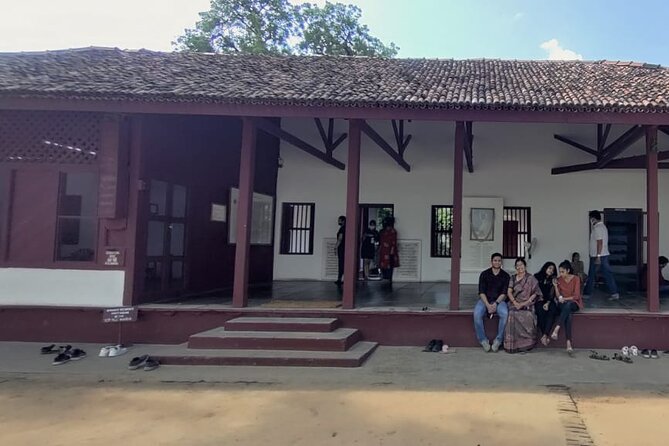
You start in the morning with a meet-up at your hotel or a pre-arranged meeting point. The first major stop is the Sabarmati Ashram area on the riverfront, tied to Mahatma Gandhi’s former home.
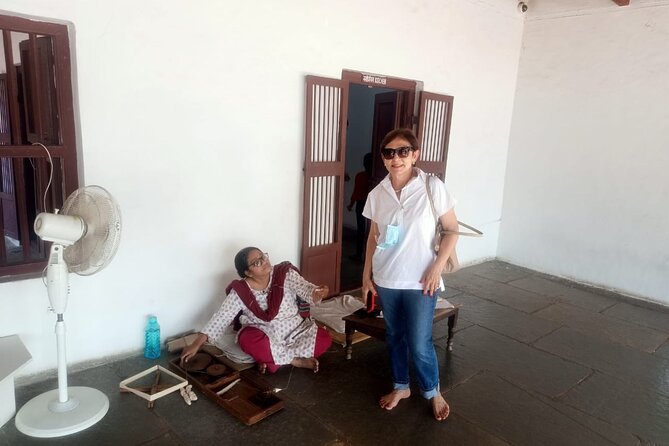
You’ll have about an hour here, with an admission ticket included. This is a smart opening because it sets the tone. Even if you only know Gandhi from history books, the asharm space tends to feel human-sized and grounded. It’s the kind of start that makes the later architecture stops easier to understand, because you’re not just sightseeing—you’re learning how the city reflects people’s values.
Possible drawback: the day gets busy quickly after this. If you want extra quiet time, consider skipping a long photo session at the start and saving your energy for the architecture later.
Stop 2: Hathee Singh Jain Temple and a different kind of craftsmanship
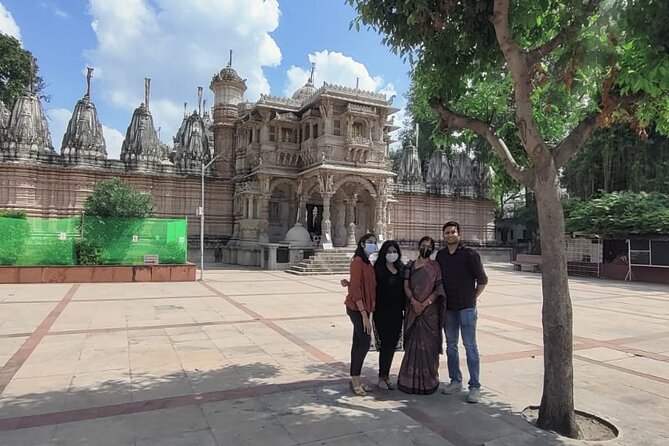
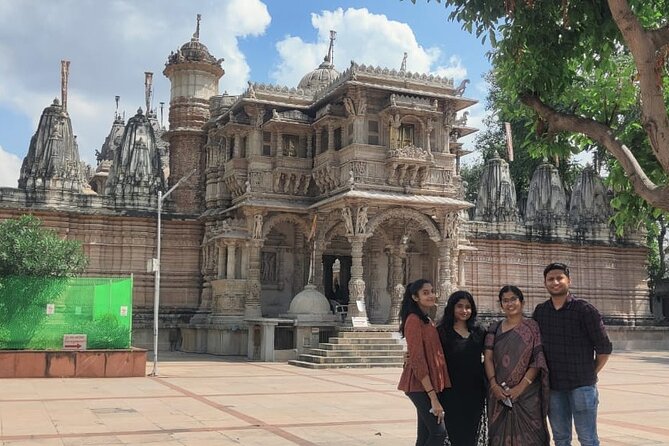
Next you head to the Hatheesing Jain Temple, one of Ahmedabad’s prominent Jain temples. It’s built in the 19th century by a wealthy Jain merchant, and you’ll have about 30 minutes there with admission included.
This stop is worth it because Jain temple architecture often rewards close looking. Even when your time is limited, you can still catch the temple’s overall plan and see how the design aims for clarity and detail rather than scale alone.
How to make the most of your half hour: pick one focal area to study for a few minutes instead of trying to photograph everything at once. You’ll remember the shapes better that way.
Midday move: Bhadra Fort and Teen Darwaja in old-city time
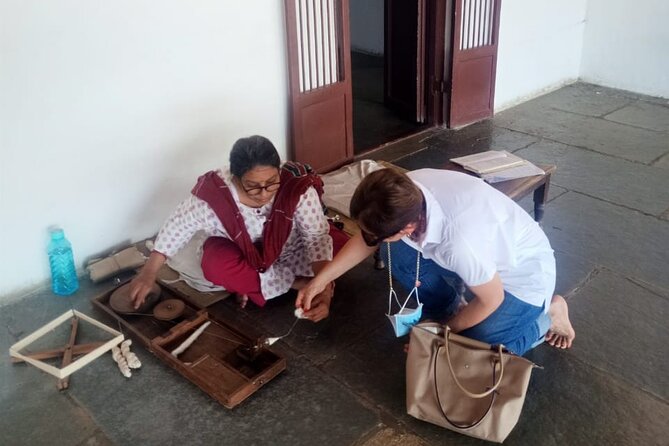
After lunch, the tour moves into the heart of old Ahmedabad with Bhadra Fort & Teen Darwaja. The fort is described as a historic stronghold built in the 15th century by Sultan Ahmed Shah, and it served as a royal residence and administrative center.
This is one of those stops where the city’s “power geography” becomes clear. Fort walls and gateways aren’t just pretty. They show how the city controlled movement, commerce, and authority. Teen Darwaja is a classic example: a historic gateway built in the 15th century that served as the royal entrance to the Bhadra Fort.
You’ll get about an hour for the fort-and-gateway segment, with admission included. The good part is that you’re walking around a landmark that still feels like a center of gravity in the city.
One consideration: this is a busy time window in most cities. If you’re heat-sensitive, plan to use your vehicle breaks wisely and keep your stops efficient.
Swaminarayan Mandir Kalupur: a Hindu temple stop with real visual payoff
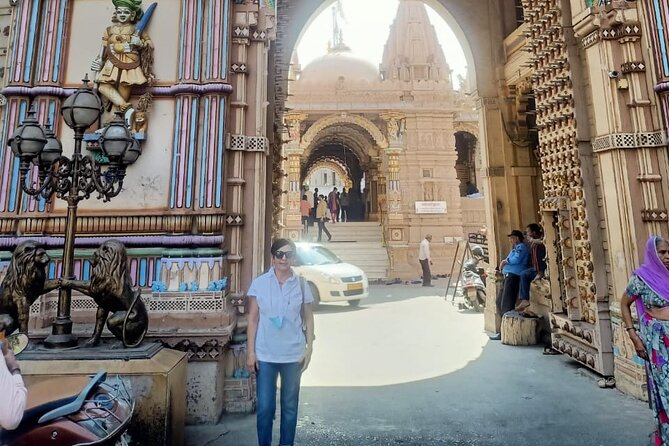
From Bhadra, you drive to Shree Swaminarayan Mandir Kalupur, dedicated to Lord Swaminarayan. You’ll spend about an hour here, again with admission included.
The description focuses on the temple’s intricate carvings and ornate design. That matters because this isn’t a quick peek. You have enough time to stand back, notice the overall symmetry and layout, then move in for closer details.
This is also a helpful contrast to the fort and gateway. Fortifications tell you about governance. Temples tell you about devotion and community life. Together, they give you a fuller picture of how Ahmedabad’s culture organizes itself in stone.
Adalaj Stepwell: Queen Rudabai’s 15th-century engineering
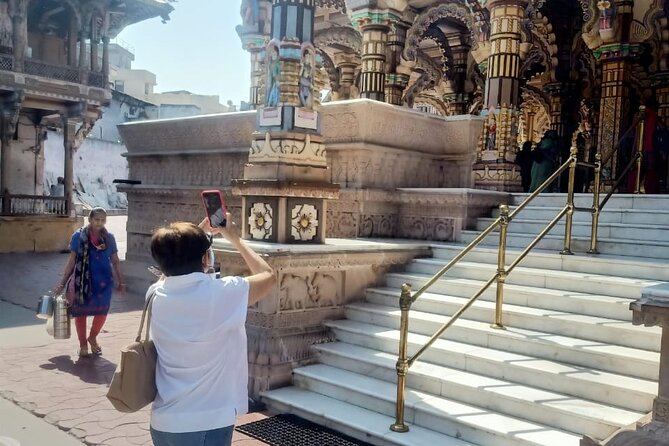
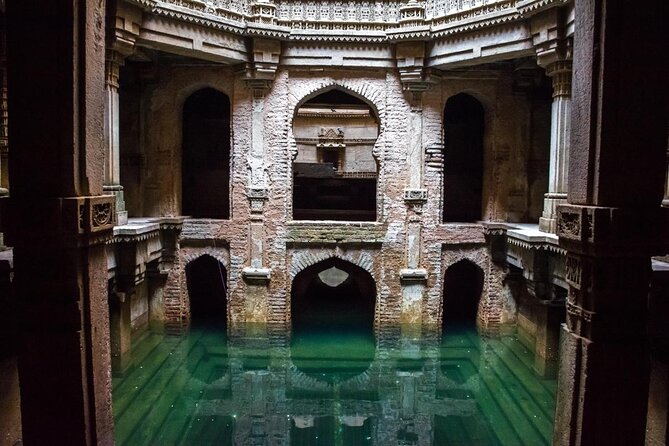
Next comes Adalaj Stepwell, one of Gujarat’s most impressive stepwells. It was built in the 15th century by Queen Rudabai and is known for its impressive architecture and intricate carvings.
You’ll have about an hour here with admission included. Stepwells can feel like a “wow” stop because they mix function with design. It’s not just an architectural curiosity. It’s a reminder that water management was also an art and a social space.
How to enjoy it: don’t rush from top to bottom. Look at how the structure unfolds in tiers and how the carvings guide the eye. If your schedule feels packed, this is one stop where lingering for a few extra minutes can pay off.
Jama Masjid (Shahi Jam-e-Masjid): scale, symmetry, and Sultan-era legacy
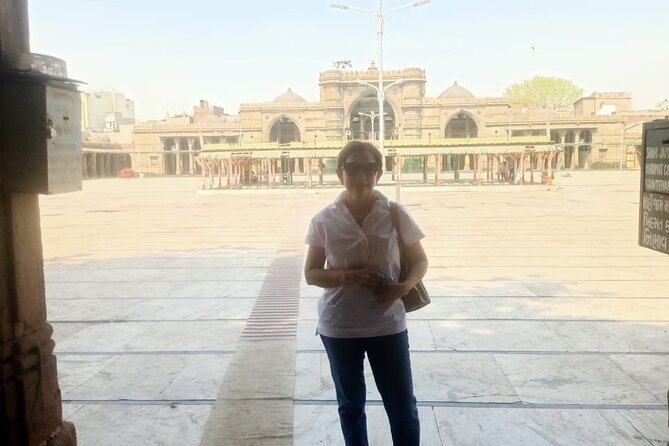
As the day moves toward late afternoon, you visit Jama Masjid, also described as Shahi Jam-e-Masjid in the broader tour scope. The mosque is stated to be one of the largest in India, built in the 15th century by Sultan Ahmed Shah, the founder of Ahmedabad.
You’ll have about 30 minutes with admission included. That may sound short, but large religious spaces are easier to read quickly than smaller, detailed ones. You can grasp the overall scale, then focus on a few architectural features instead of trying to absorb everything.
A practical tip for this type of stop: keep your eyes on proportions—arches, courtyards, and the way the building frames space. Even without a deep architectural background, you’ll start to see the rules the designers were following.
Teen Darwaza again later: better light, better details
The day includes another Teen Darwaza visit. The first time it’s connected to the fort segment. Later, it’s treated as its own stop with about 30 minutes and admission included.
Why this can be smart: light changes as the day goes on. You often get sharper views of carved stone and gateway details later, when shadows fall differently. You also get a second chance if the morning felt too hectic.
Sidi Saiyyed Mosque: carved stone lattice work
Your final mosque stop is the Sidi Saiyyed Mosque, built in the 16th century. It’s known for its beautiful carved stone lattice work, and you’ll spend about 30 minutes.
This is a great closer because latticework is visual even from a distance. You don’t need hours to appreciate the idea: repeating patterns, geometric rhythm, and that satisfying feeling of craftsmanship.
Admission here is listed as free. That’s always a pleasant surprise on a day where many other stops include entry fees.
The Kite Museum and Shaking Minarets: the fun detour that keeps it human
The tour highlights two extra attractions: the Kite Museum and the Shaking Minarets. Even if the schedule is tight, these stops add something that pure temple-and-fort touring can miss: local culture you can feel in an everyday way.
- The Kite Museum is specifically about the beautiful shades of different kites, which gives your day a color break from stone and solemn architecture.
- The Shaking Minarets keep things playful while still connecting you to historical curiosity.
I’d treat these as your mental reset. When you return to the bigger monuments later (or even during them), the day feels less like a checklist and more like a story.
Price and value: what $57 buys you in real time
At $57 per person, this tour is trying to do something practical: pack a lot of major stops into a half-day, with transportation and multiple monument entries included.
It runs about 6 to 9 hours. That range matters. If you like a structured day where someone else handles the route and timing, that window is ideal. If you hate rushing, you may feel the schedule is full—though private guiding (when selected) usually helps you slow down when you want to.
Here’s what improves value:
- Private AC car/van with hotel pickup and drop-off
- Bottled water
- Admission fees included at listed monuments when that option is selected
- Government taxes included
- Lunch is included only if you choose that option
One downside to watch: camera charges aren’t included. Also, gratuities and optional activities aren’t included. On a day with several monuments, those extras can quietly add up, so keep a small budget buffer.
Who this tour fits best (and who might skip it)
This is a good match if you:
- Want a first-timer-friendly loop through major sights in Ahmedabad
- Like architecture and want context (especially if you select the English-speaking guide)
- Prefer not to plan transport between scattered historic spots
- Are okay with a day that’s structured and efficient
You might skip it if you:
- Want very slow, deep time at only one or two sites
- Are sensitive to a packed schedule and multiple short entries
- Chose transport-only by mistake (see the caution below)
The one booking detail that can make or break your day
Because the tour offers a transport-only option, your experience depends heavily on what you select. If you want a true heritage trail—history, explanations, and the kind of guided pacing that makes monuments click—make sure the booking includes the English-speaking local guide (if that’s offered on your option).
If you don’t, you could end up with a driver who knows the roads but not the itinerary story. And Ahmedabad is the kind of city where the difference between being driven and being guided can be huge.
Quick ways to prepare for the route
You’ll be visiting temples and mosques, plus a stepwell and heritage gateways. Even without assuming specific dress rules at every site, it’s smart to carry something that helps you feel comfortable in religious spaces. Also plan your day around heat and sunlight, since you’re outdoors for parts of the loop.
Finally, bring a charged phone and keep your mobile ticket handy. It’s meant to simplify check-ins across multiple stops.
Should you book the Ahmedabad Heritage Trail?
Book it if you want a tightly organized, private half-to-full day that covers Gandhi’s Sabarmati Ashram, major Jain and Hindu landmarks, and several famous mosques—without you juggling local transport. The AC pickup and the included monument entries (on the right option) make it a strong value for time.
Skip it or reconsider if your priority is slow travel and long museum-style wandering. This day is structured. You’ll get appreciation, not hours and hours at each stop.
If you do book, double-check that your option includes the guided portion (not just transport) so you actually get the context that turns stone and gateways into a story.