REVIEW · JAIPUR
Jaipur Heritage Walk – Artisans | Bazaars | Culinary | Temples (Awarded)
Book on Viator →Operated by Vedic Walks Rajasthan · Bookable on Viator
Jaipur’s old lanes tell you how a city works. This 2.5-hour walk through the Pink City is built around artisans at work, plus bazaars and temple time that show daily life instead of just monuments. I especially like how the route connects street craft (metal beating, bangles) with food you can actually taste along the way.
I also like the small-group feel: up to 15 people, with an English-speaking guide who can slow down for questions. A fair heads-up: it’s still a walking tour through narrow lanes, so plan for uneven steps and crowds, and go when the weather is kind.
In This Review
- Key Highlights You’ll Care About
- Why This Jaipur Heritage Walk Clicks (Artisans, bazaars, temples)
- Meeting at Golcha Cinema and the 7 Gates of Jaipur
- Metal Beaters, Paani Puri, Ayurveda, and a Royal-route Gate
- Sodhya Halwai Bridal Market: Mohanthal, traditional dress, and wedding shopping
- Maniharo Ka Rasta and Bangle Making from Sealing Wax
- Tripolia Bazar: Flower Market, spices, and Isarlat Sargasooli
- Food, chai, water, and the souvenir you actually get
- How the guide changes the whole experience (Nidhi and Ani as examples)
- Practical tips so Jaipur doesn’t steamroll you
- Who should book this heritage walk, and who might skip it
- Should you book the Jaipur Heritage Walk?
- FAQ
- How long is the Jaipur Heritage Walk?
- How much does the tour cost?
- Where does the tour start and end?
- What’s included in the price?
- Are any admission tickets included?
- Is food part of the tour?
- How large is the group?
- Does the tour involve temples?
- Does the tour run in good weather only?
Key Highlights You’ll Care About
- Seven Gates backstory at the start so Jaipur’s walled-city layout makes sense fast
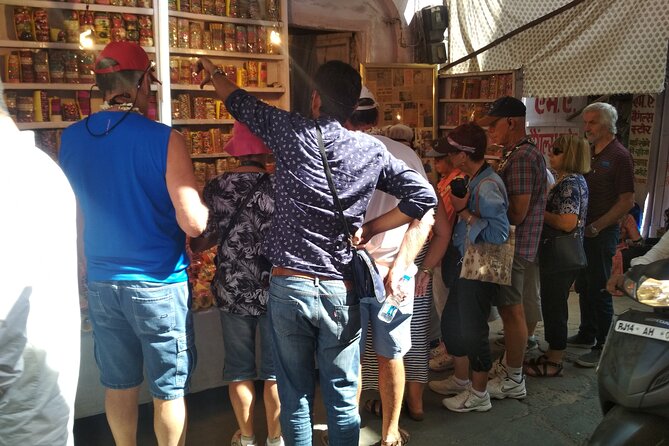
- Live artisan demos like bangle making and metal beating you can watch up close
- Food tastings included, including a stop for Mohanthal
- Bridal market sights where traditional wedding shopping is part of the scene
- Old-city markets: flower and spice stops plus a famous minaret sightline
- English-speaking city explorer + water + souvenir included in the price
Why This Jaipur Heritage Walk Clicks (Artisans, bazaars, temples)
Jaipur is a city that rewards walking. You see how people move, trade, pray, and snack—often within a few minutes of each other. This tour is designed to help you read the old city like a map, not just take photos of it.
The value isn’t only that you visit markets. It’s that you get context for why those markets exist where they do, and how traditional crafts are still practiced by local families. You’ll also get temple content as part of the experience, which matters here because Jaipur’s spiritual rhythm shows up in the streets, not just inside big monuments.
One more thing I like: the pace stays reasonable. It’s long enough to feel like a real walk through the walled city, but structured with short stops so you’re not sprinting through chaos.
You can also read our reviews of more tours and experiences in Jaipur.



Meeting at Golcha Cinema and the 7 Gates of Jaipur
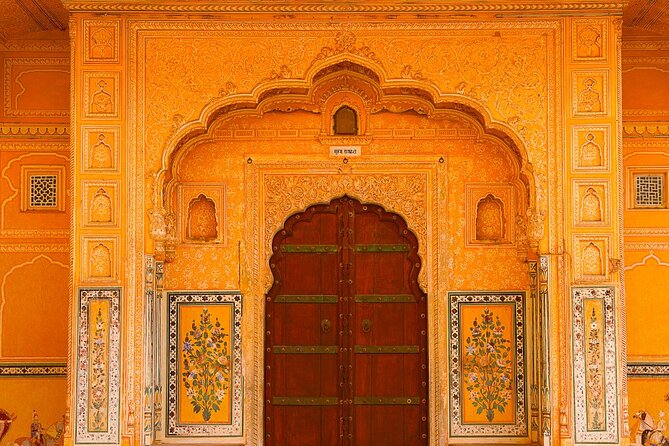
You start at Golcha Cinema on Chaura Rasta Road in the Bapu Bazar area. This is a good meeting point because it anchors you in the old-city vibe from minute one, without losing time figuring out where to stand.
At the beginning, your guide frames Jaipur around the seven gates concept—how the walled city was planned and how that planning still shapes movement today. It’s the kind of history that helps you make sense of what you’re looking at, especially once you turn into the narrower lanes.
You’ll also get a closer look at a priest family living in a heritage mansion. That detail matters because it connects “heritage” to real people and real routines, not just old walls.
Tip for your first minutes: use the start to get oriented. Ask your guide how the route is laid out so later market turns feel less like random wandering.
Metal Beaters, Paani Puri, Ayurveda, and a Royal-route Gate
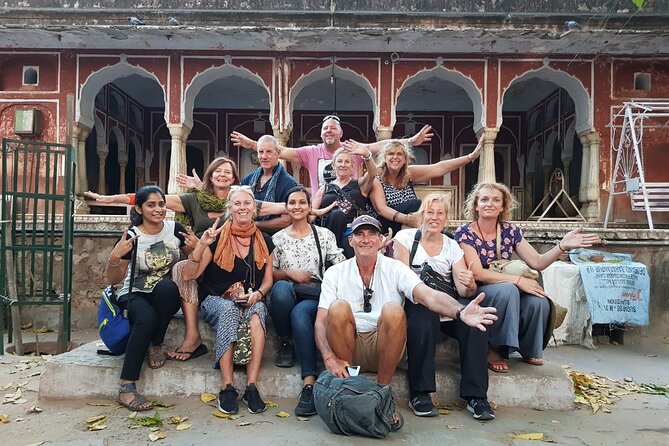
In the second stretch, the walk leans into craft and everyday shopping—exactly where Jaipur feels most Jaipur.
You enter narrow by-lanes, where you’ll encounter:
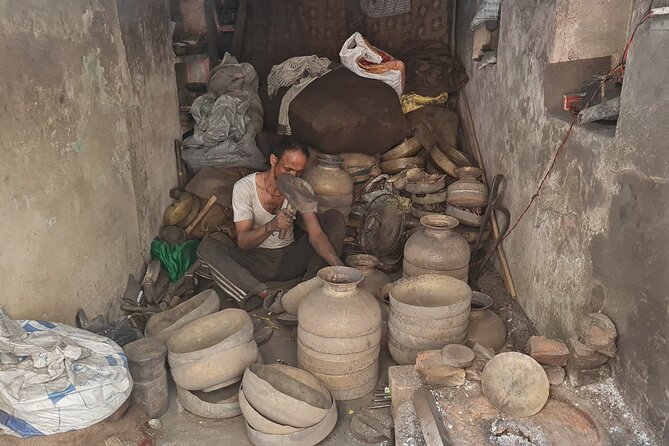
- a community of metal beaters (watch traditional metal work tied to long-running family practice)
- a wholesale snack market known for paani puri
- an Ayurveda center stop
- heritage lanes with a notable “been-there” story tied to Prince Charles visiting
This is a smart mix. Metal work shows “how it’s made.” Paani puri shows “what people actually eat.” Ayurveda gives you a window into traditional wellness that still has a storefront presence. And the Prince Charles connection gives you a way to place the old lanes in modern-world attention.
There’s also a major moment on the route: you pass a big heritage gate that serves as an entry gate for the Jaipur royal family’s residence area. Even if you don’t go inside, this kind of sightline helps you understand how the old city’s power centers shaped streets and neighborhood identity.
A practical note: markets are active. Keep your phone secure, move with the guide, and don’t try to out-walk the group when lanes squeeze down.
Sodhya Halwai Bridal Market: Mohanthal, traditional dress, and wedding shopping
One of the most memorable stops comes around Sodhya Halwai, where the walk shifts into bridal-market territory. This isn’t a staged “tourist shopping” stop. You’ll see brides shopping for traditional wedding dress, with colorful sights and the everyday energy of a market that serves a real life event.
Then comes the food moment: you get to try Mohanthal, a classic Jaipur sweet. It’s a great tasting choice because it’s local, flavorful, and distinct enough that you’ll remember it after you leave the Pink City.
If you enjoy people-watching, this is your stop. You’ll see the clothing, the bargaining energy, and the market logic of wedding preparation—all of which tells you more about Jaipur than another photo at a viewpoint.
Small drawback to keep in mind: this is also a shopping environment, so if you’re not interested in markets or sweets, you might feel a bit “in the middle” of other people’s plans. If that’s you, just set your expectation: it’s part cultural sight, part shopping street.
Maniharo Ka Rasta and Bangle Making from Sealing Wax
Next you head to Maniharo Ka Rasta, known for its bangle making artisans. Here you watch a live demo where wrist bangles are made using traditional methods—specifically described as starting from sealing wax.
This stop is more than a craft show. It’s a hands-on lesson in how design becomes wearable form. Even if you don’t buy anything, you’ll start to notice details: how bracelets are sized, how artisans work with small controlled steps, and how the process keeps people employed in skilled trade work.
This is also one of the best places on the route for slow looking. Give yourself time to watch the steps, not just the final product. If you want to shop, the demo helps you understand what you’re paying for.
Practical note: the streets here can feel tight. Wear comfortable shoes and be ready for short pauses while the guide helps everyone see.






Tripolia Bazar: Flower Market, spices, and Isarlat Sargasooli
The tour ends in Tripolia Bazar, after you’ve passed through the oldest flower market of Jaipur. You’ll also hit a spice market and walk past a tall minaret sightline—Isarlat Sargasooli—before finishing at the florist market area near Choti Chaupar.
This finale works because it ties the tour back to senses. Earlier you’ve been learning and watching craft. Now it’s scent and color—flowers, spice aromas, and the visual rhythm of market work.
It’s also a good “last mile” stop. Even if you’re tired, you can still enjoy the experience without needing to concentrate on stories every second. You can stand back a little, soak in what’s around you, and still feel like you did something meaningful.
If you’re planning what to do next after the tour, this ending area is useful. It leaves you near the old market web rather than dropping you far outside the walled city.
Food, chai, water, and the souvenir you actually get
The inclusions are refreshingly straightforward, and they help you avoid the usual “tour math” problem.
You get:
- packaged drinking water
- 02 local food tasting opportunities
- an English-speaking city explorer
- a souvenir from local artisans
Plus, the tour is built around tasting local flavors and enjoying a hot cup of masala chai as part of the experience flow described in the overview. If you like food that feels tied to place, this is one of the reasons the walk feels worth the time.
You also get at least one place where admission applies: Golcha Cinema is listed with an admission ticket included. Other stops are marked as free.
About the souvenir: this is a value point. Many walking tours in big cities offer “tips encouraged” and that’s it. Here you leave with something tied to the artisan focus of the day.
How the guide changes the whole experience (Nidhi and Ani as examples)
A walk like this lives or dies by pacing and explanations. The good news is that the experience is consistently praised for guides who keep the story clear and the route manageable.
English-speaking guides like Nidhi and Ani are singled out for how they handle temple moments and cultural context. You’ll likely get temple guidance on what’s happening and what to notice while you’re there—so you don’t just stand and look confused.
You’ll also see that guides pay attention to your comfort. In practice, this shows up as patience for questions and photo stops, without turning the tour into a never-ending detour.
If you want a smoother day, treat the guide like your traffic controller. Follow at their speed when lanes tighten, and ask questions when you feel stuck on meaning (not when you’re trying to keep up).
Practical tips so Jaipur doesn’t steamroll you
Jaipur’s old city is compact, but it can be physically demanding. This walk is “most travelers can participate,” but that still means you’ll want to prepare like you’re walking a lot in older streets.
Here’s what I’d plan for:
- Comfortable shoes for uneven, narrow lanes
- Sun and heat management since the tour needs good weather and your time outside can add up
- Small-bag mindset: you’ll be near markets and workshops, so keep essentials easy
- Temple etiquette: the tour includes temples, and your guide should help you understand what’s appropriate as you watch and move
Also, don’t treat this as a museum tour. It’s part education, part street experience. You’ll learn fast, but you’ll also feel the energy of daily commerce—metalwork, snacks, bridal shopping, and flower-and-spice trade.
Who should book this heritage walk, and who might skip it
This tour is a great fit if you:
- want to understand how Jaipur’s old city planning shapes street life
- like artisan craft—especially metalwork and bangles—more than only big landmarks
- enjoy food stops that are local and tied to the route
- want a guided story that makes temples and markets easier to read
You might want to skip (or at least choose a different style) if you:
- hate walking in crowded lanes for a couple of hours
- prefer big-ticket monuments over neighborhood life
- dislike markets unless you’re planning to shop and taste
That said, the strong points here are exactly the things many first-time Jaipur visitors feel they missed when they only hit the postcard spots.
Should you book the Jaipur Heritage Walk?
Yes—if you want a first honest “how Jaipur lives” day, this is a strong pick. For about $30.04 and roughly 2.5 hours, you’re paying for more than a route. You’re paying for a guide-led connection between Jaipur’s planned layout, living crafts, temple context, and two food tastings plus water and a souvenir.
I’d book it especially if you’re the type of traveler who likes to see craft processes up close instead of only seeing finished products behind glass.
If your priority is only monumental sites, you may feel this is too “street-level.” But if your goal is to understand Jaipur’s texture, this walk gives you that in a practical, not-too-long chunk of time.
FAQ
How long is the Jaipur Heritage Walk?
The tour runs about 2 hours 30 minutes (approximately).
How much does the tour cost?
The price is listed as $30.04 per person.
Where does the tour start and end?
It starts at Golcha Cinema (Chaura Rasta Rd, New Gate, Bapu Bazar, Pink City, Jaipur) and ends at the Flower Market area near Choti Chaupar in Tripolia Bazar.
What’s included in the price?
Included items are packaged drinking water, an English-speaking city explorer, 2 local food tasting opportunities, and a souvenir from local artisans.
Are any admission tickets included?
Yes. Golcha Cinema includes an admission ticket. Other stops are marked as free, based on the provided plan.
Is food part of the tour?
Yes. You get 2 local food tastings, and the overview also mentions a hot cup of masala chai.
How large is the group?
The tour has a maximum of 15 travelers.
Does the tour involve temples?
Yes. The experience is described as including temples, and temple time is part of the overall guided walk experience.
Does the tour run in good weather only?
The experience requires good weather. If it’s canceled due to poor weather, you’ll be offered a different date or a full refund.