REVIEW · ALCALA DE HENARES
Alcalá World Heritage Tour
Book on GetYourGuide →Operated by Descubre con David · Bookable on GetYourGuide
Alcalá de Henares has a way of sticking with you fast. This Alcalá World Heritage Tour is a light, first-time-friendly way to see the city’s key sights and understand why it’s a UNESCO World Heritage place. I especially liked how our guide, David Alba, ties the big names—Cardinal Cisneros, the University story, and Miguel de Cervantes—into a route you can follow without feeling rushed.
Two things I really value here are the clear, time-respecting explanations and the payoff at the end around the Old University of Alcalá. One consideration: the tour is listed in Spanish, and you’ll mostly be outside at stops, with interior access limited to the Capilla del Oidor (except for the 6:00 pm group).
In This Review
- Key things that make this tour worth your time
- Why Alcalá de Henares feels like a “real” UNESCO day (not a checklist)
- Price and what you actually get for $11
- Getting oriented in Plaza de las Bernardas (the route begins calm)
- Archbishop’s Palace and the power of “how cities are run”
- Cathedral of the Holy Children and Calle Mayor’s “main street” feeling
- Cervantes Birthplace Museum: learning without killing your day
- Old Hospital of Antezana and Cervantes Square’s easy emotional finish
- Corral de Comedias and Capilla del Oidor: culture with a big dramatic payoff
- Old University of Alcalá de Henares: the ending that ties the whole day together
- The guide experience: why this tour works even if it’s your first time in town
- Who should book this Alcalá World Heritage Tour
- Should you book?
- FAQ
- How long is the Alcalá World Heritage Tour?
- How much does the tour cost?
- Where do I meet the guide?
- What language is the tour?
- Do we enter buildings or is it mainly outside?
- What are the main sights included?
- Is there a ticket line to wait in?
- Is the tour wheelchair accessible?
Key things that make this tour worth your time
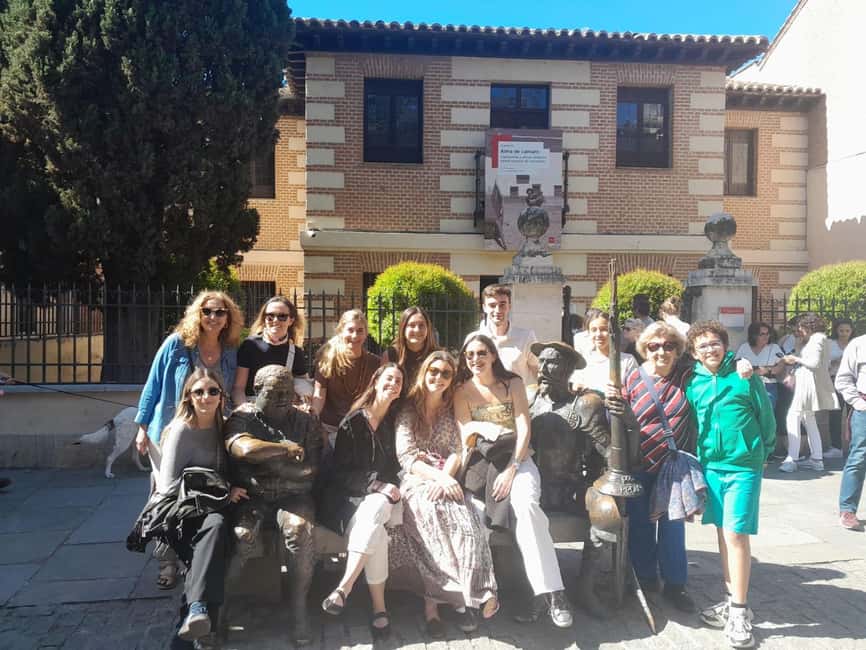
- David Alba’s storytelling: clear, funny, and never stuck in one tone for long
- World Heritage focus: you don’t just look; you learn what makes Alcalá important
- Cervantes moments built into the route: from his birthplace museum to the Oidor chapel
- A smooth walking flow: you start in Plaza de las Bernardas and move toward the University
- A small game included: it helps you remember what you’ve seen
Why Alcalá de Henares feels like a “real” UNESCO day (not a checklist)
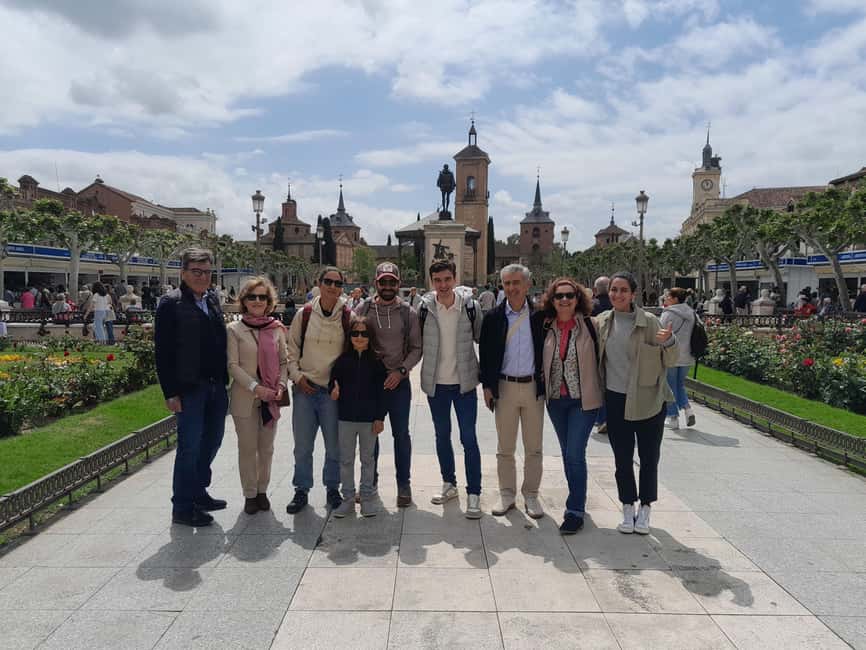
If you’ve ever done a walk where you’re herded from photo spot to photo spot, this isn’t that. The city’s historic center is packed with meaning, and the tour is designed to help you make sense of it as you go. You start gently in a calmer corner and then build toward the places that matter most.
What makes this work well for visitors is the pacing and the selection. You get the main sights, but the guide keeps them connected: why this building exists, what role it played, and how the pieces fit together into the story of an old city that still feels alive today. And since the tour wraps around the Old University area, you finish with a satisfying “this is why we came” feeling.
Price and what you actually get for $11
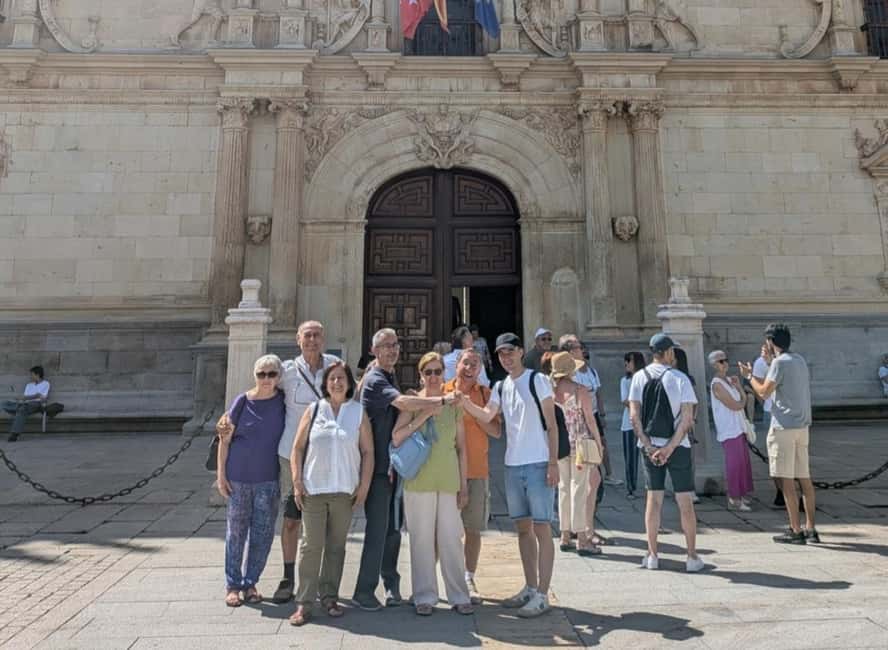
At $11 per person for a 1-day guided experience, you’re paying for two things: direction and interpretation. The guide’s job isn’t just to point. He’s certified and trained in tourism (and is a graduate of the University of Alcalá de Henares), so you get explanations that help you connect each stop to the bigger UNESCO picture.
Also, you’re not stuck waiting in lines. The experience includes skip-the-ticket-line, which matters when you’re trying to do a full historic route without losing momentum. Add in the fact that it’s a walking tour through major landmarks, and the value is pretty clear: you’re buying a guided route that would be slower and more confusing if you were figuring it out on your own.
Getting oriented in Plaza de las Bernardas (the route begins calm)
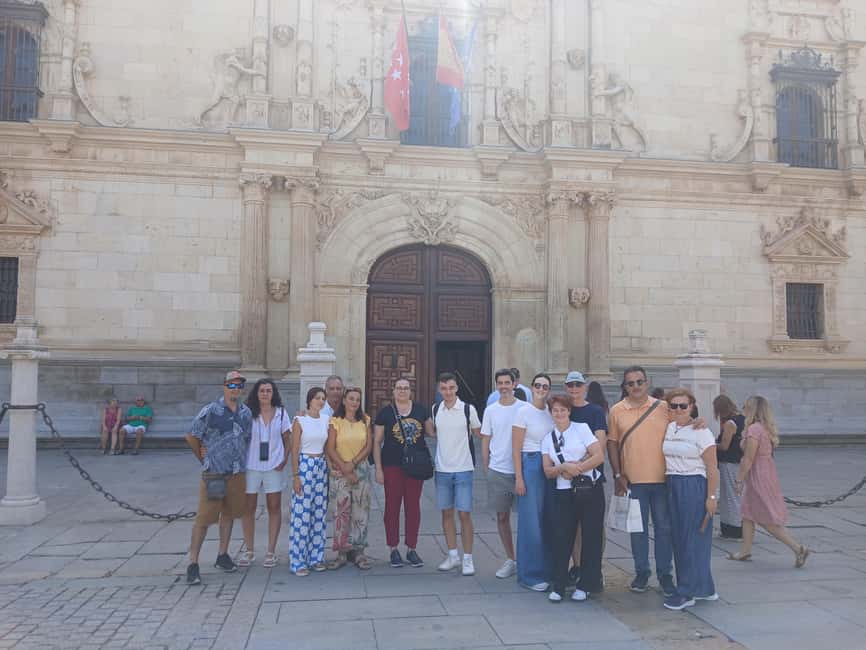
The tour meeting point is at the obelisk in Plaza de las Bernardas. That’s a smart start because it gives you a quieter beginning before the heavier crowds kick in. Even the first little guided segment is meant to help you get your bearings fast: you hear the context for Alcalá before you start seeing the landmarks.
From here, the tour works like a guided storyline. You begin on calmer ground, then you move step by step through the historic core, with each stop acting like a chapter that adds a new layer to the city’s identity. You’ll also see Plaza de las Bernardas itself included as part of the guided time, so you’re not rushing past the start point without meaning.
Practical tip: wear comfortable shoes. The tour is a walking day, and the route links multiple historic points close together, but you’ll still want your feet ready.
Archbishop’s Palace and the power of “how cities are run”
Next up is the Archbishop’s Palace, where the tour includes a guided exterior visit (you get the context without needing to hunt for entry rules). For me, this is one of the best early stops because it shows how leadership shaped the city. Even when you’re only looking from the outside, you can understand that Alcalá wasn’t just a place where people lived—it was organized around institutions and influence.
After that, you pass by the Casa de la Entrevista. It’s brief, but it adds texture to the route. Stops like this are exactly what make a guided tour feel different: the guide isn’t only covering the biggest name attractions. He’s filling in the supporting cast that helps the city feel complete.
Cathedral of the Holy Children and Calle Mayor’s “main street” feeling
When the tour reaches the Cathedral of the Holy Children, you get another dose of institutional history. The stop is guided and short, so you’re not overwhelmed, but you’re learning enough to understand why it matters within the UNESCO setting.
Then comes Calle Mayor, the main street moment. This part is important because it shifts you from individual landmarks into the lived-in flow of the city. Standing on a “main street” helps you picture how people moved through Alcalá day to day, and it’s also a visual bridge between the religious and cultural points ahead.
If you like tours that keep a human rhythm—where you can imagine walking these same streets centuries apart—this section does that job.
Cervantes Birthplace Museum: learning without killing your day
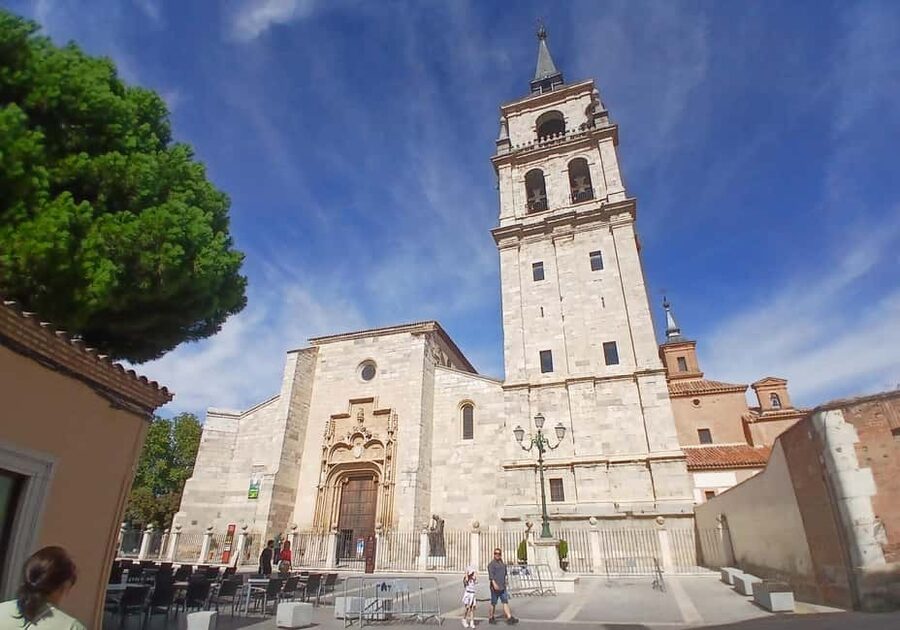
The Cervantes Birthplace Museum is one of the biggest draws on the route, and it fits well into the pacing. The guided visit is designed to be focused, so you get the essential takeaways without feeling trapped inside for too long. It’s also a smart placement in the tour: you’ve already learned the city’s institutional context, so Cervantes feels connected rather than tacked on.
Here’s what I’d watch for as you go: the guide’s explanations aim to link Cervantes to the city’s identity. You’re not just seeing a museum stop; you’re building a connection between the author and the place that produced him.
If you’re a literature fan, this stop is one you’ll remember later. If you’re not, it still works because it’s about how the city became a World Heritage City in part through its cultural legacy.
Old Hospital of Antezana and Cervantes Square’s easy emotional finish
After the museum, the tour visits the Old Hospital of Antezana. This is a smaller stop than the “headline” attractions, but it adds an important angle: cities aren’t only made of chapels and universities. They also care for people, and that shows in the places where health and service were part of the urban identity.
Then you reach Cervantes Square, guided for long enough to let the space register. Squares can feel generic when you’re self-guiding, but with a guide, they become more meaningful. You’re learning how the city’s public spaces relate to the cultural story you’ve been building all morning.
This is also where the tour’s light tone helps. By now, you’ve seen enough to feel oriented, and you’re not just waiting for the big end stop. You’re continuing the narrative.
Corral de Comedias and Capilla del Oidor: culture with a big dramatic payoff
Next is the Corral de Comedias de Alcalá de Henares. Even though the stop is brief, it signals that Alcalá’s cultural life wasn’t only about books in a museum. You’re shown a key performance-related landmark that fits into the city’s broader arts identity.
Then comes the centerpiece moment for many visitors: the Capilla del Oidor (also referred to as the Chapel of the Hearers). This is the only place on the tour where you enter interior space. The tour description makes it clear that you’ll go inside the Capilla del Oidor and where Cervantes’ baptismal certificate is kept—except for the 6:00 pm group, where interior access doesn’t apply.
That certificate detail is the kind of anchor that makes the hour feel worth it. It’s specific, it’s tied to Cervantes, and it gives you something concrete to hold onto as the tour heads toward the University.
Practical note: since you’ll be inside only here, you might want to plan on keeping your attention sharp at this stop. It’s the moment where the tour’s “story” becomes physical.
Old University of Alcalá de Henares: the ending that ties the whole day together
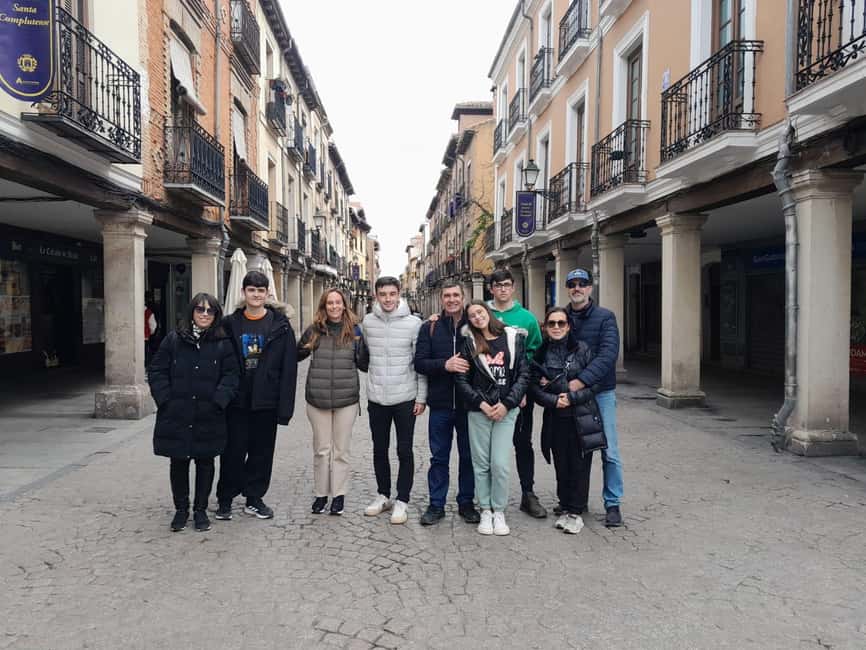
If you ask me where the tour’s real purpose lives, it’s here. The Old University of Alcalá de Henares is the most important segment of the day. The guide explains how it connects to Cardinal Cisneros and why Alcalá became the first University City in the world—at least in the way the tour frames it as a historic milestone.
You also get the bigger UNESCO narrative in plain language: Alcalá as a center tied to the Alcalá of the 3 Cultures idea, plus the city’s long timeline. The guide keeps the flow moving and explains what was and what is, so the University doesn’t feel like a distant idea.
It’s also a good place to end mentally. You’ve moved from squares and streets into institutions and cultural sites, and now you finish where the city’s educational identity takes center stage.
The tour wraps at Plaza de San Diego, giving you a clean end point after the University segment. It feels like the right landing.
The guide experience: why this tour works even if it’s your first time in town
The standout ingredient is David Alba’s style. He keeps things moving, doesn’t waste time, and builds explanations that cover good events, bad events, and contrahistorias, meaning the alternative stories and counterpoints that make history feel less like a single straight line. It’s also described as close and fun, and that matters because Alcalá can be deep once you start looking at it.
The tour also includes a game during the walk. I like these because they turn the day into something you actively track, not just something you passively listen to. By the end, you’re more likely to remember the order of what you saw and why it mattered.
Language note: this is listed as Spanish. The tour description also says that an English tour may be possible by contacting the guide, so if you need English, it’s worth reaching out before you go.
Who should book this Alcalá World Heritage Tour
This is a great fit if:
- you want a structured, one-day introduction to Alcalá de Henares
- you care about Cervantes and want his story tied to specific places
- you prefer a guided walk that stays light and organized
- you’d rather focus on fewer, meaningful stops than squeeze in everything
It might be less ideal if:
- you need the tour in English on the day you book (Spanish is the listed language)
- you’re looking for lots of interior visits (outside visits dominate, with interior access only at the Capilla del Oidor, except for the 6:00 pm group)
- you dislike walking days with short, frequent segments (the tour is built as many small guided stops)
Should you book?
Yes, if you want an efficient, story-driven way to understand why Alcalá de Henares became a World Heritage City and how Cervantes and the University connect to the city’s identity. The price is low enough that you’re not taking a big risk, and the guide-led pacing makes the day feel enjoyable rather than tiring.
If you’re flexible about language and comfortable with mostly exterior viewing, this is one of those tours that helps you leave with names, context, and a clear mental map. For me, that’s the best kind of “value”: you don’t just see things, you understand them.
FAQ
How long is the Alcalá World Heritage Tour?
It’s a 1-day experience.
How much does the tour cost?
The price is $11 per person.
Where do I meet the guide?
Meet at the obelisk in Plaza de las Bernardas. The guide will be wearing a card around the neck that says Discover with David.
What language is the tour?
The tour is listed as Spanish. The description also notes an English tour may be possible by contacting the guide.
Do we enter buildings or is it mainly outside?
Most stops are exterior visits. You only enter the Oidor Chapel (Capilla del Oidor), except for the 6:00 pm group.
What are the main sights included?
The tour includes stops such as Plaza de las Bernardas, the Archbishop’s Palace, the Casa de la Entrevista, the Cathedral of the Holy Children, Calle Mayor, the Cervantes Birthplace Museum, the Old Hospital of Antezana, Cervantes Square, the Corral de Comedias, the Capilla del Oidor, and the Old University of Alcalá de Henares, plus the Arch of San Bernardo and more.
Is there a ticket line to wait in?
The tour includes skip-the-ticket-line.
Is the tour wheelchair accessible?
Yes, it’s listed as wheelchair accessible.