REVIEW · MUMBAI
Cultural & Heritage Trails of Old Town Mumbai Guided Walking Tour
Book on Viator →Operated by Yo Tours · Bookable on Viator
South Mumbai has a way of pulling you forward. This Old Town walking tour is a fast, friendly intro that helps you get your bearings without needing a car or a big plan. It moves at an easy pace through landmarks and working neighborhoods, starting at the Gateway of India and ending at the Queen’s Necklace (Marine Drive), with a storyteller along the way.
What I like most is the mix of famous sights and smaller side streets, so you’re not just photographing postcards. The guide focuses on people and history in a practical way, and you’ll get local tips to save money and spend your time better once you’re on your own.
One consideration: while the tour is generally well-run, there is at least one report of a guide not showing up. If you’re traveling in a tight schedule, I’d still book with enough buffer time and keep an eye on your confirmation.
In This Review
- Key things that make this tour worth your time
- Gateway of India to Marine Drive: the smart, walkable route
- The waterfront opener: boats, statues, and the Wellington Fountain
- Into the lanes: perfume shops, heritage hotels, and local rhythms
- Royal Bombay Yacht Club and the classic theatre stop
- Art galleries, a Jewish synagogue, and an antique library
- The financial heart: Bombay Stock Exchange and the Reserve Bank
- Horniman Circle, Town Hall, and big public buildings
- Ending at Queen’s Necklace (Marine Drive): a perfect closer
- Who the guides are (and why their style matters)
- Price and value: why $12.47 can make sense in Mumbai
- What to expect on the walk (so you’re not surprised)
- When this tour is the best fit for you
- When you might choose something else
- Should you book Cultural & Heritage Trails of Old Town Mumbai?
- FAQ
- FAQ
- Where does the tour start and where does it end?
- How long is the walking tour?
- How much do we walk?
- Is the tour available in different time slots?
- What language is the guide?
- Is food or drinks included?
- Is hotel pickup included?
- What group size should I expect?
Key things that make this tour worth your time
- 1.5 miles / 2 km on foot: short enough to fit sightseeing days without wiping you out.
- Morning or evening options: pick the light that matches your plans and energy level.
- English + Hindi storytelling: the guide style is built for questions and conversation.
- Hidden lanes plus major landmarks: you’ll see big names and also quieter streets off the main flow.
- A guided ending at Marine Drive: finishing with one of Mumbai’s most famous promenades is a strong closer.
- Small group size (max 15): easier to ask questions and stay with the pace.
Gateway of India to Marine Drive: the smart, walkable route
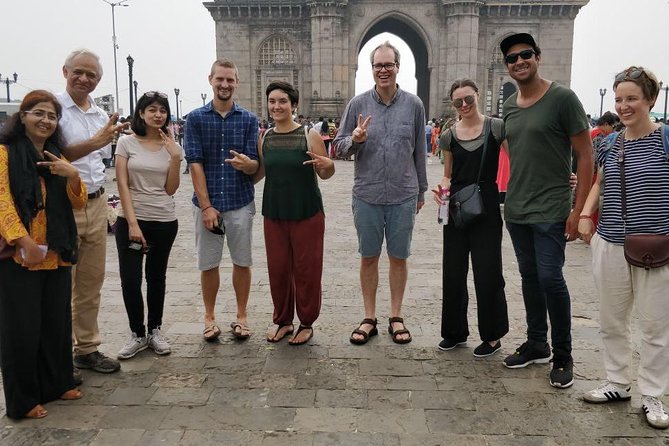
This tour is designed for first-timers and short on time people. It’s roughly 2 hours, and the walking is about 1.5 miles (2 km). That matters in Mumbai, where traffic and distances can eat half a day if you’re not careful. A guided walking loop like this helps you understand where things are, what’s nearby, and why the city grew the way it did—without turning your day into a sprint.
You start at Gateway of India, Apollo Bandar, Colaba, and you end at Marine Drive (the stretch also called the Queen’s Necklace). Along the way, the route threads together waterfront grandeur, colonial-era landmarks, religious buildings, and the financial district’s classic architecture. You get a sense of Mumbai as a layered city: trade and shipping, institutions, and everyday life all in the same walk.
Also, the tour runs as a small group (up to 15), and you can choose either a morning or evening departure. That flexibility is useful because you can match it to jet lag, heat, and your other top sights.
You can also read our reviews of more tours and experiences in Mumbai.

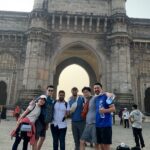
The waterfront opener: boats, statues, and the Wellington Fountain
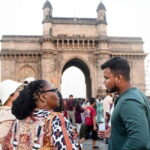
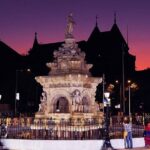
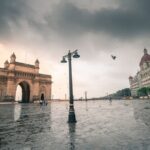
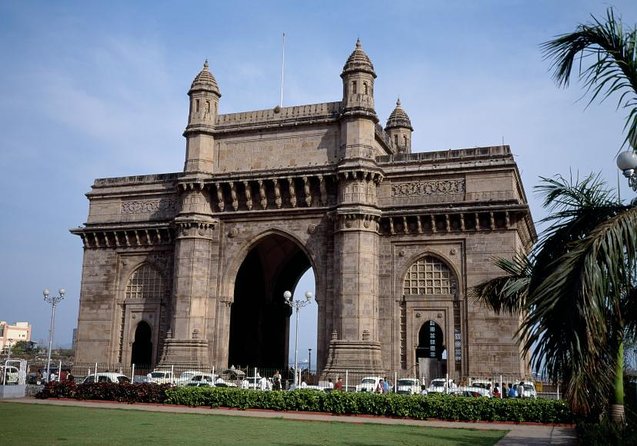
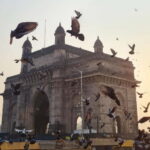
The tour begins at the Gateway of India, and the first moments are about the water and the movement around it—boats, colorful activity, and that iconic landmark view. From here, you’ll also see the Vivekanand and Shivaji Statues and the Wellington Fountain.
Why this opener works: it sets a theme for the whole tour. Mumbai’s old town isn’t just pretty buildings. It’s a port city, tied to arrivals, departures, and trade. Starting at the waterfront gives you context before you head into lanes and interiors.
Practical tip: the meeting point is in Colaba, near public transportation, so it’s easier to get to even if you don’t stay nearby. Still, give yourself a few extra minutes. Mumbai moves fast, and “near transit” can still mean a short walk to the exact spot.
Into the lanes: perfume shops, heritage hotels, and local rhythms
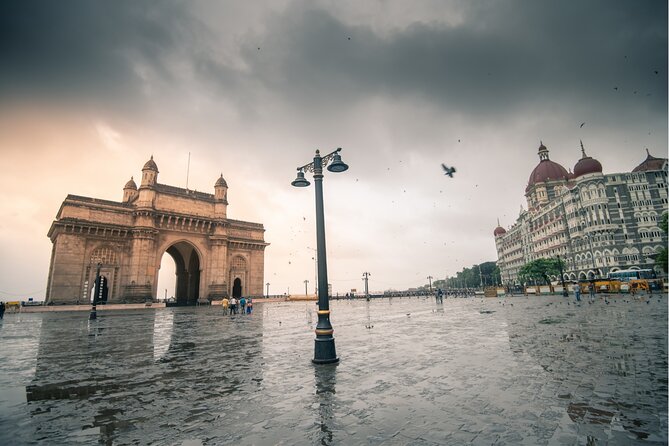
After the big opening landmark, the tour turns into the kind of street-level Mumbai most visitors miss. You’ll walk past a generations-old arab perfume shop and a heritage hotel that’s been a longtime backpacker hotspot.
This is where the tour becomes more than sight-seeing. A good local guide doesn’t just name places; they explain what people do there and how the area’s identity formed. In this case, the perfume shop and heritage lodging area give you a clue about how trade routes, languages, and communities shaped old Colaba.
You’ll then pass the oldest churches in south Mumbai. You don’t get to read every plaque at ground level on your own, so having a guide helps you understand what you’re seeing and why it matters.
And yes, there’s food culture in the mix too. The route includes a stop connected to India’s best-known seekh kebab brand shop. Even if you don’t eat during the tour, it’s a useful reminder that street food traditions are part of heritage here—not a separate category.
Note on meals: food and drinks aren’t included unless specified. So if you have a strong hunger schedule, plan a snack stop before or after, especially since the walk is about 2 hours.
Royal Bombay Yacht Club and the classic theatre stop
Next you’ll explore the Royal Bombay Yacht Club, plus historic buildings along the road, and then the Regal Cinema, described as India’s first air-conditioned theatre.
This is a smart section for two reasons:
- It shows Mumbai as a city of social spaces—clubs, theatres, and public-facing institutions.
- It gives you an easy visual timeline: you can look at buildings and then connect them to stories the guide tells.
The Regal Cinema detail is the kind of fact that sticks. You start noticing how older structures were designed around comfort, crowds, and indoor public life. If you’re the type who likes architecture facts (or just likes knowing why something looks the way it does), this part is fun.
Art galleries, a Jewish synagogue, and an antique library
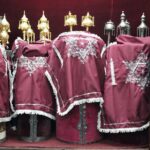
The tour continues into downtown where art and cultural institutions appear along the path. You’ll visit art galleries showcasing different varieties of art, a Jewish Synagogue, and an antique library.
This section helps balance the schedule. Early in the walk, you’ve got port energy and landmark scale. Now you shift into cultural spaces. Even if you don’t go inside every venue for long, you get enough to understand what kind of neighborhood you’re in and what kinds of people and interests show up there.
One advantage of having a guide here: these buildings often look similar from the outside, but their roles are different. With a guide, the differences become clear—religious community, art scene, and book culture each with its own purpose.


The financial heart: Bombay Stock Exchange and the Reserve Bank
Then you move through a section focused on institutions. You’ll see the Bombay Stock Exchange, the Reserve Bank of India, and the Oriental Buildings.
This part isn’t about turning you into an economics student. It’s about showing you how old Mumbai isn’t only colonial-era scenery. It’s still a working powerhouse. When you look at these buildings after hearing the guide’s framing, you understand that modern finance and historic architecture share the same city blocks.
If you’re doing other sightseeing later the same day, this is especially helpful. You’ll know where financial district landmarks sit relative to the older streets, so you won’t feel lost when you’re planning your next ride or walk.
Horniman Circle, Town Hall, and big public buildings
The route keeps building momentum with a set of landmark stops in the downtown area, including Horniman Circle, Town Hall, and St Thomas Cathedral.
These are the kinds of places that look impressive even if you don’t know their story. The guide’s role is to turn that wow factor into understanding—what you’re looking at and how the city used public squares, civic buildings, and religious architecture to create identity.
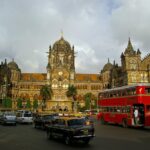
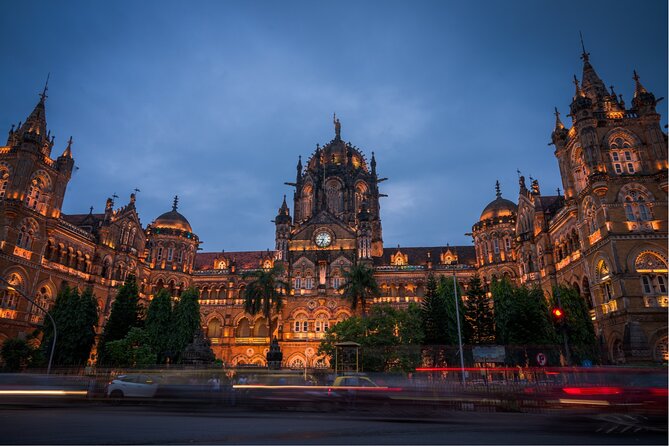
From there you’ll also pass by the Central Telegraph Office and the Western Railway Headquarters. Those names matter because they point to infrastructure and administration—how Mumbai connected itself and ran the city day to day.
If you like cities that function as living systems (not just museums), this set of stops is a good match.
Ending at Queen’s Necklace (Marine Drive): a perfect closer
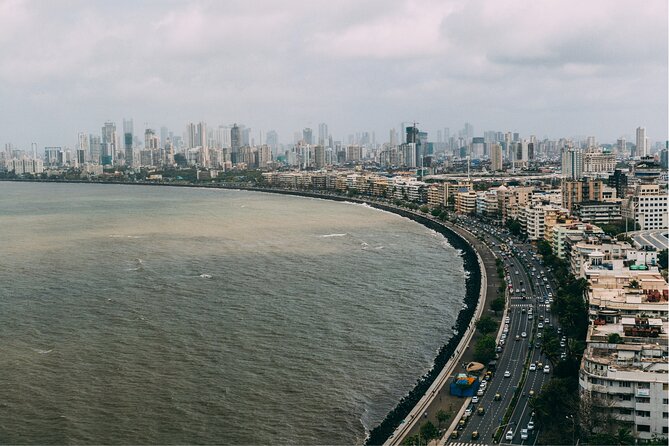
The tour concludes at Queen’s Necklace, commonly known as Marine Drive. It’s one of Mumbai’s most recognizable promenade stretches, and ending here gives you a “reset” after the institutions and architecture.
Why it’s a good finish: it’s a visual reward. You’ve walked through big ideas—ports, finance, civic life, religious spaces—and then you end somewhere people actually stroll, watch, and hang out. It’s an easy place to plan your next move too, whether you’re continuing sightseeing or heading back.
Also, because the tour ends at a major promenade, it’s usually easier to connect to public transport afterward compared with finishing in a quieter lane.
Who the guides are (and why their style matters)
This tour includes a friendly storyteller who speaks English and Hindi and is trained by Yo Tours. That bilingual element matters in a place where you’ll hear lots of languages in public.
What stood out in guidance styles from the experience feedback you provided:
- Akansha: one review mentioned she lives in the city and can explain not just landmarks, but life in Mumbai. That’s the difference between a history lecture and a useful local explanation. Another note: she even helped with getting a phone sorted, which is exactly the kind of small, practical help that can save your day.
- Nisar: another guide-focused review said he shared stories and tips, and also showed more based on your interests. That flexibility makes a group tour feel less rigid.
You should also know the tour can run even when the group is small. There’s a report of it still happening when only one person in the group attended—so the experience isn’t automatically “robot tour or nothing.”
Price and value: why $12.47 can make sense in Mumbai
At $12.47 per person, this tour sits in the budget-friendly range. The value isn’t only the landmarks. It’s the way a local guide compresses a lot of geography and context into two hours.
You get:
- A short walking route that helps you understand the layout of south Mumbai.
- Multiple major landmarks (Gateway of India, Marine Drive, Stock Exchange, central civic buildings).
- Smaller stops (like the arab perfume shop area, synagogue, antique library, and classic theatre details) that you might skip if you’re sightseeing on your own.
- Local tips to save money and explore better after the tour.
If you’re the kind of traveler who likes to walk, ask questions, and build a mental map fast, this price is hard to beat. If you prefer a full-day deep dive with longer museum time, this will feel short. But as an introduction tour, it’s priced to be doable and useful.
What to expect on the walk (so you’re not surprised)
You’re walking around 1.5 miles (2 km) total, and the pace is framed as easy enough for most travelers. Still, it’s a city walk: expect uneven sidewalks, sun depending on time of day, and the usual Mumbai street energy.
Plan simple:
- Wear comfortable walking shoes.
- Bring water, especially if you choose an afternoon or warmer evening slot.
- If you’re sensitive to crowds, remember the group cap is 15, which helps, but it’s still a walking tour through busy areas.
Also, there’s no hotel pickup or drop-off, so you’ll meet at Apollo Bandar in Colaba and finish at Marine Drive. That’s normal for walking tours, but it affects planning.
When this tour is the best fit for you
This tour makes the most sense if you:
- Are a first-time visitor who wants a clear introduction to Old Town Mumbai.
- Have limited time and want to add this into a busy sightseeing day.
- Want a guided path through famous landmarks plus quieter lanes.
- Like learning from a local storyteller in English and Hindi.
It also works well if you’re traveling solo or in a small group. The tour has a small maximum group size, and the experience feedback includes an example where the tour still ran even with a lone participant.
When you might choose something else
You might skip this specific walk if:
- You’re looking for a long, museum-heavy day.
- You don’t enjoy structured city walking.
- You rely on perfect on-time execution with zero schedule flexibility. There is a report of a missed guide in one instance, so buffer your day if it’s critical.
Should you book Cultural & Heritage Trails of Old Town Mumbai?
If you want a useful first map of Mumbai plus stories tied to real streets, I’d say yes. For $12.47, two hours on foot, a guided intro from Gateway of India to Marine Drive, and a small group cap makes it a strong value move.
Book it if you’re curious about how places connect—ports to institutions, churches to theatres, finance to public promenades. You’ll likely finish with a clearer sense of where you are and what to do next.
FAQ
FAQ
Where does the tour start and where does it end?
It starts at Gateway of India, Apollo Bandar, Colaba, Mumbai and ends at Marine Drive (Queen’s Necklace), Mumbai.
How long is the walking tour?
It’s about 2 hours (approximately).
How much do we walk?
The tour involves walking about 1.5 miles (2 kilometers).
Is the tour available in different time slots?
Yes. You can choose between a morning or evening tour time.
What language is the guide?
The guide speaks English and Hindi.
Is food or drinks included?
No. Food and drinks are not included unless specified.
Is hotel pickup included?
No. There is no hotel pickup and drop-off.
What group size should I expect?
The tour has a maximum of 15 travelers.