REVIEW · ROME
From Gladiators to Emperors: Colosseum & Ancient Rome Guided Tour
Book on Viator →Operated by Italy Pass tours · Bookable on Viator
Rome’s big three in one go.
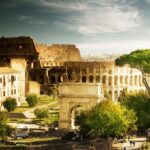
If you want Colosseum, Roman Forum, and Palatine Hill without playing logistics roulette, this 3-hour guided circuit is built for time-pressed visits. You get up close to the UNESCO sites that shaped Roman power—amphitheater, government square, and myth-and-mansion hill—in one smooth morning/afternoon flow.
I really like two things about this tour. First, tickets are included for all three stops, including the Colosseum reservation fee. Second, you travel with an official local guide and a headset, which matters in a busy, noisy place where everyone is craning their necks.
One thing to consider: this experience is strict about names and IDs for entry, and you’ll want to show up at the Arch of Constantine meeting point early enough to find your guide.
In This Review
- Key things to know before you go
- Why this Colosseum and Ancient Rome tour works for a short stay
- Entering The Colosseum with a reserved plan
- Roman Forum: turning ruins into how Rome actually worked
- Palatine Hill: myth, imperial houses, and a view you’ll remember
- How much you’re paying, and whether it’s actually good value
- Meeting point reality: the Arch of Constantine is the start line
- Headsets, radio, and why clear audio matters
- What group size changes (and what it doesn’t)
- Who should book this tour
- The practical checklist I’d use before you go
- Should you book this Colosseum & Ancient Rome guided tour?
- FAQ
- Do I get admission tickets for all three sites?
- How long is the tour?
- Where does the tour start?
- Do I need a passport or ID to enter?
- Can I bring service animals?
- Is food included?
- How far in advance should I book?
Key things to know before you go
- Skip the ticket stress: Colosseum, Roman Forum, and Palatine Hill entrance tickets are included in the price.
- Headsets help: you’ll get audio gear to hear the guide through crowds and echoing stone.
- Small group size: up to 20 people, so questions and pacing are more manageable than huge group tours.
- Know your exact name: the ticket list must match the IDs you show at the Colosseum and Forum.
- Three big stops, timed: about 1 hour at the Colosseum, plus two shorter blocks for the Forum and Palatine Hill.
Why this Colosseum and Ancient Rome tour works for a short stay
Rome can feel like it’s daring you to make a mistake. You show up late, you lose your place. You buy the wrong ticket type, you wait in the wrong line. This tour is designed to reduce that chaos by bundling the main sights into one guided pass with tickets handled upfront.
The best part is how the three stops “talk” to each other. The Colosseum shows Roman spectacle—power performed in public. The Roman Forum shows Roman decision-making—power argued, voted, and preached. Palatine Hill shows Roman residence and myth—power rooted in stories and luxury at the edge of the city.
And because it’s set up as a 3-hour experience, you’re less likely to burn your whole day on one site. You’ll still have time for gelato, side streets, and the kind of walking that turns Rome from a checklist into a place.
You can also read our reviews of more tours and experiences in Rome.
Entering The Colosseum with a reserved plan
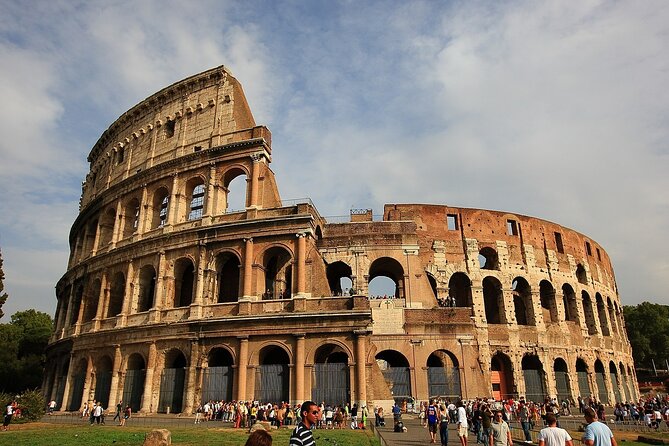
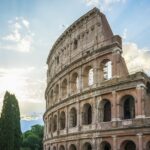
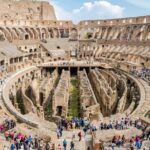
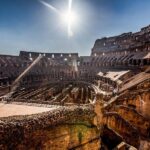
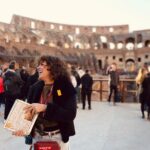
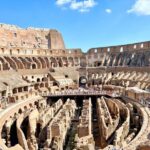
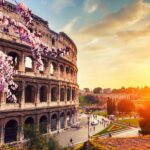
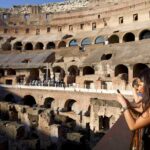
The Colosseum is the star, no question. Your visit focuses on seeing it from the inside out—big arcs, worn stone, and that unmistakable sense of scale when you’re standing where thousands once watched events. Even if you know the basics, a good guide helps you connect what you see to what it meant: spectacle as a political tool, crowd energy as a form of empire.
With a guided block of about one hour, you’re not rushed through like a museum conveyor belt, but you also don’t get stuck lingering while the group waits for photos. That timing is useful because the Colosseum can eat time fast. People slow down for selfies, for the perfect view, for the “just one more look at the arch” moment. One hour keeps it moving while still letting you feel the place.
What you’ll love here:
- Seeing the amphitheater structure up close, rather than just from outside.
- Getting context for emperors and gladiators beyond the headline version.
- The headset setup, which helps you hear the guide even when others stop talking and start snapping photos.
A practical note: the Colosseum and Roman Forum are entry-critical. Your ticket name has to match your ID. If you’re traveling with more than one person, double-check the full names you provided during booking. This is the kind of detail that can ruin a day.
Roman Forum: turning ruins into how Rome actually worked
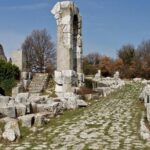
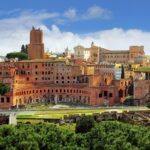
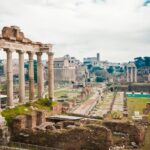
The Roman Forum isn’t just “more ruins.” It’s where Rome did the daily business of power—public speeches, elections, religious ceremonies, and celebrations all in the same general space. The Forum started as a marketplace and gradually became Rome’s core public area, ringed by government buildings and major temples.
In a 45-minute guided stretch, the guide’s job is to help your brain map the space. You’ll likely notice the way the Forum feels like a set of layers: commerce, politics, religion, and public performance all overlapping. And once you understand that, the ruins stop looking random.
Expect the guide to point out major landmarks and functions around the Forum, such as:
- Government and administrative spaces like the Senate House area (Curia)
- Religious sites like the Temple of Saturn and Temple of Vesta
- Public-presentation architecture like the Rostra (a platform associated with speeches)
- Monumental markers like the Arch of Septimius Severus
My advice for getting the most value in the Forum: slow down just enough to read the “why.” Ask yourself: where would someone stand to speak? Where would people gather to vote or witness ceremonies? You don’t need to memorize dates. The goal is to feel how the Forum served as Rome’s stage for public life.
Potential drawback to watch for: the Forum can be physically uneven and visually busy. If you’re prone to rushing, you might miss the meaning the guide is giving the place. Take short breaks to look, then move on.
Palatine Hill: myth, imperial houses, and a view you’ll remember
Palatine Hill sits about 40 meters above the Roman Forum, so you get an elevated perspective that changes how you understand everything below. It’s one of Rome’s oldest areas—the sort of place where myth and real buildings share the same ground.
Roman mythology places the founding of Rome here, with Romulus in the story. And in real-world terms, Palatine Hill is packed with archaeological remains from different periods of Roman life, including the ruins connected with imperial residences such as the House of Augustus and the House of Livia.
You’ll have about 45 minutes on Palatine Hill. That’s enough time to:
- See key ruins without feeling like you’re disappearing into a full archaeological marathon.
- Step away and look out over the Forum and Circus Maximus from the hilltop views.
This stop is great for a specific reason: it helps you “zoom out.” In the Colosseum you’re inside Roman spectacle. In the Forum you’re at Roman public life. On Palatine Hill you’re above it, seeing how the city was arranged around power.
If you like photos, bring patience. Some views are popular for a reason, but the best shots usually come after a few minutes of waiting for the crowd flow to shift.
How much you’re paying, and whether it’s actually good value
The price is $62.48 per person, and the tour includes entrance tickets for the Colosseum, Roman Forum, and Palatine Hill (with stated value around €18 per person) plus the Colosseum reservation fee (about €2 per person). The rest of the cost covers the guide, headset use, and the “we’ll handle the entry experience” service.
So here’s the value angle in plain terms:
- If you’re the type who hates sorting out timed entries and ticket rules for three sites, you’re paying for that stress reduction.
- If you want a guide to connect what you see across the Colosseum, Forum, and Palatine, you’re paying for interpretation—not just access.
Is it the cheapest way to see these places? Usually not. But it often ends up being the easiest way to see them in one coherent route, without spending your limited Rome time stuck in “where do I stand?” moments.
And that matters. Rome isn’t short on sights. It’s short on time.
Meeting point reality: the Arch of Constantine is the start line
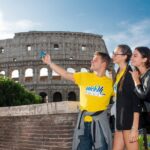
This tour starts at the Arch of Constantine, at Piazza del Colosseo (and ends back there). That’s a good location because it’s well-known and easy to anchor on a map.
Still, a meeting point is only “easy” if you arrive early and give yourself a few minutes to find your guide. Some people run into issues when they arrive right at the cutoff and the guide has already organized the group. If you want this tour to feel smooth, plan to be there a bit ahead of time.
A tip that’s worth more than it sounds: when you arrive, don’t just wait in one spot. Walk the immediate area, look for the group vibe, and confirm with staff if you’re unsure. It’s better to spend 3 minutes checking than lose the whole visit.
Headsets, radio, and why clear audio matters
The tour includes a headset so you can hear the guide as you move between stops. In theory, that’s ideal. In practice, it means you should check your setup early—volume, fit, and whether you can hear clearly before the group starts to walk.
If the audio sounds wrong, fix it fast rather than hoping it improves. Once you’re inside the Colosseum flow or crossing open spaces in the Forum, it’s harder to stop and troubleshoot. Quick action saves the tour from becoming a silent walk where the guide is mostly a shadow.
What group size changes (and what it doesn’t)
The maximum group size is 20 travelers. Smaller groups usually mean:
- More room to ask questions.
- Less waiting around for someone who needs a bathroom break (everyone needs one; Rome is that kind of place).
- Better pacing between the Colosseum, Forum, and Palatine Hill.
But it doesn’t mean you’ll roam freely. This is still a guided schedule with timed entry blocks. If you’re the type who wants total control—wander off whenever you want—this may feel a bit structured.
Who should book this tour
This fits best if you:
- Are visiting Rome for the first time and want the big three ancient sites without building a mini-project plan.
- Want a guide to connect the dots between spectacle (Colosseum), public life (Forum), and imperial roots (Palatine Hill).
- Like a clear route with a steady pace, so you don’t lose the day to ticket counters and backtracking.
It might be less ideal if you:
- Have zero interest in context and want a self-paced photo sprint.
- Are very sensitive to hearing or communication issues and need perfect audio at all times.
The practical checklist I’d use before you go
To keep your day from getting derailed, do these things:
- Bring a passport or ID that matches the full names on your booking.
- Double-check the spelling of each traveler’s name during booking. Matching matters at the Colosseum and Roman Forum.
- Arrive at the Arch of Constantine meeting point early enough to find your group.
- Wear shoes you trust on uneven ground. The Forum and hill areas are not smooth.
- If you get the chance, test your headset volume at the start.
These are small steps with big payoff.
Should you book this Colosseum & Ancient Rome guided tour?
I’d book it if you want the simplest path through Rome’s most famous ancient landmarks, with tickets included and an official guide to give meaning to what you’re seeing. The best value here is not just entry—it’s the way the three stops fit together into one story.
I’d skip it or at least go in with extra caution if your travel plans are fragile around names, IDs, and meeting time, because this tour is entry-critical. If you’re organized and you’re on time, it’s a strong way to spend a limited Rome window.
If your goal is: see the Colosseum, understand the Forum, then look down from Palatine Hill—without turning your day into a logistics problem—this is the kind of tour that makes Rome feel doable.
FAQ
Do I get admission tickets for all three sites?
Yes. Entrance tickets are included for the Colosseum, Roman Forum, and Palatine Hill, along with the Colosseum reservation fee.
How long is the tour?
The duration is approximately 3 hours.
Where does the tour start?
The meeting point is at the Arch of Constantine, Piazza del Colosseo, 00184 Roma RM, Italy.
Do I need a passport or ID to enter?
Yes. Each traveler must present a valid passport or ID document that matches the name provided at booking.
Can I bring service animals?
Yes. Service animals are allowed.
Is food included?
No. Food and beverage are not included.
How far in advance should I book?
On average, this tour is booked about 65 days in advance. You can book based on availability.