REVIEW · GUANGZHOU
Private Historical Tour: Guangzhou City Sightseeing Including Lunch
Book on Viator →Operated by Hantang International Travel Service · Bookable on Viator
Guangzhou history hits hard, in a good way. This private day tour packs in Chen Clan Temple and the Nanyue King tomb (20 meters underground), then balances it with Buddhist giants at Six Banyan Temple and a peaceful walk on Shamian Island. I especially liked the English-speaking guide who kept the details clear, and the smooth door-to-door transport. One thing to keep in mind: the schedule is busy, so you won’t linger at every stop the way you might on a slower, self-guided day.
I saw a pattern in the day: you get big, iconic sights, but you also get the “why” behind them, without getting lost in logistics. If you end up with a guide like Kevin Ling or Nora (both names that have shown up for this tour), you’re likely to get lively, practical explanations that make the sites easier to picture. Wear comfy shoes. You’ll walk a moderate amount, and you’ll want the day to feel easy, not tiring.
In This Review
- Key points worth your attention
- Chen Clan Temple: a deep look at Cantonese craft
- The Nanyue King Tomb: history you can’t fake
- Six Banyan Temple and the Flower Pagoda: big Buddhism, bigger craftsmanship
- Cantonese lunch in a local setting: good fuel, sometimes a simple room
- Shamian Island: colonial streets with a river breeze
- Shangxiajiu pedestrian street: a practical stretch after temples
- Price and logistics: what you’re paying for
- What the day feels like in motion
- Who should book this tour
- Should you book this Guangzhou private historical tour?
- FAQ
- FAQ
- How long is the Guangzhou private historical tour?
- What time does the tour start?
- Is hotel pickup and drop-off included?
- Is lunch included, and what kind is it?
- Are admission tickets included?
- What’s included in the price besides transport and guide?
- What is not included with the tour?
- Is this a private tour?
- Is there a cancellation option if my plans change?
Key points worth your attention
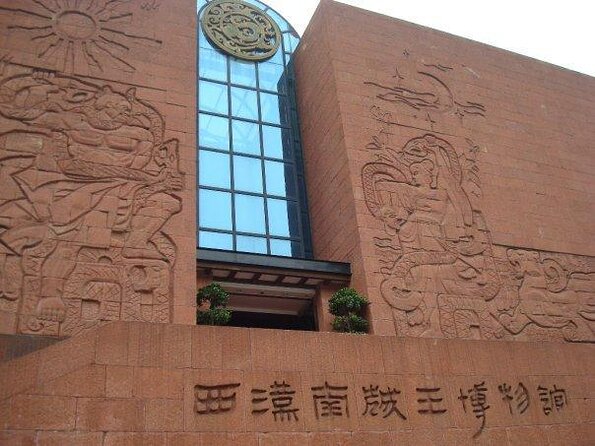
- Chen Clan Temple + Guangdong Folk Art Museum: carvings and arts in one stop
- Nanyue King tomb: seven chambers and more than 1,000 burial artifacts, 20 meters down
- Six Banyan Temple: three towering copper Buddhas plus the Flower Pagoda
- Shamian Island: restored colonial streets by the Pearl River and White Goose Pool
- Hotel pickup with private vehicle: real time-saver in a city as large as Guangzhou
Chen Clan Temple: a deep look at Cantonese craft
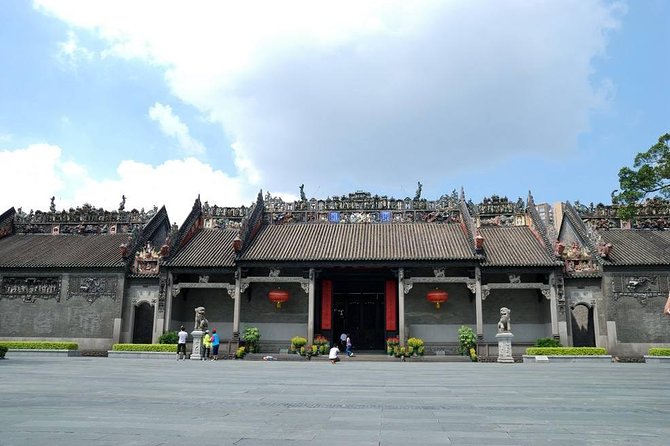
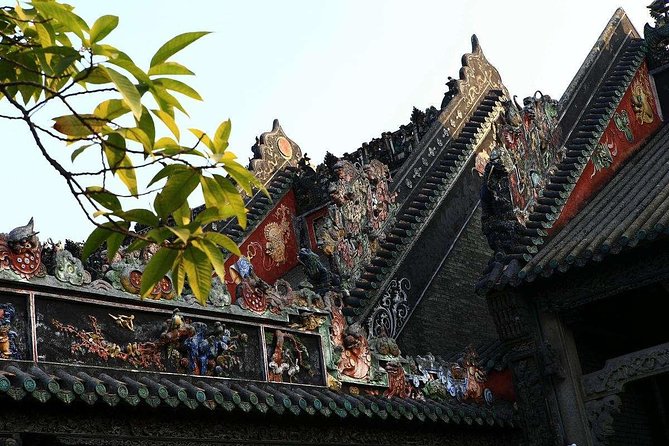
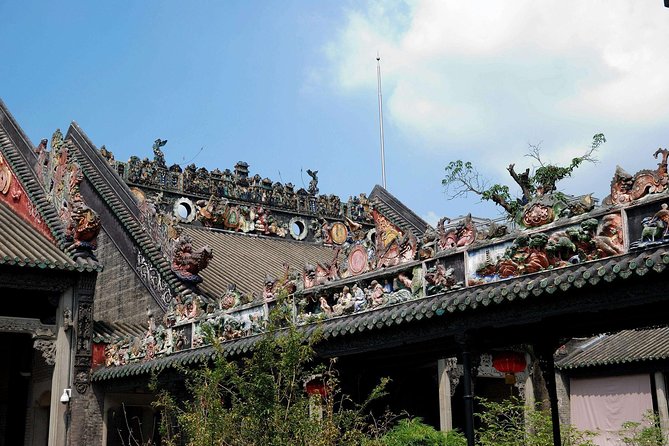
Chen Clan Temple is the kind of place where your eyes start moving before your brain catches up. The ancestral hall (built in the early 1890s) is famous for its fine carvings—wood, brick, and even ivory details—and for the way the interior beams and columns are built with care. It doesn’t feel like a random monument. It feels like a workshop turned into a storytelling machine.
What I like most is that you’re not just looking at old stuff. The temple now houses the Guangdong Folk Art Museum, so the carvings connect to real objects and design traditions. You can see examples tied to Cantonese craftsmanship such as traditional ink and embroidery designs, plus rare prints and ceramics. The museum angle helps you slow down just a bit and focus on the human side of history: how people expressed identity through art.
Practical tip for your visit: treat the stop as “detail time.” From the street, Chen Clan Temple grabs you with architecture. Inside, it rewards patience. You don’t need to memorize everything your guide says, but it helps to keep asking simple questions like what you’re seeing and why it matters. If you’re the kind of traveler who likes photos, this is a strong place to stop and frame shots before you move on.
A possible drawback: since the day is full, you’ll likely have about an hour here. That’s enough to enjoy the best parts, but it’s not enough to study every carving like an art historian.
You can also read our reviews of more tours and experiences in Guangzhou.
The Nanyue King Tomb: history you can’t fake
Then comes the stop that really changes the tone of the day: the Museum of the Western Han Dynasty Mausoleum of the Nanyue King, tied to the royal Nanyue tomb complex at Xianggang Hill. This site is on another scale. You’re going down to where the tomb sits—about 20 meters underground—and into seven chambers filled with more than 1,000 burial artifacts.
The tomb museum is the kind of place where your guide’s pacing matters. Get the story first, then look at the objects. The guide’s explanations can turn what would be static displays into a timeline you can actually picture. One detail that stands out is the burial garment linked to King Zhao Mo, described as made from more than 2,000 pieces of jade connected by silk thread. It’s the sort of fact that makes you realize how elaborate court life could be even so far back.
Why this stop is valuable for you: it anchors the day in the city’s older core. Guangzhou (formerly Canton) didn’t become important just because of modern trade. You’re seeing early power, early identity, and the way rulers wanted to be remembered. If you’re a first-timer, this gives you context that makes the later religious sites feel less random.
A consideration: underground spaces can feel cooler or dimmer. Bring a light layer if you run cold easily, and keep your pace steady. This stop also tends to move along within about an hour, so aim to absorb the big artifacts rather than trying to read every label word for word.
Six Banyan Temple and the Flower Pagoda: big Buddhism, bigger craftsmanship
Six Banyan Temple dates to 537, and it shows. This is a Buddhist cultural site where the main hall enshrines three copper Buddha statues, each described at around 20 feet (6 meters) high—specifically noted as the largest of their kind in Guangdong Province. When you stand in front of them, the scale makes the lesson obvious: this wasn’t built to be polite. It was built to be seen.
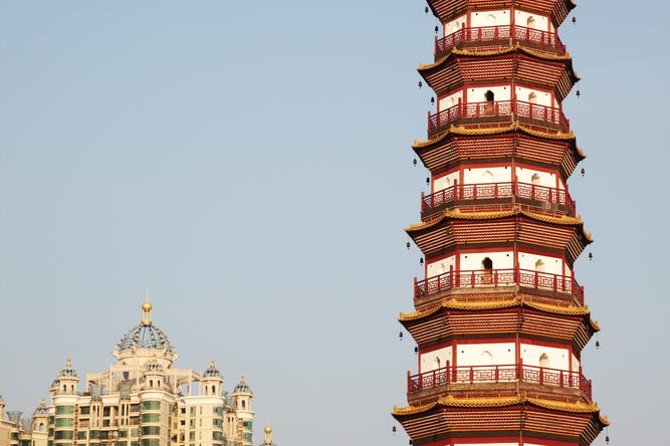
Then you shift your attention to the Flower Pagoda. The pagoda rises about 184 feet (56 meters), with colorful exterior carvings and a copper top piece cast in the Yuan Dynasty period (1271–1368). Even if your brain is tired from all the history you’ve taken in so far, the pagoda gives you a visual payoff. It’s easier to process than a list of facts.
For you, the value here is contrast. The tomb gives you power and ritual from a royal world. Six Banyan Temple brings you into an ongoing religious tradition, visible in objects and architecture that have survived for centuries. And the Flower Pagoda adds another layer—craftsmanship across eras, not just one moment in time.
Small advice before you go: this is a temple area. I’d dress respectfully and keep your voice down. If you want photos, watch where other visitors stand and ask your guide when it’s best to move. With a full-day format, those little timing choices prevent frustration.
A practical drawback: with only about an hour scheduled, you’ll see the highlights. You won’t have time for a long “wander and read everything” visit.
Cantonese lunch in a local setting: good fuel, sometimes a simple room
After the tomb, you stop for a traditional Cantonese lunch at a local restaurant. The tour keeps it straightforward: you’re not doing a formal food tour where every dish is explained. You’re eating, recharging, and then heading back into sights.
What I like about this setup is that it’s efficient and culturally grounded. Cantonese food is part of the Guangzhou identity, and a sit-down lunch prevents the day from turning into one long snack run. In past experiences with this tour, the meal has been described as dim sum–style and delicious, so there’s a good chance you’ll get that familiar variety Cantonese menus are known for.
Now, the honest consideration: the lunch spot can be more basic in feel than the rest of the day. One previous experience pointed out that the dining room felt run down, even though the food was still fine. So if you’re picky about ambiance, treat lunch as functional—focus on the taste and the break, not the decor.
My best tip: go into lunch hungry and keep your expectations practical. If you’ve got dietary needs, handle them in advance when you book, because the included lunch isn’t designed as a custom menu.
Shamian Island: colonial streets with a river breeze
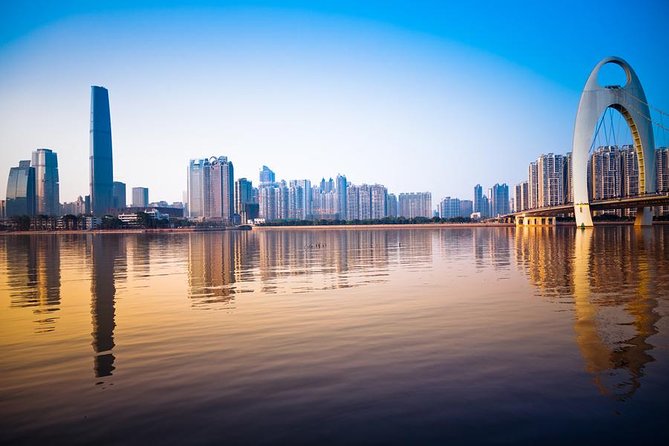
After Buddhism, the mood softens at Shamian Island. This small oval islet covers about 0.3 square kilometers and sits between the Pearl River and White Goose Pool. The island is known for its mid-19th century role as an enclave for prosperous expat traders, and that era is still visible in Western-style mansions and churches.
Today, Shamian Island is where you can reset your brain. Cafes and boutiques line restored colonial buildings, and the streets feel made for wandering. This is a perfect counterweight to the heavier history stops. You’re not just walking—you’re seeing layers of Guangzhou as a trading city that interacted with the wider world.
For you, Shamian is also valuable because it gives you a calmer pacing choice. With the private vehicle waiting, you can take your time crossing open space and letting the scenery do its job.
Quick practical tip: it’s a walking stop, but it’s also easy to break into smaller moments—cross a street, pause by a restored facade, grab a drink if you want. In hot weather, that flexibility helps.
Shangxiajiu pedestrian street: a practical stretch after temples
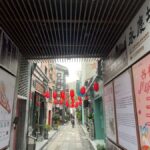
The day doesn’t end the moment you step off Shamian. There’s often time set aside for a walk on Shangxiajiu Pedestrian Street, a well-known car-free shopping area in Guangzhou. The point here isn’t to shop like crazy. It’s to get a sense of the city’s everyday energy and how history and commerce overlap on street level.
This is the part of the day where you’ll feel the scale of Guangzhou. It’s a big city, and you’re seeing a concentrated slice: lots of movement, lots of storefronts, and a place that can help you buy small souvenirs without making planning a second job.
Consideration: if you love museums and hate crowds, keep your goals simple. Walk through, take a few photos, maybe pick up something small, then stay ready to head back.
Price and logistics: what you’re paying for
At $239 per person for a private, 8-hour tour, the price is not “cheap.” It’s also not random. You’re paying for three things that matter in Guangzhou:
1) Door-to-door time savings.
With hotel pickup and drop-off plus a private air-conditioned vehicle, you avoid the friction of figuring out routing and transfers for multiple far-apart locations.
2) English guidance at the key stops.
Chen Clan Temple, the Nanyue tomb, and Six Banyan Temple each have details you’ll miss without context. A guide helps you connect what you see to the story behind it.
3) Admission tickets are included.
Entrance tickets are part of the package for the main sights, which makes the day easier to budget.
When it’s worth it: if you only have one full day and you want the best historical sites with minimal stress, this private format is a strong value. Guangzhou is large—on the order of 17 million people—so having a driver and a plan is genuinely calming.
When you might skip it: if you’re comfortable navigating the city on your own and you’re okay paying for taxis to move between sites, you could DIY for less. One drawback from past experiences is that the tour can feel expensive compared to easier transport options. I think that critique makes sense only if you don’t care much about English interpretation or you’re fine reading labels yourself.
What the day feels like in motion
This tour runs from 8:00 am and lasts about 8 hours, with a moderate amount of walking. That matters because it shapes your energy. You’ll likely spend around an hour at each major stop, then move by vehicle between them.
I like this pacing because it prevents the “too many hours, not enough seeing” problem. You get a clear order: temple art, royal tomb, Buddhist giants, river-island calm, then a street-walk finale.
But be realistic: it’s not a slow travel day. If you want to sit and absorb quietly for two hours in one museum, you’ll need to book longer individual visits on another day.
My advice for your comfort:
- Wear comfortable walking shoes (you’ll appreciate them at Shamian and on the pedestrian street).
- Keep water handy since drinks aren’t included (the lunch is included, but food and beverages beyond that aren’t part of the deal unless specified).
Who should book this tour
This private historical loop is ideal if:
- you’re visiting Guangzhou for the first time and want the highlights without planning headaches
- you like history that’s tied to objects and architecture, not just general descriptions
- you want an English-speaking guide to connect the dots between places
- you prefer hotel pickup and a driver to handle timing and traffic
It may not be ideal if:
- you’re on a strict budget and don’t want to pay for private transport
- you hate a packed schedule and prefer to stay longer at fewer sites
- you want a food experience where the guide talks through every dish for a full meal (the included lunch is meant to fuel the itinerary, not turn into a long tasting lecture)
Should you book this Guangzhou private historical tour?
If your goal is a confident one-day overview of Guangzhou with major sites and English explanations—plus real time-savings from hotel pickup—then I’d book it. The combination of Chen Clan Temple, the Nanyue tomb underground complex, Six Banyan Temple with its copper Buddha trio, and Shamian Island hits a nice balance of power, religion, and street-level contrast.
The only reason not to book is if you strongly dislike tight scheduling or you’d rather spend that money on slower, DIY exploration. If that’s you, plan a self-guided day with separate transport between a smaller number of stops.
FAQ
FAQ
How long is the Guangzhou private historical tour?
It’s approximately 8 hours.
What time does the tour start?
The start time is 8:00 am.
Is hotel pickup and drop-off included?
Yes. Round-trip hotel transport by a private vehicle is included.
Is lunch included, and what kind is it?
Yes. The tour includes a Chinese-style lunch at a local restaurant, described as traditional Cantonese lunch.
Are admission tickets included?
Yes. Admission tickets are included for the main stops (and Shangxiajiu Pedestrian Street is free).
What’s included in the price besides transport and guide?
A professional English-speaking guide, private air-conditioned vehicle transport, the included lunch, and admission tickets are part of the package.
What is not included with the tour?
Food and drinks are not included unless specified, and cruise port pickup/drop-off is not included.
Is this a private tour?
Yes. It’s a private tour/activity, and only your group participates.
Is there a cancellation option if my plans change?
Yes, you can cancel for a full refund up to 24 hours before the experience’s start time.