REVIEW · SAMARKAND
Ancient and Modern Tour in Samarkand with Transport
Book on GetYourGuide →Operated by UniqueUzTravel · Bookable on GetYourGuide
Five hours in Samarkand, and your camera finally feels prepared. I like how this tour strings together the city’s biggest Silk Road monuments in one smooth run, and I really like the photo-spot guidance that helps you get good angles without wandering aimlessly. The only real drawback: entry tickets aren’t included, so you should budget extra cash for sites once you arrive.
The experience is built for real sightseeing with transport (sedan or minivan) and a professional guide in English and Russian. In reviews, guides like Bekjon stand out for being patient, answering questions, and adapting on the fly—especially if you want to focus on certain places or need schedule tweaks. If you prefer slow travel and deep museum time, this may feel a bit fast, but as a “see the classics” day, it’s a strong value.
In This Review
- Key Takeaways Before You Go
- Silk Road Icons Plus Everyday Bazaar Life
- Starting at Gur Emir Mausoleum (Where the Day Gets Big)
- The Tram Interlude: A Breather Between Masterpieces
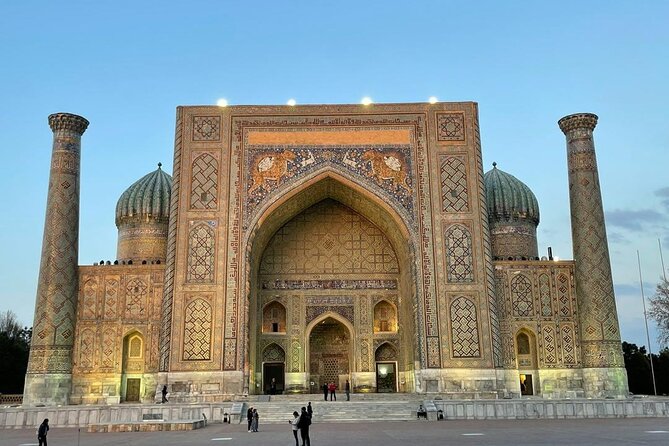
- Registan Square: Samarkand’s Most Recognizable Face
- Bibi Khanym Mosque: A Giant in Central Asia
- Hazrat Khizr Mosque: A First-Religious-Roots Moment
- Central Bazaar Siyab: Where Samarkand Smells Like It Lives
- Shah-i-Zinda: Mausoleums, Legends, and Great Light
- “Ancient and Modern”: How the Contrast Shows Up
- Guides, Flexibility, and Why It Makes the Day Better
- Price and Tickets: What $40 Really Covers
- Getting the Timing Right (Especially in Summer)
- What to Bring and How to Dress
- Who This Tour Suits Best (And Who Should Rethink It)
- Should You Book This Tour?
- FAQ
- How long is the Ancient and Modern Tour in Samarkand with Transport?
- Where is the meeting point?
- What time does the tour start?
- Is transport included?
- What language is the guide?
- Are entry tickets included in the price?
- Will I have time at the bazaar?
- Do I need modest clothing for mosques?
- Is this tour suitable for wheelchair users or people with medical conditions?
Key Takeaways Before You Go
- Gur Emir to Shah-i-Zinda: major Timur-era stops, all tied to the Silk Road story
- Bilingual guiding (English/Russian) with clear explanations and plenty of room for questions
- Photo guidance at monuments so you know where to stand and what to notice
- Central Bazaar Siyab time for bread, spices, and the everyday side of Samarkand
- Flexible focus and timing based on what you care about most
- Transport included so you spend less time negotiating rides and more time looking
Silk Road Icons Plus Everyday Bazaar Life
This is a “greatest hits” tour with a smart twist: you don’t only see monuments carved in tiles and legend. You also get time at Central Bazaar Siyab, where Samarkand feels alive—spices, dried and fresh goods, and the kind of smells and textures that don’t show up in a postcard.
You’ll start at the iconic Gur Emir Mausoleum, then work your way through the city’s most famous sacred and architectural landmarks. The tour is designed so you can connect the dots: Timur’s power, religious life, and the trading crossroads identity of Samarkand.
You can also read our reviews of more tours and experiences in Samarkand.
Starting at Gur Emir Mausoleum (Where the Day Gets Big)
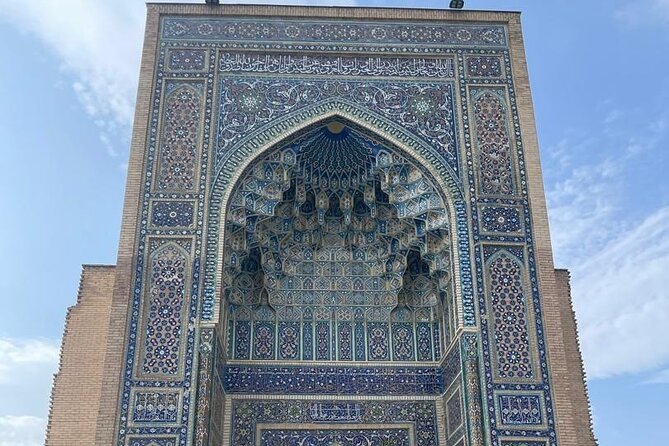
You meet at the entrance of the Gur Emir Mausoleum, and that’s a good move. The first stop sets the tone fast—this is a medieval mausoleum known for the gilded interior decoration and for being built for Tamerlane and his male descendants.
Why it matters for your visit: you’ll quickly understand that Samarkand’s monuments weren’t built just to impress tourists. They were statements—about rule, belief, and legacy—meant to last.
Practical tip: plan for photos early. In the morning (especially in summer when starting earlier is recommended), the light can be more forgiving and crowds may be lighter.
The Tram Interlude: A Breather Between Masterpieces
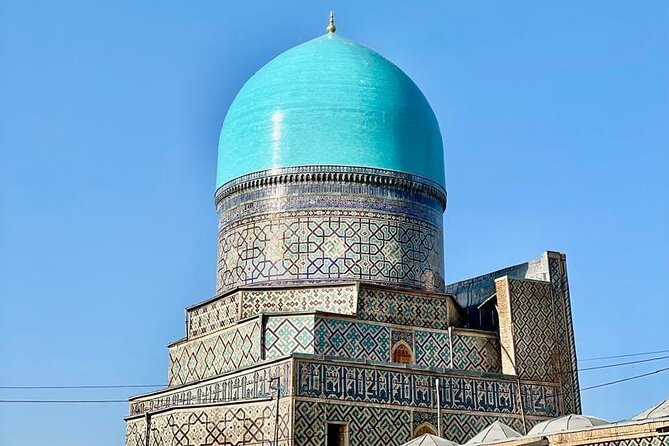
In the schedule there’s a tram segment (about 1 hour). Think of it as your reset: a way to move between sights without turning the whole day into nonstop walking or constant seat-switching in taxis.
This part is useful if you’re the type who gets “monument fatigue.” You’ll still be in the city and still moving through the day’s storyline, but you get a chance to rest your legs and keep your energy for the bigger architectural stops later.
Registan Square: Samarkand’s Most Recognizable Face
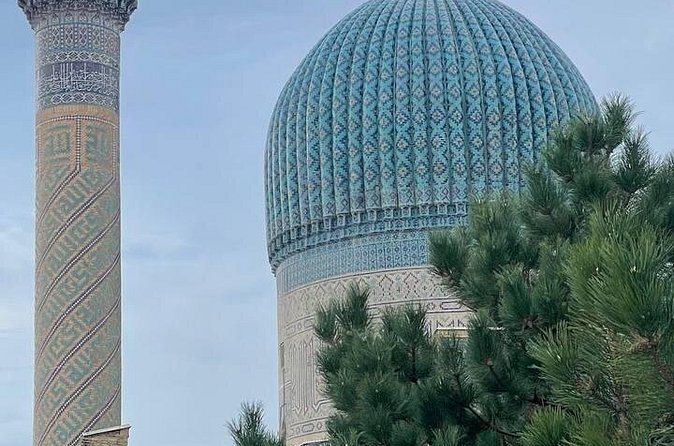
Registan is the city’s signature. It’s often described as the visit card of both Samarkand and Uzbekistan, and after you see it, you’ll understand why people remember it.
This complex is the kind of place where architecture does more than decorate. It frames space, guides your sightline, and makes you feel like you’ve stepped into a planned stage set. Expect to spend time taking in the scale, the tilework, and the way the buildings create a strong visual rhythm.
What to watch for: don’t just photograph from one angle. Move a few steps and notice how the view changes. A good guide will point out places to stand for photos so you don’t waste time testing positions with no payoff.
Bibi Khanym Mosque: A Giant in Central Asia
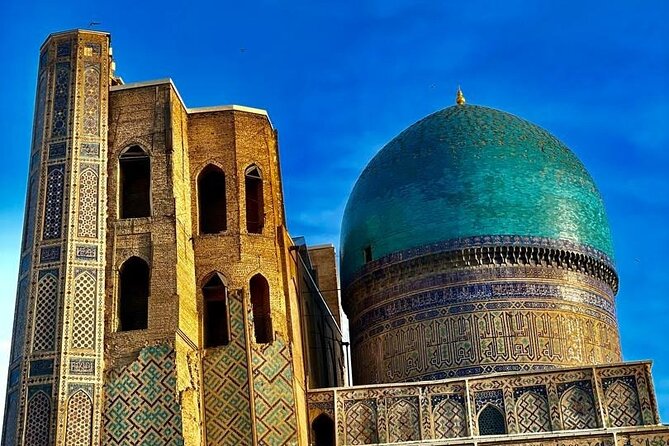
Next up is Bibi Khanym Mosque, described as one of the largest in Central Asia (and even extending in influence across the region toward Iran). It was built by Tamerlane’s beloved wife in honor of the victory over India.
This stop helps you see Samarkand as more than Timur’s personal story. It shows how victories, politics, and devotion fed each other—and how grand religious buildings were used to project meaning.
Mosque note: there’s no strict dress code for Uzbekistan, but when you enter mosques you should dress modestly—cover legs and shoulders. You don’t need formal clothes, just plan ahead so you don’t get stuck in awkward compromises.
Hazrat Khizr Mosque: A First-Religious-Roots Moment
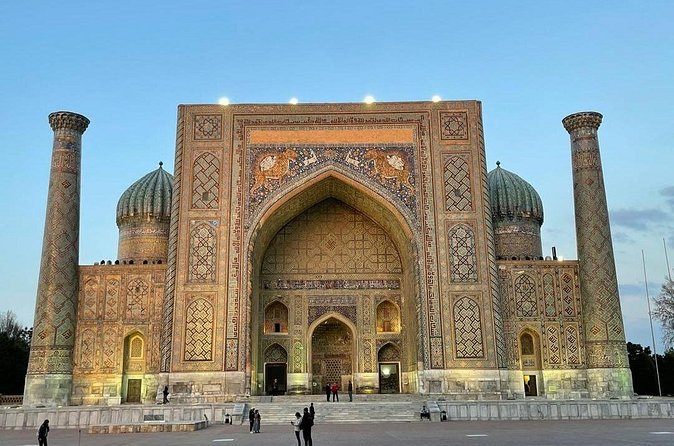
The Hazrat Khizr Mosque is listed as the first mosque of Samarkand, and the tour includes the detail that it’s where the first President of the Republic was buried.
That combination—early sacred tradition plus modern national memory—is exactly why this tour is billed as ancient and modern. You don’t just get a timeline of buildings. You get a timeline of what the city chooses to remember.
If you like context, this is a good stop. A strong guide will help you connect why certain names and sites keep showing up across centuries.
Central Bazaar Siyab: Where Samarkand Smells Like It Lives
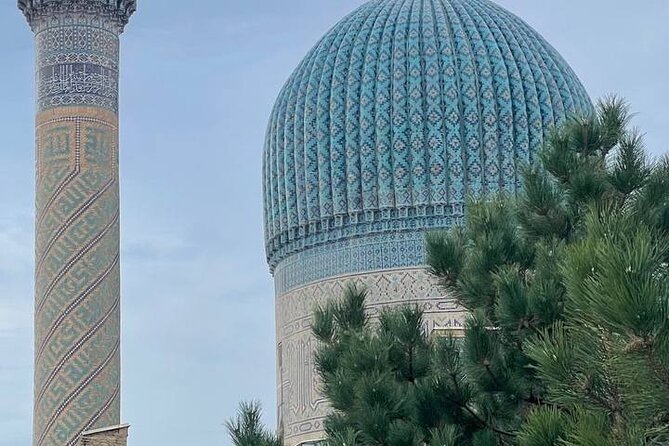
Then you hit Central Bazaar Siyab—an Oriental Bazaar atmosphere with spices, fresh and dry fruits, and the famous Samarkand bread.
This is the part that’s hardest to fake. Photos help, sure, but the value is that your brain finally gets the normal-life picture. You’ll see how people shop, how products are displayed, and how food culture ties into the city’s identity.
What I’d do here: if you want the full value, give yourself permission to pause. Don’t rush. Taste something if you can, take a few close photos of textures, and let the place soak in for a few minutes. This is one of those “your senses do the reviewing” moments.
Shah-i-Zinda: Mausoleums, Legends, and Great Light
The tour includes Shah-i-Zinda, a complex consisting of about 20 mausoleums. It’s known as the female tomb area of Tamerlan’s family, and it’s also highlighted as the only place in Central Asia where a family relative of the Prophet was buried.
Even if you’re not the religious-stories type, Shah-i-Zinda works because the site is visually persuasive. You’ll likely feel the legend not through lectures, but through the way the sequence of mausoleums keeps pulling you forward.
Best photo advice (and why it matters): ask your guide to show you their recommended shooting spots as you go. Reviews mention photo guidance as a standout, and the difference is real—you’ll spend less time searching and more time composing shots that actually capture the monument rhythm.
“Ancient and Modern”: How the Contrast Shows Up
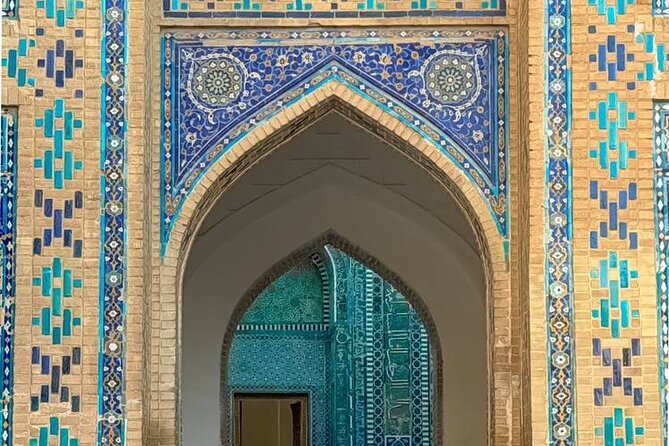
The tour explicitly aims to help you compare old and modern Uzbekistan. It doesn’t mean you’ll tour a museum of modern art. It means the city’s layers show up in the way you move: sacred grandeur in one moment, everyday market reality in the next, plus a sense of how current identity is tied to older sacred sites.
I like this approach because it avoids the common mistake: treating everything as if it belongs in the past. Samarkand doesn’t feel frozen. It feels used.
Guides, Flexibility, and Why It Makes the Day Better
Private group is one of the quiet advantages here. You’re not stuck listening to someone else’s pace or preferences.
In reviews, guides such as Bekjon are praised for:
- speaking excellent English and supporting questions clearly
- being flexible if you want to focus on certain monuments
- adjusting schedules when something personal comes up
- pointing out photo spots during the walk
That flexibility matters because Samarkand is photographic. If you’re chasing light, angles, or specific details, you want a guide who can help you pivot without slowing the whole day to a crawl.
Price and Tickets: What $40 Really Covers
The price is listed as $40 per person for a 5-hour tour. For that, you get a professional guide (English and Russian support), transport (sedan or minivan), and a structured route through major sights tied to the Great Silk Road story.
The part to plan for: entry tickets are not included. So think of $40 as the “guide + route + transport” baseline, and then add site ticket costs on top depending on what’s required for each stop.
One reviewer noted some entry fees felt expensive, which is a fair heads-up. My advice: carry extra cash or be ready to pay on the spot so you’re not forced into last-minute decisions.
Getting the Timing Right (Especially in Summer)
Start time depends on what you select when booking, and the tour notes that summer is recommended earlier. That’s practical advice. In the heat, walking between monuments can be exhausting, even when the transport handles the main travel.
If you can, pick an earlier slot and you’ll usually get:
- better light for photos
- fewer crowd crush moments at key points
- more comfortable walking pace
What to Bring and How to Dress
Bring sunglasses and wear comfortable clothes. You’ll be outside for parts of the day, moving between sites, and you don’t want to spend the tour adjusting clothing or dealing with sore feet.
For mosques: dress modestly. Cover legs and shoulders. No need for complicated outfits, just simple clothing you can move in.
Also note what’s not allowed: no drones, no pets, and no loud noise. Keep it respectful inside sacred spaces, and the day stays easy.
Who This Tour Suits Best (And Who Should Rethink It)
This tour is a good fit if you:
- want a classic Samarkand hits day without planning every stop yourself
- care about the Silk Road and Timur-era storytelling
- like having a guide who can help with photo angles
- prefer a private format where your pace and priorities matter
It’s not suitable for wheelchair users, people with pre-existing medical conditions, or anyone with recent surgeries. If you’re in any of those categories, it’s worth asking about your specific limitations before committing.
Should You Book This Tour?
I’d book it if you want your first Samarkand day to do three things at once: connect the monuments into a meaningful story, see the religious architecture that shapes the city, and still get a dose of daily life at the bazaar.
Skip it (or consider a slower option) if you hate structured days or if you’re hoping for deep museum-style time at one place. Here, the strength is the flow—Gur Emir to Registan to Shah-i-Zinda, with the market giving you balance.
If you do book, do one simple thing: set aside extra money for entry tickets. Then you can enjoy the day instead of doing mental math at the door.
FAQ
How long is the Ancient and Modern Tour in Samarkand with Transport?
The tour duration is 5 hours.
Where is the meeting point?
You will be met at the entrance of the Gur Emir Mausoleum.
What time does the tour start?
Start time is based on what you select when booking. In summer, starting earlier is recommended, and the time can be changed by request.
Is transport included?
Yes. The tour includes transport by sedan or minivan.
What language is the guide?
The live guide is available in English and Russian.
Are entry tickets included in the price?
No. Entry tickets for the sites are not included and can be paid on the spot.
Will I have time at the bazaar?
Yes. The Central Bazaar Siyab stop is part of the program, and the tour includes time for shopping there.
Do I need modest clothing for mosques?
Uzbekistan doesn’t have a general strict dress code, but mosques require modest attire—covering legs and shoulders.
Is this tour suitable for wheelchair users or people with medical conditions?
No. It is not suitable for wheelchair users, people with pre-existing medical conditions, or those with recent surgeries.