REVIEW · NEW DELHI
Temples, Bazaars & Food Tasting in Old Delhi with Female Guide
Book on Viator →Operated by THE LOST COMPASS · Bookable on Viator
Old Delhi can feel loud, hot, and confusing. This tour helps you make sense of it fast with a female guide and a tight plan through the key lanes. I especially like how the stops mix temples and bazaars, so you see the religious side and the everyday shopping chaos in the same morning window.
I also like that the food part is practical, not just random snacking. You get a thoughtful Old Delhi tasting that includes chai, samosa, pakora, traditional bread, plus a curry and a lassi, with bottled water and tea/coffee along the way. The only drawback to consider is that you’re walking through narrow lanes and markets, so if you prefer wide, calm streets, this route may feel intense.
In This Review
- Quick hits before you go
- Getting your bearings in Chandni Chowk
- Sis Ganj Guru Dwara: Sikh temple stops that lead to real-world perspective
- Red Fort area: what you’ll see and what you won’t
- Lal Mandir Jain Atishay Kshetra: detailed Jain sights and a bird hospital
- Dariba Kalan and the silver-lane feeling
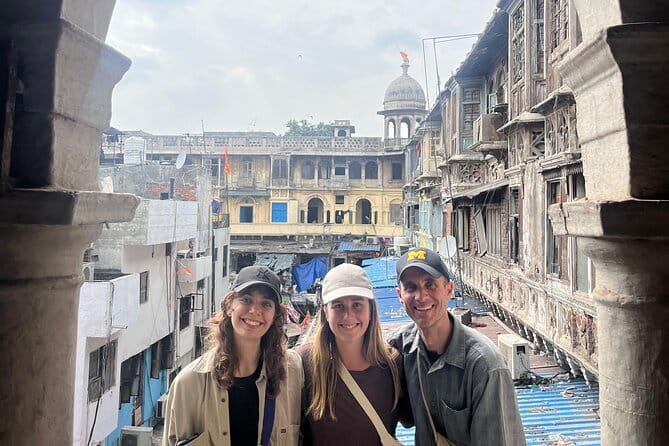
- Naughara (Row of Nine Houses): when Old Delhi gets beautiful and specific
- Khari Baoli: Asia’s second-largest spice market
- Fatehpuri Masjid: the 2nd largest mosque in Old Delhi
- Old Delhi food tasting: chai, snacks, curry, and lassi
- Price and value for a 3-hour Old Delhi loop
- Who this tour suits best (and who should skip it)
- Final take: should you book this Old Delhi tour?
- FAQ
- What’s included in the food tasting?
- How long is the tour?
- How much does it cost?
- Where does the tour start and end?
- Is the group small?
- Are temple and market fees included?
- What if I have food allergies?
- FAQ
- Does the tour include rickshaw rides?
- Does the tour run in any weather?
- Is this tour good for solo travelers?
Quick hits before you go
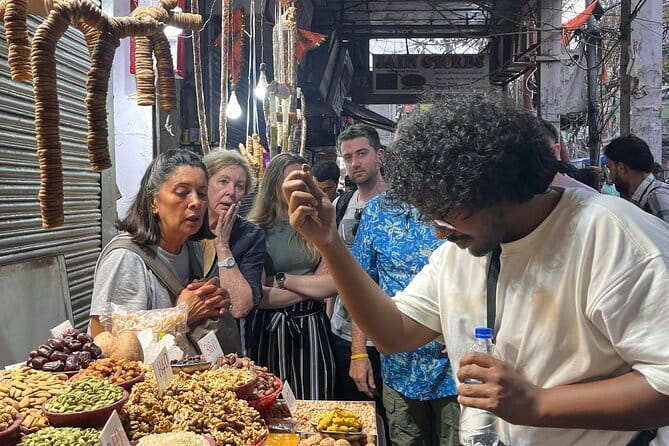
- Female guide-led route designed for solo travelers who want clarity and confidence in Old Delhi
- Temples + bazaars in one compact 3-hour loop, so you don’t have to choose one “theme”
- Sis Ganj Guru Dwara’s free kitchen is a standout stop, serving thousands daily
- Khari Baoli spice market delivers the classic Old Delhi smell hit right away
- Food tasting with chai, samosa, pakora, curry, lassi plus water and tea/coffee
- Rickshaw rides included to help manage the pace in the tight lanes
Getting your bearings in Chandni Chowk
You start at Metro Station Lal Qila, Chandni Chowk, which is a smart move because it places you right where Old Delhi’s energy shows up first. Chandni Chowk is famous for a reason: the lanes feel like a living maze of shops, signage, and movement. Even if you’ve been to crowded markets before, this one has that extra layer of texture—people leaning into the street, vendors calling out, and shopping happening at every angle.
This is also where you learn how to read the area. Instead of wandering aimlessly, you’ll get quick context for what you’re seeing—markets for spices, wedding dress shopping, and specialty areas like jewelry. The goal here isn’t to “shop hard.” It’s to understand what each bazaar specializes in, so later stops make more sense.
A practical note: this kind of start can be intense if you’re sensitive to crowds or strong smells. If you know that about yourself, plan to move slowly at first and take short pauses when you need them.
You can also read our reviews of more tours and experiences in New Delhi.


Sis Ganj Guru Dwara: Sikh temple stops that lead to real-world perspective
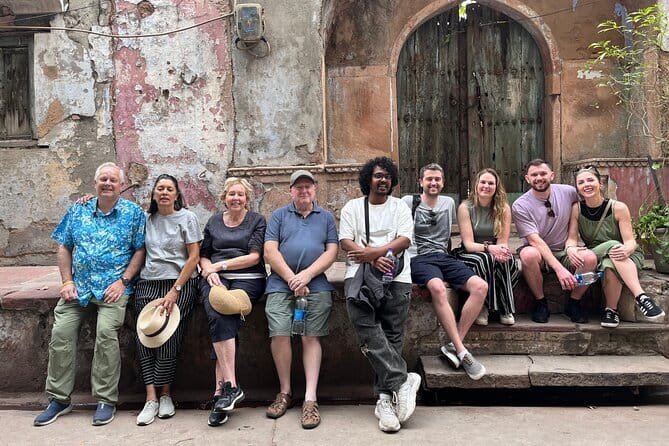
The second stop is Sis Ganj Guru Dwara, one of the best places on this route to understand the community rhythm behind Old Delhi. You’ll visit the Sikh temple and learn about its culture, but the most unforgettable detail is the temple’s mega kitchen.
This kitchen serves 12,000 to 15,000 people every day for free. That number does something to your perspective. It turns “temple visit” into “human system in action.” You’re not just looking at a building; you’re seeing how hospitality and service work at real scale.
You’ll also get a feel for why this matters beyond the tourist angle. Old Delhi isn’t only about monuments. It’s about daily life—food, work, faith, and care all sharing the same space.
Time is tight here (about 30 minutes), so if you want extra quiet time inside, you’ll likely need to do that on your own after the tour. For most people, though, this stop gives you a solid foundation without dragging.
Red Fort area: what you’ll see and what you won’t
Next up is the Red Fort area, plus a Hindu temple visit from outside. You’ll spend around 10 minutes here. I like this as a way to get orientation, because you’re seeing a major landmark without the time sink of a long entry visit.
Think of it as a “frame” stop. You get the big historical visual marker of Old Delhi, then you move back into the market lanes. It’s a good pacing choice for a 3-hour tour—your feet stay moving, and you spend most of your energy where the food and bazaars are.
The trade-off is simple: if you’re hoping for a full Red Fort experience with interior time, this isn’t built for that. It’s about viewpoints and context, not a deep museum-style visit.
Lal Mandir Jain Atishay Kshetra: detailed Jain sights and a bird hospital
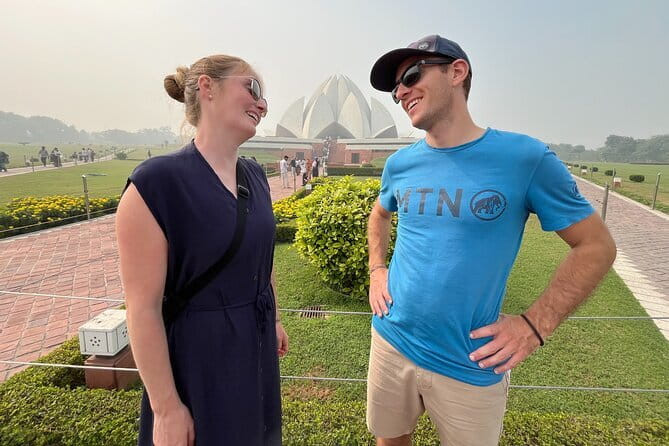
After the Red Fort area, the tour shifts into quieter, more detailed religious architecture with Lal Mandir Shri Digambar Jain Atishay Kshetra. This is where the day earns some calm. You’ll spend about 25 minutes here, and it’s an easy stop to appreciate even if you don’t know much about Jainism yet.
The temple has a peaceful, detail-heavy feel, and your guide will share the story of Jainism while you’re there. One specific highlight: you’ll visit the bird hospital inside. That detail changes the mood of the stop. It’s not just ornate stone and prayer spaces; it’s also linked to care in a very practical way.
This stop is ticket-included, so you don’t have to worry about paying separate temple fees. The entrance time also helps with pacing—you’re not left guessing when to go in or how long to spend.
If you’re traveling with a camera, this is one of the better stops for photos, but keep an eye on what’s permitted inside religious spaces.
Dariba Kalan and the silver-lane feeling
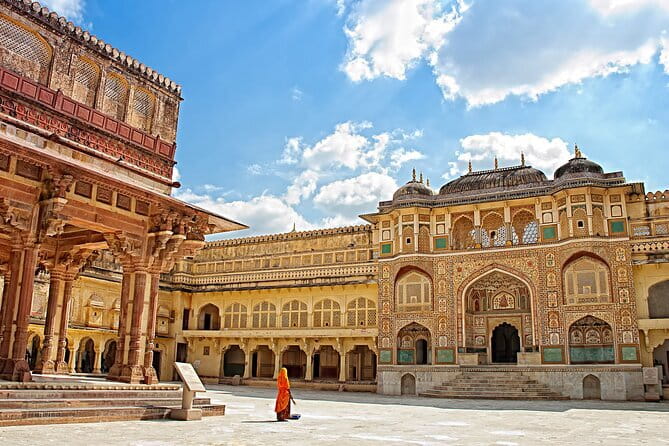
Now you move through Dariba Kalan, a classic Old Delhi market area often called the silver street. You’ll spend about 15 minutes here, passing through lanes where the specialty shows up fast. If you’ve ever wondered why Old Delhi’s markets are so segmented—spice here, jewelry there, wedding outfits somewhere else—this kind of street helps you understand the logic.
Even without buying anything, you’ll get a sense of craft and commerce. These lanes are the kind of places where shop displays and small details do part of the storytelling for you. Your guide also helps you connect what you’re seeing to the larger patterns of market life.
Short stop means you get a taste, not a marathon shopping session. If you love shopping, you can always return later. If you don’t, this stop still works because it’s a cultural snapshot.


Naughara (Row of Nine Houses): when Old Delhi gets beautiful and specific
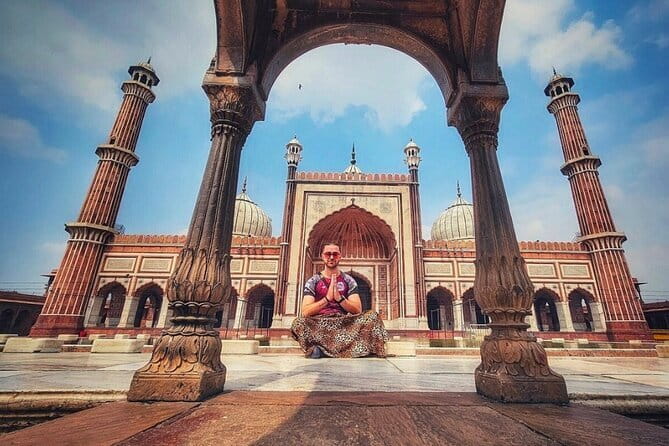
Next is Naughara—Row of Nine Houses—with about 20 minutes allocated. This lane is considered one of the most beautiful in Old Delhi, and it’s the kind of stop that rewards slowing down for a moment. Here, the architecture and the lane layout feel more intentional than the nonstop commercial crush elsewhere.
While you’re exploring, you’ll also visit the Jain temple situated there. This is ticket-included, so it’s another “on the plan” entry rather than a spontaneous detour. You’ll spend enough time here to notice details and learn the basics, but it won’t steal your whole afternoon.
One consideration: because this is a lane, not a wide square, it can feel cramped at peak times. The good part is that your guide keeps you moving in an organized way, which helps you avoid getting stuck behind the busiest pockets.
Khari Baoli: Asia’s second-largest spice market
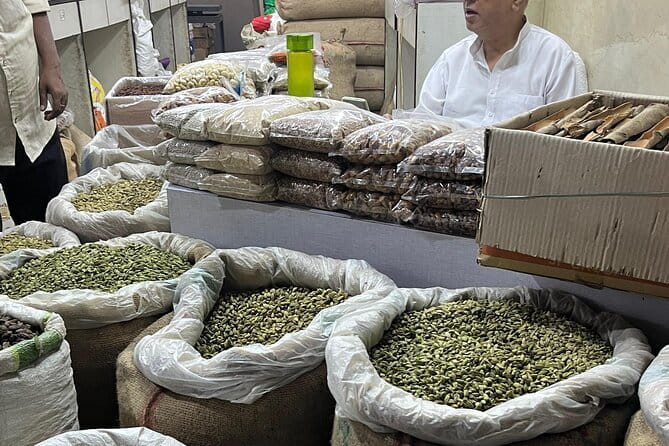
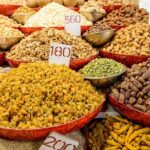
Then comes Khari Baoli, about 20 minutes. This is where Old Delhi’s smell hits hardest. It’s known as Asia’s second-largest spice market, and the aroma can be powerful—spice dust in the air, sacks, vendors, and the constant motion of goods.
This is an essential stop because it explains why the city’s food culture tastes the way it does. You can almost trace the flavors you’re going to eat later back to what you see here. Even if you don’t plan to buy spices, watching how vendors package, store, and display goods helps you understand the supply side of Old Delhi cooking.
If you’re sensitive to strong scents, consider stepping back from the densest areas for short moments. The good news: with a guided group, you don’t have to push yourself into every strong-smell pocket to “see enough.”
Fatehpuri Masjid: the 2nd largest mosque in Old Delhi
The final temple stop on the route is Fatehpuri Masjid, around 10 minutes. It’s described as a 375-year-old mosque and noted as the 2nd largest mosque located in Old Delhi. This is one of those quick stops that gives you a strong visual anchor.
The time is short, so you won’t be here for a long deep-lesson experience. Still, it works well as a closing contrast to the spice market. You go from sensory abundance (spices, street trading) to a large religious space with its own atmosphere and scale.
If you like architecture, you’ll likely appreciate this stop. If you’re mainly here for food and bazaars, it still gives you a well-rounded sense of the area’s religious variety.
Old Delhi food tasting: chai, snacks, curry, and lassi
The food portion is one of the biggest reasons this tour is good value. For about 3 hours, you’re getting 4 to 5 food items, plus bottled water and coffee and/or tea. That matters because it prevents the usual Old Delhi problem: you end up hungry, then spend way more than you expected on snacks one by one.
Here’s what’s included in the tasting:
- Chai
- Samosa
- Pakora
- Traditional bread
- A curry
- Lassi
This mix is smart. You get crunchy snacks, a drink that cools your palate, and a more filling main bite. You’ll also learn the rhythm of eating in the market context—what to grab, how to pace it while walking, and how to keep the day comfortable.
A couple practical tips based on the reality of Old Delhi:
- If you’re prone to heartburn or strong-spice discomfort, take small bites early. Your spice tolerance may change once you’re out in the air and crowd noise.
- Bring a little patience. Food here is part of a street system, not a quiet café workflow, so service can be fast and informal.
And since the tour asks you to message them if you have allergies, it’s worth doing that ahead of time rather than hoping food will work out on the spot.
Price and value for a 3-hour Old Delhi loop
At $29 per person, this tour is priced like a bargain for what you get: a guided circuit across major Old Delhi spots, temple entries where included, a structured food tasting, bottled water, and rickshaw rides built into the day.
The biggest value piece is that you’re not paying to “maybe see something.” You’re paying for a plan that stitches together the market texture and the temple storytelling into a tight 3-hour window. For first-time visitors, that can be worth more than squeezing in a few random stops on your own and hoping you land on the best lanes.
The group size cap (maximum 20 travelers) also matters. Smaller groups usually feel easier in narrow areas, and you’re less likely to lose the guide in the crowd.
If you’re an experienced Old Delhi walker who already knows your way around and loves charting your own route, you might find this less necessary. But if you want a confident starting point with food built in, the price feels fair.
Who this tour suits best (and who should skip it)
This is a great fit if you:
- Want a guided female-led Old Delhi experience for solo travel
- Prefer organized temple visits paired with actual market life
- Like trying local food without planning a full tasting on your own
- Want rickshaw help to reduce the strain of constant lane-walking
You might skip it if:
- You only want large-scale monument time with long interior visits
- You don’t handle crowds or strong spice aromas well
- You’re looking for a longer day. Three hours goes quickly here, and it’s designed for a “high-impact highlights” pace.
Also keep the weather factor in mind. The experience requires good weather, and if it’s canceled due to poor conditions, you’ll be offered a different date or a full refund.
Final take: should you book this Old Delhi tour?
Yes, I’d book it if you’re new to Old Delhi and want the best odds of seeing key temples, major bazaars, and a real food tasting in one go. The strongest selling point for me is the pairing: faith spaces with service (like the kitchen at Sis Ganj Guru Dwara) plus market life with spice and specialty shopping (Chandni Chowk, Khari Baoli, silver lanes). It’s not random. It’s guided.
The second reason: the emphasis on a female guide and a calm, careful presence for solo travelers. For many people, that comfort alone is worth paying for.
If you’re sensitive to crowds and smells, go with a game plan: take it slow in the first market lanes, eat the included snacks at your pace, and step back when you need a breather. You’ll still get the story without forcing yourself into every tight pocket.
FAQ
What’s included in the food tasting?
The tour includes 4 to 5 food items, plus bottled water and coffee and/or tea. The listed items are chai, samosa, pakora, traditional bread, a curry, and lassi.
How long is the tour?
It runs for about 3 hours.
How much does it cost?
It’s $29.00 per person.
Where does the tour start and end?
It starts at Metro Station Lal Qila, Chandni Chowk, Delhi 110006, India, and ends back at the same meeting point.
Is the group small?
Yes. The tour has a maximum of 20 travelers.
Are temple and market fees included?
Some stops are free. At least some temple entries are ticket-included during the tour (for example, the Jain temple stops and Fatehpuri Masjid).
What if I have food allergies?
You’re asked to write to the tour company if you have any food-related allergies so they can try to help before you go.
FAQ
Does the tour include rickshaw rides?
Yes. Rickshaw rides are included as part of the experience.
Does the tour run in any weather?
The experience requires good weather. If it’s canceled due to poor weather, you’ll be offered a different date or a full refund.
Is this tour good for solo travelers?
It’s especially described as a great fit for solo female travelers, with female guides and clear communication.