REVIEW · PRAGUE
Taste your way through Czech food history
Book on Viator →Operated by Local Food Tour · Bookable on Viator
Food history in Prague can taste real.
This 3.5-hour walk is built around eating your way through Czech food history at places locals actually use, from quick bites to full-on lunch tastings. I especially like the mix of traditional dishes and modern twists, and I like that the guide connects what’s on your plate to the city’s long political and cultural shifts. One consideration: this is an English-led, alcohol-friendly tour, and it’s aimed at people who like beer and meat.
You’ll start in Old Town near Náměstí Republiky at 3:00 pm, then spend the afternoon moving through Prague like it’s a food museum you can chew. The pace is easy enough for most people, but you’ll still be walking between multiple stops, so comfy shoes help. If rain shows up, you’ll be glad you brought an umbrella.
In This Review
- Key things you’ll notice on this Czech food-history tour
- Prague food history, served in a real walking tour format
- Price and value: what you get for $132.76 per person
- Stop 1: gourmet passage snacks with a modern Czech spin
- Stop 2: chlebíček and bramboračka, plus an overview that makes it click
- Stop 3: the walk through the melting pot of Prague history
- Stop 4 (the missing number) and how the tour keeps momentum
- Stop 5: eating in a former bank with small plates of local flavors
- Stop 6: first-republic café dessert and coffee
- The guide makes the food history understandable (and fun)
- Who should book this tour, and who might skip it
- Logistics that matter: tickets, transit, weather, and pacing
- Should you book this Czech food history tour?
- FAQ
- How long is the Prague Czech food history tour?
- What time does the tour start?
- Where is the tour meeting point?
- Where does the tour end?
- How much does it cost per person?
- What’s included in the price?
- Is transportation to and from the attractions included?
- What language is the tour offered in?
- Is it a small group tour?
- Is there a cancellation option if plans change?
Key things you’ll notice on this Czech food-history tour
- Small group size (up to 10) keeps the eating stops relaxed and lets you hear the guide clearly
- Modern snacks + classic Czech dishes show how food changes over time
- Lunch and snacks are included, so you’re not rationing hunger all afternoon
- Small-plates format in a former bank makes the tasting feel like a guided sampler
- Beer and alcoholic drinks are part of the package, so it fits a certain travel style
- First-Republic café dessert and coffee ties recent history to what people ate
Prague food history, served in a real walking tour format
Prague is the kind of city where food can feel like background. This tour does the opposite. You walk, taste, and then get the story behind the ingredients, cooking styles, and dining habits that shaped what shows up in Czech restaurants today.
The timing matters. Starting at 3:00 pm means you’re not stuck with an early-morning food plan, and you can pair the tour with a light evening after. The duration is about 3 hours 30 minutes, which is long enough to hit several neighborhoods and meal moments, but not so long that you start feeling like a human bread basket.
Group size is capped at 10. That’s a big deal here. With smaller groups, stops don’t turn into a noisy queue. You can actually hear the guide while you’re eating, and you can ask what the dish is before it’s gone.
Meeting point is at Náměstí Republiky 656/8, and you end at Wenceslas Square. That end location is convenient if you want to keep exploring after the tour without committing to a return trip.
You can also read our reviews of more tours and experiences in Prague.

Price and value: what you get for $132.76 per person
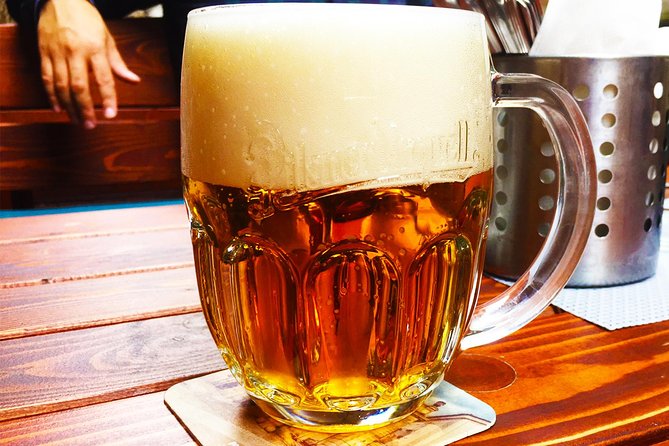
At $132.76 per person, this isn’t one of those “just a snack or two” tours. The value comes from how much is included: all tastings and drinks, lunch, snacks, and alcoholic beverages.
That matters because Czech food isn’t always cheap if you order everything separately. Here, the tour does the ordering for you in a structured way, and you sample multiple items rather than rolling the dice with one main dish. You also get drinks included, which is part of the Czech dining experience, especially when beer is in the mix.
One practical tip you’ll want to follow: the tour suggests you skip the main meal before it starts. I agree. Save your appetite. You’ll get enough food that you’ll feel like you ate a normal meal plus extras, not like you had a “taste tour” that somehow still leaves you hungry.
Stop 1: gourmet passage snacks with a modern Czech spin
The tour kicks off in central Prague at Náměstí Republiky, then heads toward a gourmet passage. This is where you get your first taste (literally) of how Czech food storylines work.
Instead of starting with only old-school classics, you begin with modern snacks served in a passage setting—a smart way to disarm the idea that Czech food is stuck in the past. Even on a history-focused tour, you start with what feels current, then you’ll compare it later to the older traditions you’ll hear about.
What to expect: smaller bites and early context, so you can get oriented quickly. It’s a good warm-up if this is your first afternoon in Prague.
A small drawback: since this first stop leans snack-sized, you’ll want to be ready for the tour to build food momentum over the next few hours. Don’t schedule a big lunch beforehand.
Stop 2: chlebíček and bramboračka, plus an overview that makes it click
Next you move into proper Czech territory with a local starter at a restaurant, where you also get an overview of Czech cuisine—how it developed, what changed, and why people eat the way they do.
Two standout dishes you should recognize from the sample menu:
- Chlebíček (Czech-style open-faced sandwich)
- Bramboračka (Czech-style soup)
Chlebíček is the kind of food that looks simple but carries real dining culture. It’s assembled, portioned, and built for everyday eating and gatherings. Bramboračka, the potato soup, is the opposite of fancy. It’s comfort food, practical, and historically tied to what ingredients were available and affordable.
This stop is also where you learn how to read Czech food. Once you understand what’s “standard” versus what’s “special occasion,” the rest of the meal choices make more sense.
Stop 3: the walk through the melting pot of Prague history
After the starter, you shift from eating to exploring. You’ll stroll through the melting pot of Prague history, with the guide tying local food and historical events together as you move.
This part works best when you treat it like a story you can walk through. Prague’s layers are physical—architecture, street patterns, neighborhoods—and the guide uses that to explain why certain foods became common, how class and politics shaped eating habits, and how outside influences filtered into Czech kitchens over time.
Expect the history to be tied to the food you just started tasting. The goal isn’t museum-level facts. It’s understanding why your next plate is the way it is.
Practical note: this is still a walking tour, so keep your phone away and watch your footing. Old Town streets can be uneven, and you don’t want to fumble while holding a cup.
Stop 4 (the missing number) and how the tour keeps momentum
You’ll see stops that add up to the full tasting experience across multiple dining moments, and the numbering may skip in the way tours often do (it’s not unusual with packaged offerings). Either way, the structure stays consistent: bite, story, bite, story.
That’s why the tour feels efficient. You aren’t stuck for long stretches in one place. You eat enough to keep your energy up, and you keep moving so you don’t get bored.
Stop 5: eating in a former bank with small plates of local flavors
One of the most memorable parts is the meal in a restaurant located in a former bank. That setting alone changes the vibe. It feels like a “real restaurant” moment, not just a quick tasting room.
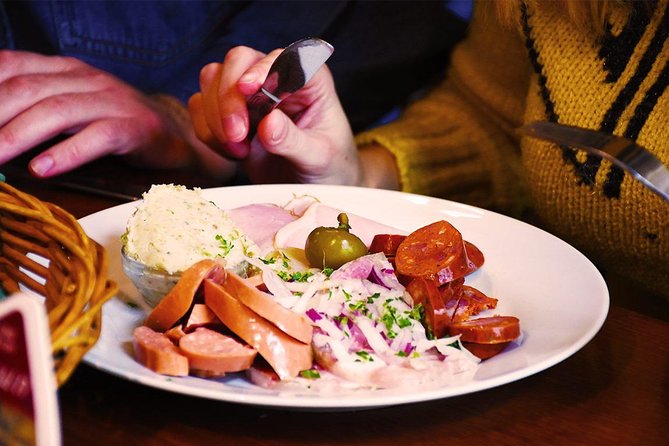
Here you’ll share a mix of local flavors served on small plates. Small plates are ideal for this style of tour because they help you sample without getting overwhelmed. You also get variety—different flavors, textures, and styles—so you can start comparing Czech classics with what you’ve already tasted.
What makes this stop special is the contrast: you’re learning about history while sitting in a building that reflects Prague’s older layers of trade, finance, and city growth. Then you’re eating food that reflects household cooking and local dining identity.
If you don’t want a lot of alcohol, you might still want to stay flexible here. Alcoholic beverages are included, and the tour is clearly designed with beer and drinks in mind.
Stop 6: first-republic café dessert and coffee
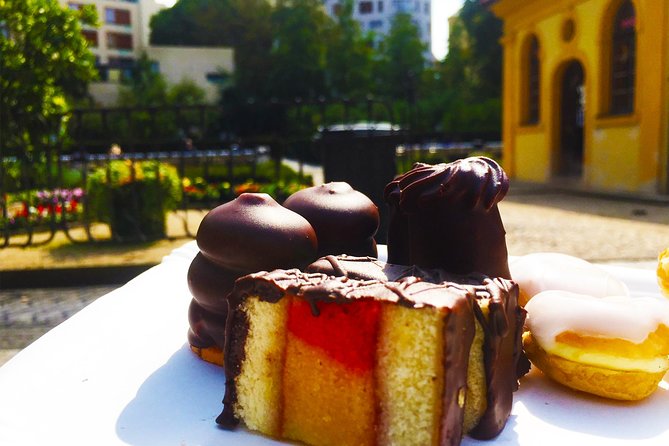
The final food moment is dessert at a first-republic café, finished with coffee. This stop matters because it shifts the focus from “hearty and salty” to something more reflective.
Dessert on these tours can feel like an afterthought. Here, it’s a closing note that ties your tasting back to more recent history—how people lived, celebrated, and socialized during the First Republic period and what those preferences meant for dining culture.
Typical Czech desserts usually lean into comforting flavors rather than light, trendy desserts. Expect something classic enough that it feels appropriate for a historical city—sweet, satisfying, and meant to be part of a longer café tradition.
This is also where you can slow down. After tasting so much food, coffee gives you a breather before you head to the tour’s end point near Wenceslas Square.
The guide makes the food history understandable (and fun)
The reviews you’ll hear about this tour point to the same thing I’d look for in a guide: someone who can explain why the food matters without turning it into a lecture.
Christian is specifically noted for being personable and extremely knowledgeable in the best way—clear explanations, good pacing, and smart choices in where the tour stops. He also shows how traditional Czech dishes can have modern twists, so you don’t walk away with the idea that local food is frozen in time.
A good sign: people tend to mention that the history is the right amount—enough to connect the dots, not so much that you stop tasting.
If you’re doing this on your first day, this tour is built for that. It helps you understand what to order later on your own, and it points out neighborhoods and restaurant styles you might want to revisit.
Who should book this tour, and who might skip it
This tour clearly fits best if you:
- like beer and alcoholic beverages are part of your travel plans
- eat meat and traditional Central European dishes
- prefer a guide-led plan in English rather than a self-guided food crawl
- want a history connection you can actually taste, not just hear
You might consider skipping it if:
- you don’t want alcohol involved at all
- you hate walking between multiple stops (even if the pace is generally manageable)
- you prefer purely vegetarian or very restricted diets and don’t want to risk what’s served across several restaurants (the menu details provided here don’t promise alternatives)
Logistics that matter: tickets, transit, weather, and pacing
Good news: you won’t be fighting complicated logistics. You get a mobile ticket, and the tour is offered in English. It’s also described as near public transportation, which helps if you want to arrive early or need to reposition after the tour.
Weather check: bring an umbrella when it rains. Prague weather can flip quickly, and you’ll still be outside for parts of the walk.
Also follow the tour’s own food advice: don’t show up stuffed. If you arrive hungry, the tastings feel like a plan. If you arrive full, you’ll end up tasting less than you should.
Should you book this Czech food history tour?
Book it if you want a first-day-friendly way to eat Czech food with context. The package is strong: multiple tastings, lunch, snacks, drinks, and a guide who connects plates to Prague’s evolving story. The small group size keeps it personal, and the former bank restaurant + café dessert add variety that goes beyond a basic bar-and-bites approach.
Skip it if you’re traveling with strict dietary needs, you dislike alcohol-centered tastings, or you only want one or two iconic dishes. This is a structured sampler. It rewards curiosity and appetite.
If you’re excited to try foods like chlebíček and bramboračka, and you want that “I understand why this tastes the way it does” feeling, this is a smart use of an afternoon in Prague.
FAQ
How long is the Prague Czech food history tour?
It lasts about 3 hours 30 minutes.
What time does the tour start?
The start time is 3:00 pm.
Where is the tour meeting point?
You meet at Náměstí Republiky 656/8, 110 00 Praha 1-Staré Město.
Where does the tour end?
It ends at Wenceslas Square (Václavské nám., Nové Město).
How much does it cost per person?
The price is $132.76 per person.
What’s included in the price?
You get all tastings & drinks, lunch, snacks, and alcoholic beverages.
Is transportation to and from the attractions included?
No. Transportation to/from attractions is not included.
What language is the tour offered in?
The tour is offered in English.
Is it a small group tour?
Yes. It has a maximum of 10 travelers.
Is there a cancellation option if plans change?
Yes. You can cancel for a full refund up to 24 hours in advance.