REVIEW · KATHMANDU
Kathmandu World Heritage Full Day Culture Tour
Book on Viator →Operated by Himalayan Planet Adventures · Bookable on Viator
One day. Four UNESCO sites. Lots of meaning packed into one route. This Kathmandu World Heritage Full Day Culture Tour is a practical way to see the big religious and royal landmarks in the Kathmandu Valley, with a private guide doing the talking so you can focus on what you’re actually looking at.
I especially like the balance of Hindu and Buddhist sites, and the fact that you get hotel pickup and drop-off plus a private car for a smoother day.
One thing to consider: the major entry fees are not included (about USD 20 per person), and the pacing assumes you’re comfortable walking around temple areas and climbing stairs at Swayambhunath.
In This Review
- Key things to know before you go
- One full day to understand Kathmandu’s spiritual map
- Pickup, ring-road limits, and how the day actually runs
- Swayambhunath (Monkey Temple): stairs, shrines, and an easy start
- Kathmandu Durbar Square: royal power, dozens of temples, and Kumari Chowk
- Kaal Bhairab: the statue stop that adds drama
- Pashupatinath Temple: Nepal’s key Hindu pilgrimage site
- Boudhanath Stupa: Tibetan Buddhism’s calm center
- Guide quality is the secret upgrade (Rabina and Rishi)
- Price and value: what $105 covers and what to budget extra
- Practical tips so your day feels smooth
- Who this tour suits best
- Should you book this Kathmandu World Heritage Full Day Culture Tour?
- FAQ
- What sites are included on the Kathmandu Valley UNESCO full-day tour?
- How long is the tour?
- Is hotel pickup and drop-off included?
- Do I need to pay entry fees?
- Is there a guide?
- Is this tour private or shared with other people?
Key things to know before you go
- Private guide, private vehicle: You’re not sharing commentary with strangers.
- Four UNESCO World Heritage sites in one long day: Durbar Square, Swayambhunath, Boudhanath, Pashupatinath.
- Swayambhu’s stairs: Plan time and wear shoes you trust.
- Durbar Square includes Kumari Chowk and Kaal Bhairab for a rare, high-drama cultural mix.
- Pashupatinath and Boudhanath cover Nepal’s biggest Hindu and Tibetan Buddhist spiritual poles.
- Two high-rated guide examples: Rabina and Rishi are named in feedback for clear, helpful guiding and thoughtful photo time.
One full day to understand Kathmandu’s spiritual map
Kathmandu can feel like a maze at first. This tour helps you get your bearings fast by hitting the Valley’s headline World Heritage sites in a single 7 to 8 hour block. You’ll start with Swayambhunath in the west of the Valley and work through central Kathmandu to the major Hindu and Buddhist centers.
What makes this format work well is that you’re not just touring buildings. You’re getting a guided route through places that anchor everyday faith, royal storylines, and pilgrimage routes. The private setup also matters: instead of hearing one-size-fits-all facts while you dodge other groups, you can ask your guide what you’re seeing and why it matters.
And at $105 per person, it’s not trying to be a bargain-basement option. It’s priced like a day that includes private transportation plus a professional guide. If you’re a first-timer—or even a returning visitor who wants the big picture without doing it all yourself—this is a strong value proposition.
You can also read our reviews of more tours and experiences in Kathmandu.
Pickup, ring-road limits, and how the day actually runs
The tour includes hotel pickup and drop-off inside the Ring road. That’s a helpful detail because Kathmandu traffic and pickup logistics can make or break a long day. If your hotel is outside the Ring road, you’ll want to confirm what pickup arrangements are possible after booking.
You’ll also be asked to confirm your exact pickup location after you book. Your voucher includes the local operator’s contact details, so don’t skip that step. A small mismatch at pickup time can waste precious minutes before you start climbing stairs and stepping into temple zones.
This is also a private tour/activity, meaning only your group participates. That’s great if you want a calmer pace for photos, questions, and bathroom breaks. It’s also nice if you’re traveling with mixed ages or different comfort levels, since your guide can adjust how long you spend at each stop.
Swayambhunath (Monkey Temple): stairs, shrines, and an easy start
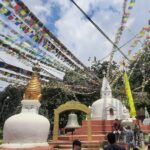
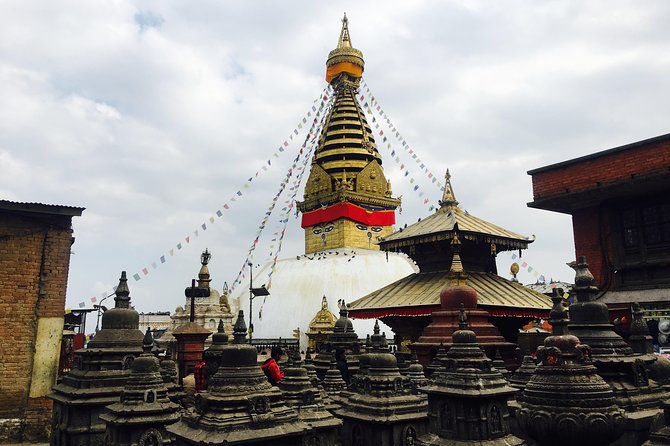
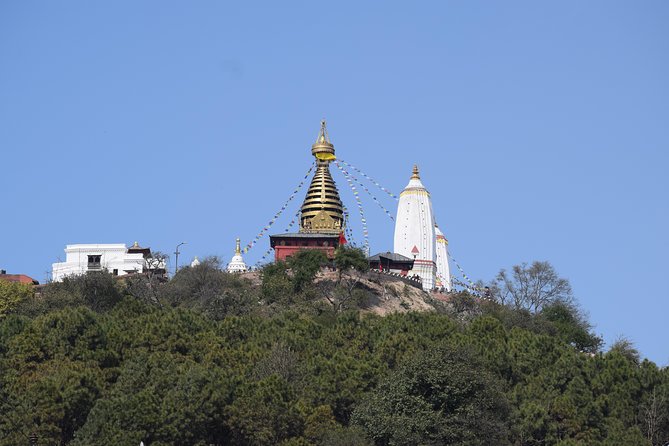
Swayambhunath is famous for a reason. Even the name Monkey Temple hints at what you’ll notice first: rhesus monkeys sharing the hilltop area. You begin the day by heading there in the private vehicle, then it’s time to tackle the climb—there are long stairs up to the main viewpoint and sacred spaces.
Plan your footwear like you’re going to spend real effort on the steps. Temple steps in Kathmandu are not the place for flimsy soles. If you’re bringing sandals, consider swapping to proper walking shoes so you can focus on the views and carvings instead of your footing.
What I like about starting here is the way Swayambhunath gives you context right away. It’s a Buddhist landmark that also feels like a city landmark. From the top, you’ll get a sense of the Valley’s layout, and the guide’s commentary helps connect the physical site to the spiritual life around it.
Admission tickets are not included for this stop, so factor that into your budget for the day. The good news is that the tour is structured so you’re not guessing how to connect tickets across multiple sites—you’ll handle them as needed while your guide keeps the day moving.
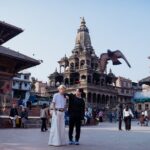
Kathmandu Durbar Square: royal power, dozens of temples, and Kumari Chowk
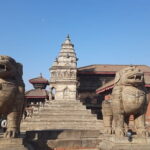
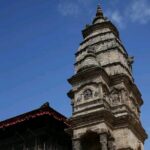
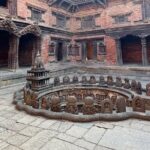
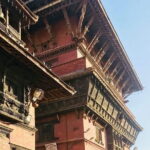
Next comes Kathmandu Durbar Square, one of those places where your brain switches from sightseeing mode to history-and-religion mode. This area is home to almost 60 temples, plus the old royal palace and a museum space. The sheer concentration of sacred architecture is the point.
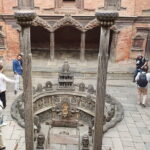
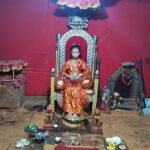
Your guide will also point you toward the Living Goddess tradition. There’s a chance to see the Kumari as part of what you’ll experience at Durbar Square. The specific stop is Kumari Chowk, the sacred courtyard and residence connected to the Royal Kumari of Kathmandu.
Even with only a short visit window at Kumari Chowk, you’ll benefit from having a guide explain what you’re seeing. The Kumari tradition isn’t just a photo opportunity; it’s a living cultural system. Having someone translate the meaning in plain terms is what turns this from a quick glance into an actual understanding moment.
Kaal Bhairab: the statue stop that adds drama
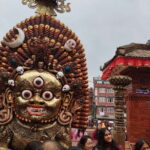
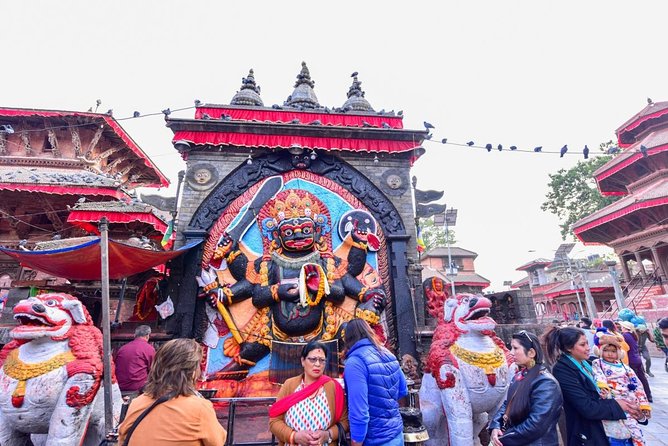
Inside Durbar Square, you’ll also visit Kaal Bhairab, known for the massive open-air statue of Kala Bhairav (the Black Bhairav). The stop is short, but it’s worth making the most of it. Statues like this aren’t background. In this context, they act like a focal point for belief and public ritual space.
This is also a good place to slow down for photos—but keep it respectful. You’ll be in and around active sacred areas, so treat your camera like it’s part of your manners.

Pashupatinath Temple: Nepal’s key Hindu pilgrimage site
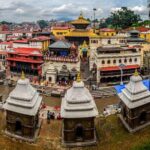
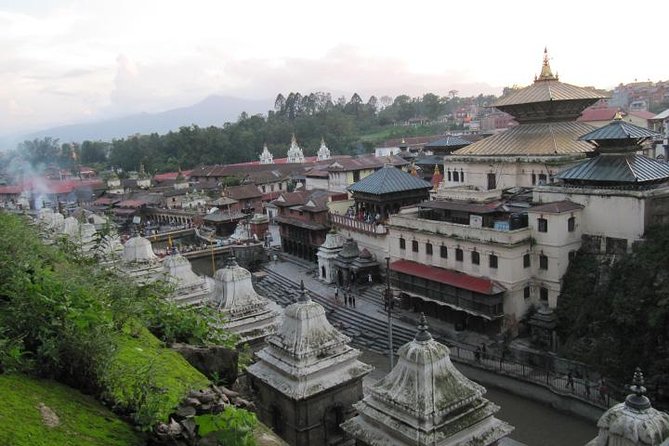
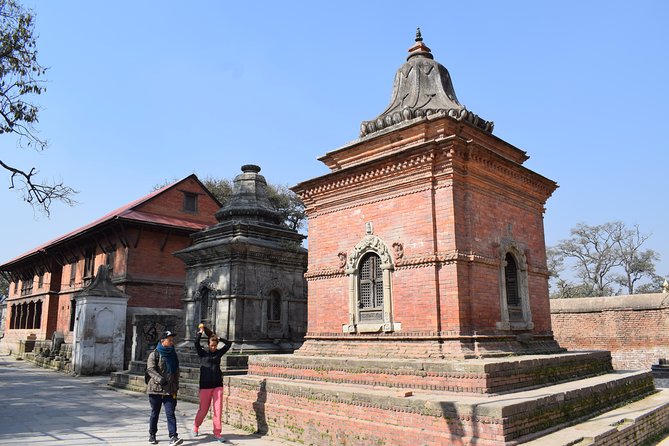
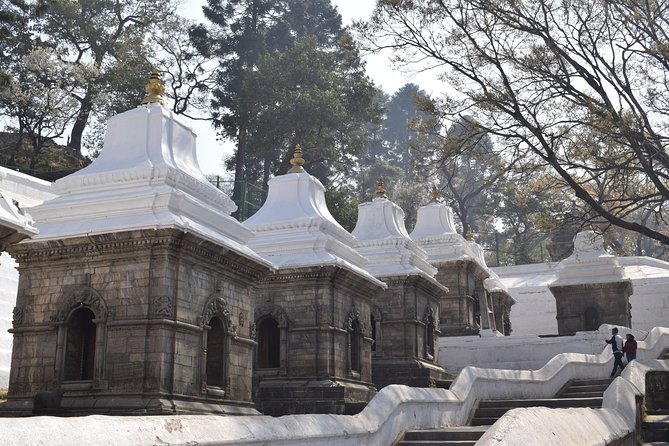
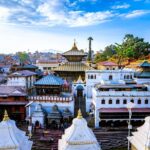
After the Durbar Square complex, the tour moves into the spiritual gravity of Pashupatinath Temple, Nepal’s most sacred Hindu site and a UNESCO World Heritage landmark. Your schedule gives you about one hour here with guided time.
This stop matters because it represents a different side of the Valley’s spiritual identity. If Durbar Square is about royal and cultural power, and Swayambhunath is about a Buddhist hilltop presence, Pashupatinath is a major Hindu pilgrimage center with a long-standing pull from across Nepal and beyond.
Because admission fees aren’t included, keep budgeting in mind. You’ll also want to plan your energy level here. By the time you reach Pashupatinath, you’ve already climbed stairs at Swayambhu and walked around Durbar Square’s temple zones. Your guide can help pace you so you don’t feel rushed.
I also like that the tour doesn’t treat Pashupatinath as a quick checkmark. The guided focus encourages you to look at the temple environment with a little more understanding instead of rushing for shots.
Boudhanath Stupa: Tibetan Buddhism’s calm center
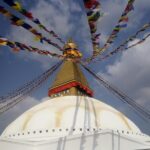
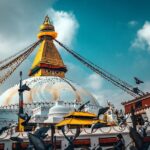
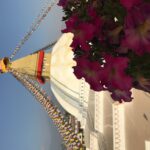
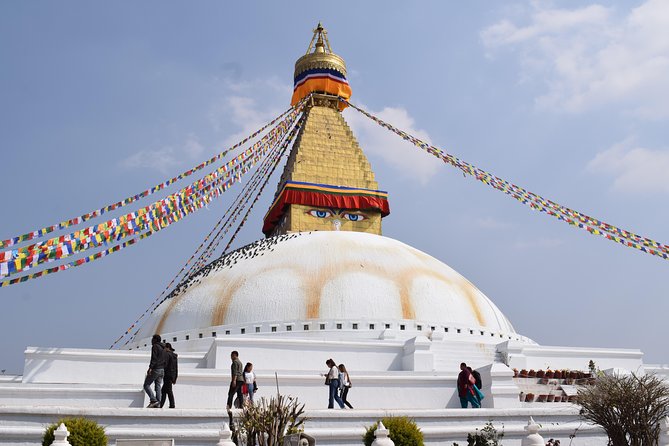
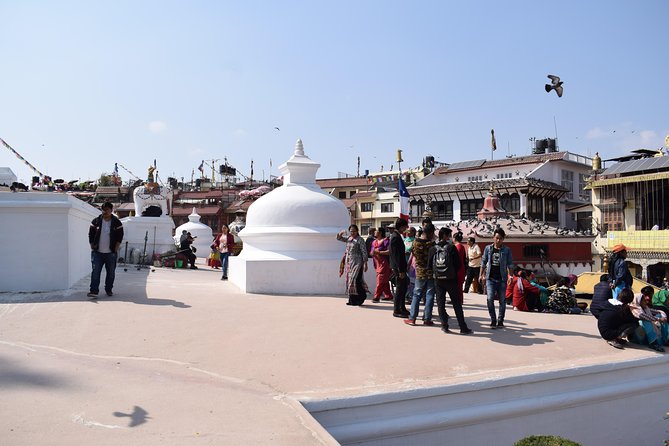
The last major landmark is Boudhanath Stupa, described as Nepal’s largest Buddhist stupa and one of the largest stupas in the world. If Kathmandu feels intense in traffic and crowd flow, Boudhanath offers a different rhythm—more centered and reflective.
Your guided time here is about one hour, and this is where the day’s spiritual “balance” becomes clear. You’ve already seen Hindu sacred space at Pashupatinath. Now you’re at the heart of Tibetan Buddhism in Kathmandu’s landscape.
This is a strong final stop because the stupa is visual, readable from multiple angles, and easy to appreciate without needing to know every architectural term. Your guide’s explanation helps you slow down just enough to see the layers of meaning people come here for.
As with earlier stops, admission is not included, so this is another reason the entry-fee budget matters. Also remember: food and drinks are not included, so you’ll want to have planned hydration and snacks earlier or be prepared to buy something near the sites.
Guide quality is the secret upgrade (Rabina and Rishi)
A private guide is the difference between seeing temples and understanding them. In feedback for this tour, names like Rabina and Rishi come up for good reason.
Rabina is described as very friendly and especially strong at knowing about everything you’re looking at. Rishi is noted for being highly attentive and for taking plenty of pictures—useful if you want a clean set of photos without constantly asking strangers to help.
Of course, you won’t control which guide you get. But the key point is that this tour is built around guided commentary, not self-guided wandering. That’s what justifies the price and is what makes the sites feel connected instead of like a checklist.
If you prefer a tour where you can ask simple questions—What am I looking at? Why is this important?—this setup fits that style well.
Price and value: what $105 covers and what to budget extra
Let’s talk value in a grounded way.
You pay $105 per person for a day that includes:
- Private transportation
- Hotel pickup and drop-off (inside the Ring road)
- A private professional guide
- A route through four UNESCO World Heritage sites
What you should budget separately:
- Entry fees around USD 20 per person (approx.)
- Food and drinks, which are not included
That added entry fee isn’t a surprise—temple and UNESCO sites often require tickets. But it’s important to plan so your “$105 day” doesn’t end up feeling like an unplanned extra bill.
If you’re comparing options, this tour tends to make sense when you want:
- fewer logistics headaches (transport + guide handled)
- a guided explanation that speeds up learning
- an efficient route that covers the big names in one day
If you’re the type who enjoys mapping your own day and doesn’t care about guided context, you might spend less by going independently. But if you’re aiming to get it right on Day 1, the structure here is practical.
Practical tips so your day feels smooth
A few small things can save you from stress on this kind of packed cultural route:
- Wear proper shoes for Swayambhunath stairs and uneven temple-area surfaces.
- Bring cash or a payment method ready for entry fees. Since fees are not included, you’ll want your budget to match reality.
- Plan hydration and snacks. Food and drinks are not included, and you’ll be out for much of the day.
- Expect weather to matter. The tour notes a good-weather requirement, so build a little flexibility into your Kathmandu schedule.
- Confirm pickup location after booking. The operator will contact you through your voucher instructions, and it’s worth getting that right.
If you do these basics, the tour feels like a confident first pass through the Valley rather than a scramble.
Who this tour suits best
This works especially well for:
- First-time visitors who want the major UNESCO sites without building a route from scratch
- People who like guided context more than reading alone
- Travelers who value private transportation to reduce time loss
It may be less ideal if:
- you want a super slow, flexible day with lots of downtime
- you strongly dislike stairs or temple environments
- you’re looking for the lowest possible total cost once you add entry fees
Should you book this Kathmandu World Heritage Full Day Culture Tour?
I think you should book it if you want your Kathmandu experience to start with a clear framework: Hindu and Buddhist landmarks, royal-era storytelling, and UNESCO recognition all in one day, with a guide who can translate what you’re seeing into something you actually understand.
If you’re budget-conscious, do the math up front. Add the ~USD 20 per person entry fee and plan for meals. Then decide based on whether you’d rather pay for convenience and guidance or risk doing it yourself with more independent planning.
My bottom line: if your goal is getting the Kathmandu Valley story fast and in good order, this is an efficient, high-value day.
FAQ
What sites are included on the Kathmandu Valley UNESCO full-day tour?
The tour covers four UNESCO World Heritage sites: Kathmandu Durbar Square, Swayambhunath (Monkey Temple), Boudhanath Stupa, and Pashupatinath Temple.
How long is the tour?
It runs about 7 to 8 hours.
Is hotel pickup and drop-off included?
Yes. Hotel pickup and drop-off are included from Kathmandu, with pickup inside the Ring road.
Do I need to pay entry fees?
Yes. Entry fees are not included, with an estimated around USD 20 per person.
Is there a guide?
Yes. The tour includes a private professional tour guide.
Is this tour private or shared with other people?
It’s private. Only your group participates.