REVIEW · ISTANBUL
Ancient Rome Under Istanbul
Book on Viator →Operated by Experta Tours and Events · Bookable on Viator
An ancient city runs under your feet. This tour takes you from modern streets down into Byzantine structures, including Constantine’s Palace and hidden cisterns, then back up for major landmarks nearby. I love the underground ruins—they make Istanbul feel like a layered time machine—and I also love the way the guide ties buildings to stories, with guides like Ece and AJ often singled out for making the past readable.
One thing to consider: the visit is timed and stops can be fairly short, so if you want long hours at a single site, this may feel like a fast-moving walk-and-see day rather than a slow museum session.
Key points to know before you go
- Underground focus: Constantine’s Palace, Byzantine chapels, and hidden ancient cisterns
- Clear local storytelling: guides help you connect what you see with who lived here
- Küçük Ayasofya stop: a church turned mosque, often compared to Hagia Sophia by visitors
- Sultanahmet Hippodrome: the square where chariot-race history still echoes
- Small group size: maximum 15 people, which helps the pace feel human
In This Review
- Underground Istanbul: what this tour is really about
- Constantine’s Palace and cisterns: seeing Byzantine power through water
- Küçük Ayasofya (Gazi Süleyman Paşa Mosque): a small building with a big lesson
- The Hippodrome at Sultanahmet Square: where chariot races became a city square
- Why Byzantine Istanbul is so underground
- Price and logistics: what $45 gets you (and what it doesn’t)
- Walking pace, comfort, and how to time your day
- Timing and shop stops: how to make it feel worth your money
- Who should book this tour (and who might skip it)
- Should you book Ancient Rome Under Istanbul?
- FAQ
- FAQ
- How long is the tour?
- What does the tour cost?
- Where do I meet for the tour?
- What time does the tour start?
- Is food included?
- What’s included in the price?
- Do I need to pay separate admission fees for the stops?
- How many people are in the group?
- What’s the cancellation policy?
Underground Istanbul: what this tour is really about
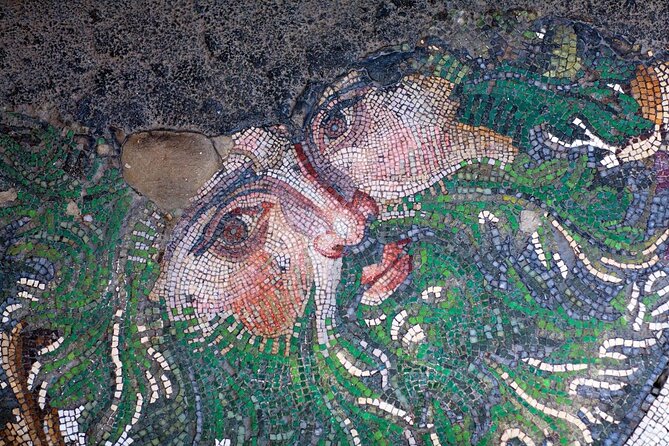
The pitch is simple: you’re not just looking at Istanbul’s history from street level. You’re walking through today’s neighborhood while a Byzantine world sits under it—sometimes in plain sight through openings, sometimes deeper where you need the right access and context.
This is the kind of tour that helps you understand why Istanbul can feel confusing at first. You’ll see buildings that look ordinary, then your guide points out what’s happening beneath them: older walls, older paths, older water systems. That moment—when the city clicks into layers—is exactly why people book this.
The tour runs about 3 to 5 hours, starting at 10:00 am and ending back at the meeting point. Along the way, you’ll get guided stops that mix underground and above-ground highlights, with admission listed as free for the stops in the plan.
Constantine’s Palace and cisterns: seeing Byzantine power through water
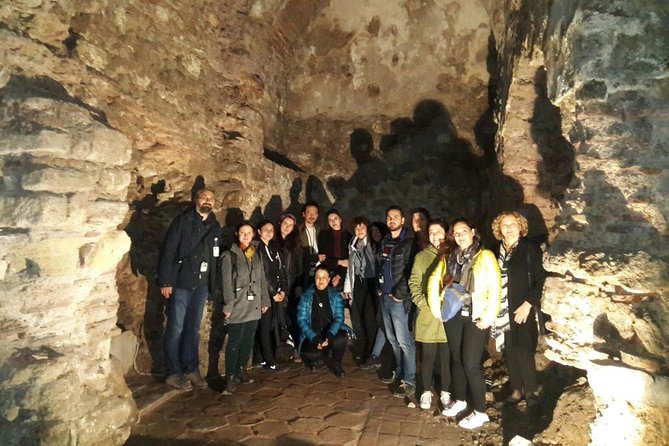
The star of the underground portion is the area tied to Constantine’s Palace. Even if you’ve heard of Constantine before, it lands differently when you’re standing in the physical setting—because palace history in Istanbul isn’t just about marble halls. It’s also about systems: courtyards, passages, and, very often, how a city keeps water moving.
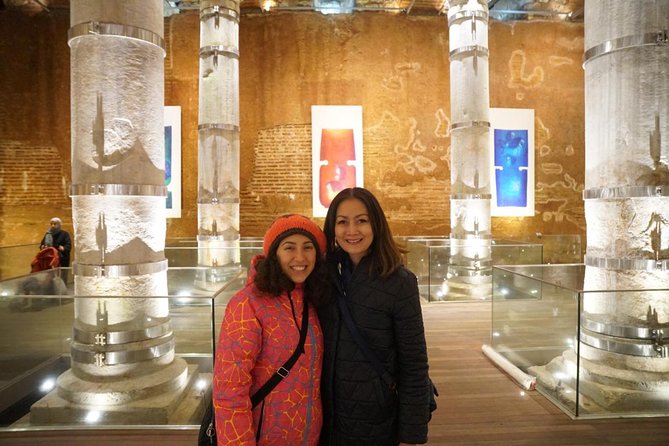
Then come the hidden ancient cisterns. Cisterns aren’t glamorous in the way a cathedral is glamorous, but they’re practical and brilliant. In Istanbul, underground water storage tells you a lot about engineering, daily life, and how empires supported a growing city.
A good guide makes this section work. Many people mention strong guide performance here, including guides named Ece, Ege, and AJ. The consistent theme in the feedback is that the explanations don’t stop at dates. You’ll hear architecture and function—how the space was used, why it was built, and what kind of life it supported.
What to expect in your body, not just your eyes: underground parts tend to mean uneven ground, steps, and cooler air. Wear shoes you don’t mind getting dusty, and keep your pace steady.
You can also read our reviews of more tours and experiences in Istanbul.


Küçük Ayasofya (Gazi Süleyman Paşa Mosque): a small building with a big lesson
After the underground work, you’ll head to Küçük Ayasofya – Gazi Süleyman Paşa Mosque. This stop is short—about 20 minutes—but it’s chosen for a reason: it helps you connect Byzantine church architecture with what the Ottomans later reshaped.
The tour description flags the key idea. Like Hagia Sophia, this was originally a church and later converted to a mosque. Your guide’s job here is to show you the architectural clues—what looks familiar to Hagia Sophia fans, and what makes this place its own reference point. Even if you’re not an architecture nerd, the guide framing helps you notice details faster.
This is also a good breather stop. After walking and underground segments, you get a clear above-ground landmark where you can reset your bearings. If rain or crowds are affecting your day, a guide may adjust timing, and some groups mention taking a quick break over tea during weather delays.
The Hippodrome at Sultanahmet Square: where chariot races became a city square
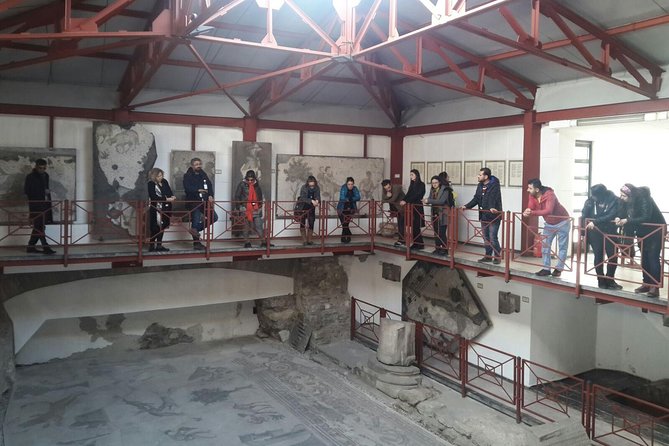
Next up: the Hippodrome, now largely experienced as part of Sultanahmet Square. The tour keeps this portion brief—around 15 minutes—but it’s a meaningful stop if you like the idea that the city keeps reusing the same ground.
The Hippodrome was the heart of Byzantine-era chariot races and public celebrations. Today, it’s a square you move through while modern Istanbul keeps doing what modern Istanbul does. The trick is learning to “read” the location again: your guide translates the space from a general landmark into a once-critical public stage.
If you’re starting your Istanbul trip and want a fast orientation, the Hippodrome can help. It sits in the area where many of the city’s major sights cluster, so it also supports the bigger story: Istanbul grew outward, but it also layered inward.
Why Byzantine Istanbul is so underground
This is the question the whole tour nudges you toward: Why is so much here underfoot?
Your guide will explain that Istanbul isn’t just one city built on one foundation. It’s a set of cities stacked over time. Empires rebuild. Leaders renovate. Earth and time cover what used to be open. In a city like this, you end up with an “upper Istanbul” and a “lower Istanbul”—and often the lower one still contains the bones of power: palaces, places of worship, and water management.
That’s why an underground tour feels more educational than many surface-only walks. Instead of seeing history as a list of monuments, you start seeing it as infrastructure and adaptation.
And the underground sites you visit aren’t random. They’re tied to major Byzantine themes—how the empire managed religion, how it managed water, and how it organized elite spaces. Once you grasp that, the city stops looking like scattered sights and starts looking like an operating system.
Price and logistics: what $45 gets you (and what it doesn’t)
At $45, you’re paying for two things more than for entrance tickets:
1) A guide with access and context
2) Time in areas that are less straightforward to see on your own
The plan lists admission for the stops as free and includes all taxes, fees, and handling charges, plus a professional guide. Food and drinks are not included. There’s no lunch in the price.
So the fair value question becomes: Do you want guided interpretation and specialized underground time? If yes, $45 can be a strong deal for Istanbul. If you prefer to wander independently with a book and long hours at fewer sites, you may feel this tour is more “structured walking” than “free exploration.”
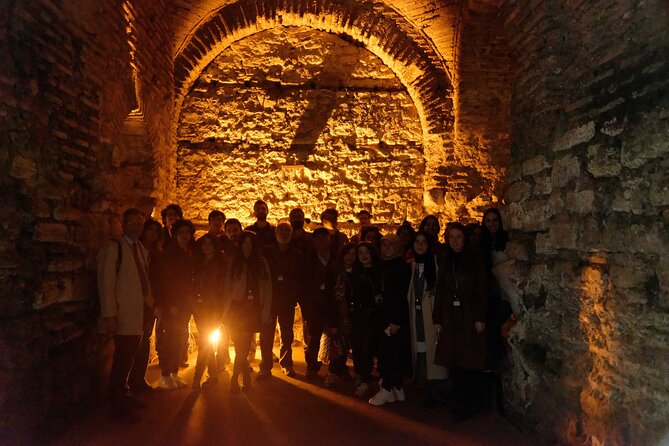
Also note the practical side. The tour is small-group with a maximum of 15 travelers, which usually keeps things from turning into a slow conga line. It also helps the guide answer questions without shouting over everyone.
One more logistics detail matters if you hate wasting time: the tour begins at Binbirdirek, Divan Yolu Cd. No:15, 34122 Fatih/İstanbul at 10:00 am, and it ends back at the meeting point. The plan is set up for you to meet there, near public transportation.



Walking pace, comfort, and how to time your day
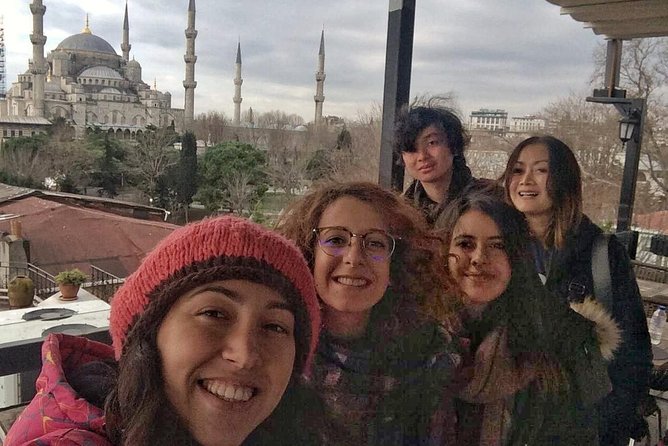
This is a walking tour. Even if underground sections limit how far you go, you’ll still cover multiple spots across the old city area. Comfortable shoes are non-negotiable—this is not a flip-flop kind of day.
You’ll also want a bit of stamina for the rhythm: underground segment first, then above-ground stops. Because the timed stops (about 20 minutes and 15 minutes) are short, you’ll feel the schedule. If you’re the type who likes to linger and take 50 photos of the same wall, set expectations now.
Weather matters in Istanbul. Some people mention the guide adjusting during rain and extending time over tea. That’s not guaranteed, but it’s a sign that a good guide will try to keep the day moving even when conditions change.
Helpful planning tips:
- If you need energy, build in a moment for coffee or a tea break during the day. Some guides include suggestions in their storytelling flow.
- Bring a small water bottle if you can, even though food and drinks aren’t included.
- Expect shade changes and indoor cooler air during underground parts.
Timing and shop stops: how to make it feel worth your money
One debate that can pop up with tours like this is that access to underground and tucked-away remains often requires a path that passes by shops, working businesses, or spaces connected to the sites. In some cases, there can be brief time spent in places like local workshops for demonstrations (for example, tile or rug-related stops show up in the tour’s broader experience pattern).
Here’s how you can stay in control of the value:
- If the guide explains the stop as part of the access story or how materials relate to the buildings, lean in. It often becomes context, not a distraction.
- If you’re shopping-averse, keep your questions focused on what you’ll see next underground or how the architecture connects to Byzantine life.
- Use the short time to decide: this is a guided history walk, not a free shopping hour.
This tour’s strength is the underground content. As long as you treat other short pauses as “tools to get to the good stuff,” the day usually makes sense.
Who should book this tour (and who might skip it)
This tour is a great fit if you:
- Want Byzantine Istanbul more than postcard Istanbul
- Like archaeology, architecture, and the practical logic behind how cities worked
- Enjoy guided storytelling that helps you read the city layers
It might not fit you if you:
- Want a long, slow visit to just one major monument
- Prefer independent wandering with minimal schedule
- Really hate any time spent in commercial spaces, even briefly
If you’re on your first or second day in Istanbul and you want the city to “click” early, this is a strong pick. Once you see how much is underground, Hagia Sophia-area landmarks and Sultanahmet streets feel less random.
Should you book Ancient Rome Under Istanbul?
If your goal is to understand Istanbul as a layered city—where palaces, chapels, and water systems sit below today’s streets—then yes, this is worth your time. The value comes from guided access and interpretation, not from entrance tickets or a long museum-style schedule.
Book it if you’re comfortable with moderate walking and short timed stops. Skip it if you’re craving a slow, single-site day or if you’d rather pay for food and museum entries on your own instead of for the guide-led underground experience.
FAQ
FAQ
How long is the tour?
The duration is listed as about 3 to 5 hours.
What does the tour cost?
The price is $45.
Where do I meet for the tour?
The meeting point is Binbirdirek, Divan Yolu Cd. No:15, 34122 Fatih/İstanbul, Türkiye.
What time does the tour start?
The start time is 10:00 am.
Is food included?
No. Food and drinks, including lunch, are not included.
What’s included in the price?
The price includes a professional guide and all taxes, fees, and handling charges.
Do I need to pay separate admission fees for the stops?
The listed stops show admission ticket free.
How many people are in the group?
The tour has a maximum of 15 travelers.
What’s the cancellation policy?
You can cancel up to 24 hours in advance for a full refund. If you cancel less than 24 hours before the start time, the amount paid will not be refunded.