REVIEW · ISTANBUL
Istanbul Ancient Monasteries Full-Day Tour with Lunch
Book on Viator →Operated by Istanbul Walks · Bookable on Viator
Byzantine Istanbul still has a pulse. This full-day, small-group walk through Constantinople’s surviving religious sites is a clever way to see the city’s Christian and Ottoman layers without racing to the usual mega-attractions. I love how the tour shines a spotlight on Chora’s Byzantine mosaics and frescoes and also pairs them with quieter monuments like the Church of St Polyeuktos. One thing to factor in: it’s a long day with a lot of street walking.
What makes it work is the mix of big-art moments and small, “wait—what is this?” stops, plus the personal feel of a group capped at 4. If your guide is someone like Ilker, Diana, Serhat, or Lutfallah (names that come up in participant feedback), you’ll likely get clear, human context for both Christian tradition and how later Ottoman-era changes reshaped these buildings. The main drawback is simple: lunch is included, but it’s not positioned as fine dining—so if you’re very picky, plan your expectations accordingly.
In This Review
- Key highlights to know before you go
- The day’s route: Sarachane, Fatih, and Constantinople’s leftovers
- Chora Church: the Byzantine art stop you’ll remember
- St Polyeuktos and the church remains you can read in stone
- Pantocrator layers: churches become mosques, and meaning shifts
- Fethiye Mosque (Pammakaristos): Byzantine mosaics in a funerary setting
- St John the Forerunner and the lunch reset
- Tekfur Sarayi (Tekfur Palace): palatial space with a darker edge
- The outside-view “Constatinople network” stops
- Price and value: when $781.90 makes sense
- Who should book this Constantinople monasteries tour
- Should you book it?
- FAQ
- What time does the tour start?
- How long is the Istanbul Ancient Monasteries tour?
- How many people are in the small group?
- Is hotel pickup and drop-off included?
- What language is the guide?
- Is lunch included, and what does it typically include?
- Are admissions required for the stops?
Key highlights to know before you go
- Up to 4 people means you’ll get more than a drive-by explanation at each stop
- Chora Church is the visual wow moment, focused on Byzantine mosaics and frescoes
- Sarachane-to-Fatih route gives you a tour of older, less-touristy streets on the European side
- Byzantine churches turned mosques shows the real layering of Istanbul’s past
- Lunch included with a two-course style break (often soup/salad plus meat-and-eggplant)
- Hotel pickup and drop-off keeps you from spending your day wrangling transit
The day’s route: Sarachane, Fatih, and Constantinople’s leftovers
You start in the morning with pickup from a centrally located hotel on the European side, then ride in an air-conditioned minivan toward Sarachane. This matters more than it sounds. Istanbul traffic can turn “a quick stop” into wasted time, and here you’re set up for a smooth start and a clean finish back at your hotel.
Once you’re out on foot, the tour’s rhythm is what makes it satisfying. You’re not just checking buildings off a list. You’re learning how Constantinople’s religious institutions evolved—sometimes staying put, sometimes changing hands, sometimes leaving only carved traces in the stone.
The day is built around short walks and outside viewing at most sites, which keeps the pace manageable even for a full schedule. Still, you’ll move. Plan for uneven sidewalks and cobblestones. Bring walking shoes you’d trust for an extra 2–3 km.
You can also read our reviews of more tours and experiences in Istanbul.

Chora Church: the Byzantine art stop you’ll remember
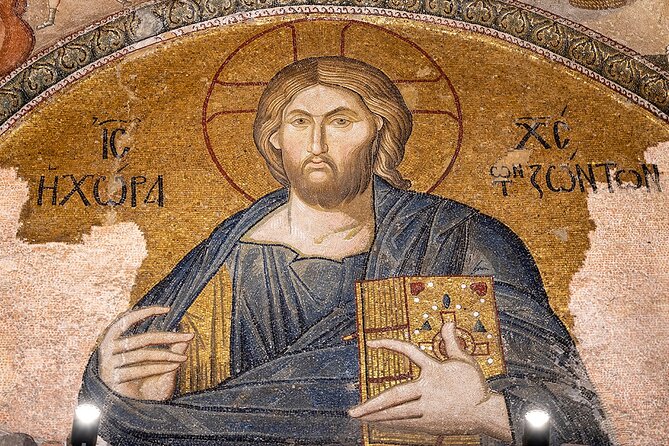
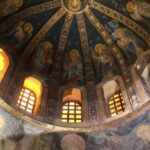
Chora Church (also known as the Church of the Holy Saviour in Chora) is the tour’s main “look closer” moment. Your guide brings you to the heart of why this place matters: the church is famous for Byzantine-era art, especially mosaics and frescoes tied to Christ’s life.
If you’ve visited the big headline sites first—Hagia Sophia, the Blue Mosque—this is a different kind of payoff. Instead of scale, Chora is about detail. Expect your guide to point out how the imagery works, not just what it looks like. That’s the difference between seeing a mural and understanding why it was painted here, in this kind of setting.
Timing is also your friend. You don’t feel like you’re sprinting through Chora between photo ops. The whole tour is paced so that Chora lands as a highlight rather than a rushed stop.
Practical note: mosaics and frescoes reward patience. If you take your time here, you’ll feel like you “got it” by the end of the visit.
St Polyeuktos and the church remains you can read in stone
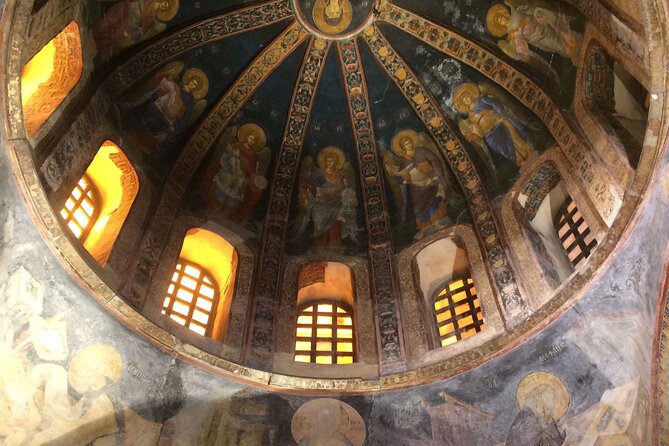
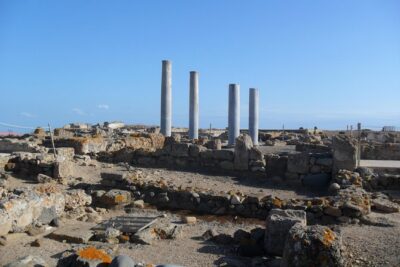
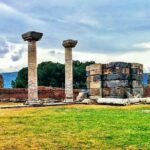
After heading into Sarachane, the tour takes you to the carved remains of St Polyeuktos. This isn’t a shiny restoration. It’s one of those places where the structure is incomplete, but the story still comes through if you know what to look for.
The big idea is context. Your guide explains how the church was built in the 6th century and why it was considered one of the most important Christian sanctuaries in Constantinople. You’ll also get a sense of how the city’s neighborhoods grew around these institutions—then later shifted as political power changed.
This stop is valuable because it trains your eye. You start noticing what survives: fragments, shapes, and the way stone carving hints at importance even when the building itself can’t stand fully intact. If you like history you can physically see, this is one of the most rewarding sections of the day.
Pantocrator layers: churches become mosques, and meaning shifts
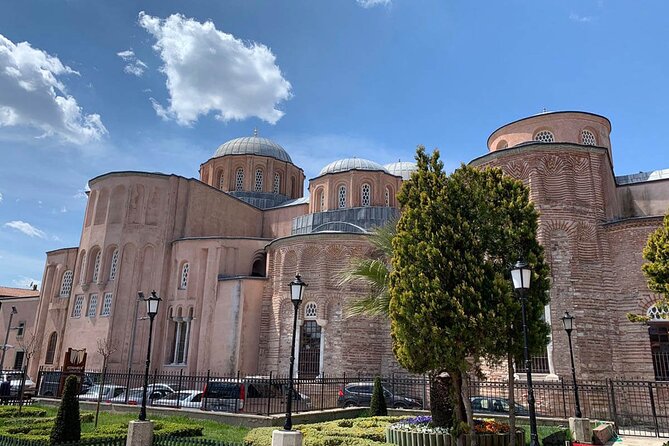
A big theme of the tour is religious transformation over time. You’ll visit the Church of Pantocrator, built in the 12th century and later converted to a mosque. The tour description also highlights the presence of an ancient cistern at this site, which adds a practical, everyday angle to the story.
Here’s what I like about this approach: it avoids treating Istanbul like a museum where everything stays frozen in time. Instead, you’re shown how one building can keep serving a community—even as rituals and symbols change.
You also get to see the “continuity through change” pattern that repeats across Istanbul. The stones and architecture keep the memory, even when the iconography switches.
Fethiye Mosque (Pammakaristos): Byzantine mosaics in a funerary setting
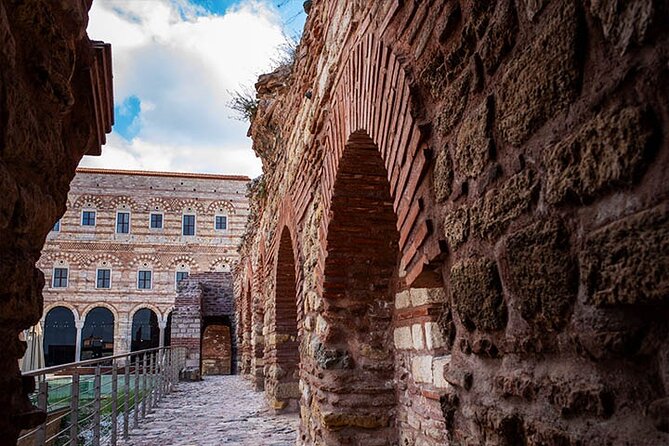
Another key stop is the Pammakaristos Church, now the Fethiye Mosque. The tour focuses on its funerary chapel and its stunning Byzantine mosaics.
This is one of those places where the mood matters. Funerary art isn’t meant to be loud or flashy. It’s made to guide thought, grief, hope, and belief—so your experience feels more intimate than the art stops you might associate with major imperial spaces.
If you enjoy “small room, big meaning,” you’ll likely love this section. Your guide should help you connect the mosaic imagery to why it was placed there in the first place, not just when it was built.
St John the Forerunner and the lunch reset
After you leave the earlier church/mosque stops with your guide, you’ll head toward the Monastery Chapel of St John the Forerunner. This is described as Istanbul’s eldest standing church. The point of the visit isn’t just age—it’s feeling how old religious spaces anchor a neighborhood even after centuries of change.
Then comes lunch. The tour typically includes a two-course meal—often starting with soup or salad, followed by a main that’s commonly described as meat and eggplant. It’s a traditional style of meal, and it gives you a real pause in the middle of a long walking day.
One balanced take: lunch is included and usually hearty, but it’s not positioned as gourmet dining. If you’re the type who needs your included meal to feel exceptional every time, you may wish the lunch had a bit more attention for the overall price. If you’re flexible and just want a satisfying break with local food, you should feel good about it.
Tekfur Sarayi (Tekfur Palace): palatial space with a darker edge
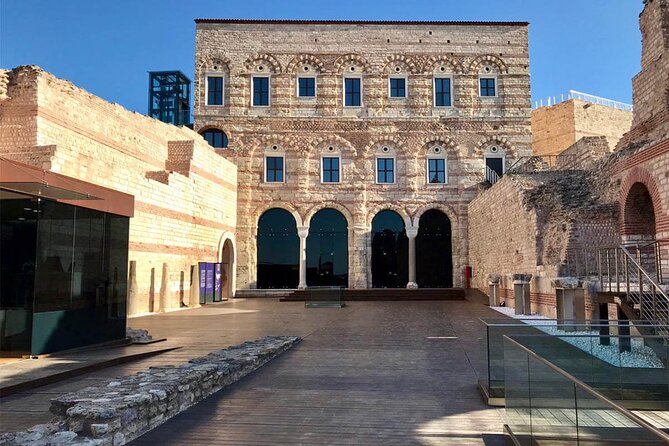
You’ll also make time for Tekfur Sarayi, known as the Palace of the Porphyrogenitus area. The tour focuses on the palace’s layout and atmosphere: archways, courtyards, and the elegant façade.
What I found especially useful about this stop is the way your guide frames it. You’re shown how it functioned for royalty until the Ottoman era shifted control, and you also hear how the spaces later felt less like a fairytale setting and more like a place tied to imprisonment and storage in later periods. That contrast is what makes walking through the area meaningful.
Even if your access is largely exterior, Tekfur Sarayi works because the palace is about form. Once your guide points out the rhythm of the architecture—where power sat, where movement was controlled—you start seeing the building as a machine for status.
The outside-view “Constatinople network” stops
Not every stop here is a full interior visit. Many are outside viewing, which actually helps the pacing of a day that runs roughly 6 hours 40 minutes to 7 hours 30 minutes.
Here are the extra stops you’ll weave into the route:
- Vlaherna Meryem Ana Church: an Eastern Orthodox church, giving you another Christian tradition in the same broader city story
- Church of St. Mary of the Mongols: highlighted as the only remaining Byzantine church of Constantinople that has never been converted to a mosque, staying with the Greek Orthodox Church
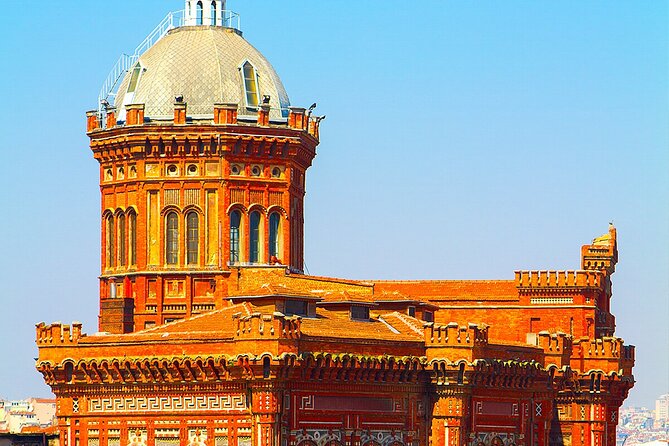
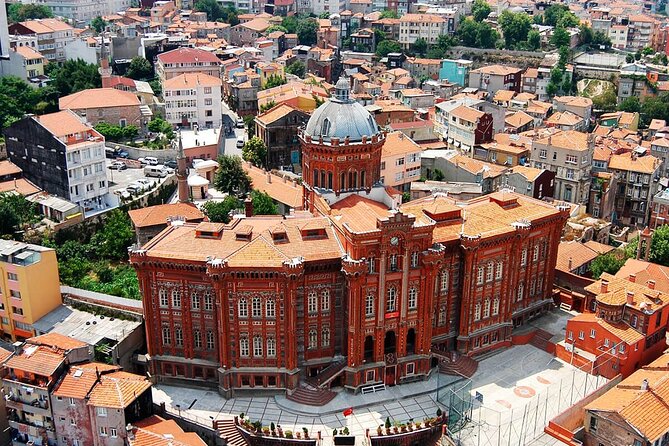
- Private Fener Greek High School: the oldest surviving and most prestigious Greek Orthodox school in Istanbul (a reminder that institutions outlive buildings)
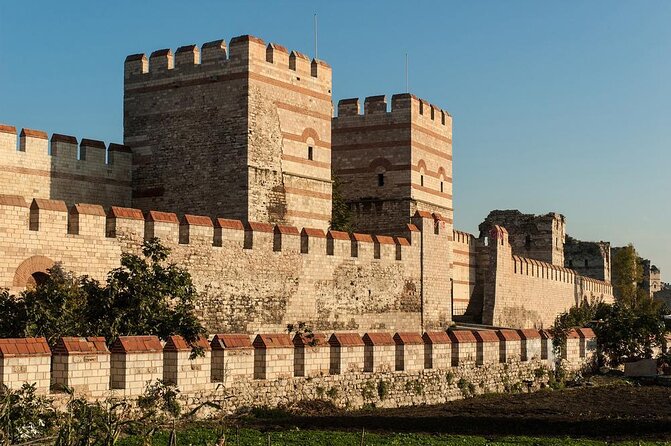
- Walls of Istanbul: you’ll see the walls and gates tied to the city’s defensive identity
- Molla Zeyrek Mosque: described as a mosque made of two former Eastern Orthodox churches plus a chapel, reinforcing the theme of transformation
- Fener Rum Patrikhanesi (Ecumenical Patriarchate): you get a view tied to the Greek Orthodox leadership presence in Istanbul
These are quick, but they add up. You end the day feeling like you understand the city’s religious map better, not just a list of famous sights.
Price and value: when $781.90 makes sense
The tour price is $781.90 per group for up to 4 people, with an English-speaking licensed guide, hotel pickup/drop-off, transportation, and lunch included. That means your cost per person depends entirely on how many seats you fill.
- If you take 4 seats, you’re effectively paying around $195 per person (not counting what you’d value from the lunch and guide time)
- If it’s just 1 or 2 people, the per-person cost becomes a lot harder to justify
So here’s my value test: this is worth it if you’re traveling with friends or want the comfort of pickup plus focused, guided context on the Byzantine/Constantinople theme. It’s less worth it if you’re booking solo and expecting the tour to act like a budget walking tour. You’re paying for a smaller group and a guided route that connects the sites into one coherent story.
I also like that many of the stops are listed as free admission, which lowers the “nickel and dime” factor during the day.
Who should book this Constantinople monasteries tour
This tour fits best if you:
- Want Byzantine Christian sites and how they link to later Ottoman and Muslim use
- Already did the major headline attractions and want a different angle
- Enjoy walking old streets and learning what to notice in fragments, not just intact monuments
- Prefer the small-group feel and the chance to ask questions as you go
It’s not a great match if you:
- Hate walking for hours, including uneven ground
- Expect a full “tourist bus” approach with minimal street time
- Want a luxury lunch experience rather than a traditional included meal
Should you book it?
If you love art details, religious history you can physically see, and a guide who keeps both Christian and Muslim traditions in the frame, this is a strong choice. The Chora Church art stop is the kind of moment that sticks with you, and the rest of the route gives you context so it doesn’t feel like a one-off.
Book it confidently if you can share the group cost (or you simply want the small-group comfort). Think twice if you’re budget-focused or you know you don’t do well with long walking days.
FAQ
What time does the tour start?
The tour starts at 9:00 am.
How long is the Istanbul Ancient Monasteries tour?
It runs about 6 hours 40 minutes to 7 hours 30 minutes.
How many people are in the small group?
The tour has a maximum of 4 travelers.
Is hotel pickup and drop-off included?
Yes. Pickup and drop-off are complimentary from centrally located European Side hotels.
What language is the guide?
The tour is offered in English.
Is lunch included, and what does it typically include?
Lunch is included. The meal is usually a two-course option, commonly starting with soup or salad, followed by a meat and eggplant entree.
Are admissions required for the stops?
The stops are listed as having free admission tickets in the tour information, which helps keep costs down.
If you want, tell me how many people are in your party and what you already plan to see in Istanbul, and I’ll suggest whether this should be your next morning, your contrast day, or a good pairing with other Byzantine sites.