REVIEW · BELGRADE
Belgrade: Football History Tour
Book on GetYourGuide →Operated by Serbian Adventure Factory · Bookable on GetYourGuide
Football rivals meet real street life. In 3.5 hours, you trace how Belgrade’s Eternal Derby shapes neighborhoods, art, and identity. I like the Dorćol walk through Partizan territory and the stop inside Red Star’s museum to see the Champions League trophy. One drawback to consider: the story doesn’t stay “just football,” so you’ll hear about ultras culture and how clashes can become violent.
Guides make the difference here. In English, you’ll get clear answers and a human style that goes beyond match stats, with standout guides like Andrija and George, plus Thiomir and Vojin showing up in the feedback. You also end up with a small gift at the end, which feels like a nice touch when the tour is over.
Key things to know before you go
- Dorćol + Partizan stronghold street art: You’ll connect supporter identity to real walls in central Belgrade.
- Red Star Rajko Mitić Stadium museum access: You get inside the club space, not just photos from outside.
- The 1991 Champions League trophy display: A rare Eastern European winner—right there in the museum.
- Ultras and politics, explained in context: You’ll learn how fan groups intersect with history and power.
- Short Partizan stadium visit: Limited time, but enough to compare the two sides of the rivalry.
- English guides who answer everything: Past tours highlight guides who handle off-topic questions too.
In This Review
- Dorćol and the Eternal Derby: the walk that makes it real
- Rajko Mitić Stadium and the 1991 Champions League trophy
- Partizan Stadium: a quick stop with real contrast
- Football meets history, politics, and crime—explained without fluff
- Guides who turn facts into a story: Andrija, George, Thiomir, Vojin
- Timing and logistics: 3.5 hours that actually fit Belgrade
- Is $82 good value for this tour?
- Who should book—and who should skip it
- Should you book this Belgrade football history tour?
- FAQ
- Where is the tour meeting point?
- How long is the tour?
- What will we do in Dorćol?
- What do we see at Red Star Belgrade?
- Is Partizan Stadium included?
- Is the tour available in English?
- Is the tour wheelchair accessible?
- FAQ
- Can I cancel for a refund?
- Are entrances included, or do I pay on site?
- Do I get a gift at the end?
Dorćol and the Eternal Derby: the walk that makes it real
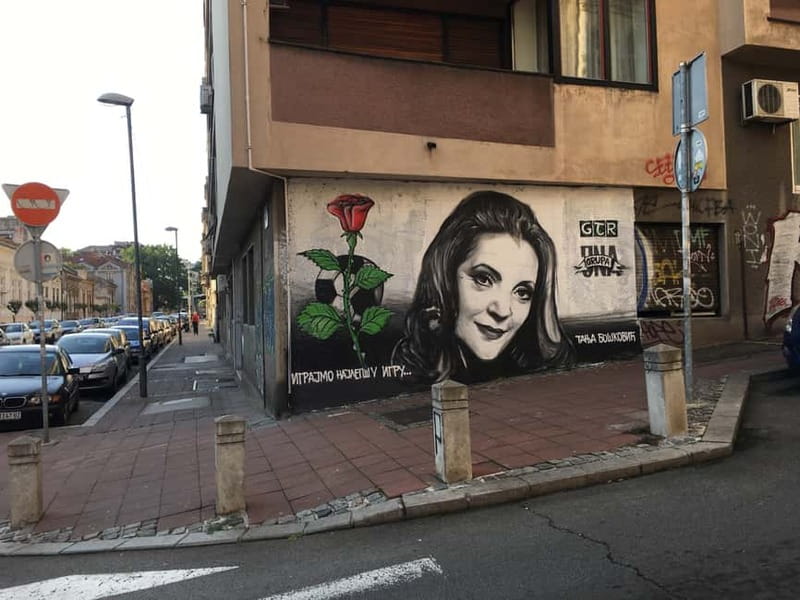
The tour starts in central Belgrade near Studenstki trg. After you meet your guide (the meeting point is at the entrance of the park), you head to Dorćol, and the city starts talking. Dorćol is where the rivalry stops being abstract. It’s a neighborhood you feel in the streets, not a topic you read about later.
The guide leads a paced walk through Dorćol for about an hour, and the main “wow” isn’t a single viewpoint. It’s the pattern: walls, symbols, and street art that tip you off to allegiance. You’ll see how supporters mark space and how those visual cues reflect who lives nearby, who remembers which era, and what the clubs mean to people beyond the stadium.
Why this matters: if you only visit stadiums, you miss the daily layer. Belgrade’s football culture isn’t confined to match days. It shows up in public space, in stories, and in how people talk about “us” and “them.” This first segment sets the tone, so the later stadium visits feel like chapters in the same book.
Practical consideration: because the tour is structured and time-boxed, the Dorćol segment is guided and focused, not long free-roaming. If you want to wander on your own for an extra hour, you may feel slightly time-pressed.
Rajko Mitić Stadium and the 1991 Champions League trophy
Next comes the big anchor stop: Rajko Mitić Stadium and the FK Crvena Zvezda museum. You travel there by car after the Dorćol walk, which helps keep the tour tight and keeps you out of unnecessary transit time.
At the stadium, you get a guided visit and time inside the museum (around 75 minutes). This is where the tour earns its credibility for football fans. Red Star’s museum doesn’t treat the club’s best moments like trivia. It presents the story as a living point of pride, especially the era when European giants such as Real Madrid, Liverpool, and Bayern Munich tasted defeat in the late 1980s and early 1990s.
Then there’s the centerpiece: the Champions League trophy on display. Red Star is noted here as the only Eastern European club to win that competition, with the achievement in 1991. Even if you’re not a die-hard, that fact lands because it’s concrete and physical. You can point, look, and understand why locals get emotional talking about it.
A museum tip: go with a curious mindset. The trophy is the headline, but the guide’s job is to connect the museum objects to the city around them—why those victories mattered, and why they’re still referenced when politics and football collide later in the story.
You can also read our reviews of more tours and experiences in Belgrade.

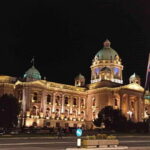

Partizan Stadium: a quick stop with real contrast
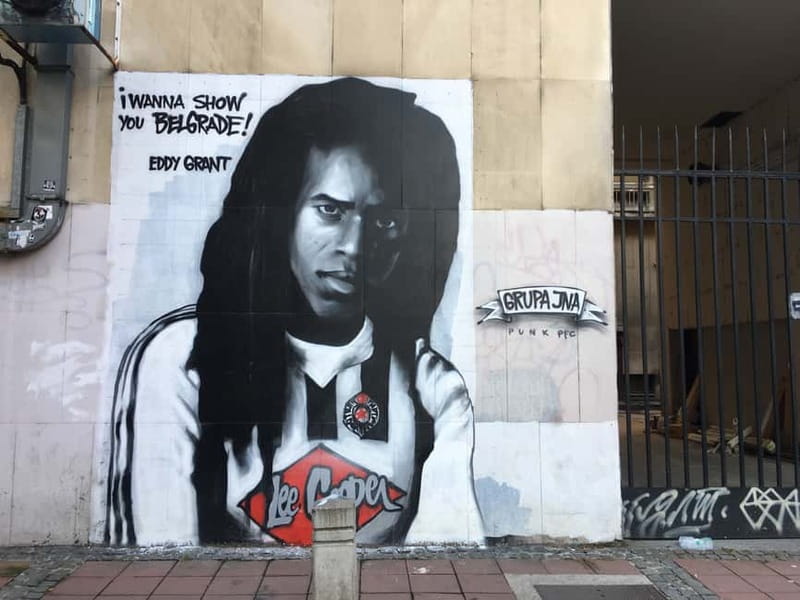
After Red Star, you also visit Partizan Stadium. This is shorter—about 20 minutes—so you’re not getting a second, full museum experience. Still, it’s a valuable contrast.
The point of the Partizan stop isn’t to “complete both sides” with equal time. It’s to let you compare two identities in the same afternoon. When you’ve already heard about Dorćol as Partizan territory and then visited Red Star’s museum, the Partizan visit becomes less about architecture and more about meaning.
What you can expect: a guided visit, some sightseeing, and a walk. You’ll see how the clubs’ presence in the city feels different, even when the rivalry mechanics sound similar on paper.
Who might feel it’s too short: if you’re a Partizan fan who wants deep stadium detail and museum-level context, you may wish the itinerary gave more time here. If you want the bigger picture—how the derby plays out across Belgrade—you’ll likely find the pacing works.
Football meets history, politics, and crime—explained without fluff
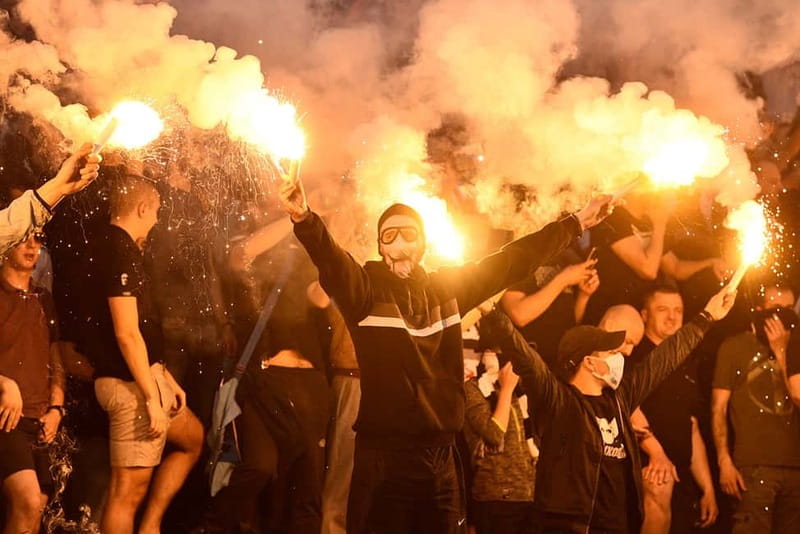
One reason this tour gets strong ratings is the way it connects the sport to the city’s bigger currents. You learn about the relationship between history, politics, and football in Belgrade, and you do it through the lens of how supporters operate.
The guide talks about the “Eternal Derby” between FK Partizan and Red Star Belgrade—and then pushes beyond the clubs themselves. You’ll hear how supporter groups and fan firms, including “ultras,” are treated as a major part of fan culture for both sides. The tour also covers how these groups can influence society across different strata, and how rivalry can spill into violent clashes.
Important tone note: this isn’t presented as sensational drama. It’s framed as context for why football culture in Belgrade carries weight. If you’ve ever wondered why local matches can feel like identity battles, this is where the explanation clicks.
Possible drawback: if you prefer sports tours that stay strictly on tactics, players, and stadium lore, the political and violence-related context may feel heavy. You’re still getting a football-focused tour, but it’s rooted in real-world Belgrade dynamics.
Guides who turn facts into a story: Andrija, George, Thiomir, Vojin
The most praised aspect of this experience is simple: you get strong guidance. People highlight that the guides are not only fluent in English, but also quick with answers and willing to handle questions even when they wander off the main subject.
Names that show up in the feedback include:
- Andrija, praised for being very knowledgeable and easy to talk to, with great communication.
- George, sometimes touring alongside Andrija and described as friendly with answers for everything.
- Thiomir, noted for being prepared and for pointing out fan murals in the city center before stadium visits.
- Vojin, singled out for being very knowledgeable and helpful.
That guide quality matters because the tour covers more than landmarks. It moves between neighborhoods, stadium space, and political-cultural context. If the guide can’t explain, it becomes a list. Here, the emphasis is on interpretation—turning what you see into an explanation of why it’s that way.
Another small but meaningful detail: at the end, you receive a small gift. It won’t change your itinerary, but it does make the tour feel like a complete experience rather than a quick drop-off and walk away.
Timing and logistics: 3.5 hours that actually fit Belgrade
This is a short tour—about 3.5 hours total. You’ll do:
- a guided Dorćol walk (about an hour),
- a car ride to Red Star’s stadium,
- a guided museum visit (about 75 minutes),
- a shorter Partizan stadium visit (about 20 minutes),
- and then return to the start area near Studenstki trg.
What makes the timing work is the mix of walking and driving. Dorćol is handled on foot, so you can pick up street-level clues. Then the car segments connect you between stadium locations without turning your afternoon into commuting.
If you have limited time in Belgrade, this is a good fit. You’re also getting specific access: entrance to the Red Star stadium and museum. That’s usually what makes tours like this feel worthwhile—you’re not just outside looking in.
Is $82 good value for this tour?
At $82 per person, the value depends on what you want out of Belgrade. If you’re paying mainly for a photo stop, it’s not the cheapest move. But if you want guided context plus real stadium museum access, it starts to make sense.
Here’s what’s included in the experience:
- Dorćol walking tour
- entrance to Red Star stadium and museum
- car journey between key points
So you’re not just buying narration. You’re paying for access and time with a local guide. Add in the one-of-a-kind museum display—the 1991 Champions League trophy—and the visit becomes more than a neighborhood stroll.
My practical take: this tour is best value if you’re interested in culture and meaning, not only football. If you come expecting match highlights, you might be surprised by how much attention goes to politics, government, and supporter culture.
Who should book—and who should skip it
You’ll probably love this tour if:
- you care about how sports create identity in a city,
- you want a guided walk that includes street art and supporter cues,
- you’re curious about why the derby carries history and political weight,
- you’d enjoy stadium visits even if you’re not a lifelong fan.
You might want to think twice if:
- you prefer sports tours that stay strictly on players, tactics, and game facts,
- the topic of ultras and violent clashes would make you uncomfortable,
- you’re expecting equal time at both stadiums, since Partizan gets a shorter visit.
It’s also a good option for people who want Belgrade from a different angle. The tour format is compact, and the guide’s style (clear explanations and question-friendly approach) is a big part of why it works.
Should you book this Belgrade football history tour?
If your goal is Belgrade with meaning, book it. The combination of Dorćol street-level supporter culture and the Red Star museum with the Champions League trophy is exactly the kind of experience that helps you understand a place beyond a checklist.
I’d especially recommend it if you’re the type who likes asking questions and getting straight answers. Guides such as Andrija and George (and others like Thiomir and Vojin) are praised for being prepared and responsive, and that makes a big difference on a tour that mixes football with politics and neighborhood identity.
If you’re sensitive to tough topics, you can still enjoy the museum and the general cultural framework, but go in aware that the derby story in Belgrade includes real-world tensions.
FAQ
Where is the tour meeting point?
You meet your guide at the entrance of the park near Studenstki trg.
How long is the tour?
The total duration is 3.5 hours.
What will we do in Dorćol?
You’ll take a walking tour in Dorćol (about an hour), including sightseeing as you learn about the clubs, supporters, and street art connected to the derby.
What do we see at Red Star Belgrade?
You visit Rajko Mitić Stadium and the club museum, including the Champions League trophy display.
Is Partizan Stadium included?
Yes. You have a short visit to Partizan Stadium (about 20 minutes), with sightseeing and a walk.
Is the tour available in English?
Yes, the live guide operates in English.
Is the tour wheelchair accessible?
Yes, it is wheelchair accessible.
FAQ
Can I cancel for a refund?
You can cancel up to 24 hours in advance for a full refund.
Are entrances included, or do I pay on site?
Entrance to Red Star Stadium and the museum is included.
Do I get a gift at the end?
Yes. You receive a small gift as a memento at the end of the tour.