REVIEW · BELGRADE
Belgrade: NATO Bombing Historical Tour
Book on GetYourGuide →Operated by Belgo d.o.o. · Bookable on GetYourGuide
Belgrade’s scars are still visible. This short NATO bombing tour connects the Kosovo War to what you can still see in 1999-era damage, with guides like Nemanja and Andreja bringing the story to street level. I especially like the way the route spotlights bombed buildings left as reminders, and then pivots to memorial stops that honor victims instead of just reciting events. One thing to consider: the subject is heavy and emotional, so go in mentally ready for a somber, not a sightseeing, vibe.
You start with hotel pickup and drop-off, then ride between key locations while your guide explains what led to the airstrikes and what followed for Serbia and its people. The tour is listed at 2.5 hours, but I’d also keep flexibility in mind since at least one booking reported a shorter, about-an-hour experience with the same general focus.
At $89 per person, you’re paying for live interpretation plus transportation—so it’s best when you want context, not just photos. If you prefer light-and-lazy walking tours, this may feel too intense.
In This Review
- Key Things I’d Put on Your Radar
- Seeing the 1999 NATO Bombing Through What’s Still There
- The Stops That Make This Tour Feel Real: Aftermath Sites and Reminders
- Memorials for Victims: How Remembrance Changes the Tone
- Kosovo War Context: Making Sense of Why and What Followed
- The Guide Experience: Live, English-Language Interpretation That Keeps Moving
- Price and Value: What $89 Buys in 2.5 Hours
- Who This Tour Suits Best (And Who Might Want a Different Plan)
- Practical Tips So You Get More From It
- Should You Book This NATO Bombing Historical Tour in Belgrade?
- FAQ
- Where does the tour take place?
- How long is the tour?
- What does the tour cover?
- Is the tour guide live and in English?
- Is hotel pickup and drop-off included?
- Do you provide transportation?
- What are the main highlights?
- How much does the tour cost?
- Can I cancel for a full refund?
- Is there a reserve now, pay later option?
- Final Take
Key Things I’d Put on Your Radar
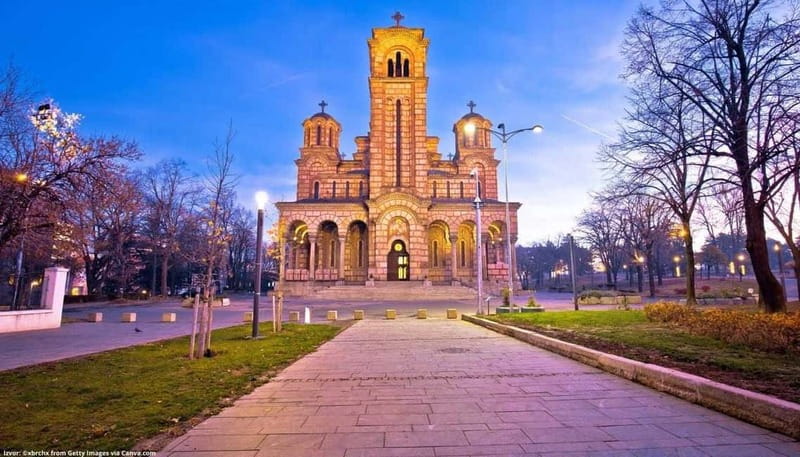
- Bombed-site viewing in Belgrade, including places that were targeted and left as reminders
- Clear Kosovo War context, so the strikes make sense historically (not just politically)
- Memorials for victims, where the tone shifts from event facts to remembrance
- Live English guide, with guides noted for being friendly and helpful
- Hotel pickup and transportation, useful if you don’t want to map the route yourself
Seeing the 1999 NATO Bombing Through What’s Still There
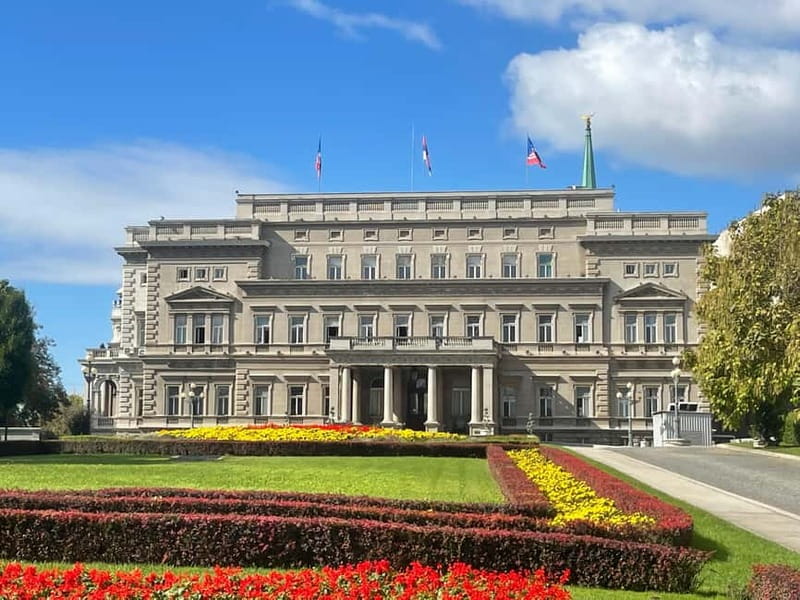
This tour works because it doesn’t treat the NATO bombing of Belgrade as an abstract date. Instead, you look at the city’s physical aftermath—places where destruction happened and areas tied to the conflict. That changes the experience. A textbook timeline gives you dates. These streets give you scale: what was hit, what was left, and how the city carried on after.
I also like that the tour isn’t only about the airstrikes themselves. You get the lead-up, the international responses, and the consequences for Serbia. That matters because it helps you understand why these sites still carry weight today, long after the smoke cleared.
You can also read our reviews of more tours and experiences in Belgrade.
The Stops That Make This Tour Feel Real: Aftermath Sites and Reminders
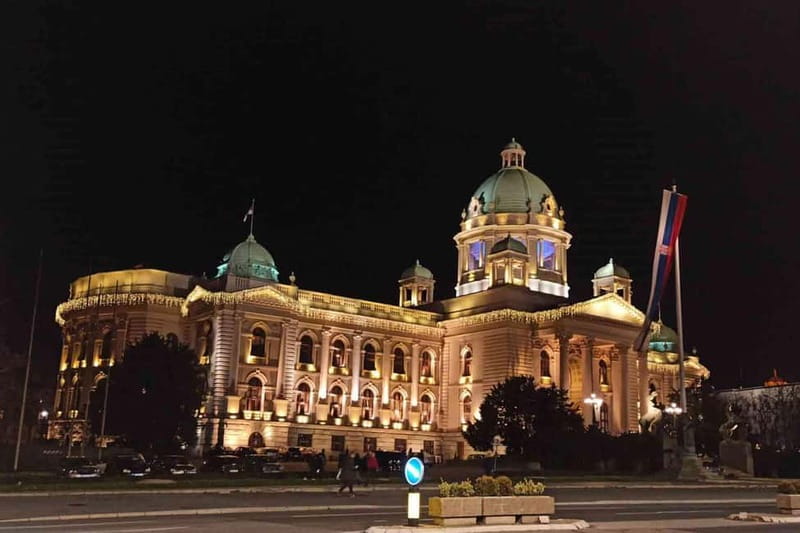
Expect to visit the remains of demolished buildings and other poignant locations tied to the NATO raids. Your guide uses these points to explain the context and what the bombing meant locally—socially, politically, and in terms of reconstruction.
Two specific locations are highlighted during the tour experience: the TV headquarters that was bombed by NATO and the ministry of defence building, both described as having been left behind in a way that reminds people of the conflict. Seeing these kinds of sites is a different experience than visiting a museum. Museums curate the story. These buildings are still in the urban fabric, which can make the message feel more immediate.
One practical note: some of the “aftermath” you’ll see may be harder to visually interpret from the street if you’re expecting dramatic rubble piles. The tour’s value is in the guide’s framing—what to look for and why it matters.
Memorials for Victims: How Remembrance Changes the Tone
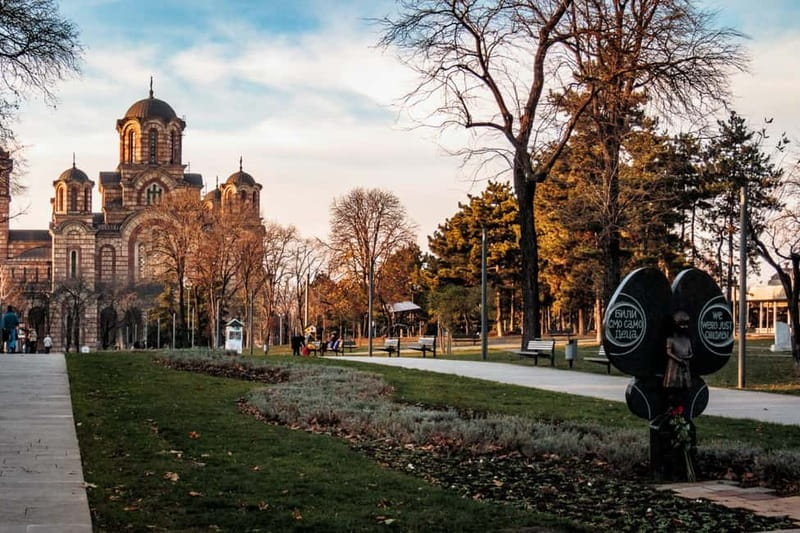
After the damage-focused moments, the tour shifts toward memorial monuments dedicated to the victims of the war. This is where you get the emotional counterweight. The story stops being only about military action and becomes about people—who was affected and how remembrance is handled in public space.
If you’re the type of traveler who hates turning tragedy into a photo backdrop, you’ll probably appreciate this part. The memorial stops give you time to reflect, and your guide’s commentary helps keep the focus on human impact rather than spectacle.
I found it useful that the tour explicitly connects remembrance with lasting legacy and national identity. You’re not just collecting facts. You’re learning how these sites became markers that people continue to reference.
Kosovo War Context: Making Sense of Why and What Followed
A big strength of this experience is the way the guide ties the NATO bombing of Belgrade into the broader Kosovo War. You’ll hear a history of the war and the bombings, plus the consequences that the bombings had for Serbia. That context helps you avoid the common problem of looking at a single event without understanding the chain of events that led up to it.
You also get a sense of resilience and reconstruction efforts—how a society rebuilds while still living with the marks of what happened. Even if you don’t agree with every political conclusion (and honestly, many visitors won’t), the guided approach helps you understand the lived reality behind the headlines.
That balanced context is why I think this tour fits history-minded travelers who want more than a quick stop at a memorial plaque.
The Guide Experience: Live, English-Language Interpretation That Keeps Moving
This is a live tour with an English-speaking guide. That matters because the subject is complicated, and the best way to handle that is with real-time explanations and the ability to ask follow-up questions.
From the guide style described in bookings, both Nemanja and Andreja stood out for being friendly and for explaining history in a way that feels engaging rather than lecture-like. One booking also described the guide as entertaining, which is a good sign if you worry that conflict history tours will drag.
Another detail that can affect your experience: one booking reported the tour only lasting around an hour, while another clearly expects 2.5 hours. That kind of variation can happen if the group is small and timing shifts. Either way, the goal stays the same: bombed locations plus memorial context.
Price and Value: What $89 Buys in 2.5 Hours
At $89 per person for about 2.5 hours, you’re not just paying for a route. You’re paying for three things that add up fast when you try to DIY:
- A guide to explain the sites and link them to the Kosovo War timeline
- Transportation, with hotel pickup and drop-off included
- A structured visit to both aftermath sites and memorials, without you having to plan everything
If your goal is simply to see a couple of monuments, you could probably do that on your own. But if you want meaning—why these buildings were hit, why these areas are remembered, and how Serbia’s story is told through public sites—then the guide adds value quickly.
Also, it’s a good length for a day in Belgrade. Two and a half hours doesn’t eat up your whole schedule, but it’s long enough for a real conversation about context.
Who This Tour Suits Best (And Who Might Want a Different Plan)
This tour is a strong match if you:
- Like history tied to real places, not just indoor exhibits
- Want to understand the NATO bombing of Belgrade in the larger Kosovo War story
- Prefer guided interpretation when topics are political or emotionally charged
- Would rather rely on hotel pickup and transportation than stitch together your own route
It may be less ideal if you’re:
- Looking for upbeat sightseeing with minimal emotional weight
- Sensitive to conflict-related topics and want a gentler approach
- Expecting a casual walking tour with lots of flexible photo stops
If you do book it, I’d go in with curiosity and respect. You’ll get the most out of it when you treat the sites as living parts of the city’s memory.
Practical Tips So You Get More From It
- Wear comfortable shoes. You’ll be moving between key locations, and conflict history sites can’t always be fully viewed from one exact angle.
- Come with at least one question in mind, like what you want to understand about the Kosovo War timeline or the long-term consequences for Serbia.
- Keep your tone respectful. This isn’t about “edgy” photos; it’s about remembrance and explanation.
- If you’re short on time, this is still a good fit. Even when the experience can feel closer to an hour in some cases, you’ll still get the key focus: bombed sites plus memorial context.
Should You Book This NATO Bombing Historical Tour in Belgrade?
Yes, if you want a guided, English-led look at the 1999 NATO bombing aftermath—and you care about context, consequences, and remembrance, not just landmarks. The combination of bombed-site viewing, memorial monuments, and transport makes the $89 price feel like a practical way to get meaning in a short window.
Skip it if you want a light, relaxed city tour. This one is designed to leave you thinking, not just looking.
FAQ
Where does the tour take place?
The tour is in Belgrade, Serbia, focusing on sites connected to the 1999 NATO bombing.
How long is the tour?
The duration is listed as 2.5 hours.
What does the tour cover?
You’ll learn about the NATO bombing of Belgrade in 1999, including history around the Kosovo War, the bombings, their consequences for Serbia, bombed buildings, and memorials for victims.
Is the tour guide live and in English?
Yes. The tour includes a live English-speaking guide.
Is hotel pickup and drop-off included?
Yes. Hotel pickup and drop-off are included.
Do you provide transportation?
Yes. Transportation is included as part of the experience.
What are the main highlights?
The key highlights include learning the Kosovo War and bombing context, visiting buildings bombed in NATO raids, and discovering memorials and monuments dedicated to victims.
How much does the tour cost?
The price is $89 per person.
Can I cancel for a full refund?
You can cancel up to 24 hours in advance for a full refund.
Is there a reserve now, pay later option?
Yes. You can reserve your spot and pay later.
Final Take
If you’re curious about how modern Belgrade remembers 1999, this tour gives you an organized, respectful way to see the aftermath and understand why it’s still referenced today.