REVIEW · MUMBAI
3 Hours Early Morning in South Mumbai Heritage Bicycle Tour
Book on Viator →Operated by Mumbai Dream Tours · Bookable on Viator
Waking up early pays off fast. This 3-hour South Mumbai heritage bicycle ride takes you past major sights like the Gateway of India while keeping things calmer than later in the day. I like that the tour focuses on cool-morning comfort and practical route planning, so you can cover more ground on a bike and still feel like you’re moving through the city at street level.
Two things I’m especially happy about: bikes and helmet access (helmet availability is upon request) and a professional guide who keeps the history and culture understandable while you’re rolling. The one thing to consider is the early start and the fact you’ll be cycling for the full 3 hours, so plan for moderate physical effort and show up ready to pedal.
In This Review
- Key Points I’d Plan Around
- Why This 6:00 AM Start Works in Mumbai
- Meeting at Kailash Parbat and Getting Your Bike Sorted
- Gateway of India: Colonial Landmarks at Ferry Time
- Chhatrapati Shivaji Terminus and Crawford Market in One Breath
- Marine Drive’s Queen Necklace Views, Without the Swarm
- Sassoon Dock, Bombay Panjrapole, and Mumba Devi Temple
- Zaveri Bazaar: Jewellery Browsing at the Calmest Hour
- Food, Water, and Pace on a 3-Hour Ride
- Who This Tour Fits Best (and Who Might Prefer Something Else)
- Price and Value: What $36.29 Buys You
- Should You Book the 3 Hours Early Morning Heritage Bicycle Tour?
- FAQ
- How long is the South Mumbai heritage bicycle tour?
- What time does the morning tour start?
- Where is the meeting point?
- Does the tour end at the same place?
- Are bikes and helmets included?
- Are drinks and water included?
- Are entry tickets required for the stops?
- How big is the group?
- Can I cancel for a refund?
Key Points I’d Plan Around
- 6:00 AM start keeps you out of the worst heat and helps you see sights with fewer people around.
- Max group size of 15 means you’re not stuck in a huge pack with slow moving gaps.
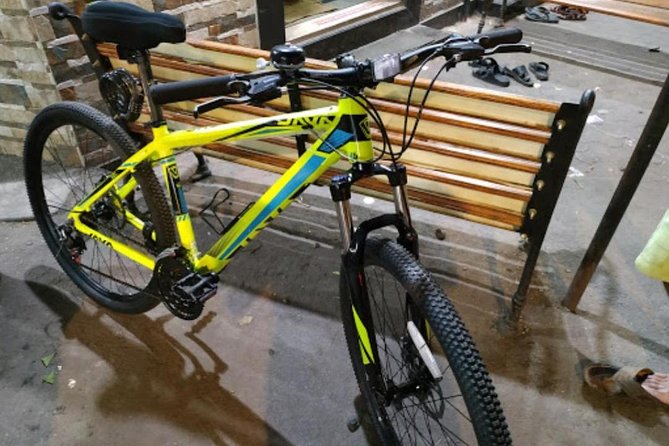
- Bikes, helmet (upon request), bottled water, and drinks are handled for you, so you can focus on the route.
- Every stop is admission-free listed on the itinerary, which helps the value feel straightforward.
- Colaba-based meeting point makes it easy if you’re already staying in that part of South Mumbai.
Why This 6:00 AM Start Works in Mumbai
South Mumbai changes fast once the day warms up. The whole point of this tour is timing: you get moving at 6:00 AM, when the streets feel more breathable and the city is still waking up. You’re not just saving time; you’re saving energy.
The other advantage is crowd control. The itinerary includes big-name landmarks like Gateway of India, plus busy areas like markets. Going early doesn’t magically erase crowds, but it does mean you’ll spend more of your limited time watching the place instead of dodging people.
And yes, cycling helps. Even if you’re not racing anyone, riding a bike lets you cover distances that would eat your morning on foot. The tour also plays to a smart reality of Mumbai: traffic can slow you down, so shifting the sightseeing format to a bike ride is a real win.
You can also read our reviews of more tours and experiences in Mumbai.
Meeting at Kailash Parbat and Getting Your Bike Sorted
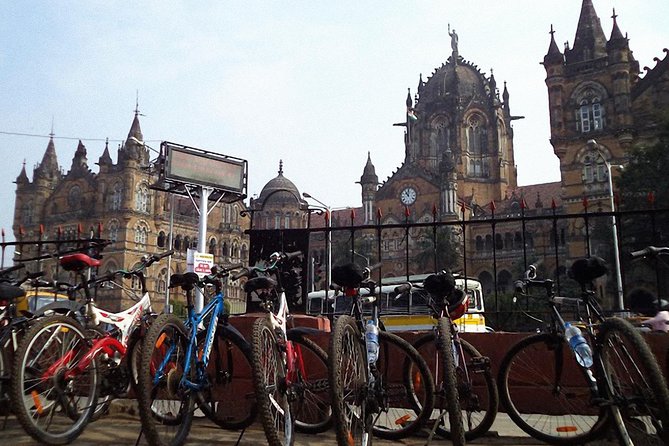
You’ll meet at Kailash Parbat Restaurant in Colaba, right back at the same spot at the end. That matters more than it sounds. It’s an easy anchor point, and it cuts down on stressful mid-tour logistics.
From there, the tour runs with a simple rhythm: guide-led stops, short time blocks, then back on the bike. The group stays small—up to 15 people—which usually means you get better flow through tight areas.
Here’s what you can count on from the included setup:
- A professional, qualified guide
- Bicycle rental included
- Helmet rental available upon request
- Drinks during the tour plus bottled water
Also note the tour uses a mobile ticket, so you’ll want your phone charged and accessible.
A practical consideration: this ride is built for moderate fitness. If you’re someone who hates feeling rushed, start hydrating the night before and take it easy on the first stretch while you settle into the pace.
Gateway of India: Colonial Landmarks at Ferry Time
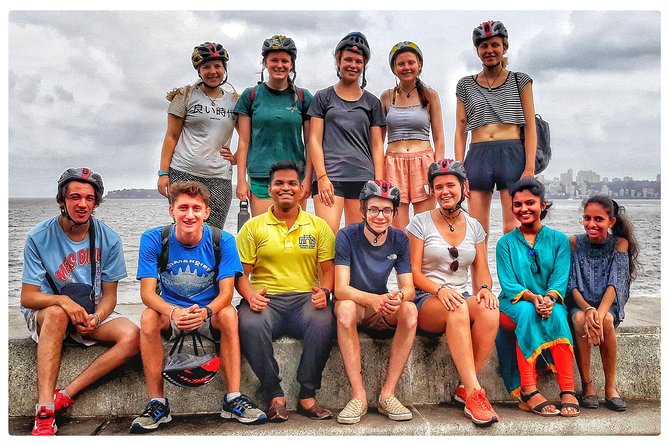
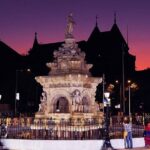
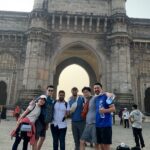
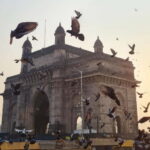
Your first stop is the Gateway of India, and the itinerary gives you about 30 minutes here. The monument was constructed during the era of the British Raj, and you can see that colonial-era styling immediately in the structure’s presence.
What I like about starting here is the contrast. The Gateway sits in an area with ferry services and a lot of entertainment activity, so it can draw visitors later. In the early morning window, you’ll get more time with the monument as a landmark—less as a bottleneck.
At a practical level, Gateway of India is also a strong orientation point for first-timers. You’ll understand where the waterfront energy sits, and the bike ride shortly afterward helps you leave the “attraction” zone and slip into quieter back lanes.
One drawback? If you were hoping for deep time inside a building or museum-style immersion, this first stop is still primarily a street-and-landmark visit. You’ll get a taste, not a full day’s worth of sightseeing here.
Chhatrapati Shivaji Terminus and Crawford Market in One Breath
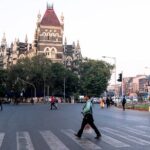
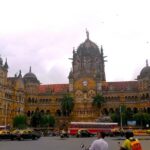
After Gateway, you move to Chhatrapati Shivaji Terminus for about 20 minutes. The itinerary highlights two things you should pay attention to: the station’s connectivity to central, harbor, and outstation trains, and the way the exterior reflects a colonial-era architectural perseverance.
Even if you don’t study architecture, the station’s role in everyday movement becomes obvious fast. You’re seeing a place that still works, not just something preserved behind glass.
From there, you head to Crawford Market for another 20 minutes. This stop is described as the first shopping destination that ran on electricity in ancient ages, and it’s said to remain unaffected by modern advancements. That’s a curious claim, but here’s how to interpret it for your visit: the market experience is about atmosphere. You’re going to see commerce without the feeling of a modern retail theme park.
What you gain from combining Terminus and Crawford Market is variety without changing your day’s rhythm. In just one morning block, you go from rail-centered city life to a market where people shop and move through everyday routines.
A consideration: these are short stops. If one of these is your top priority, use your time actively—scan for details, check street-level views, and don’t wait until the last minute to ask your guide questions.
Marine Drive’s Queen Necklace Views, Without the Swarm
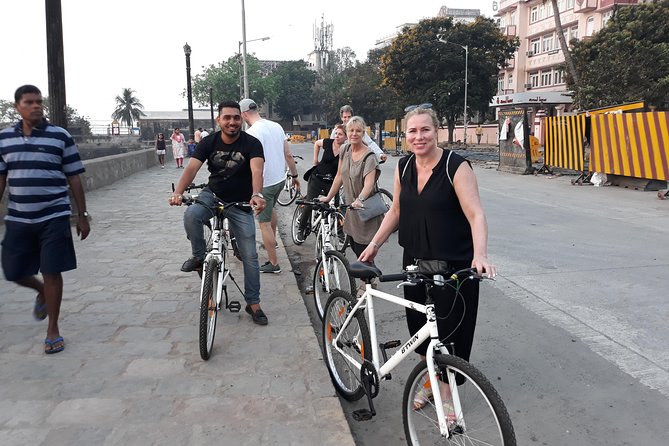
Next up is Marine Drive for about 20 minutes. The name matters here: it’s also called the queen necklace, and the itinerary points to views out toward the Arabian Sea.
Marine Drive is the kind of place where a little time goes a long way—especially early. In the morning light, you can appreciate the shape and the coastline without the later-day crowd pressure.
Even though this is a quick stop, it’s a useful pause in the itinerary. Up to this point, you’ve been looking at major built structures and market activity. Marine Drive gives your eyes a break and helps you reset before you head into more temple and dock territory.
If you’re someone who likes ocean views, you’ll likely enjoy this part more than you expect, because it’s timed to a calm start. If you’re not into sea views, look at it like a scenic breathing space that keeps the ride from feeling too “same-same” architecturally.


Sassoon Dock, Bombay Panjrapole, and Mumba Devi Temple
Now the tour shifts tone. You go from big-city landmarks into places with older layers of meaning and routine.
First is Sassoon Dock, about 20 minutes. The itinerary calls it one of the oldest docks, constructed in 1875. If you’ve been thinking the waterfront is just scenery, this stop adds a different perspective: this is a work-adjacent part of the city, where the past and present meet in the same area.
Then you continue to Bombay Panjrapole for about 30 minutes. The concept here is explained through how villages donated cows so temples could use the milk for prasad, including items like kheer and sometimes mava and other sweets. That detail is more than trivia. It helps you understand the reason people care about the place, and why it’s tied to both religion and food culture.
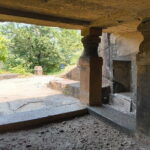
After that comes Mumba Devi Temple for about 20 minutes. The itinerary notes it’s an old temple dedicated to the goddess Mumbā, described as a local incarnation of the Devi. It also mentions that the Marathi मुंबा comes from Sanskrit. You don’t need a lecture to feel the age of a temple like this; it’s in the setting and the devotional presence.
One note on how to approach temple stops on a bike tour: don’t expect a slow museum-like pace. You’re there to observe, learn the basics from your guide, and move on. If you want longer, quiet time, you may need to return on another morning after the tour.
Zaveri Bazaar: Jewellery Browsing at the Calmest Hour
Your final stop is Zaveri Bazaar, about 20 minutes. The itinerary describes it as a famous jewellery market for gold, diamonds, artificial necklaces, and pieces like jhoomka and rings.
This stop can be a fun payoff. Up to this point, the tour has leaned cultural and historical. A market gives you a different kind of connection: the city as a place where people buy, gift, and show identity through objects.
Because you’ll be visiting early, you’re more likely to enjoy browsing than fighting through a dense crowd. You’ll still see plenty of movement, but the morning timing helps the experience feel less like a sprint.
If shopping isn’t your thing, don’t force it. You can still use the time to look at how streets and shops work together—what’s prominent, what’s everyday, and how the bazaar fits the broader South Mumbai story.
Food, Water, and Pace on a 3-Hour Ride
This tour doesn’t make you plan hydration like an expedition. It includes drinks during the tour and bottled water. That’s exactly what you want at 6:00 AM, because even in cooler hours, you can feel the momentum of a long morning on the go.
The overall format is also worth appreciating. At around 3 hours total, you’re getting a full circuit of stops without losing your day. By the time you’re done, you’ll still have time for other plans without needing a second transportation plan or a full-day commitment.
Expect short stops that work like chapters. Each stop is listed at around 20 to 30 minutes, so you’ll get an overview at every point. The trade-off is that you won’t linger until you feel like you’re done. If you love one specific spot, take extra notes during your time there so you can return later.
Who This Tour Fits Best (and Who Might Prefer Something Else)
This is a strong match if you:
- Want a morning activity that doesn’t eat your whole day
- Like structure—see a set list of highlights, then ride on
- Prefer city navigation by bike over walking in traffic-heavy areas
- Are staying in or near Colaba, since the tour starts and ends right there at Kailash Parbat
It’s also a good option for people who like history but don’t want to sit still for hours. The route includes temples and markets, plus iconic architecture, so you get variety without long transit gaps.
Who might want a different format? If you hate cycling or you know you’ll struggle with moderate physical effort, the bike-based nature may feel like too much. Also, if your main interest is one stop only—say, only Marine Drive or only Zaveri Bazaar—this tour may feel like you’re spreading attention across several places.
Price and Value: What $36.29 Buys You
At $36.29 per person, this tour is priced like a deal for a guided morning outing with bike and refreshments. The value gets clearer when you look at what’s included:
- Qualified guide
- Bicycle included
- Helmet available upon request
- Drinks during the tour
- Bottled water
- And the listed admissions for every stop are free
You’re essentially paying for organization, guiding, and the equipment—then enjoying the sightseeing time without separate ticket costs.
Another quiet value factor: it’s a small-group format capped at 15 people, and it runs every day with a set schedule. Also, it’s booked about 111 days in advance on average, which usually signals steady demand. Popular doesn’t always mean best, but for a guided early-morning tour, it often means the schedule works.
Should You Book the 3 Hours Early Morning Heritage Bicycle Tour?
I think you should book this if you want to experience South Mumbai in a way that feels practical, not rushed, and not trapped inside the worst traffic conditions. The big win is timing: 6:00 AM plus cycling means you see major landmarks and local culture while the city is calmer. Add in bikes, water, and drinks and a short, focused 3-hour loop, and it’s a solid way to start your day.
I’d skip it if you can’t handle moderate cycling time, or if you’re only interested in one single attraction and would rather spend hours there instead of moving from stop to stop.
If you’re deciding based on logistics, it’s especially tempting from Colaba and nearby areas because the meeting point is right in the neighborhood and the ride ends back where it begins.
FAQ
How long is the South Mumbai heritage bicycle tour?
The tour runs for about 3 hours.
What time does the morning tour start?
The morning tour starts at 6:00 AM.
Where is the meeting point?
You meet at Kailash Parbat Restaurant in Colaba (Sheila Mahal Society Shop no 5, 1st Pasta Ln, Colaba, Mumbai 400005).
Does the tour end at the same place?
Yes, the activity ends back at the meeting point in Colaba.
Are bikes and helmets included?
Bicycles are included, and helmets are available upon request.
Are drinks and water included?
Yes. Drinks during the tour and bottled water are included.
Are entry tickets required for the stops?
The itinerary lists admission tickets as free for each stop.
How big is the group?
The tour has a maximum of 15 people.
Can I cancel for a refund?
Yes, you can cancel for a full refund up to 24 hours before the experience start time. Free cancellation is available.