REVIEW · ATHENS
Acropolis, Plaka & Ancient Agora Guided Tour
Book on GetYourGuide →Operated by ATHENS WALKING TOURS · Bookable on GetYourGuide
Two ancient sites, one smart route. This Acropolis-to-Agora tour pairs a licensed guide with skip-the-ticket line so you spend more time seeing and less time waiting. I love the south-slope approach that helps you start with the Dionysus area before the main crush, and I love that the story continues at the Ancient Agora, not just at the Parthenon. One drawback to plan for: it’s steep, it includes steps, and you may still face security checks.
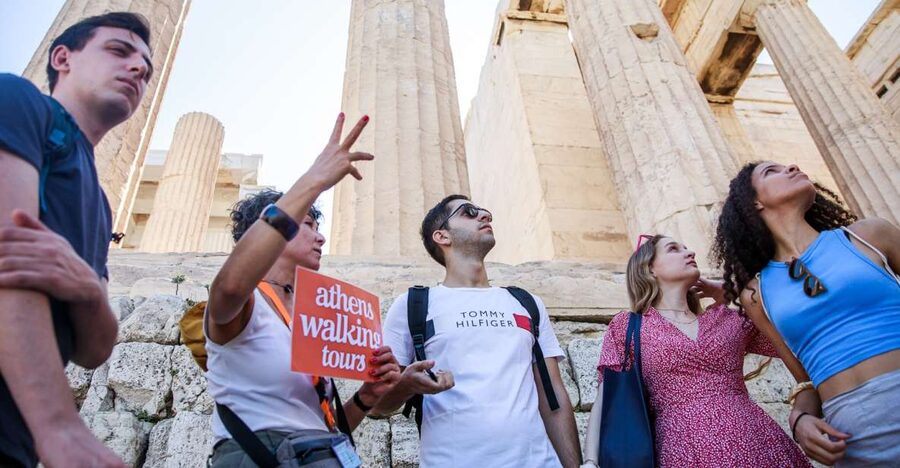
You’ll meet at 3 Dionyssiou Areopagitou Street by the orange Athens Walking Tours sign, then start around 11:00am at the Acropolis. Expect an English live guide, rain or shine, and no hotel pickup, so getting there early matters. Since there’s no included lunch, you’ll want to snack when the schedule gives you a break.
A final heads-up: entry times for the Acropolis and Agora are strict. If you don’t have the right ticket time slot, you can be turned away, and late arrivals can’t be waited for.
In This Review
- Key takeaways before you go
- Why the Acropolis + Ancient Agora pairing is the smart move
- Meeting point near Dionysios Areopagitou: arrive early and stay flexible
- Entering the Acropolis from the south slope and starting with Dionysus
- Parthenon day, plus the stops that make it feel like Athens
- Short free time at the top: photos without losing the plot
- No included lunch: plan snacks before heading to the Agora
- Ancient Agora: the marketplace, politics, and philosophy in one walk
- Socrates and Plato feet-on-stone moments
- Attalos Museum: the market details you’ll remember
- Skip-the-ticket line: what it helps, and what it can’t control
- Price and logistics: is $66 worth it?
- Walking pace, comfort, and who should book
- Should you book the Acropolis, Plaka & Ancient Agora Guided Tour?
- FAQ
- What’s included in the tour price?
- How long is the tour, and when does it start?
- Where do I meet the tour guide?
- Do I need to buy entrance tickets?
- Does skip-the-ticket line mean there will be no waiting?
- Is this tour wheelchair accessible?
- What should I bring, and what items are not allowed?
Key takeaways before you go
- South-slope entry: start with the Dionysus Sanctuary and Dionysus Theater area to avoid some crowds.
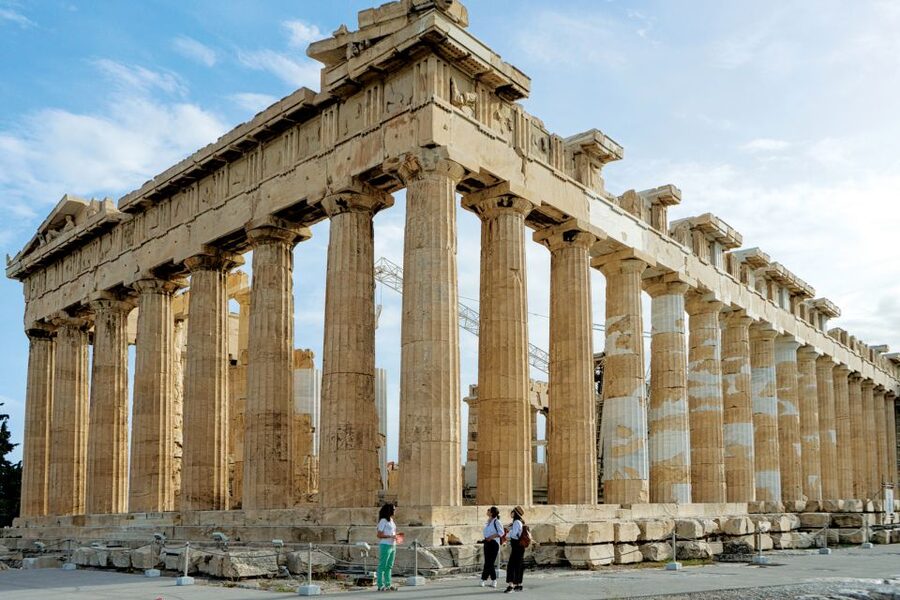
- Big monuments + supporting cast: Parthenon, Erechtheion, Propylaia, Nike Temple, plus sights like Odeon of Herodes Atticus.
- Time to breathe: free time at the Acropolis for photos and picture-taking after the guided portion.
- Agora that feels real: the commercial, political, and financial center, with Hephaestus Temple as the centerpiece.
- Attalos Museum stop: see artefacts tied to everyday market life, including original measures, weights, and ancient IDs.
- Value depends on ticket choice: the $66 price is strongest when you select the ticket option and match your entry times.
Why the Acropolis + Ancient Agora pairing is the smart move
If you’re short on time in Athens, this combo tour makes a lot of sense. You get the Acropolis as the religious and symbolic heart of ancient Greece, then you walk into the Ancient Agora where politics, commerce, and philosophy actually happened.
The big win here is continuity. The Acropolis answers the question of what the Greeks worshipped and celebrated. The Agora answers how they lived: debating, trading, building laws, and teaching.
For first-time visitors, that’s a more complete Athens picture than seeing monuments alone. You’ll still recognize the headline sites, but the guide helps the stones connect into a single story.
You can also read our reviews of more tours and experiences in Athens.



Meeting point near Dionysios Areopagitou: arrive early and stay flexible
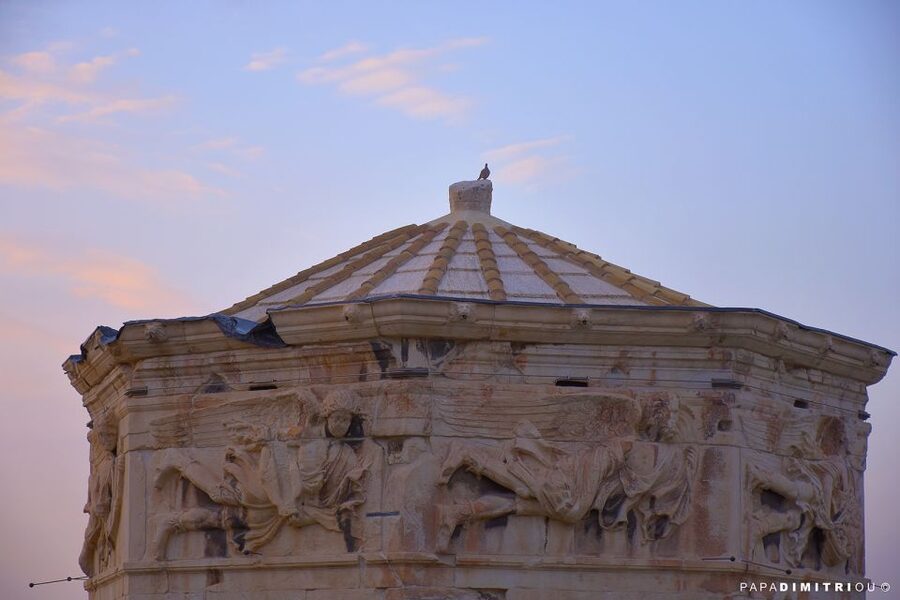
This tour meets at 3 Dionyssiou Areopagitou Street. Look for the orange sign with Athens Walking Tours at the start of the pedestrian walkway leading toward the Acropolis from Hadrian’s Arch, near Syngrou Avenue (often written as Siggrou/Syngrou).
Arrive 20 minutes early. Not because the tour company is extra strict, but because Athens sites use airport-style security, and timing can swing depending on visitor volume.
Also note what’s not included: there’s no hotel pickup or drop-off, and you’ll be walking on and around stone paths. If you’re using Google Maps, give yourself buffer time and don’t plan to rush at the last second.
Entering the Acropolis from the south slope and starting with Dionysus
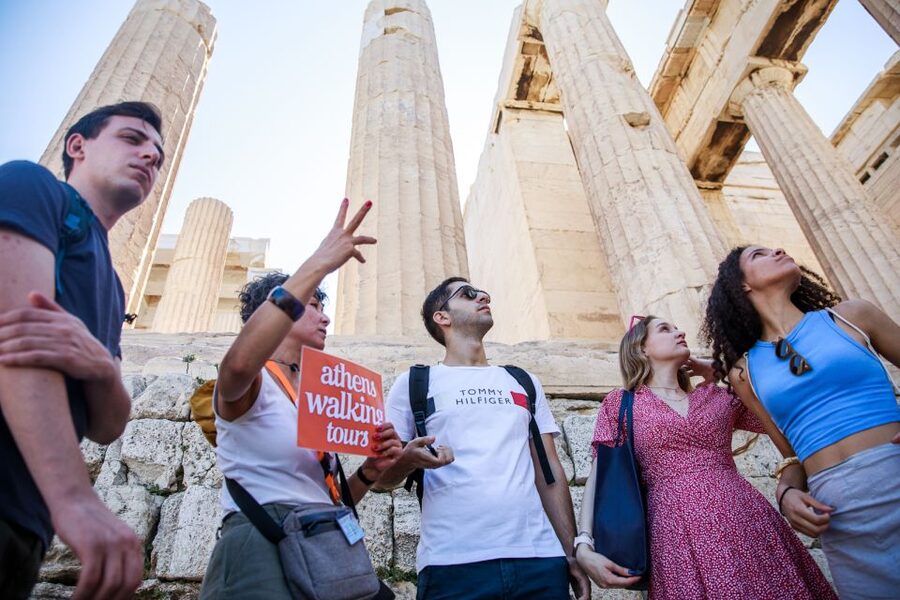
Most Acropolis tours jump straight into the most famous cluster of ruins. This one starts with a different angle: you enter from the south slope, which helps you begin with fewer crowd bottlenecks.
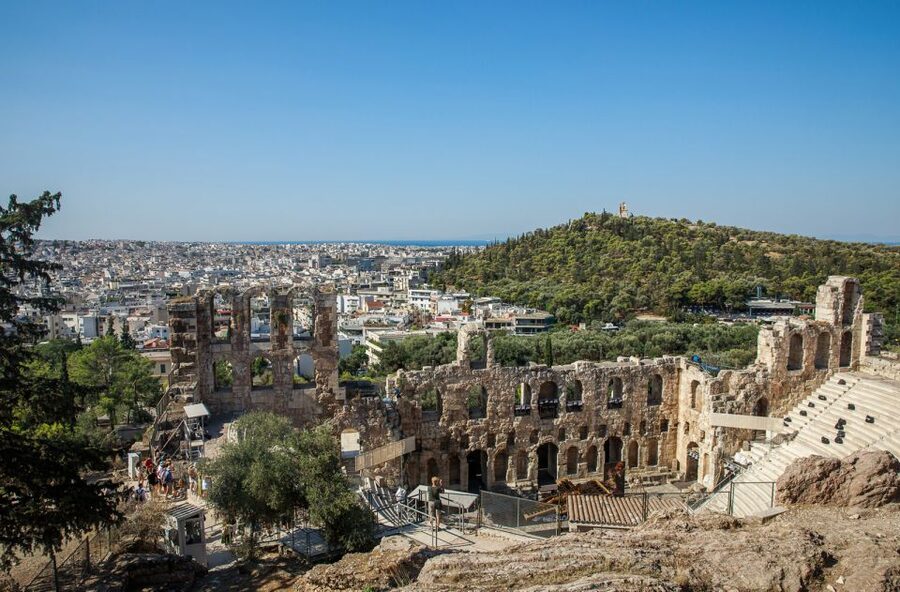
You’ll first visit the Dionysus Sanctuary and Dionysus Theater, both tied to the 5th century BC. Even if you don’t know Greek drama, this is a great way to reset your expectations. You’re not just looking at temples. You’re stepping into a sacred landscape where worship and performance overlapped.
As you begin to ascend the hill, you’ll also get unfolding city views. That matters more than it sounds. The Acropolis is hard to understand from photos. From the slope, the scale snaps into place fast.
Parthenon day, plus the stops that make it feel like Athens
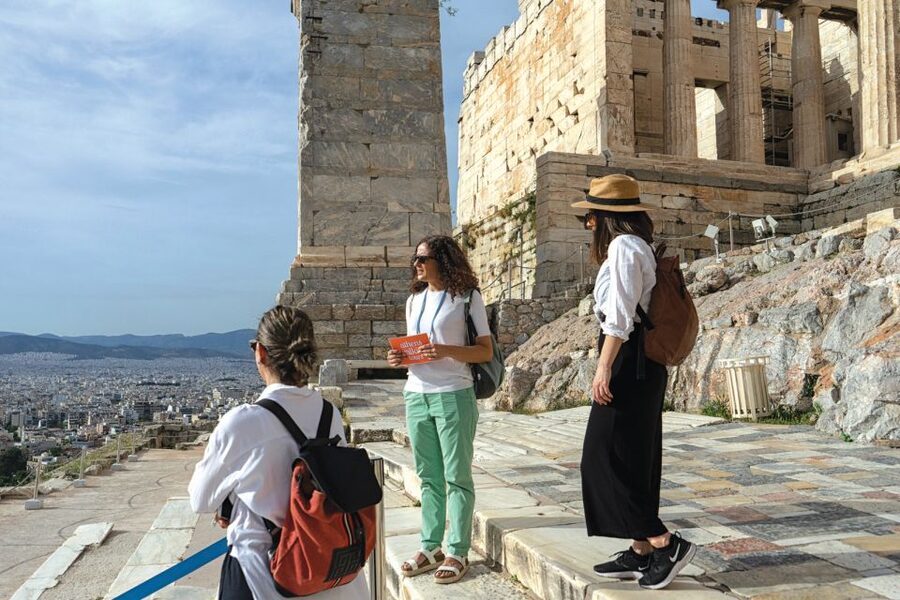
Yes, you’ll see the headline monuments, but the guide’s job is to connect them to what the buildings were doing.
On the Acropolis, you can expect explanations and viewpoint context for:
- Parthenon
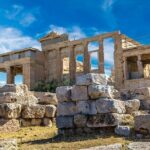
- Erechtheion
- Propylaia (the monumental entrance)
- Temple of Athena Nike
- Agrippa Monument
- plus surrounding sights like Odeon of Herodes Atticus, the Observatory, Philopappos, Mars Hill, and Pnyx Hill
That list is big for 3.5 hours, but the structure helps. You’re not just trudging from one marker to the next. You’re getting a guided logic to where you look and why it matters.
One practical plus: guides can slow down and pause in shade. If you’re traveling in warmer months or you’re managing knee or stamina limits, those breaks are not fluff. They keep the tour from turning into a sprint.
Short free time at the top: photos without losing the plot
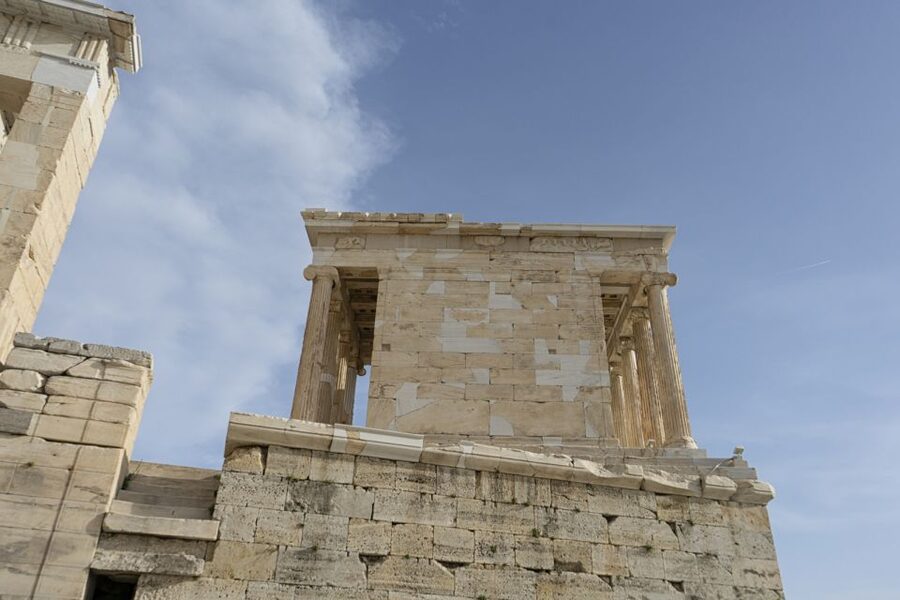
After the guided Acropolis portion, you’ll get free time for exploring and picture-taking. This is a small detail, but it’s a meaningful one.
During the guided walk, you’ll hear what to notice. Then the free time lets you turn that into your own photos—without the guide constantly moving you along.
Bring your phone charger power bank if you rely on it. There’s no mention of on-site charging, and batteries drain faster when you’re shooting video and GPS at altitude.






No included lunch: plan snacks before heading to the Agora
The tour schedule doesn’t include time for a leisurely lunch. Before the Agora starts, you’ll have a chance to grab a snack or a drink from the canteen. After the Acropolis, you also get a short break to do the same before continuing toward the Ancient Agora.
This is the part that trips people up if they’re used to full-day tours with food built in. If you’re sensitive to long gaps between meals, treat the canteen stop as your real meal window.
If you’re prone to stomach issues in heat, carry water and consider a simple snack you know you’ll tolerate. Even with shade stops, this is still Athens, and the afternoon can feel long.
Ancient Agora: the marketplace, politics, and philosophy in one walk
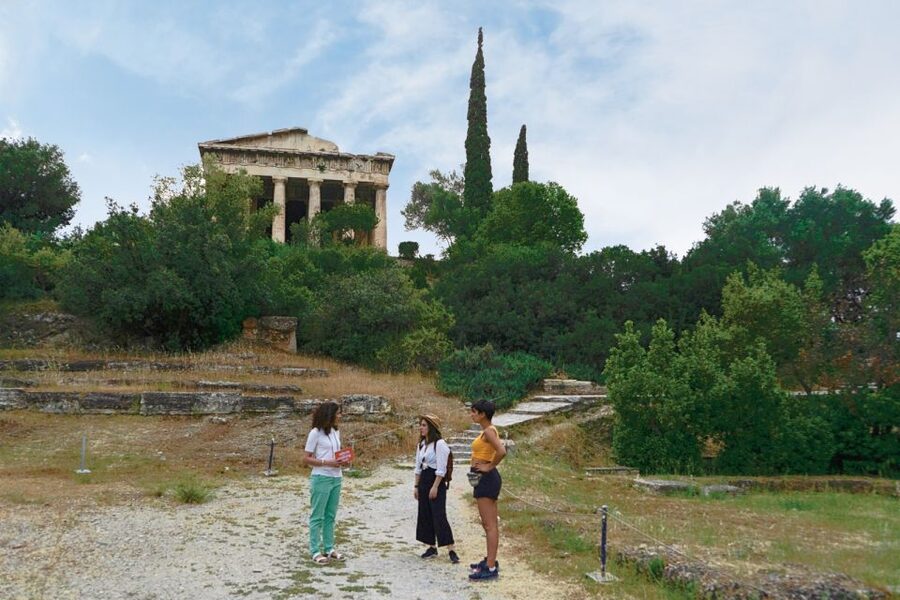
The Ancient Agora is often described as the heart of the ancient city, and you’ll see why. After the Acropolis, you’ll walk down to the Agora—described as the commercial, political, and financial center of Ancient Athens.
Instead of temples on a hill, you’ll be in a space made for daily movement. That change of setting helps you understand the difference between religious power and civic power.
Key sights during your Agora portion include:
- Hephaestus Temple, noted as the best preserved Greek temple from the 5th century BC
- the church of the 12 Apostles
- the Temple of Apollo Patroos
- the Stoa of Zeus
- the Altar of Zeus
With a licensed guide, the purpose behind these stones becomes clearer. The Agora stops help you picture how people gathered: for decisions, for debate, and for trade.
Socrates and Plato feet-on-stone moments
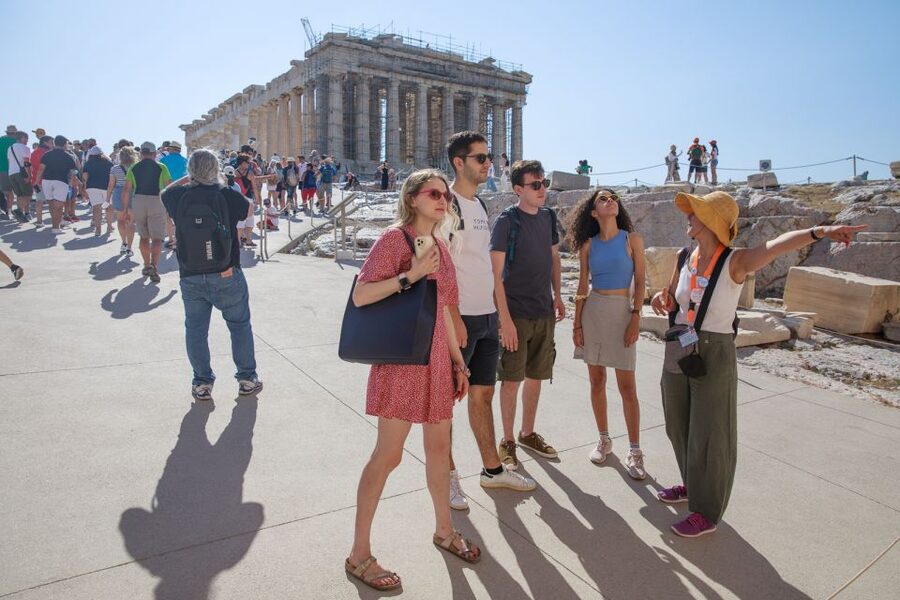
One reason people love the Agora is that it connects famous names to real places. Here, you’re taught that Socrates and Plato walked and taught in this area, among other philosophers.
Even if you don’t memorize Greek philosophy dates, the effect is practical. It turns a pile of ruins into a location where arguments and ideas mattered. You’re not just reading about thinkers—you’re standing in a setting they would recognize.
And because your guide is pointing out what each area was used for—rather than only describing architecture—you get a better sense of how ideas spread in ancient Athens.
Attalos Museum: the market details you’ll remember
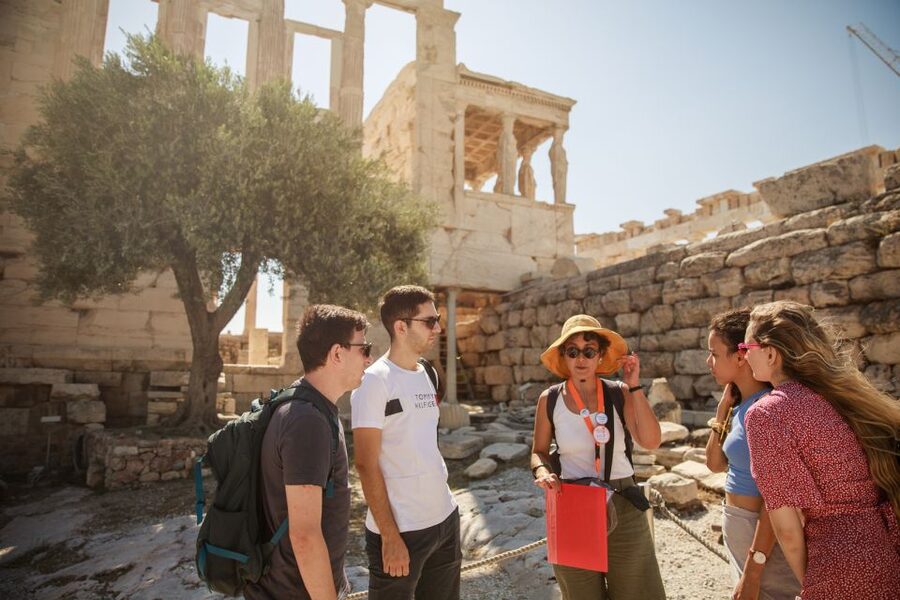
After seeing the main Agora monuments, you’ll visit the Attalos Museum. This stop is worth planning your energy for, since museums can feel optional when you’re already tired from outdoor ruins.
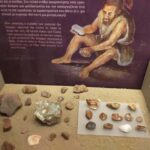
In this case, the museum ties directly to daily life. You’ll see artefacts of great historical value, including ancient Greek IDs and the original measures and weights used by market inspectors.
That’s a great example of why a guided tour can outperform a self-guided one. The guide helps you understand why those everyday objects matter. They connect commerce to rules, fairness, and trust—things you can’t fully sense by staring at buildings alone.
Skip-the-ticket line: what it helps, and what it can’t control
You can choose a ticket option depending on how you book. If you select the WITH Ticket option, entrance is included. If you choose WITHOUT Ticket, you buy your own admissions tickets from the official site and must match the correct date and time slot.
Either way, skip-the-ticket line service can help, but it doesn’t erase security. Airport-style security is still part of the experience. Waiting time can range from 0 to 10 minutes or up to 30 minutes, and on rare days, it can run longer.
So here’s the practical advice: don’t treat the start time as a suggestion. Arrive early at the meeting point, and assume you might spend some minutes in security before you reach the ruins.
Also keep in mind the strictness. Entry times at the Acropolis are tight, and latecomers can’t be waited for. If you don’t have a valid entrance ticket, you can be disqualified from joining.
Price and logistics: is $66 worth it?
At $66 per person for about 3.5 hours, you’re paying for three things: a licensed English guide, access to both major sites in one run, and skip-the-ticket line support if you pick the right option.
The best value comes if you:
- want a guide to explain what you’re seeing (especially at the Agora and Attalos Museum)
- don’t want to coordinate two separate visits plus timing
- prefer guided pacing with a structured route instead of wandering
It’s not a bargain if you already know the sites well and you’re comfortable doing both areas solo with a good audio guide. But for most people, the guide layer plus the two-site flow is what justifies the cost.
One more thing: food isn’t included. That’s normal for a half-day tour, but it means your real budget includes a snack stop at the canteen.
Walking pace, comfort, and who should book
This tour isn’t designed for wheelchairs or people with mobility impairments. The Acropolis involves inclines and steps, and the Agora has its own walking surfaces.
That said, I like that the guides can keep the pace sane. In the field, it’s not just about speed; it’s about stopping when you need shade and time for questions. Some people with knee issues have found the experience manageable, especially with thoughtful pacing.
If you’re an active walker and you’re okay with stone steps, this is a strong “first Athens” choice. If you’re someone who wants a very slow crawl with minimal walking, you may find it too much for your comfort.
Should you book the Acropolis, Plaka & Ancient Agora Guided Tour?
Book it if you want the fastest path to a full Athens story: Acropolis monuments plus the civic “everyday Athens” world of the Ancient Agora. This is the kind of tour where the guide helps you see beyond the obvious, including Dionysus area details and Attalos Museum artefacts tied to market life.
Skip it—or choose a different format—if you hate stairs and steep hills, or if you know you might miss timed entry. The experience relies on correct ticket timing and good on-time habits, and the day includes outdoor walking with security checks.
If you’re ready to walk, bring an ID, and plan for a snack rather than a full lunch, this tour is a solid value for $66 and a clean way to understand why ancient Athens still feels like Athens.
FAQ
What’s included in the tour price?
The tour includes a local licensed guide, Athens guide magazine, and an Athens map. Entrance fees are not included unless you select the WITH Ticket option. A skip-the-ticket line service is included if you select the WITH ticket option.
How long is the tour, and when does it start?
The duration is about 3.5 hours. The Acropolis portion starts around 11:00am, and access to the Ancient Agora begins around 1:00pm (13:00).
Where do I meet the tour guide?
Meet at 3 Dionyssiou Areopagitou Street. Look for the orange sign displaying Athens Walking Tours at the start of the pedestrian walkway that leads to the Acropolis from Hadrian’s Arch (near Syngrou/Siggrou Avenue). Arrive 20 minutes early.
Do I need to buy entrance tickets?
That depends on your selected ticket option. If you choose WITH Ticket, everything is included. If you choose WITHOUT Ticket, you must buy your own admission tickets from the official site and make sure your entry time matches the tour schedule.
Does skip-the-ticket line mean there will be no waiting?
Not exactly. Even with skip-the-ticket line access, you may still wait for security checks. The typical waiting time is 0 to 10 or 30 minutes, and it can be longer on rare occasions.
Is this tour wheelchair accessible?
No. The tour is not suitable for wheelchair users or people with mobility impairments.
What should I bring, and what items are not allowed?
Bring a passport or ID card, a student card if relevant, and cash. Baby strollers are not allowed. Luggage or large bags are also not allowed.