REVIEW · BRIDGETOWN
Bridgetown Historic Garrison A UNESCO World Heritage Site Tour
Book on Viator →Operated by Ruthann Discovery Tours · Bookable on Viator
Cannons and tunnels in one easy walk. This Bridgetown Historic Garrison tour takes you through a UNESCO World Heritage Site and explains how the fort’s buildings, cannons, and underground spaces shaped Barbados’ British-era military role. You’ll also get an unusual, story-driven look at the George Washington connection tied to this same military setting.
I love how the guide’s running commentary keeps the whole site readable, stop after stop. I also love the payoff items: the 26 rare iron cannons plus the George Washington House story that shows how world history brushed up against daily island defense.
One thing to consider: a lot of this experience happens outdoors, with walking around the Garrison Savannah area. If you’re not keen on sun, bring a hat and comfy shoes, and plan on a moderate level of physical effort.
In This Review
- Key highlights if you like fort history
- Why the Bridgetown Garrison feels different from a usual tour
- Starting at Garrison Savannah and getting your bearings fast
- Garrison Tunnels: limestone passages with a real mystery
- Main Guard House (1804) and the Drill Hall (1700)
- Rare iron cannons: why 26 matters
- Barbados Museum in a former British Military Prison
- Price and timing: what $40 buys you
- The guide quality makes the difference
- Should you book the Bridgetown Historic Garrison tour?
- FAQ
- How long is the Bridgetown Historic Garrison tour?
- How much does the tour cost?
- Where does the tour meet?
- What ticket format do I need?
- What’s included in the price?
- Is private transportation included?
- What stops are included during the tour?
- Is there a museum stop?
- Is the tour accessible for people with limited mobility?
- What is the cancellation policy?
Key highlights if you like fort history
- UNESCO Historic Garrison in Bridgetown: A protected site where the layout matters as much as the buildings.
- George Washington House link (1751): A rare Barbados stop tied to the future U.S. president’s visit.
- Garrison Tunnels discovered in 2011: Limestone tunnels believed carved around 1820.
- 26 rare iron cannons: The “oldest rarest” iron pieces get their moment on this walk.
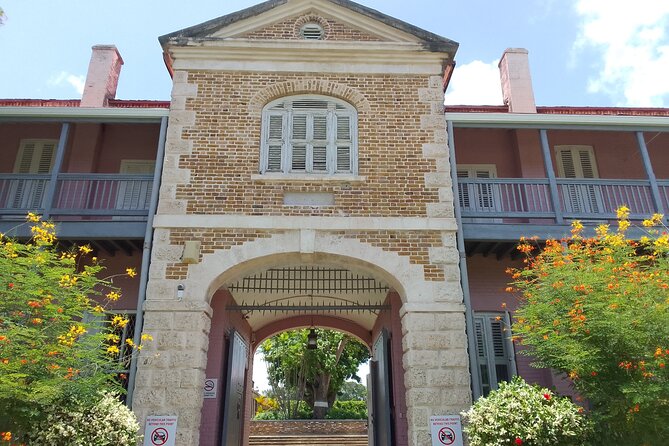
- Main Guard House (built 1804) + Drill Hall (built 1700): Two standout structures that explain how soldiers were organized.
- Barbados Museum inside a former British Military Prison: You end with context, not just sights.
Why the Bridgetown Garrison feels different from a usual tour
The Historic Garrison in Bridgetown isn’t just a cluster of old walls. It’s a functioning lesson in how a colonial military base worked—where people moved, where duties were handled, and where defensive power sat. Seeing the site as a whole helps you connect the dots between structures like the guard buildings, soldier spaces, and artillery placement.
What makes this tour practical is that you don’t just stare at stones. You get a guide who points out what each building was for and why the layout was built that way. That matters because fort sites can feel confusing on your own: you see architecture, but you don’t automatically understand the chain of command.
This tour also leans into the unusual details. Yes, you’ll see the cannons. But you’ll also hear about the mysterious tunnels and the George Washington angle—an unexpected hook that makes the whole military setting feel more human. When a site connects to a familiar name, your brain keeps better track of the bigger story.
Starting at Garrison Savannah and getting your bearings fast
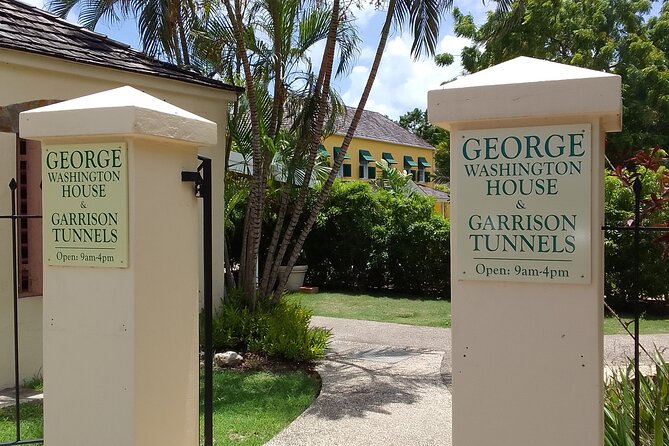
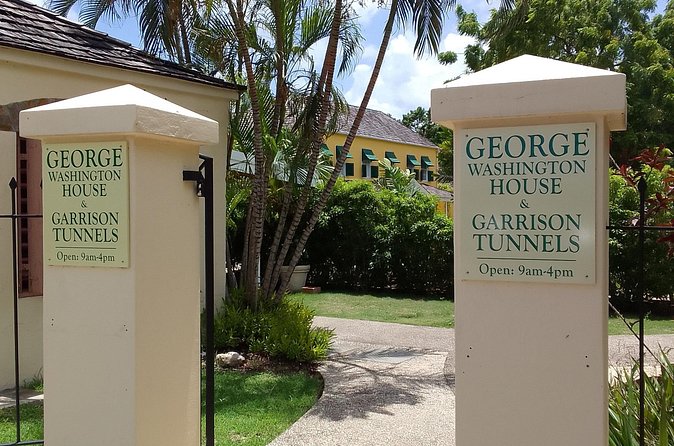
The tour meets in front of the George Washington area at the Garrison Savannah. From the start, you get running commentary that frames what you’re about to see and helps you understand the overall layout. That first orientation is key, because the Garrison Savannah setting is also an open, active space—not a museum courtyard.
You’ll get a glimpse of the George Washington House and why it’s part of this military landscape. The tour focuses on the fact that George Washington stayed with his brother here in 1751, long before he was the U.S. leader people recognize today. That story gives you a more grounded way to think about the site: this wasn’t abstract warfare. It was a real British-era world where international figures could intersect with local defense.
Another plus: the early stop stays brisk. You’re looking at the big picture—then you move on. It’s a good rhythm for a 2-hour experience. If you love history you can read in layers, you’ll appreciate that the guide uses the surroundings as a “map,” not just a backdrop.
Garrison Tunnels: limestone passages with a real mystery
One of the most memorable parts is the Garrison Tunnels stop. These tunnels were discovered accidentally in 2011, and they’re believed to have been carved through limestone rock from around 1820. Even though you’re only there for a short time, the explanation helps the tunnels feel less like a random curiosity and more like a defense tool that fits the era.
Tunnels change how you imagine a fort. Cannons and guard houses tell you how power looked from the outside. Tunnels hint at what you couldn’t easily see: movement, hidden routes, and the practical side of keeping a garrison functioning under pressure. In a place like this, that kind of detail makes the whole site more than static scenery.
Because the tunnel stop is relatively short, come ready to pay attention. This isn’t one of those “wandering for an hour and hoping you learn something” experiences. The guide’s job here is to give you the story fast—so you get the meaning without dragging out the time.
Main Guard House (1804) and the Drill Hall (1700)
From the Savannah orientation, the tour moves into the key buildings that make the Historic Garrison feel “real.” One of the main stops is the Main Guard House, built in 1804. This is the kind of structure that helps you understand how the British West Indies Regiment likely organized daily operations. A guard house wasn’t only for standing sentries. It was a focal point for control and coordination.
You also visit the impressive Drill Hall, built in 1700, used as the soldiers’ barrack. Drill halls are more than big indoor spaces. They’re about training, order, and housing routines—places where discipline was practiced and maintained. Seeing that building after the guard house gives you a clearer sense of the day-to-day rhythm of a garrison.
If you like architecture, this is where it gets tangible. You’re watching how different buildings served different roles, all within one connected military area. And since the guide provides running commentary, you’re not left guessing what you’re looking at.
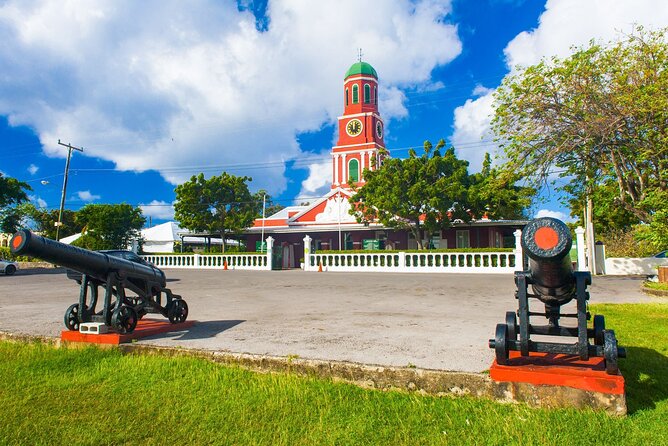
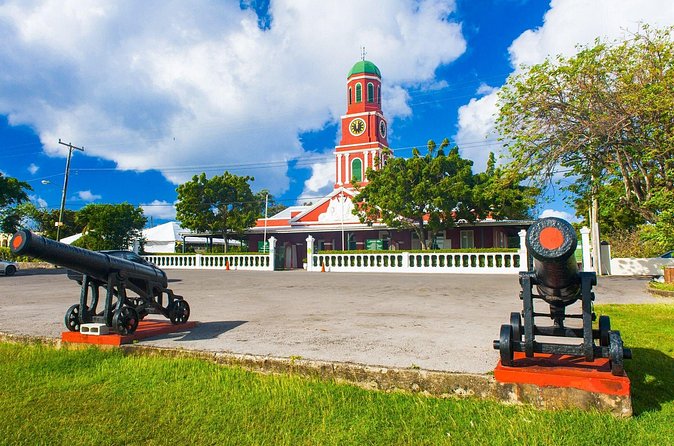
There’s also mention of features like the clock tower and the main guard setting. Even if you don’t memorize every detail, the guide’s walkthrough helps you keep the key structures straight as you move.
Rare iron cannons: why 26 matters
The tour’s cannon stop is short but big on impact. You’ll see 26 of the oldest rarest iron cannons in the world. That’s the kind of claim that could sound like marketing if it weren’t paired with context from the guide. Here, the explanation gives you a reason to look closely.
Why does it matter that there are 26? For one, it signals scale. This wasn’t a small defensive setup. It also suggests how carefully artillery was considered as part of the garrison’s overall function. Seeing multiple pieces in one place helps you understand that coastal defense depended on a system, not a single dramatic weapon.
When I’m touring fort sites, I pay attention to placement and arrangement. This stop is most satisfying if you take a few minutes to actually look around each position—what’s in front, what’s behind, and how the open layout connects back to the buildings you saw earlier. The guide helps you do that without turning it into a lecture.
Barbados Museum in a former British Military Prison
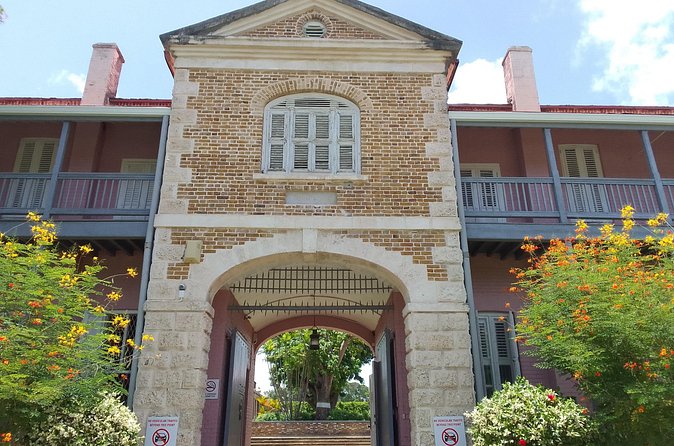
The final major stop is the museum housed in the former British Military Prison. You’ll spend about 30 minutes here, which is a smart balance after walking outdoors. It gives your brain a chance to slow down and organize what you just saw.
This museum space became the Barbados Museum and the headquarters of the Historical Society from 1930. That timing matters, because it shows how people later chose to preserve and interpret the site. You’re not only looking at old walls; you’re seeing how local institutions turned military remnants into public understanding.
In practical terms, this is where the tour can feel most useful for people who want context, not just photos. The stop is designed to give insights into the militia and the broader story connected to the garrison buildings. Even if you’re tired from sun or standing, this museum segment is the place to reset.
I also like that the walking tour doesn’t end abruptly. It closes with a contained indoor experience, which makes it easier to leave with something you can remember later.
Price and timing: what $40 buys you
At $40.00 per person for around 2 hours, this tour is priced like a focused history walk rather than a long-day outing. For the money, you’re getting multiple major structures plus the tunnels and a museum stop—so your time isn’t wasted hopping between unrelated points.
A big value lever here is the inclusion of bottled water. That sounds small, but on Barbados heat it helps you stay comfortable enough to enjoy the full loop. Also, the tour uses a mobile ticket, which makes entry and check-in simpler than hauling paper.
The one practical cost to factor in: private transportation isn’t included, listed separately at $50. If you’re using taxis or arranging your own ride, just plan for that added line item. If you can handle your own transit, the core tour price stays straightforward.
Who is this best for? You’ll enjoy it if you like:
- Fortifications and military architecture
- short, guided explanations you can follow without extra effort
- a tour that mixes signature sights (cannons and Washington) with less-famous but fascinating elements (tunnels)
If you want a relaxed, fully shaded experience with minimal walking, this may not be your ideal match since much of it is outside.
The guide quality makes the difference
This is one of those tours where the guide really shapes how much you get out of it. The experience is guided by Ruthann Discovery Tours, and I’m glad to see consistent praise for specific guides like Ruthann and Karen. The theme is clear: guides do the work of connecting the pieces so you leave understanding what you saw.
What you should look for during the tour is how the guide ties each stop back to the garrison’s bigger role. When the commentary connects buildings, tunnels, and artillery, the site stops feeling like a “checklist” and turns into a story you can repeat.
Should you book the Bridgetown Historic Garrison tour?
Yes, I think you should book this if you want a compact, well-explained walk through a UNESCO World Heritage Site. For $40, you’re getting major highlights like the 26 rare iron cannons, the George Washington House connection, the tunnel story, and a museum wrap-up in a former British Military Prison. That’s a lot of meaning for a short window.
Skip it only if you strongly prefer fully indoor, low-walking tours, or if you find military sites hard to enjoy without deep background. Here, the guide’s running commentary does a lot of the heavy lifting—so you don’t need to come in knowing every detail.
If you have two hours in Bridgetown and you want a real sense of how this island’s past was organized and defended, this is a strong choice.
FAQ
How long is the Bridgetown Historic Garrison tour?
The tour runs for about 2 hours (approx.).
How much does the tour cost?
It costs $40.00 per person.
Where does the tour meet?
You meet in front of the George Washington at the Garrison Savannah.
What ticket format do I need?
You’ll have a mobile ticket.
What’s included in the price?
Bottled water is included.
Is private transportation included?
No. Private transportation is listed separately at $50.
What stops are included during the tour?
You’ll visit the Garrison Savannah area, the Garrison Tunnels, the Main Guard House, the cannons, the Drill Hall, and finish at the museum in the former British Military Prison.
Is there a museum stop?
Yes. The tour includes time at the museum housed in the former British Military Prison.
Is the tour accessible for people with limited mobility?
The tour is noted as suitable for travelers with moderate physical fitness. It is mostly outdoors.
What is the cancellation policy?
You can cancel for a full refund up to 24 hours in advance of the experience start time.