REVIEW · SOFIA
Bulgarian Food tasting, cullinary-historical tour, Cooking class
Book on Viator →Bookable on Viator
Cooking in Sofia starts at the market. I love the way Mariela tailors your menu to your cooking skills and tastes, and I love learning the onion-slicing technique plus other hands-on moves you can actually repeat at home. A heads-up: solo portions may come out on the big side, and the full stretch from shopping to dinner can run longer than the 6-hour estimate.
The best part is how the day flows from streets to stove. You’ll start with a bit of Sofia context near St. Nicholas Russian Church, then move through Zhenski Pazar Women’s Market (on the right weather day), and end with a sit-down tasting of what you cooked—lunch or dinner depending on timing.
In This Review
- Key Highlights You’ll Care About
- Sofia Cooking Class With Mariela: A Market-to-Table Day
- Starting at St. Nicholas Russian Church: Getting Your Bearings
- Zhenski Pazar Women’s Market: When You Shop, Not Just Browse
- Inside the Kitchen: How Mariela Teaches Bulgarian Cooking
- What You’ll Cook: 3 Bulgarian Dishes Built Around Your Level
- Burek and Dolmas: Pastries and Stuffed Comfort
- Gyuvetche and Kavarma: Hot Pots and Oven Pot Meals
- Main-Plate Grilling: Meshana skara
- Desserts That Feel Like Breakfast and After-Supper Treats
- Bread, Cheese Pastry, and More
- Tasting Lunch or Dinner: The Best Way to Learn Is to Eat
- Price and Value: Is $138.18 Worth It?
- Logistics You Should Know Before You Go
- Who This Cooking Class Suits Best
- Should You Book This Bulgarian Food Tasting Cooking Class in Sofia?
- FAQ
- What language is the cooking class offered in?
- How long is the experience in Sofia?
- Where do you meet, and where does the tour end?
- Is pickup available?
- What do I cook during the class?
- Is grocery shopping included?
- What’s included in the price?
- What is not included?
- Is free cancellation available?
Key Highlights You’ll Care About
- Market-first food shopping so you understand Bulgarian products before the first bite
- Menu tailored by your skills so you’re not stuck doing tasks that are way over (or under) your level
- Techniques you can reuse at home like onion slicing and practical prep rhythms
- A full meal, not just small samples with included tasting that can land around lunch or dinner
- A private group experience so you get real attention, not a rushed production line
- Weather-dependent market time meaning the outdoor shopping may swap out if conditions are poor
Sofia Cooking Class With Mariela: A Market-to-Table Day
If you like food that feels connected to real daily life, this is a strong pick. You’re not just watching someone else cook. You’ll learn 3 typical Bulgarian dishes, and Mariela builds the menu around your preferences and your comfort level in the kitchen. That small detail matters: it keeps the class friendly, hands-on, and actually useful after your trip.
You also get the history-and-identity side without turning it into a museum lecture. The day ties together Sofia streets, a key church stop, and a market where Bulgarian ingredients are the main characters. Then you get to taste what you made as part of the meal—lunch or dinner—so it lands as a true food experience, not a demo.
One practical note: the day can stretch. The schedule is listed as about 6 hours, but you should plan for a longer window, especially if the class starts with shopping and moves slowly enough for everyone to learn properly.
You can also read our reviews of more tours and experiences in Sofia.

Starting at St. Nicholas Russian Church: Getting Your Bearings
Your meeting point is the Church of St. Nicholas the Wonderworker in Sofia Center, on bul. Tsar Osvoboditel 3 (right near the action). This is a good setup because you’re already in the city center when the experience begins, and it helps you orient fast.
From there, you’ll head toward the market area and other city stops. The St. Nicholas Russian Church stop adds a sense of place. It’s not just a photo break; it helps you understand why Sofia looks the way it does and how different cultural influences have left their fingerprints.
If you’re using public transit, you’ll also appreciate that this is set up for easy access. If you want to be dropped closer to the day’s start, pickup is possible and you can also meet at the subway metro station Luvov Most.
Zhenski Pazar Women’s Market: When You Shop, Not Just Browse
Zhenski Pazar (Women’s Market) is where the experience turns from recipe to reality. If it’s a working day and the weather is fine, you go together for grocery shopping. Mariela explains Bulgarian products and traditions as you shop, so you see what goes into the food before you start cooking.
This stop is valuable in a very specific way. Market learning teaches you what to look for—ingredients, textures, and what matters locally. Even if you don’t cook at home often, you’ll come away with a clearer sense of the flavors and choices behind Bulgarian cooking.
A downside to know: market shopping depends on conditions. If weather isn’t good, the tour still runs, but you may miss that outdoor shopping time. Plan to be flexible with your day, and don’t schedule a second activity immediately afterward.
Inside the Kitchen: How Mariela Teaches Bulgarian Cooking
The cooking happens on the second floor of the kitchen building, and there’s no elevator. If stairs are a concern for you, this is the one logistics item you’ll want to take seriously.
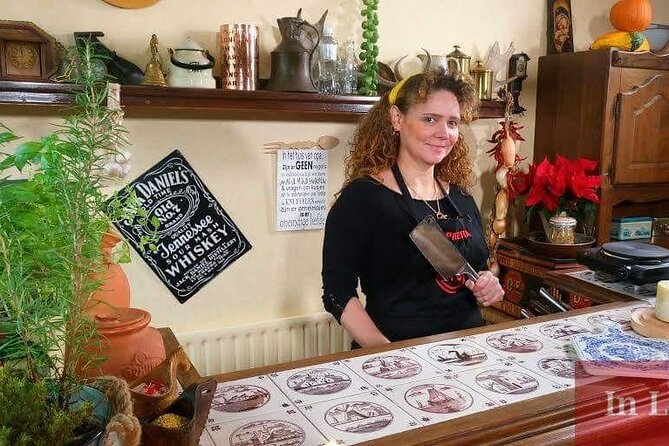
Once you’re in, the class has a calm, instructional rhythm. Mariela’s teaching style comes through in the way the menu is adjusted to your skills. You’re not thrown into the deep end. If you’re an experienced home cook, you’ll likely get more technique focus. If you’re newer, you’ll still be guided through steps in a way that makes sense.
And the pace feels personal. Over WhatsApp (before you arrive), Mariela coordinates timing and the menu to match your preferences. That pre-arrival chat helps the day feel tailored instead of generic. You’ll also get real attention while you cook, which is where you’ll pick up techniques you can use later—like the onion-slicing technique that shows up in the learning.
One extra thing: there’s a cat in the kitchen. If you have allergies or you simply don’t like animals around food prep, tell Mariela in advance.
What You’ll Cook: 3 Bulgarian Dishes Built Around Your Level
You’ll cook 3 typical Bulgarian dishes. The exact menu depends on your choices and skill level, so expect the class to feel customized rather than fixed. That said, you’ll often see classic Bulgarian staples such as pastries, dolmas, and oven or pot meals.
Burek and Dolmas: Pastries and Stuffed Comfort
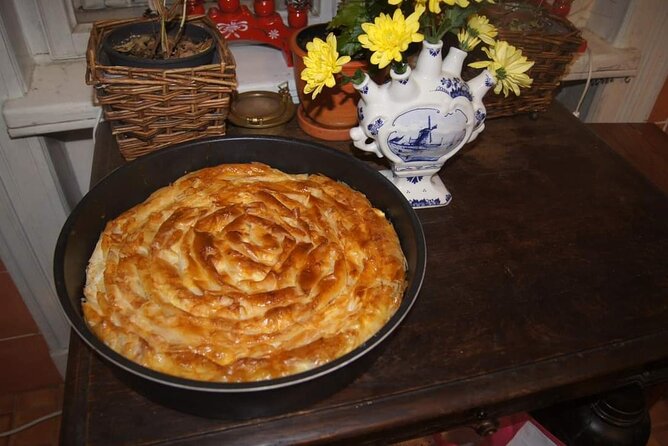
Burek is a cheese burek pastry—think layered dough and a savory filling that rewards good handling. This is the kind of dish where learning the method matters more than you’d expect, because pastry is all about getting steps right.
Dolmas are cabbage with meat. Stuffed dishes can be intimidating, but a guided class helps you understand how to assemble without getting lost in details. It’s also a dish that makes Bulgarian meals feel hearty and complete.
Gyuvetche and Kavarma: Hot Pots and Oven Pot Meals
Gyuvetche is a hot pot with meat or vegetables. “Hot pot” isn’t just a label—it usually means a dish built for slow, even cooking, where the flavors develop while everything works together in the same vessel.
Kavarma is another pot-style classic. In the menu example, it’s chicken or pork baked in a pot and covered with omelette. That sounds dramatic, but in class it’s a straightforward way to see how Bulgarian home cooking uses time, heat, and layering to build depth.
Main-Plate Grilling: Meshana skara
Meshana skara is grilled meat. This is a nice choice for people who want a more straightforward main and prefer flavors that come from cooking technique—heat, timing, and seasoning—rather than complex assembly.
Desserts That Feel Like Breakfast and After-Supper Treats
Bulgarian cooking has room for sweets, and the class includes dessert options that make the day feel balanced.
Tikvenik is a pastry with pumpkin. It’s a warm, comforting dessert move that feels tied to seasonal Bulgarian ingredients.
Mekitzi is described as the cousin of Hungarian Langos—served for breakfast or dessert—with honey or with feta cheese. It’s a fun contrast to the heavier savory dishes, and it also shows how flexible Bulgarian eating habits can be.
Bread, Cheese Pastry, and More
In addition to the sample menu, your course can include other classics like bread or cheese pastry depending on what you choose. The point isn’t to force one “perfect” lineup; it’s to let you learn what fits your tastes while still covering the core Bulgarian techniques.
Tasting Lunch or Dinner: The Best Way to Learn Is to Eat
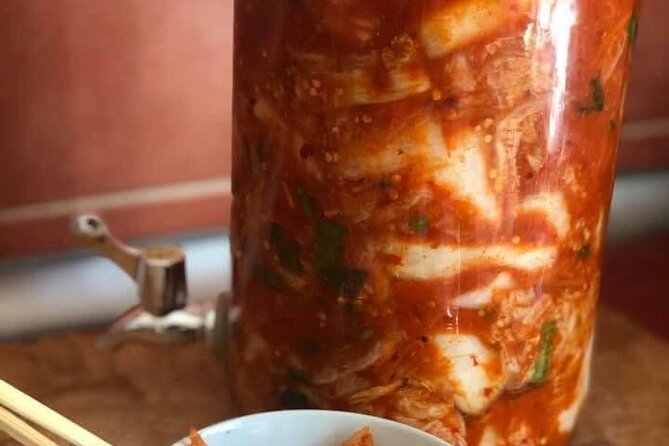
After the class, you’ll sit down for food tasting, listed as lunch or dinner. Either way, you’re eating what you cooked, not a separate buffet that feels unrelated.
This part is where the learning clicks. When you taste your own burek, dolmas, or pot meal, you understand what each step was trying to do. You also get a quick reality check on seasoning and texture, and you can adjust your thinking for future cooking back home.
The experience also lists lunch, brunch, and dinner as included meals. In plain terms, it’s set up as a full day of eating. Even if your meal timing lands in the middle of the day, you’re not walking out hungry.
One practical point: because the class is group-based and built around teaching, you may end up with portions that feel large—especially if you’re traveling solo. If you’re sensitive to that, plan to go slow and save room for dessert.
Price and Value: Is $138.18 Worth It?
At $138.18 per person, this class lands in the mid-range for Sofia experiences, but it’s easier to justify because you’re getting multiple things at once.
You’re not just paying for instruction. You’re also paying for:
- A guided market stop (when conditions allow)
- Three cooked Bulgarian dishes designed around your skill level
- Cooking equipment
- A full food payoff with included meal tasting (lunch/brunch/dinner)
It also helps that the experience is private—only your group participates. That usually means more time at the cutting board and fewer minutes waiting around.
The cost can feel less attractive if you’re purely looking for a quick snack or you want alcohol. Alcoholic beverages, soda/pop, and bottled water aren’t included, so you’ll likely need to budget extra if you drink.
Logistics You Should Know Before You Go

Here’s what I’d plan around so the day stays smooth.
Meet-up and end point: You start at the Church of St. Nicholas the Wonderworker in Sofia Center and end back at the meeting point.
Pickup options: Pickup is offered, and you can also meet at the subway metro station Luvov Most.
Start time and length: The start time is 9:00 am and the duration is listed as about 6 hours. Still, build in flexibility because the day can run longer once shopping, teaching, and a full tasting meal are included.
Language: Offered in English.
Ticketing: You’ll have a mobile ticket, and you should receive confirmation at booking.
Kitchen access: Second floor, no elevator. If you have mobility issues, this is the key detail to consider.
Animals in the kitchen: There’s a cat. If you’re sensitive, let Mariela know in advance.
Who This Cooking Class Suits Best
This experience fits best if you want Bulgarian food in a way that feels practical. You’ll like it if you:
- Enjoy learning techniques, not just collecting recipes
- Want a guided market-to-kitchen flow rather than a stand-alone class
- Prefer a private experience where someone can tailor your menu
- Are excited by classic Bulgarian dishes like burek, dolmas, and pot meals
It’s also a good match for couples or friends who like sitting down together at the end and eating a real meal built from their own work.
If you’re a solo traveler, it can still be great—just be aware the food can be portion-heavy, depending on what you cook and how many dishes you end up making.
Should You Book This Bulgarian Food Tasting Cooking Class in Sofia?
I’d book it if you want more than a cooking demo. The big win here is how personal it feels: Mariela adjusts the menu to your skill and preferences, coordinates ahead of time, and teaches you techniques you can repeat later. The market stop—when weather and day align—adds meaning, because you learn what you’re cooking with before you cook.
I’d hesitate only if you know stairs are a deal-breaker, you strongly dislike being around a cat in a food-prep space, or you’re trying to fit this into an extremely tight schedule. Otherwise, for a first Sofia food experience, this is a solid, hands-on way to understand Bulgarian cooking from the inside.
FAQ
What language is the cooking class offered in?
It’s offered in English.
How long is the experience in Sofia?
The duration is about 6 hours.
Where do you meet, and where does the tour end?
You meet at the Church of St. Nicholas the Wonderworker in Sofia Center (bul. Tsar Osvoboditel 3, 1000 Sofia). The activity ends back at the meeting point.
Is pickup available?
Pickup is possible. You can also meet at the subway metro station Luvov Most.
What do I cook during the class?
You learn to cook 3 typical Bulgarian dishes. The exact dishes depend on your choices, your cooking skills, and your personal preferences.
Is grocery shopping included?
Grocery shopping in Zhenski Pazar Women’s Market is done together if it’s a working day and the weather is fine.
What’s included in the price?
Kitchen equipment and meals are included (listed as lunch, brunch, and dinner). Lunch or dinner tasting happens after the class.
What is not included?
Alcoholic beverages, soda/pop, and bottled water are not included.
Is free cancellation available?
Yes. You can cancel for a full refund up to 24 hours before the experience’s start time.