REVIEW · SOFIA
Sofia: Bulgarian Yogurt Tasting in Ancient Ruins
Book on GetYourGuide →Operated by Taste History · Bookable on GetYourGuide
Sofia yogurt doesn’t sound like Roman history—until you’re sitting inside it. This 60-minute tasting takes you into the Serdica Ancient Complex in the center of Sofia, right along the Decumanus Maximus thoroughfare, where you sample five styles of kiselo mlyako and hear why Lactobacillus bulgaricus became a national obsession. I like the way the format stays intimate, with shared tables, so you actually talk to the host and learn at human speed.
A possible drawback: it’s not suitable for lactose intolerance, and the tasting includes dairy plus gluten from bread, so you’ll want to plan if you have allergies.
In This Review
- Key highlights at a glance
- Walking into Roman Sofia: what the setting really gives you
- The 60-minute tasting plan: exactly how the hour moves
- Step 1: your first pours and quick start
- Step 2: 5 varieties of Bulgarian yogurt (kiselo mlyako)
- Step 3: toppings and professional pairings
- Step 4: homemade sweet bites
- Step 5: final stories while you finish the last tastes
- What you actually learn: history plus microbiology without the lecture vibe
- Dining on Decumanus Maximus: why the ruins aren’t just photo bait
- Price and value: what $29 gets you in real terms
- Who should book this tasting (and who should skip it)
- Practical tips for the Serdica meeting point
- Should you book this Serdica yogurt tasting?
- FAQ
- How long is the Bulgarian yogurt tasting in Sofia?
- Where does the experience take place?
- How many kinds of Bulgarian yogurt are included?
- What food and drinks are included?
- Does it work for lactose intolerance?
- Is there gluten or dairy in the tasting?
- Is it refundable if I cancel?
Key highlights at a glance
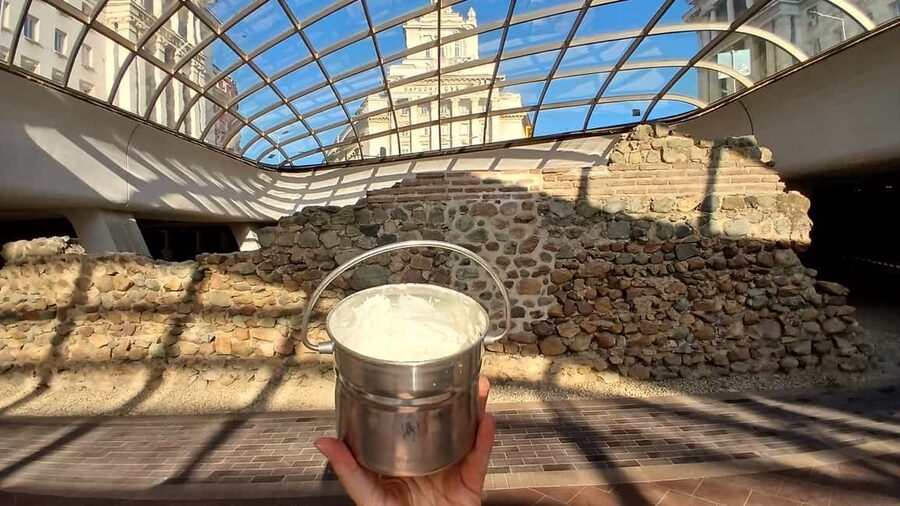
- Serdica ruins under the city: Taste yogurt where Roman stonework still frames the room
- Five distinct yogurt varieties: Learn the differences, not just the slogan
- Homemade sweet bites: Family recipes paired with the yogurts and sourdough
- Ayran and water included: A classic Bulgarian break between tastings
- Stories by Nadia and her son: Personal, culture-heavy narration in English
- Up to 25 guests: Intimate group size in an underground wine-bar setting
Walking into Roman Sofia: what the setting really gives you
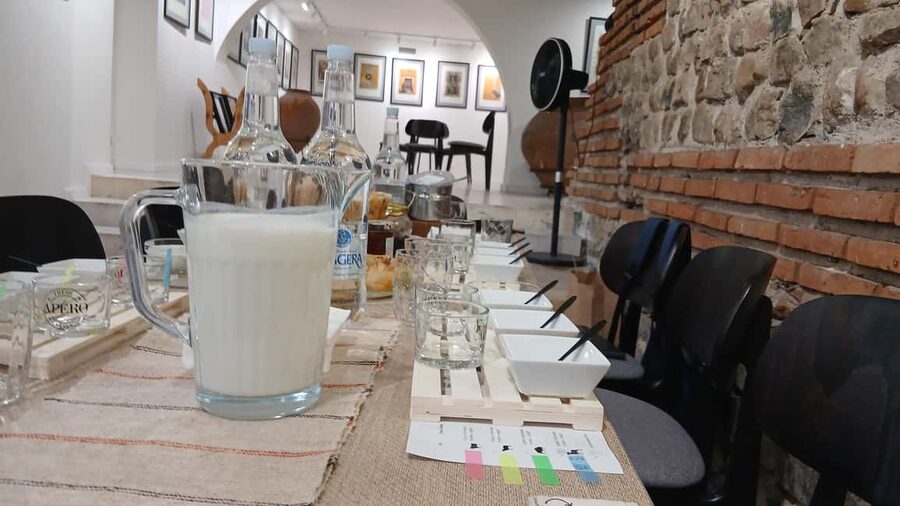
The experience starts in an underpass space at the Ancient Cultural and Communication Complex Serdica—so yes, you’re underground in the most literal way. The location connects the Serdica Metro Station area with major government buildings above, which means you can roll in easily and still feel like you stepped back centuries the moment you enter.
What I love about this venue is that it doesn’t treat history like theater. You’re eating and tasting next to original Roman fabric: the walls and the archaeological context aren’t background decoration. They shape the vibe. The whole session happens inside a wine bar concept set among the ruins, with shared tables that encourage conversation without turning it into a loud food festival.
That Roman backdrop changes how you taste. When a host explains the cultural logic behind kiselo mlyako—and then you taste it—you get why this food stuck around in daily life. It’s not just about flavor. It’s about identity, climate, fermentation, and the old habit of taking food seriously.
You can also read our reviews of more tours and experiences in Sofia.


The 60-minute tasting plan: exactly how the hour moves
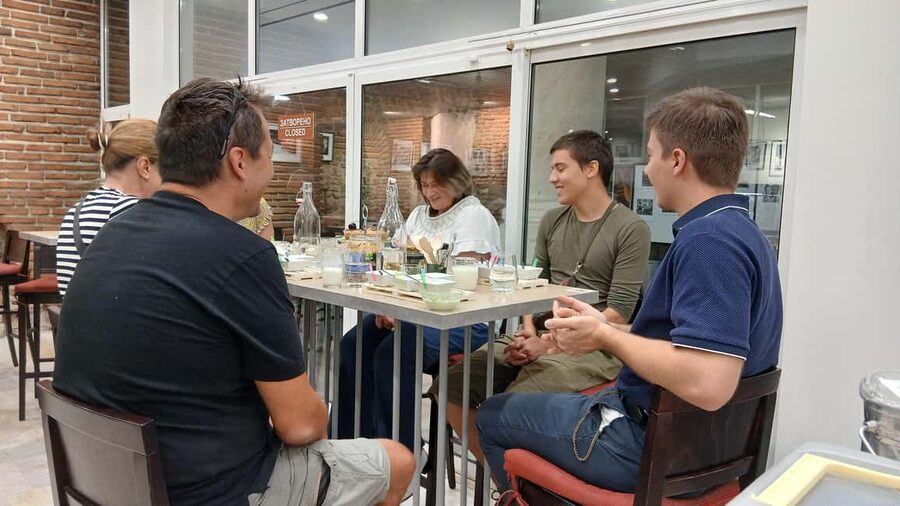
This is not a slow “wander and snack” kind of event. It’s a focused session designed to keep you moving through a clear sequence of tastes and explanations.
Step 1: your first pours and quick start
You’ll begin with Ayran, plus water. The Ayran matters because it refreshes your palate between yogurt styles and keeps you from feeling like you’re stuck in one flavor zone. Depending on the group, a wine toast may appear at the start—people have mentioned it, including a birthday toast moment—so be ready for a small celebratory touch even if you didn’t plan for it.
Step 2: 5 varieties of Bulgarian yogurt (kiselo mlyako)
The core of the hour is tasting five distinct varieties of Bulgarian yogurt. That’s a big difference from tastings that just hand you one product with toppings.
You’re not only getting sweetness. You’re tasting the variations that come from different producers and local approaches. The point is understanding diversity: how local fermentation and production choices translate into texture, tang, and finish.
Step 3: toppings and professional pairings
Alongside the yogurts, you’ll get seasonal artisanal toppings and traditional accompaniments. The format is pairing-focused, meaning the host isn’t just naming ingredients; they’re guiding you toward a practical tasting method: notice the yogurt first, then how a topping shifts sweetness, acidity, and mouthfeel.
You’ll also see sourdough on the table. Even if you’re mainly here for yogurt, the bread helps reset your palate and gives you another way to compare textures.

Step 4: homemade sweet bites
In addition to toppings, you’ll enjoy homemade sweet bites made for the event using cherished family recipes. This is one of the most praised parts for a reason: it feels personal, not corporate.
And yes, some groups have reported leaving with extra treats—like a little souvenir bag of the same homemade style—because the host clearly thinks beyond the schedule.
Step 5: final stories while you finish the last tastes
By the end, the tasting shifts from food mechanics into context. You’ll hear the history and culture behind Bulgarian yogurt—how Lactobacillus bulgaricus fits into a story of Bulgarian longevity and tradition, plus how fermentation became part of everyday life rather than a trendy experiment.
The whole session stays timed to one hour, so you don’t have to wonder when it will end. You get a complete arc: taste, learn, eat, and walk out with a clearer sense of what makes Bulgarian yogurt different.
What you actually learn: history plus microbiology without the lecture vibe
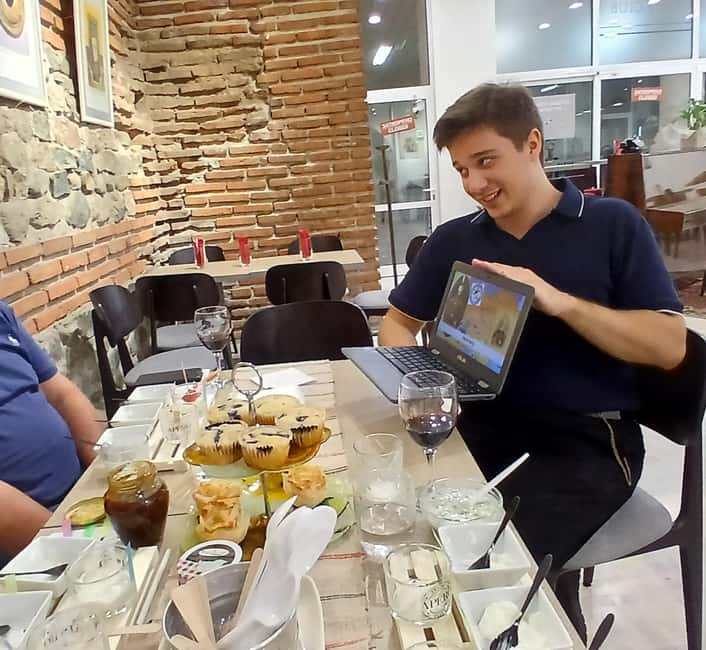
This is where the experience pays off for history lovers and food nerds at the same time. The host tells the story in a way that feels like explanation, not performance.
You’ll learn about:
- The history of yogurt in Bulgarian tradition
- The role of Lactobacillus bulgaricus
- How fermentation connects to health beliefs and longevity narratives in Bulgaria
- How foods travel through generations, including the details behind shared family recipes
One of the strongest takeaways is that you’re not limited to yogurt facts. You also get broader cultural storytelling, including references to national history and unification themes that go beyond the usual “here’s what you’re eating” script. That’s why this can complement a walking tour you did earlier—you’re not repeating the same street-level talking points. You’re switching to food culture as a lens.
And it’s delivered in English. The host at these sessions has been described as warm and welcoming, with real personality rather than canned lines. People have specifically credited Nadia and her son for making the experience feel personal and family-run.
Dining on Decumanus Maximus: why the ruins aren’t just photo bait
If you care about the setting, this is one of the reasons the session is memorable.
The Roman ruins are in the center of Sofia, along Decumanus Maximus, the main thoroughfare of the Roman city. That matters because the building blocks of the room aren’t random artifacts behind glass. You’re eating in a place that reflects how people moved through the city, not how a museum wants you to look at it.
Here’s the practical angle: because the venue is indoors and year-round, you don’t have to fight Sofia’s weather to get the full experience. You’re also not stuck standing in a crowded market. Instead, you sit at shared tables, which keeps the group social and lets you ask questions when something clicks.
The atmosphere is intimate and social, with a limited group size—people mention it as comfortable for up to 25 guests. That ceiling is important. Larger groups can make tastings feel rushed. Here, the pacing tends to match the topic.
Price and value: what $29 gets you in real terms
At $29 per person for a 1-hour experience, the value comes from three things.
First, you’re paying for real guided structure: five yogurt varieties, toppings, pairings, Ayran, water, and homemade bites. This isn’t a single-product sample where most of the fee covers the venue and ambiance.
Second, you’re paying for context. The host doesn’t just serve; they explain the cultural and biological story in a way that helps you understand what you’re tasting. That turns a snack into knowledge.
Third, you’re paying for setting—serious setting. Eating among Roman ruins in the center of Sofia isn’t common, and the underground wine-bar concept adds to the comfort.
If you’re already planning to spend time in central Sofia and you want a food-and-history combo that doesn’t require a half-day commitment, this is a strong use of your time.
Who should book this tasting (and who should skip it)
This is best for:
- Foodies who want to taste differences between yogurt styles, not just add toppings
- History lovers who like their background stories tied to real places
- Anyone curious about Bulgarian traditions and why yogurt is such a big deal
What might make you pass:
- People with lactose intolerance should skip it, since it includes dairy.
- If you have allergies, the tasting includes dairy and gluten (from bread accompaniments), so you’ll want to inform the organizers in advance.
One more fit note: this is a seated, social experience. If you strongly dislike shared tables or conversation, you might find it less soothing than a private meal. But if you’re generally open to chatting, it’s part of the fun.
Practical tips for the Serdica meeting point

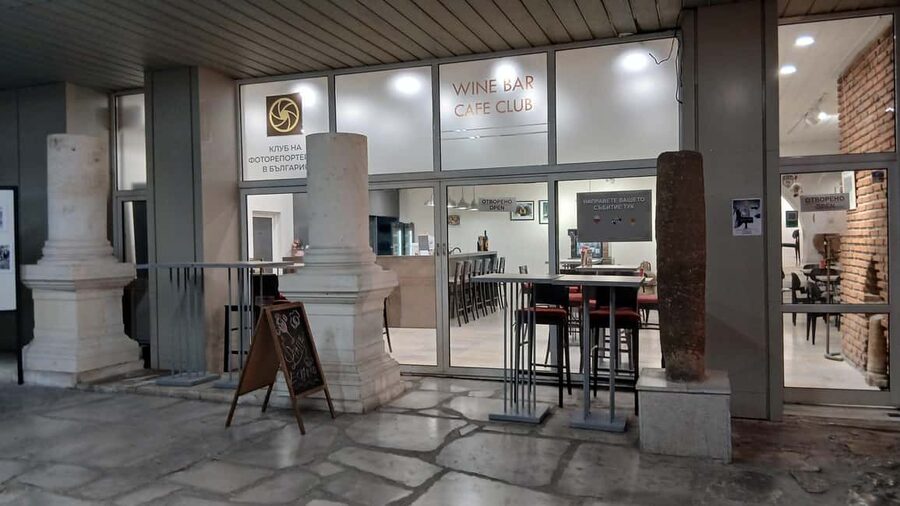
The meeting point is at the Club of Photojournalists, within the Ancient Cultural and Communication Complex Serdica. You’ll find it at the underpass level (the Largo), in the pedestrian underpass that connects the Serdica Metro Station area with the Presidency and Council of Ministers above.
Plan to arrive 10 minutes early. With underground venues, that buffer matters—you’ll have time to orient yourself and settle in before the host starts the explanation and the first pours.
Also, since this is indoor year-round, don’t worry about weather for the tasting itself. Just dress for Sofia’s streets if you’re walking between stops.
Should you book this Serdica yogurt tasting?
I’d book it if you want an hour that mixes Bulgarian food culture with a location you won’t forget. The biggest reason is the pairing format and the structured tastings of five yogurt varieties, plus the storytelling delivered by Nadia and her son in a personal, welcoming way.
If you’re lactose intolerant, or you need to avoid dairy and gluten, then it’s not the right call. But if you can handle dairy and you like learning what you’re eating, this is one of the most memorable ways to spend time in central Sofia—because you’re tasting tradition where the Roman city itself still frames the room.
FAQ
How long is the Bulgarian yogurt tasting in Sofia?
The tasting lasts about 60 minutes.
Where does the experience take place?
It takes place inside the Serdica Ancient Complex, at the meeting point in the underpass level (the Largo) near the Club of Photojournalists.
How many kinds of Bulgarian yogurt are included?
You’ll taste 5 distinct varieties of Bulgarian yogurt.
What food and drinks are included?
Included items include Bulgarian yogurt, toppings, homemade sweet bites, sourdough accompaniments, and drinks such as Ayran and water (plus additional items mentioned in the experience description).
Does it work for lactose intolerance?
No. The experience is not suitable for people with lactose intolerance.
Is there gluten or dairy in the tasting?
Yes. The tasting contains dairy and gluten from bread. If you have allergies, you should inform the organizers in advance.
Is it refundable if I cancel?
Yes. You can cancel up to 24 hours in advance for a full refund.