REVIEW · MARRAKECH
Marrakech Jewish Heritage : Luxurious Private Tour & Vehicle
Book on Viator →Operated by Sara Morocco Private Tours · Bookable on Viator
Jewish history hides in plain sight in Marrakech. This private 3-hour tour walks you through key stops like the Mellah and the Slat Al Azama Synagogue, then ties it all together with medina architecture and everyday sights you can actually orient yourself around. I like how the route mixes “big landmark” moments with smaller places that help the story feel human, not museum-glossy.
I also like the private pacing. When I booked this kind of experience, the guide didn’t bulldoze a fixed script; they adjusted to what I wanted to see. In the real world that means clear timing, good explanations, and guides such as Hassan (with driver Haitem) who show up on time and keep things moving at a walkable speed.
One thing to plan for: not all monument visits are included. The Slat Al Azama Synagogue and Bahia Palace have admission fees that aren’t included, so you’ll want a little extra cash or card ready. Also, the medina is still the medina—3 hours goes fast if you stop for every photo.
In This Review
- Key things I’d plan around
- Jewish Marrakech, explained without the lecture tone
- Bab Agnaou: a kasbah gate that’s made for photos
- Mellah market and square: where the quarter’s story feels real
- Slat Al Azama Synagogue: founded in 1492, still in use
- Bahia Palace: Moorish details plus the kind of cooling fountains you notice
- UNESCO medina moments: Jemaa el-Fnaa plus Rahba Kedima’s spice square
- Souk Semmarine and Haddadine: talk craft, not just shopping
- Why the private format matters in Marrakech (and who you’ll ride with)
- Price check: what $186.12 buys you (and what it doesn’t)
- Who this tour suits best
- Should you book this Marrakech Jewish Heritage tour?
- FAQ
- How long is the Marrakech Jewish Heritage private tour?
- Is pickup included?
- What’s included in the tour price?
- Which stops have admission fees not included?
- Is this a private tour or a shared group tour?
- What happens if the weather is poor?
Key things I’d plan around
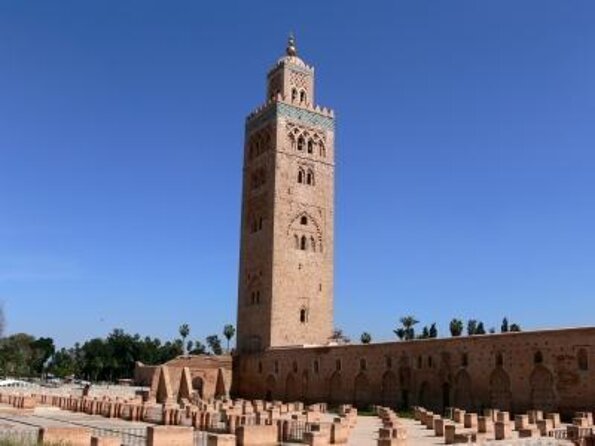
- A real synagogue you can see in use today: Slat Al Azama was founded in 1492 and still serves the community.
- Start with orientation shots: Bab Agnaou is your photo-friendly kasbah gate and a helpful first landmark.
- Mellah market-square context: you’ll see the Jewish quarter’s old market and square and learn the local story.
- Bahia Palace with the details that matter: fountains, Moorish-style curved ceilings, gardens, plasterwork, and natural colors.
- A built-in break by the spices: Rahba Kedima Square is known for spice shopping and is a good spot for mint tea or coffee.
- Souks on both sides of the craft spectrum: Semmarine workshop lanes and Haddadine blacksmith areas.
Jewish Marrakech, explained without the lecture tone
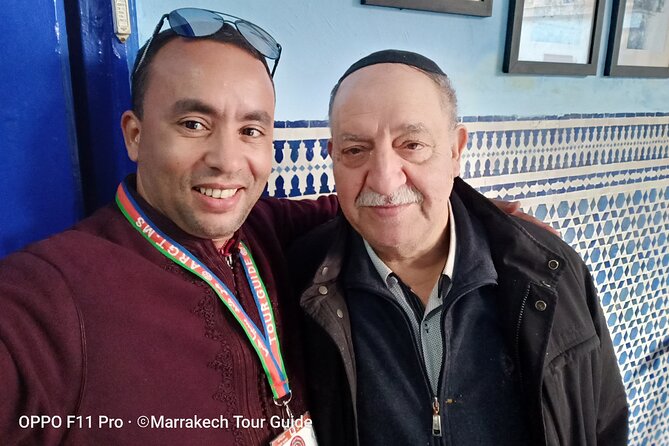
Marrakech is often explained through its Muslim heritage first, which makes it easy to overlook the Jewish chapters that also shaped the city. This tour makes those connections clear in plain language, using visible places—gates, quarters, synagogues, palaces, and squares—so history doesn’t stay stuck in a textbook.
The biggest value here is focus. You’re not trying to “do Marrakech” in one afternoon. You’re seeing a tight route that connects the Jewish quarter (Mellah), a functioning synagogue (Slat Al Azama), and then the wider medina world around it—Bahia Palace, Jemaa el-Fnaa, and the craft souks.
It’s also a smart use of time: three hours is short enough to feel manageable, but long enough to include several meaningful stops. If you’re the type who likes to understand where you’re walking, this kind of guided structure helps you get your bearings fast.
You can also read our reviews of more tours and experiences in Marrakech.


Bab Agnaou: a kasbah gate that’s made for photos
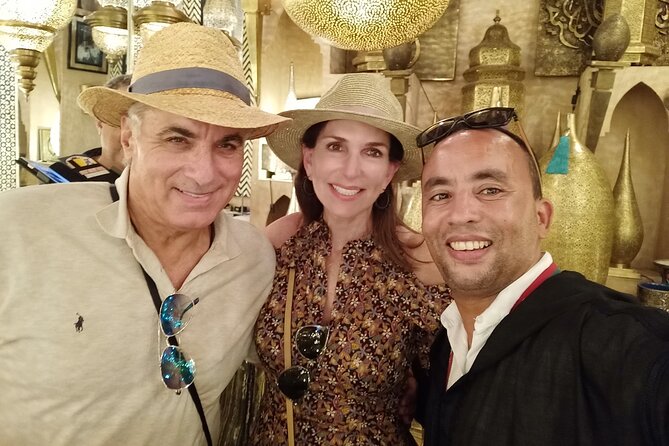
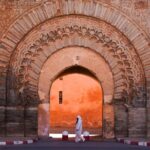
You start at Bab Agnaou, a gate that marks the entrance to the kasbah district, a fortified residential area dating to the 16th century. Even if you’re not a “gate person,” this stop works because it gives you a physical sense of Marrakech’s layers: walls, power centers, and the way neighborhoods were organized.
It’s also an easy first win. The visit is short, and admission is free, so you can spend your energy on getting a few clear photos without worrying about time or additional fees. If you’re camera-shy, don’t be. Look up at the shape and angles; gates in Marrakech reward a slower glance.
Practical note: you’ll likely be walking shortly after this, so wear comfortable shoes. The medina can be uneven underfoot, even when you’re only moving a few steps at a time.
Mellah market and square: where the quarter’s story feels real
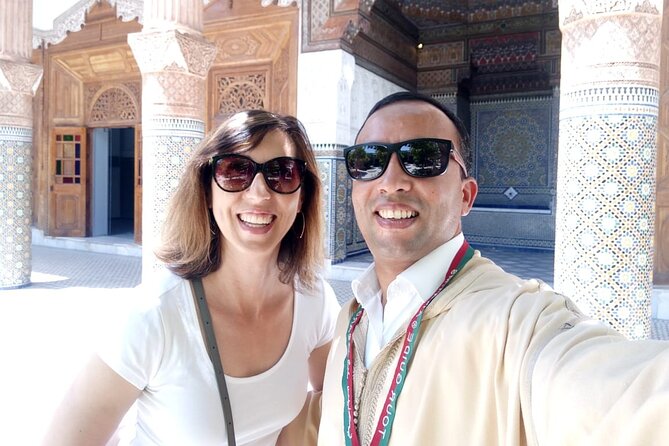
Next comes the Mellah, Marrakech’s old Jewish quarter. You’ll visit the market and square area and get the background on how the Jewish community lived in the city and how that presence shaped neighborhood life.
What I like about this stop is how it avoids vague talking. A guide can’t rely on “and then history happened.” Instead, you’re surrounded by the setting—busy corners, the feel of old commerce, and the layout that makes sense of why a quarter formed where it did.
Expect a calm, focused walk, roughly around half an hour. Admission for this stop is listed as free, which helps keep the tour’s cost in line. If you enjoy cultural context—how people shopped, gathered, and lived—this is the moment where the tour starts to click.
Slat Al Azama Synagogue: founded in 1492, still in use
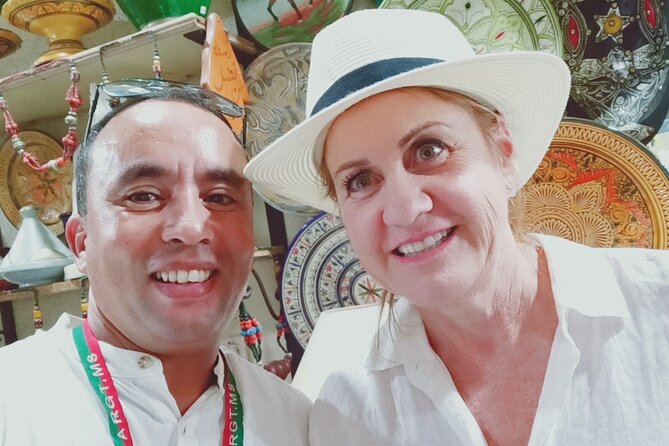
Slat Al Azama Synagogue is the centerpiece for Jewish heritage in Marrakech, and it’s worth respecting as such. You’ll visit the oldest synagogue in the city, founded in 1492, and it’s still in use today by the Jewish community from around the world.
Two things make this stop especially powerful:
- It’s living history. You’re not just looking at a historic structure; you’re visiting a place that still has a purpose.
- It’s specific. Dates and continuity matter. Being founded in 1492 is not a “maybe” detail; it anchors the story firmly.
There’s a catch: the admission ticket for Slat Al Azama isn’t included. Plan on paying this separately. Also, because it’s an active religious site, keep your expectations about photos and dress in line with what’s appropriate on the day you visit. When a guide is good, they’ll help you understand the do’s without making it awkward.
Bahia Palace: Moorish details plus the kind of cooling fountains you notice
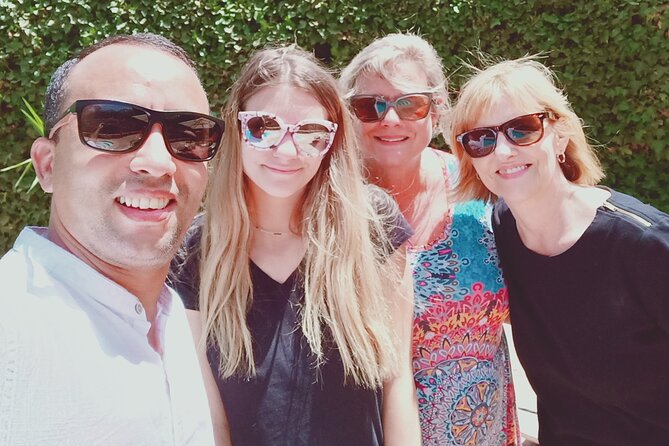
After the synagogue, the tour shifts to Bahia Palace, a historical palace dating back to the 19th century. This stop changes the mood in a good way. Instead of focusing on one community’s spiritual center, you move into a palace world of decoration, design, and city-scale power.
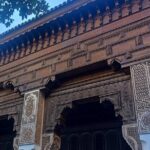
Here’s what you’ll actually look for: fountains of water, gardens, and Moorish-style features like curved ceilings, plasterwork, and natural colors. The tour doesn’t just say it looks beautiful; it points you toward which details to notice. That matters, because palaces can otherwise blur together if you’re rushing.
Admission for Bahia Palace is not included, so budget for that. Your best strategy is to think of this stop as “worth it” because it turns your walking tour into a visual one. Even in a short visit, you’ll spot the workmanship and feel the change in atmosphere—quiet gardens, more open space, and that sense of a designed environment.

UNESCO medina moments: Jemaa el-Fnaa plus Rahba Kedima’s spice square
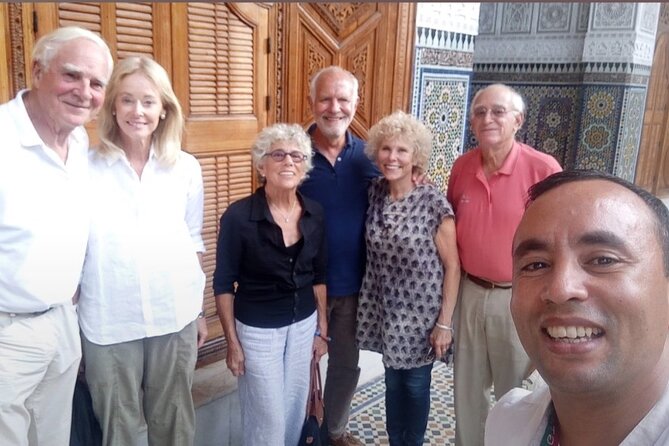
Then you hit the medina’s stage set: Jemaa el-Fnaa. This UNESCO World Heritage area is famous, but the tour gives it a practical angle. You’ll discover secrets of the authentic square and take in the smells and the surrounding souks—the kind of sensory overload you might feel on your own, but with a guide helping you make sense of what you’re seeing.
This stop is brief, around 15 minutes, and admission is free. That’s a smart choice because Jemaa el-Fnaa can swallow time fast if you wander. With a guide, you get the key impressions without losing your afternoon.
A short step later is Rahba Kedima Square, the oldest spices square. You’ll have time to take photos and you can see why it’s become associated with restaurant stops. The tour includes a spice-square break idea—grab mint tea or coffee and reset your legs.
Admission is listed as included for Rahba Kedima Square. That’s a small detail, but it adds up in value because you’re paying for less “extra stuff” as you go.
Souk Semmarine and Haddadine: talk craft, not just shopping
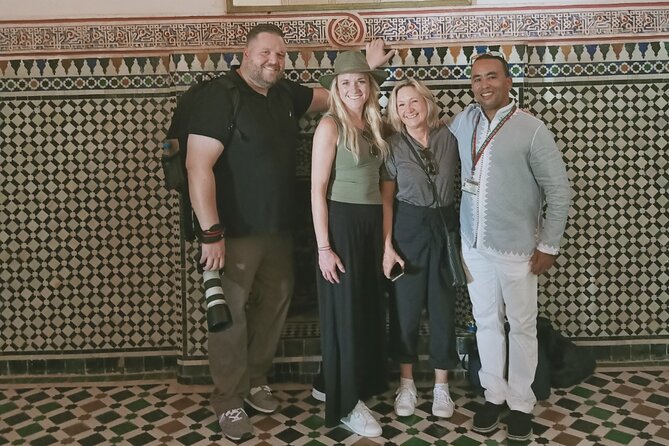
The tour ends with two souk experiences that are different from generic “shopping street” walks.
First is Souk Semmarine, where you’ll walk deeper into the smaller lanes and see the main workshops. The point here isn’t to buy right away. It’s to talk with artisans and learn how they make artisanal items. You’ll get a better sense of why the goods look the way they do—process beats packaging.
Next is Souk Haddadine, known for blacksmith workshops. This is where Moroccan craft history connects back to the Jewish presence you saw earlier. The tour framing highlights that Moroccan Jews historically enjoyed ironwork and brass items in these areas. Even if you don’t care about metalwork, it adds meaning to what you’re watching.
Both souk stops show free admission, and the time is reasonable—enough to see the character, not enough to drain your energy. You’ll leave with images and a feeling of craft rhythms, not just shopping bags.
Why the private format matters in Marrakech (and who you’ll ride with)
In Marrakech, getting around isn’t only about distance. It’s about timing, entry points, and not wasting energy in the wrong lanes. That’s where the private setup pays off.
You’ll travel by an air-conditioned vehicle with a professional driver, plus pickup is offered. That’s big if your day starts with heat or if you’re trying to avoid the stress of arranging transport between scattered medina stops. You also get bottled water and Moroccan mint tea included, which is more helpful than it sounds on a walking-heavy route.
There’s also skip-the-line or fast access to monuments listed. That doesn’t mean everything is instant, but it helps you avoid the worst delays when you’re trying to fit several sites into a short window.
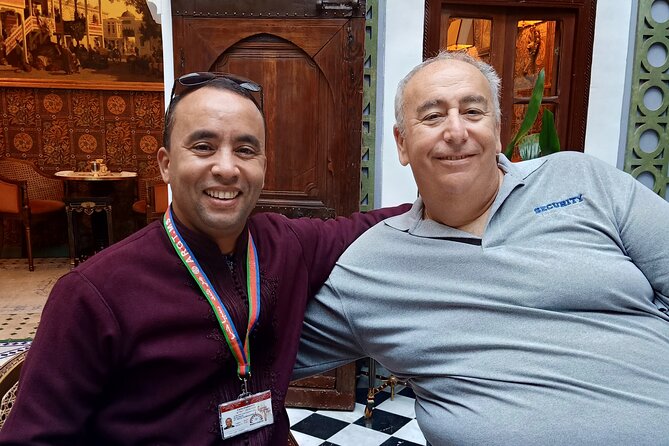
On the guide side, the names that come up repeatedly are Hassan, Abdullah, and Mustafa—each described as punctual, personable, and good at adjusting to what the group wants. Hassan is specifically mentioned as warm and energetic, with extensive knowledge about both Jewish heritage and local culture. Mustafa is noted for knowing his way around the maze of the medina and being flexible about priorities. That kind of practical navigation is exactly what you want from a private guide.
If you’re traveling as a couple, with friends, or as a solo traveler who prefers to move at your pace, private makes the experience feel personal without turning it into a long, tiring day.
Price check: what $186.12 buys you (and what it doesn’t)
At $186.12 per person for about 3 hours, this isn’t a budget “grab-and-go” experience. But you’re paying for several things that add up fast in Marrakech: a registered English guide, a driver, an air-conditioned vehicle, bottled water plus Moroccan mint tea, and fast access to monuments.
You’re also getting a tightly organized route that covers multiple major points: Bab Agnaou, Mellah, Slat Al Azama, Bahia Palace, Jemaa el-Fnaa, Rahba Kedima, plus two souks. Without a guide, you could technically piece this together—but you’d spend time figuring out the best sequence, and you’d probably miss the context that turns a route into a story.
What the price doesn’t include is just as important. Admission fees for Slat Al Azama Synagogue and Bahia Palace aren’t included, and snacks aren’t included either. If you’re watching costs closely, that’s where your final spend may rise a bit.
My rule of thumb: if you value interpretation (what you’re looking at and why it matters) and you don’t want the medina to eat your day, the price feels fair. If you’re mainly chasing photos and you’re comfortable navigating alone, you might find cheaper DIY options—but expect more trial and error.
Who this tour suits best
This tour fits best if you want:
- Jewish heritage in Marrakech through real sites, not just general cultural talking points.
- A short, focused route that still covers a synagogue, a palace, major squares, and the souks.
- A guide who helps you move through the medina without constantly asking where to go next.
It also suits first-timers who feel slightly overwhelmed by the medina. The “private + driver + vehicle” setup reduces logistics stress, while the walking stops are short enough to stay comfortable.
If you’re tight on time during your trip, three hours is a good sweet spot. If you hate crowds, pick your times carefully; Jemaa el-Fnaa is lively even when you’re just passing through.
Should you book this Marrakech Jewish Heritage tour?
Yes—if your goal is to understand Marrakech beyond the postcard basics. The strongest reason to book is the combination of a living synagogue experience at Slat Al Azama and the way the day links that heritage to the wider city: Mellah context, Bahia Palace details, Jemaa el-Fnaa impressions, and craft souks.
I’d book it especially if you care about getting the story straight and you want a guide who can steer you through the medina maze efficiently. Just budget for the extra monument admissions at Slat Al Azama and Bahia Palace, and expect a walking-and-looking format.
If you want a medina day that feels organized, meaningful, and not exhausting, this one checks the boxes.
FAQ
How long is the Marrakech Jewish Heritage private tour?
It’s approximately 3 hours.
Is pickup included?
Yes, pickup is offered.
What’s included in the tour price?
A flexible registered English guide, bottled water, Moroccan mint tea, an air-conditioned vehicle, a professional driver, and skip-the-line or fast access to monuments. You also get a mobile ticket.
Which stops have admission fees not included?
The Slat Al Azama Synagogue and Bahia Palace are listed as not included for admission. (Rahba Kedima Square admission is included.)
Is this a private tour or a shared group tour?
It’s a private tour, so only your group participates.
What happens if the weather is poor?
This experience requires good weather. If it’s canceled due to poor weather, you’ll be offered a different date or a full refund.
If you want, tell me your travel month and whether you’re more into history, architecture, or shopping crafts. I can suggest a best-practice way to pace your photos and breaks during the 3 hours.