REVIEW · DA NANG
Da Nang: Full-day My Son Sanctuary And Hoi An Heritage Tour
Book on GetYourGuide →Operated by Hoi An Express · Bookable on GetYourGuide
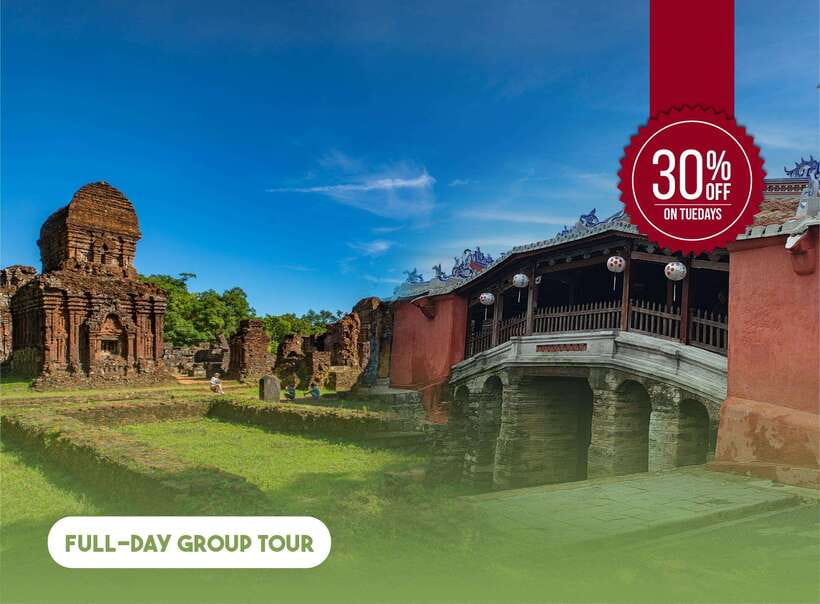
My Son Sanctuary feels like a history cheat code. You get UNESCO Champa ruins in a dramatic mountain valley, then trade temples for Hoi An’s old streets and classic heritage sights, including the Japanese Covered Bridge.
I like how the tour keeps things practical: hotel pickup in Da Nang city center, an English-speaking guide, and entrance fees handled so you can focus on the sights (and photos). The main catch is it’s a long, stop-heavy day—about 9.5 hours—so you’ll want comfy shoes and patience for a packed schedule.
In This Review
- Key highlights to look for
- How the 9.5-hour Da Nang plan actually plays out
- My Son Sanctuary: Champa towers in the valley
- Lunch in Hoi An: a needed reset between ruins and streets
- Hoi An on foot: markets, pagodas, and a guided route that makes sense
- Hoi An Market (about 35 minutes)
- Lotus Pagoda (about 20 minutes)
- 66 Bạch Đằng with a traditional dance show (about 40 minutes)
- Hoi An folk museum (about 15 minutes)
- Old House of Tan Ky and the architecture stops you’ll actually remember
- Old House of Tan Ky (about 20 minutes)
- A look at Chinese-influenced assembly halls
- Art Craft Manufacturing Workshop (included as a stop)
- Local snacks at a café (about 10 minutes)
- The Japanese Covered Bridge and Sông Hoài Square finish the day well
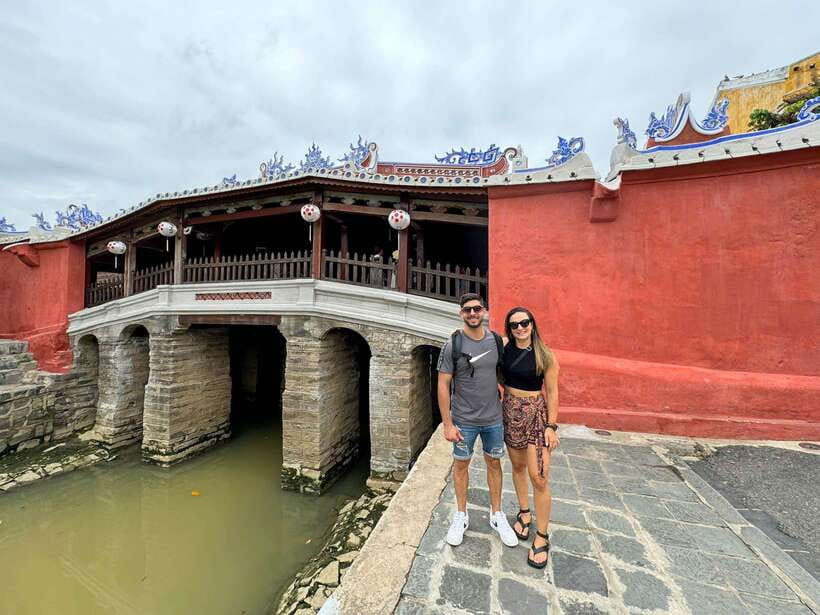
- Japanese Covered Bridge (about 15 minutes)
- Sông Hoài Square (about 15 minutes)
- Price and value: why $67 can work out better than DIY
- Who this tour is best for (and who may feel rushed)
- Should you book this My Son and Hoi An day tour?
- FAQ
- How long is the Da Nang My Son and Hoi An tour?
- Where is pickup included?
- Is lunch included, and what kind of food is it?
- Are entrance fees included?
- Does the tour include a Japanese Covered Bridge visit?
- Is there a traditional dance show?
- What language is the guide?
- Can I book a private group?
- Are unaccompanied minors allowed?
- Is there free cancellation?
Key highlights to look for
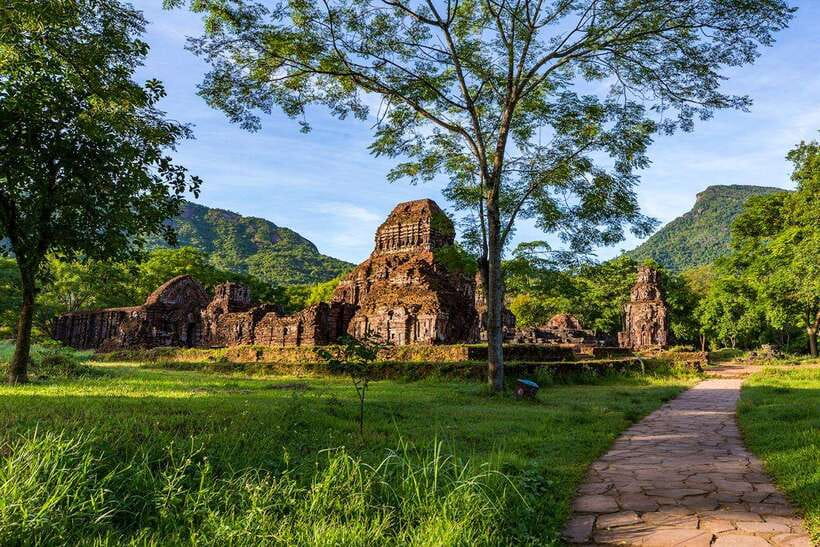
- UNESCO My Son: Champa temple towers and sanctuaries set in a green valley
- Guided walking time: multiple Hoi An stops with context on architecture and Chinese influence
- Japanese Covered Bridge + old houses: quick-hit heritage that’s easy to appreciate
- A real lunch break: traditional Vietnamese lunch included at a local restaurant
- Entertainment included: a short traditional dance show at 66 Bạch Đằng
- Private group option: available if you want a smaller, more flexible vibe
How the 9.5-hour Da Nang plan actually plays out
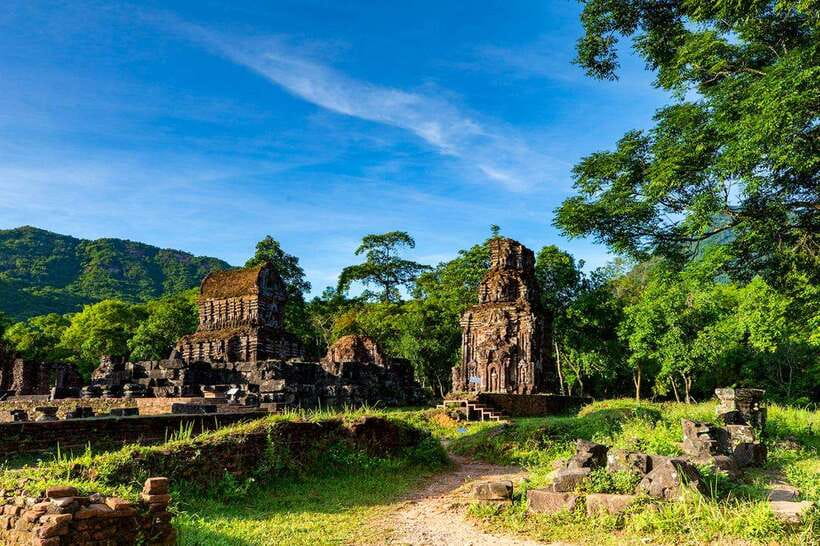
This is a full-day pairing: My Son Sanctuary first, then Hoi An by foot. The day starts with hotel pickup in Da Nang city center (not from Son Tra Peninsula), and you’re asked to be ready about 15 minutes before pickup. Expect about 2 hours at My Son, then a 1-hour lunch, then a series of short, guided stops in Hoi An, ending back in Da Nang.
Why I think this format works well: My Son is spread out and best experienced with a guide who can explain what you’re seeing. Then you shift gears to Hoi An, where the best experience is slow-looking, street-wandering, and reading the buildings as you go. The tour’s pacing is built for that switch—temples first, then town.
You can also read our reviews of more tours and experiences in Da Nang.


My Son Sanctuary: Champa towers in the valley
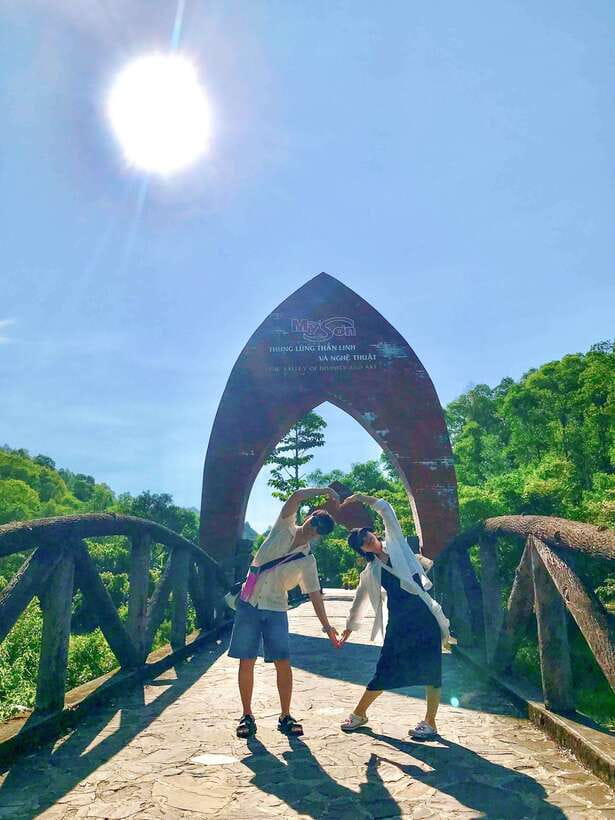
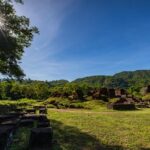
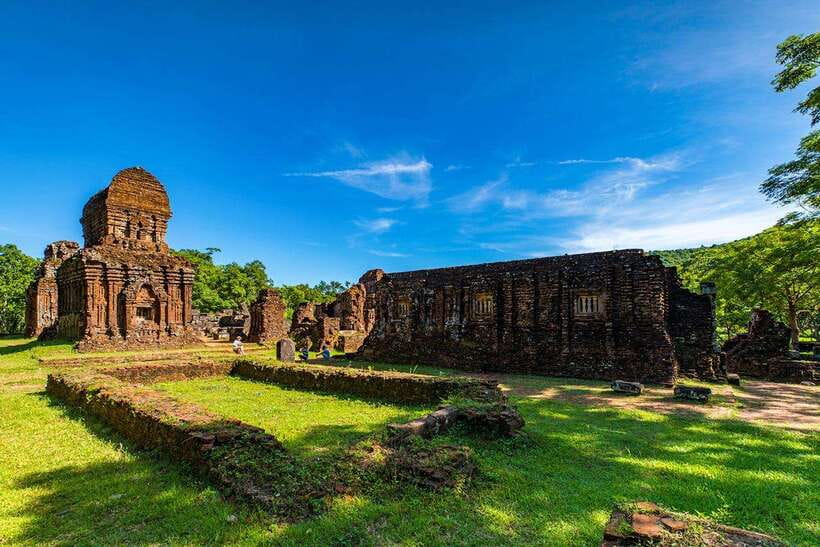
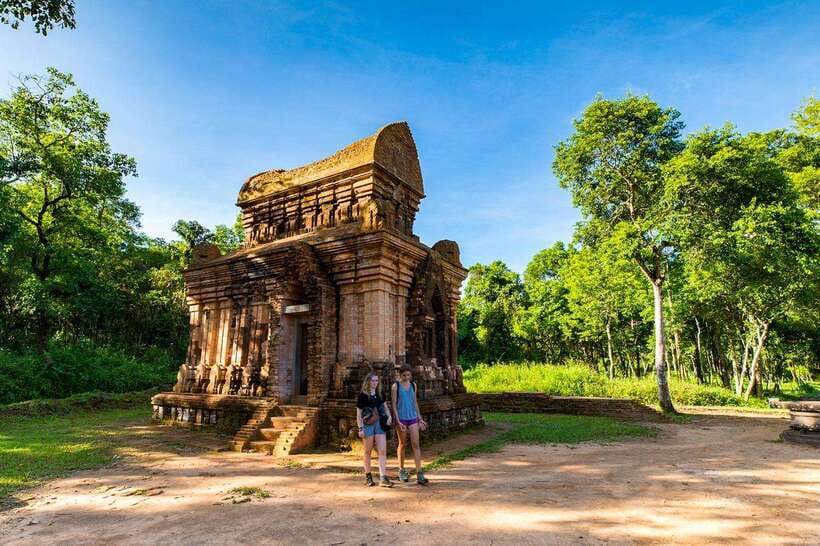
My Son is the Champa Kingdom’s former capital and religious center, and it’s recognized as a UNESCO World Heritage Site. You’ll be walking among red brick towers and sanctuaries tied to centuries of Champa religious life, with the ruins dating from roughly the 7th to the 13th century.
The setting is a big part of the magic. My Son sits in a lush, green valley surrounded by tall mountains, so it feels less like an open-air museum and more like a landscape that shaped how the temples were built. When you stand in the valley, the scale makes sense: you’re not just seeing bricks, you’re seeing how a spiritual capital was organized across multiple temple areas.
What the guide helps with: My Son can look like scattered structures until someone connects the dots. A good English guide will point out which structures represent key religious zones and how the design reflects Champa building traditions. If you’re into history, you’ll get the story behind what’s left. If you’re more into atmosphere, you’ll still enjoy the views and the quiet rhythm of walking the site.
Possible drawback: My Son is one of those places where the day can feel warm and humid, and you’re moving for your guided walk time. If you hate heat or you’re sensitive to sun, plan for slow steps and use breaks when the group pauses.
Lunch in Hoi An: a needed reset between ruins and streets
After My Son, you’ll get traditional Vietnamese lunch at a local restaurant in the Hoi An area (lunch time is about 1 hour). This is one of the best values on tours like this: you’re not left hunting for food with limited time, and you’re not paying restaurant pricing while also trying to solve logistics.
What you should look for here is not a fancy menu—it’s a pause. The lunch stop is long enough to actually recharge before you start walking again. And since your guide is with you, it’s easier to understand what you’re eating and what locals consider typical.
If you’re the type who likes to taste a little of everything, a set lunch is a good move. You don’t have to choose, then wonder if you picked wrong.
Hoi An on foot: markets, pagodas, and a guided route that makes sense
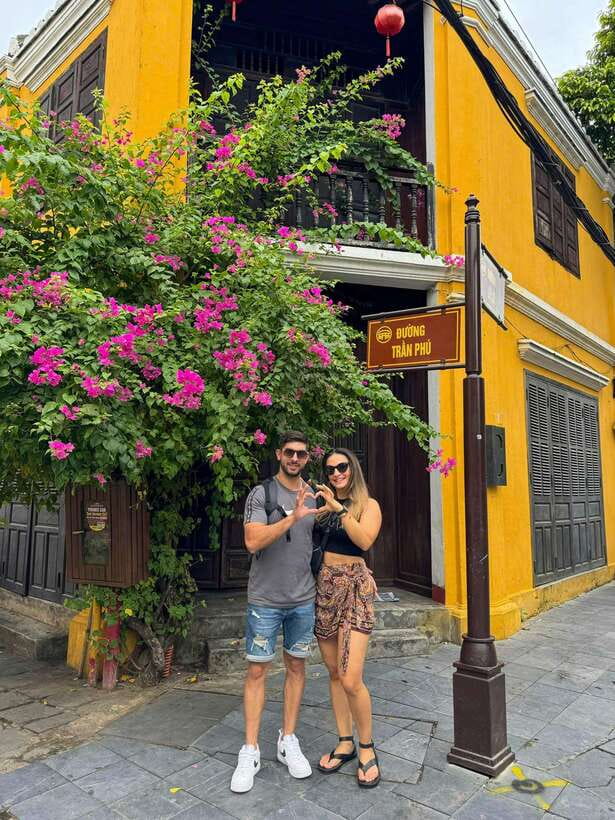
Once lunch is done, the tour shifts into a classic Hoi An format: guided walking, multiple heritage stops, and short visits that keep your day from dragging.
Hoi An Market (about 35 minutes)
You’ll stop at the Hoi An Market for a guided tour and sightseeing walk. Even if you don’t plan to shop, this stop helps you get your bearings fast. You’ll see everyday life tucked near tourist sights, and it’s a good reminder that Hoi An isn’t just an old-photo backdrop—it’s still a working town.



Lotus Pagoda (about 20 minutes)
Next is Lotus Pagoda, a shorter visit that works as a calm contrast after the market energy. This stop is useful if you want more than street architecture. Religious sites in Hoi An add another layer: not every experience here is about merchants and trade.
66 Bạch Đằng with a traditional dance show (about 40 minutes)
Then comes a cultural stop with a traditional dance show at 66 Bạch Đằng. This is one of those “worth it if you’re open to it” moments. It breaks the sightseeing rhythm and gives you a structured cultural highlight instead of only walking and looking.
If you prefer quiet, museum-style sightseeing, treat this as your palate cleanser between outdoor and architectural stops.
Hoi An folk museum (about 15 minutes)
You’ll also visit the Hoi An folk museum for a brief guided look. It’s not a long detour, but it helps you understand the cultural mix that shaped Hoi An’s identity—useful before you move into architecture-heavy stops.
Old House of Tan Ky and the architecture stops you’ll actually remember
Hoi An is famous for architecture that reflects multiple influences, and this tour hits the styles you’ll see in photos and on postcards—but with context.
Old House of Tan Ky (about 20 minutes)
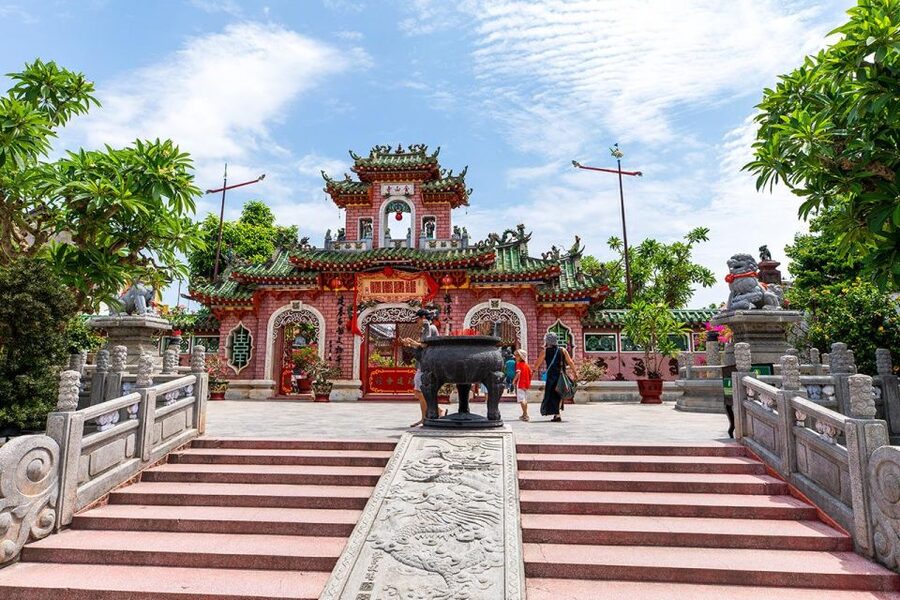
The Old House of Tan Ky is a key visit, and it’s one of the best places on a heritage route to slow down. Instead of just looking from the sidewalk, you get a guided walk through a traditional home that helps you understand how the layout supports family life and climate.
This is also where you start noticing why Hoi An feels different from other historic towns in Vietnam. The houses aren’t generic old buildings; they’re designed. And when your guide points out details, the whole place starts to make sense.
A look at Chinese-influenced assembly halls
Your guided walk includes stops connected to assembly halls influenced by Chinese culture. Even when a building is small, assembly halls help explain the social structure behind a trading port city. It’s not only about trade routes; it’s also about community ties.
Art Craft Manufacturing Workshop (included as a stop)
There’s also an art craft manufacturing workshop stop. This is a good moment if you like seeing how heritage becomes product—how traditional skills survive in a town built on selling stories (and souvenirs). If you’re allergic to sales pressure, keep your focus on watching and asking a few questions. You don’t have to buy.
Local snacks at a café (about 10 minutes)
You’ll get a quick local café snack stop. Think of it as a small break that helps you keep energy up before the final iconic photo stops.
The Japanese Covered Bridge and Sông Hoài Square finish the day well
Hoi An ends with the sights you came for, without stretching the day too long.
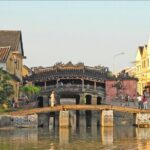
Japanese Covered Bridge (about 15 minutes)
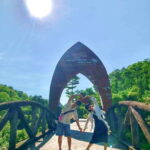
The Japanese Covered Bridge is the star here. It’s short—about 15 minutes—but it’s long enough to take in the details and understand why this bridge matters in Hoi An’s multicultural story. Even from the outside, it’s instantly recognizable, and with a guide you’ll get the cultural context behind it rather than treating it as only a photo stop.
Sông Hoài Square (about 15 minutes)
Finally, you reach Sông Hoài Square for a visit and walk. This is a practical way to close the day because it gives you a “breathing space” moment before heading back to Da Nang. You’ll be ending near the waterways and central heritage areas, so the day feels complete.
Price and value: why $67 can work out better than DIY
At $67 per person for a roughly 9.5-hour day, the value comes from the mix of what’s included:
- transportation
- entrance fees
- lunch
- bottled drinking water
- an English-speaking guide
- travel insurance
- hotel pickup and drop-off in Da Nang city center
DIY can be cheaper on paper, but you start paying in time and stress: getting to My Son, figuring out ticket lines, coordinating a route that makes sense once you’re in Hoi An, and keeping your day on track. This tour handles those friction points. You trade a chunk of money for a smoother plan and a guide to translate what you’re looking at.
If you’re traveling solo or with a small group, the value typically feels strongest because you’re outsourcing the coordination. If you’re with friends and you enjoy planning, DIY might still appeal—but this tour is built for people who want results without a headache.
Who this tour is best for (and who may feel rushed)
This tour is a strong match if you want:
- a one-day hit of both UNESCO My Son and Hoi An heritage
- English guidance to make temple ruins and architecture easier to understand
- an organized day that includes lunch and entrance fees
It may not be ideal if you:
- prefer slow sightseeing with lots of free time
- dislike a schedule with many shorter stops
- need wheelchair-level accessibility support (the data provided doesn’t spell this out, so I can’t promise anything)
Also note the tour doesn’t allow unaccompanied minors, and every child must be accompanied by an adult (so you should book adult tickets for additional children).
Should you book this My Son and Hoi An day tour?
I’d book it if you want a tidy, guided way to connect two of Central Vietnam’s most memorable heritage areas in a single day. The balance of My Son ruins for atmosphere and storytelling, plus Hoi An architecture for walking and photo-worthy structure, is a smart use of time.
I’d skip or reconsider if you’re chasing a totally open itinerary. This isn’t that kind of trip. It’s built to move, explain, and fit a lot into one day.
If your biggest travel fear is wasting time on logistics, this tour is exactly where guided value shows up.
FAQ
How long is the Da Nang My Son and Hoi An tour?
The tour runs for about 9.5 hours, with starting times varying based on availability.
Where is pickup included?
Hotel pickup and drop-off are included from Da Nang city center. Pickup is not included from the Son Tra Peninsula.
Is lunch included, and what kind of food is it?
Yes. Lunch is included and described as traditional Vietnamese cuisine, served at a local restaurant.
Are entrance fees included?
Yes. Entrance fees are included as part of the tour.
Does the tour include a Japanese Covered Bridge visit?
Yes. You’ll visit the Japanese Covered Bridge as one of the stops during the Hoi An portion.
Is there a traditional dance show?
Yes. There is a traditional dance show included at 66 Bạch Đằng.
What language is the guide?
The guide is available in English.
Can I book a private group?
Yes. A private group option is available.
Are unaccompanied minors allowed?
No. Unaccompanied minors are not allowed, and children must be accompanied by an adult (with adult tickets for additional children).
Is there free cancellation?
Yes. You can cancel up to 24 hours in advance for a full refund. The tour also offers reserve now & pay later.