REVIEW · DUBLIN
Dublin: Jeanie Johnston Tall Ship Irish Famine History Tour
Book on GetYourGuide →Operated by Jeanie Johnston Famine Museum · Bookable on GetYourGuide
A tall ship carries Ireland’s hardest story. On this Dublin tour of the Jeanie Johnston, you’ll hear how people left during the famine and watch the Docklands roll past from the upper deck.
I love the two-part layout: a clear walk around the ship above, then a move below deck into the cramped living quarters. I also love how the guide ties the ship to real numbers, including how about 1,000,000 Irish people fled during the famine years and how 2,500 of them took the gruelling voyage on The Jeanie Johnston.
One drawback to plan for: it’s not for people with limited mobility or wheelchair users, and you’ll be walking through tight ship spaces.
In This Review
- Key highlights you’ll feel right away
- Jeanie Johnston Tall Ship and Dublin Docklands: What You Get in 50 Minutes
- Stepping Aboard: The Upper Deck Walk and the “Why This Ship” Story
- How the Tour Frames the Irish Famine Emigration
- Below Deck Reality: Cramped Quarters, Limited Air, and Hard Conditions
- The Human Details Guides Bring Up: Passage Payments, Food, and Personal Stories
- Guides and Storytelling: Why the Tour Feels Consistently “Well Told”
- Photo, Wind, and Timing: Making This Docklands Tour Work in Your Day
- Price and Value: Is $16 Worth It?
- Who This Tour Is For (and Who Might Skip It)
- Should You Book the Jeanie Johnston Famine History Tour?
- FAQ
- Where does the tour start?
- How long is the Jeanie Johnston Tall Ship Irish Famine History Tour?
- Is the tour in English?
- What is included with the ticket price?
- Do I need hotel pickup and drop-off?
- What should I bring?
- Is the tour wheelchair accessible?
- How do I check what time the tour runs?
- Is there a cancellation option if my plans change?
Key highlights you’ll feel right away
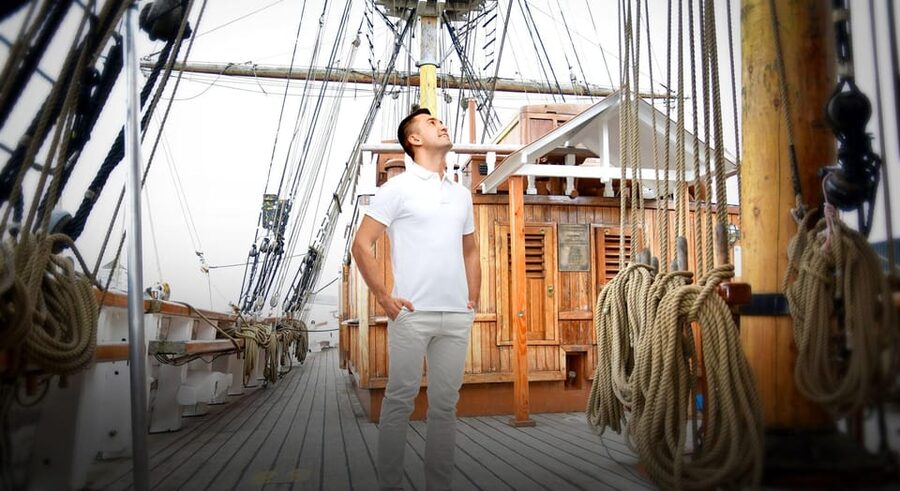
- Tall-ship wonder in Dublin’s Docklands from up high, with masts, sea air, and gulls overhead
- A guided walk that explains why this ship mattered, including her timber-to-passenger career change
- Below-deck life that hits home, with up to 250 people and only about half an hour of fresh air a day
- Stories of how people paid for passage and what they ate, plus the risks from disease, starvation, and disaster
- A photo moment on one of the area’s most photographed attractions
Jeanie Johnston Tall Ship and Dublin Docklands: What You Get in 50 Minutes
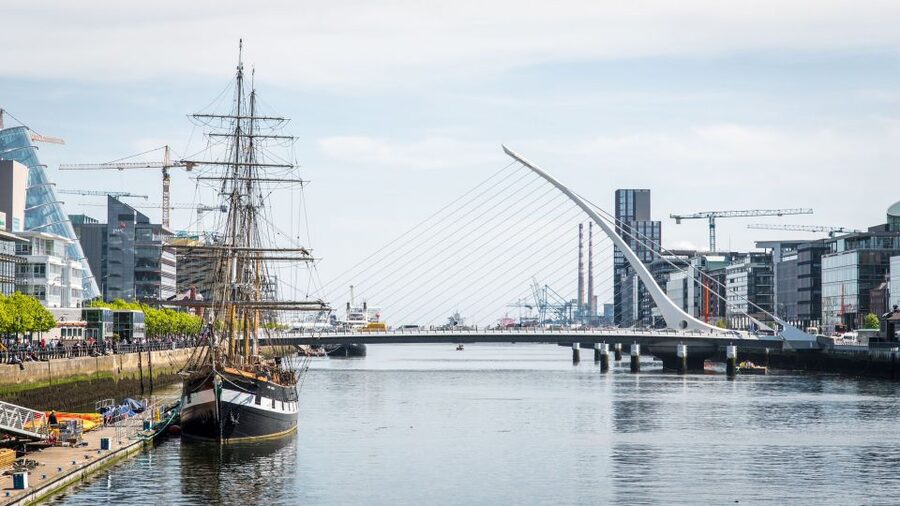
This is a short tour with big emotional weight. The Jeanie Johnston Tall Ship Irish Famine History Tour is designed to move fast, clearly, and in the right order: you start with the “wow” factor of a real tall ship in the harbor, then you go where the hardship lived—below deck.
The whole experience runs about 50 minutes, so it works well even if you’re trying to fit in Dublin sightseeing without losing your whole day. And the price is friendly—$16 per person—especially because your ticket includes guided access to the ship itself.
You can also read our reviews of more tours and experiences in Dublin.

Stepping Aboard: The Upper Deck Walk and the “Why This Ship” Story
You meet at the Jeanie Johnston Tallship at City Moorings, Custom House Quay, Dublin 1. From there, the tour begins above deck with a focused walk around the ship.
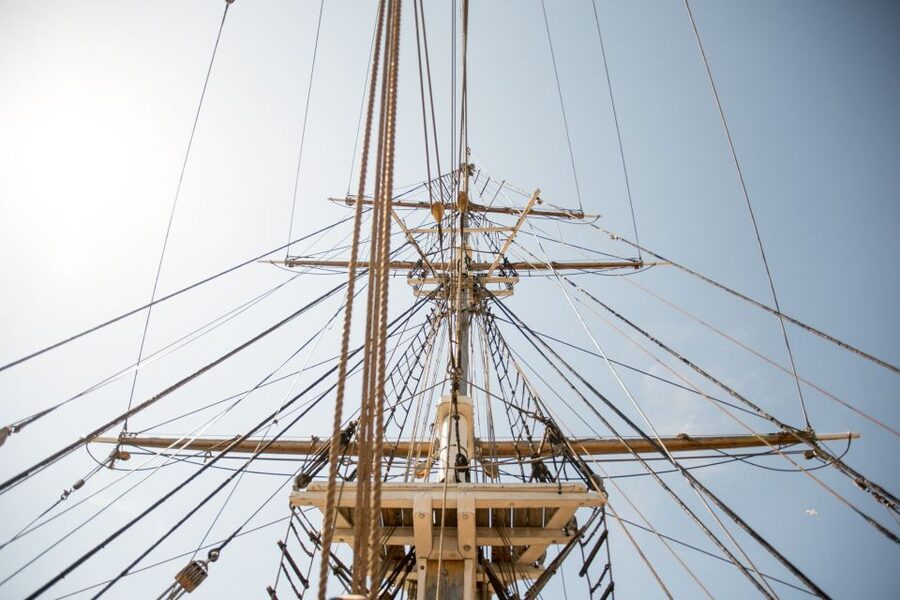
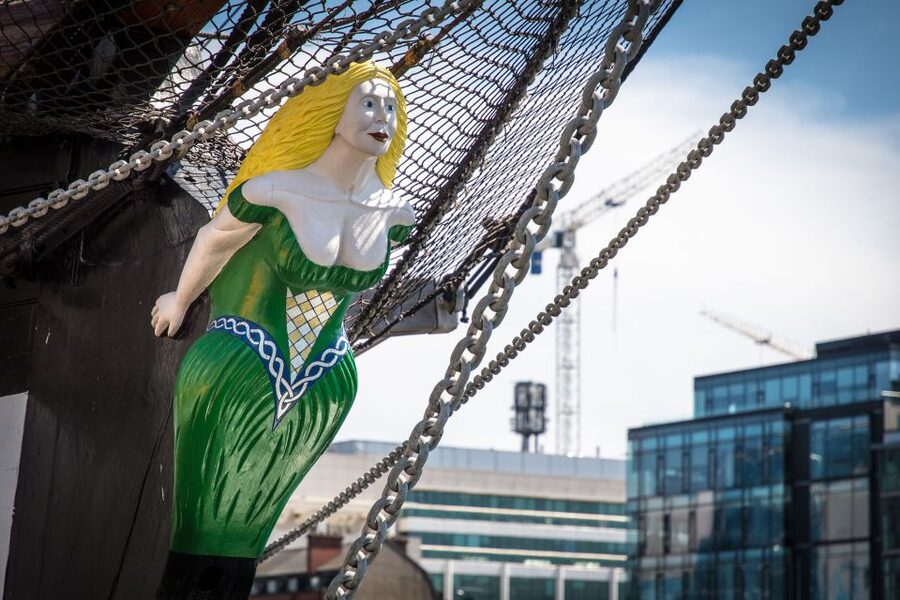
This part matters because it gives you context before things get uncomfortable. Your guide will point out the masts and craftsmanship, and explain the ship’s history—specifically how the original ship’s career shifted from transporting timber to transporting people. It’s a simple change on paper, but it signals a massive shift in what the ship represented in the 19th century.
Then you take in the Docklands from an unusual angle. Dublin’s harbor feels different from a dock wall. Up here, you’ll get that salty sea air feeling, wind in your hair, and the sound of gulls calling overhead. It’s also a practical win: you’ll see why the Jeanie Johnston is one of the area’s most photographed attractions, so it’s easy to grab a quick snap that actually looks like Dublin shipping history.
How the Tour Frames the Irish Famine Emigration
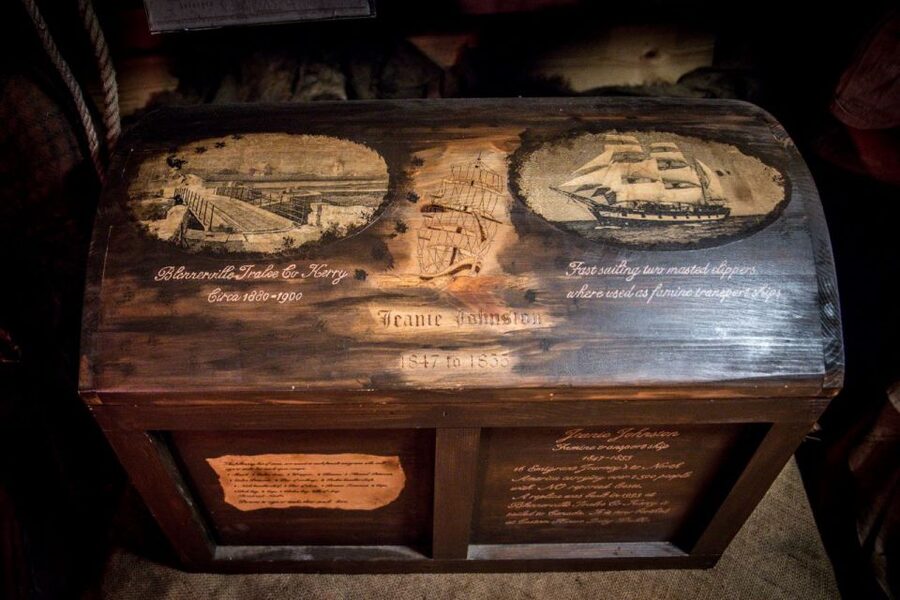
After the ship basics, you move from the physical to the human story. The tour centers on the Irish Potato Famine years, when around one million Irish people fled. The Jeanie Johnston becomes your timeline, your stage, and your guide.
You’ll hear that 2,500 people took the voyage on The Jeanie Johnston. That number helps you stop treating the famine as a vague tragedy and start seeing it as a stream of individual lives and choices. You also learn about the shipping trade in the 19th century—what made these journeys possible, how they were organized, and why the sea was a lifeline for people with few other options.
This is one reason I like this tour so much. It doesn’t only ask you to feel sorry. It gives you a framework: famine pressure on one side, ocean travel on the other, and families trying to figure out how survival could happen at all.
Below Deck Reality: Cramped Quarters, Limited Air, and Hard Conditions
Then comes the part that can feel heavy in a very physical way: going below deck.
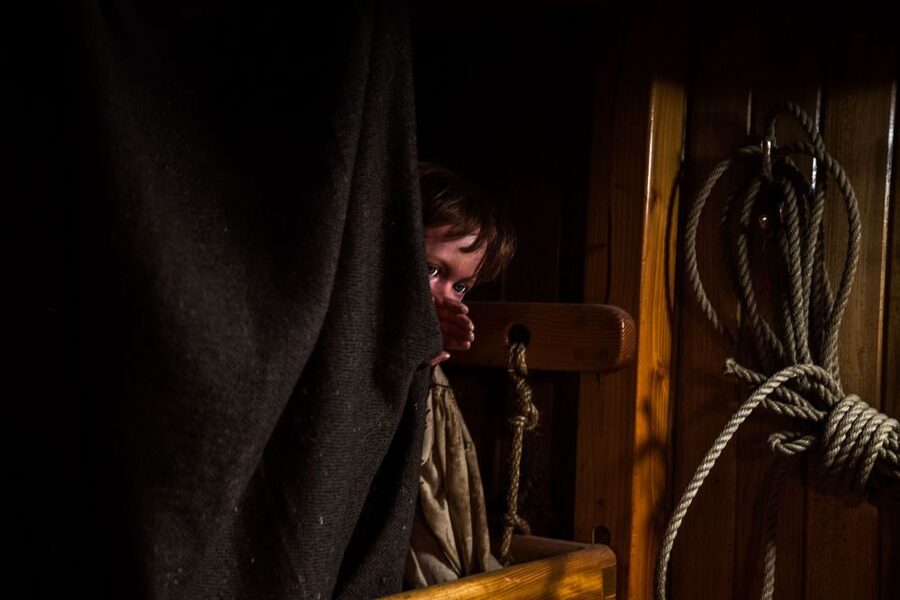
Here, the tour turns into a “walk-through understanding” of the conditions passengers faced. You’ll see the cramped living quarters, where up to 250 passengers spent most of their time. The tour explains that they only got about half an hour of fresh air each day. That detail is small on paper, but it changes how you picture the voyage.
Your guide also sets the scene for what people faced beyond the noise and motion of the sea:
- the risks from disease
- the threat of starvation
- the danger of disaster
- the grim reality of cramped and filthy conditions
A lot of history tours stay at the level of dates. This one gives you a body-level understanding of how limited space can make even ordinary illness and stress more likely. You come away with the sense that this was not a “trip.” It was survival under punishing constraints.
You’ll also hear how people passed the time during the voyage and what fates awaited them at their destinations. This is where the story stops being geography and becomes consequence.
The Human Details Guides Bring Up: Passage Payments, Food, and Personal Stories
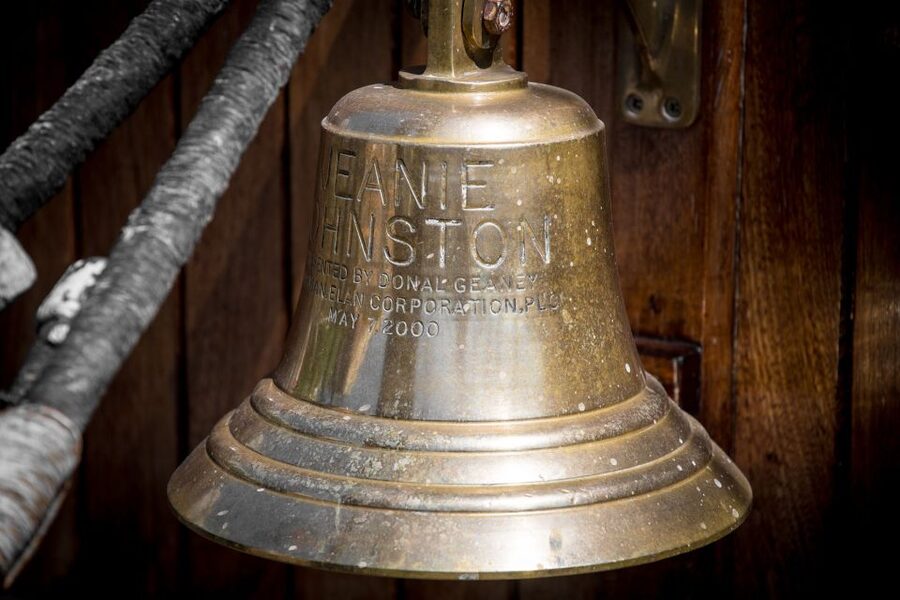
What makes the Jeanie Johnston tour feel more real is how often your guide talks about day-to-day specifics, not just the big tragedy.
Below deck, you’ll meet the passengers and crew through storytelling and learn how emigrants paid for their crossing. You’ll also hear what they ate on the long voyage. Those are the kinds of details that help your brain stop treating the past like a museum label.
One of the strongest themes is that this wasn’t uniform. The tour focuses on the experiences of different people and the roles of crew, too—so you get a sense of how the journey ran, not just what happened to passengers. In the emotional center of the tour, your guide will point out the grim realities of the passage while still keeping the story understandable and chronological.
Some guides also share the striking point that, across the 16 voyages to America, there were no deaths on board. Even if you process that carefully, it’s the kind of detail that reshapes how you picture the whole operation and the risks people managed.



Guides and Storytelling: Why the Tour Feels Consistently “Well Told”
A major reason this tour earns strong marks is how guides handle the tone: serious subjects, clear explanations, and a touch of humor that doesn’t erase the hardship.
Over time, you’ll hear names like Steve, Claire, Eoin, Owen, and Ronan associated with excellent storytelling. The pattern from those experiences is consistent: the guide answers questions, explains clearly, and keeps the pace moving without turning the visit into a lecture.
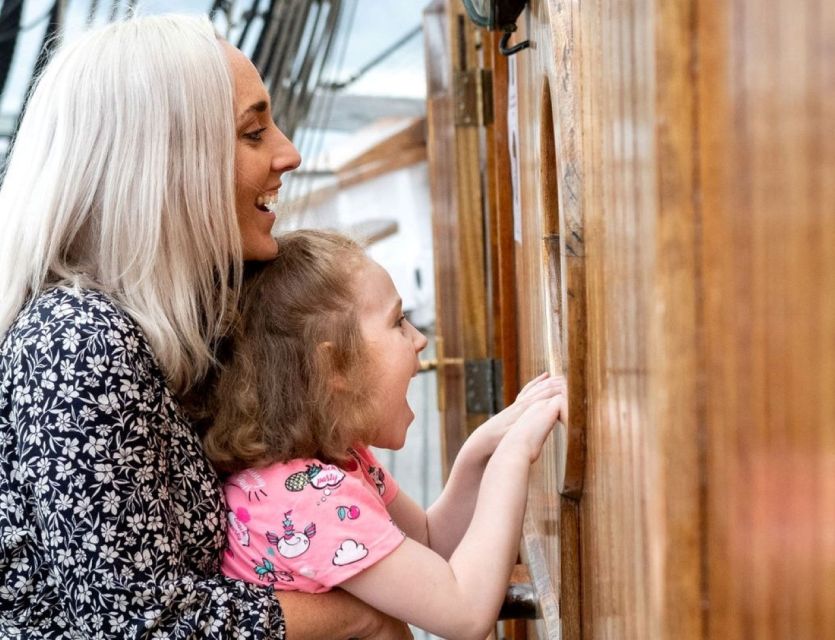
I especially like when a guide mixes warmth and seriousness. For example, some guides encourage engagement early by asking visitors where they’re from, which helps you connect personally to the broader theme of emigration and belonging. And if you’re visiting with kids, the tour can work surprisingly well because the story is concrete and the ship setting holds attention.
Photo, Wind, and Timing: Making This Docklands Tour Work in Your Day
Because the tour includes time above deck, weather matters. If Dublin’s being windy or misty, that’s actually part of the experience. But it also means you’ll want to dress for movement and cool air.
The good news: the tour is short. You’re not stuck for hours. The pacing also helps you avoid museum fatigue. You get the ship’s visual wow factor, then you move straight into the living-quarters story while it’s still fresh.
If you’re planning your day around Docklands, I’d treat this as one “anchor” stop. It pairs well with a walk around the harbor area because it gives you a meaningful lens before you see the rest of Dublin’s waterfront.
Price and Value: Is $16 Worth It?
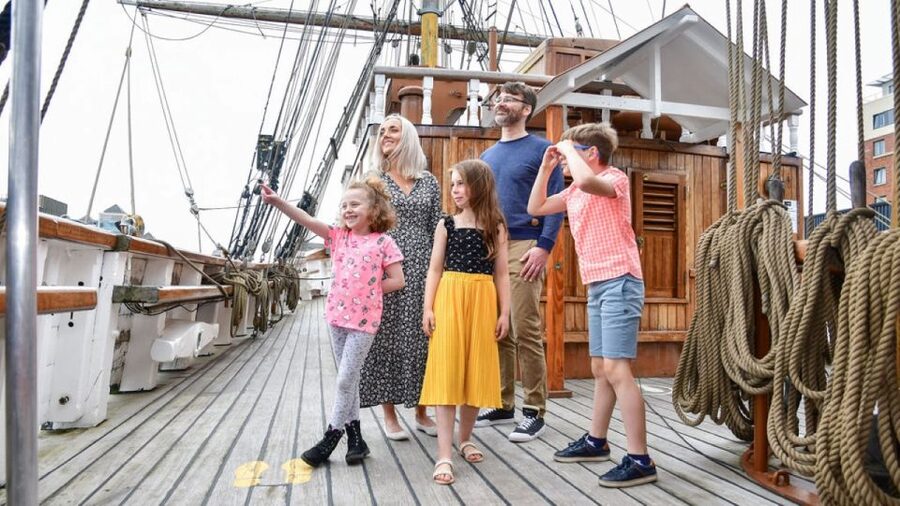
For $16 per person, this feels like solid value if your goal is guided access to an actual tall ship with structured history.
Here’s why the math works:
- You’re paying for guided entrance and access to the ship, not just a quick look.
- The 50-minute length is tight and focused, so it doesn’t eat your whole schedule.
- The experience combines views, explanation, and below-deck simulation-style storytelling, which usually costs more when it’s spread across multiple museum-style stops.
Where you might hesitate is if you strongly prefer “light” sightseeing on vacation. This tour deals with famine-era suffering and survival. It’s handled carefully, but it’s still an emotional subject. If you want only upbeat content, you might feel the tone is too serious.
Who This Tour Is For (and Who Might Skip It)
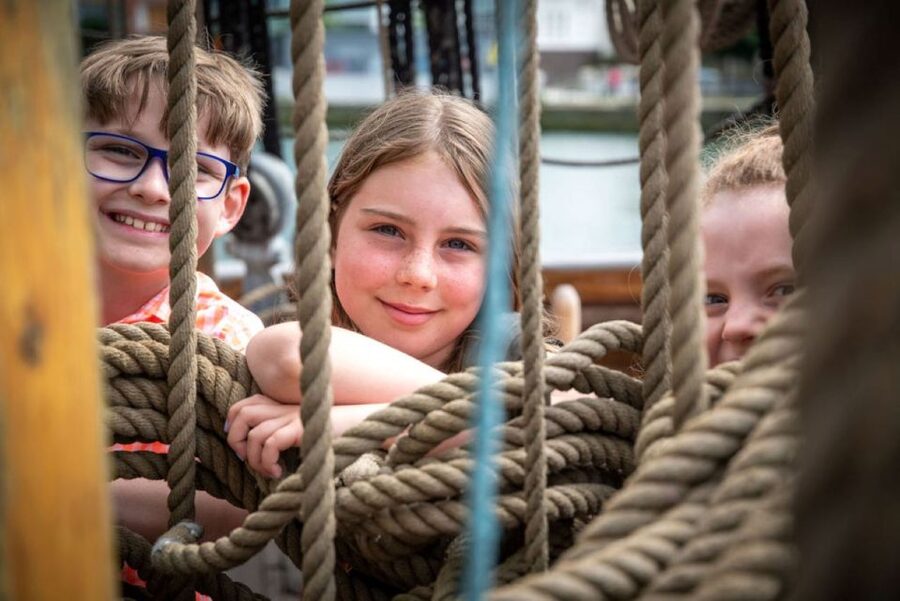
This is a great fit if you want:
- a Dublin tall ship experience with real-world history
- a guided story that uses the ship layout to teach
- a compact tour that gives you context fast
- an emigration-focused perspective that goes beyond slogans
You should skip or reconsider if:
- you need wheelchair access or have limited mobility (the tour isn’t recommended for this)
- you strongly dislike confined spaces or tight ship interiors
- you’re looking for a purely scenic harbor visit without heavy historical themes
If you’re traveling with teenagers, it can work well because the story is direct and the ship setting keeps the mind engaged.
Should You Book the Jeanie Johnston Famine History Tour?
I think you should book this tour if you want one smart, memorable stop in Dublin that connects the harbor to the Irish famine story. For $16 and 50 minutes, you get the rare combo of tall-ship wonder plus human-scale details—how people paid, what they ate, how they lived in cramped quarters, and what risks they faced.
Book it if you’re okay with the subject matter being serious and physical. Pass on it if mobility is an issue for you or if you’re craving only light entertainment.
FAQ
Where does the tour start?
The tour starts at Jeanie Johnston Tallship, City Moorings, Custom House Quay, Dublin 1.
How long is the Jeanie Johnston Tall Ship Irish Famine History Tour?
The tour lasts about 50 minutes.
Is the tour in English?
Yes, the live tour guide speaks English.
What is included with the ticket price?
Your ticket includes entrance and access to the guided tour of the Jeanie Johnston Tall Ship.
Do I need hotel pickup and drop-off?
No. Hotel pickup and drop-off are not included.
What should I bring?
Bring comfortable shoes, since you’ll be moving around on the ship.
Is the tour wheelchair accessible?
No. The tour is not suitable for wheelchair users, and it’s not recommended for people with limited mobility.
How do I check what time the tour runs?
You’ll need to check availability to see starting times, since the exact start times can vary.
Is there a cancellation option if my plans change?
Yes. Free cancellation is available if you cancel up to 24 hours in advance for a full refund.