REVIEW · DUBLIN
Full-Day Irelands Ancient Boyne Valley Private Guided Tour
Book on Viator →Operated by Boyne Valley Tours · Bookable on Viator
Hilltop legends, stone tomb alignments, and real space to ask questions. This private day in Ireland’s ancient Boyne Valley area strings together Celtic kingship and Stone Age sky lore without the usual crowd pressure. You get a full guide-led flow across four major sites, with time built in at each place to look closely rather than rush.
What I like most is the way the day connects meaning to what you’re actually seeing. Hill of Tara’s Lia Fáil isn’t just a famous stone—it’s tied to coronation legend, including that dramatic screech story. And I really value that you’re not stuck with only the biggest-name tombs; the route includes Dowth and Fourknocks, both set up around seasonal light and star alignments.
The main catch to consider is simple: it is a full day with walking and uneven ground at ancient sites, so you’ll want moderate physical fitness. Also, lunch isn’t included, so you’ll need to plan for that gap.
In This Review
- Key Highlights You’ll Notice Fast
- A Private Boyne Valley Day You Can Actually Enjoy
- What the 8-Hour Route Feels Like on the Ground
- Hill of Tara: Fort of the Kings and the Stone of Destiny
- Loughcrew Cairns: Slieve na Caillaigh and the Hag-Carrying Legend
- Dowth Passage Tomb: Winter Solstice Light Without the Pressure
- Fourknocks Passage Tomb: Cassiopeia, Zig-Zag Carvings, and a Different Kind of Alignment
- Price, Group Size, and Whether This Is Good Value
- What to Bring (So the Day Doesn’t Feel Like Work)
- Who This Tour Fits Best
- Should You Book This Private Boyne Valley Day?
- FAQ
- What time does the tour start?
- How long is the full-day tour?
- How big is the group?
- Are tickets included for the sites?
- What’s included and what’s not?
- Do you pick up from hotels or apartments?
- What if I need to cancel?
Key Highlights You’ll Notice Fast
- Private guide, private pace: Only your group, with a schedule that doesn’t feel like cattle.
- Hill of Tara’s coronation story: The Lia Fáil (Stone of Destiny) sits at the center of the high-kingship legend.
- Loughcrew’s Slieve na Caillaigh myth: You’ll hear how a giant hag became part of the place-name story.
- Dowth’s winter solstice light: Setting sunlight in December can illuminate three stones in the central chamber.
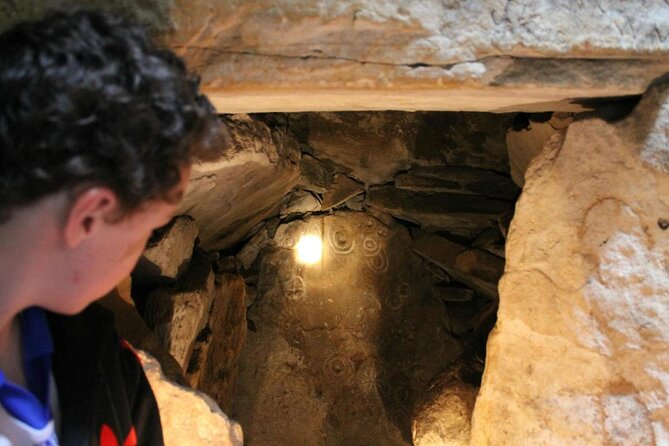
- Fourknocks and Cassiopeia: The site links to helical rising of the W-shaped constellation and explains the zig-zag carvings.
A Private Boyne Valley Day You Can Actually Enjoy
The Boyne Valley region can feel like a highlight reel from the car window. This tour is the opposite. You slow down enough to notice how each site is arranged—earthworks at Tara, cairns across rolling hills, and tomb chambers aimed at light and stars.
I also like the tone of the experience. It’s not museum talk over your head. You get a guided walk and a chance to ask real questions, then move on before you get exhausted.
Finally, you’re doing this from Dublin with convenient pickup. Starting at 8:30 am keeps the day efficient, and the private vehicle means you’re not playing hopscotch with trains, buses, and schedules.
You can also read our reviews of more tours and experiences in Dublin.

What the 8-Hour Route Feels Like on the Ground
This is an 8-hour private tour with about one hour at each stop: Hill of Tara, Loughcrew Cairns, Dowth Passage Tomb, and Fourknocks Passage Tomb. That structure matters because passage tomb sites reward looking slowly. If you only have 20 minutes, you’ll miss the geometry and the details that make them fascinating.
Between stops, you’ll ride in an air-conditioned vehicle with bottled water included. That’s a small thing, but it helps on a long day—especially when the weather turns changeable, which it often does in Ireland.
One more timing note that’s quietly important: these stops are all outdoors or partially outdoors. Even if you only do one hour per place, you’ll still want to dress for wind and damp conditions, even on a bright day.
Hill of Tara: Fort of the Kings and the Stone of Destiny
Hill of Tara is one of those sites where the landscape does part of the explaining. You’re visiting a Celtic ceremonial area linked to kingship rituals, and the summit is enclosed by an Iron Age Royal Enclosure known as the Fort of the Kings.
Inside that enclosure, you’ll hear about two interlinked earthworks: Cormac’s House and the Royal Seat. Those names are more than labels. They frame the way people may have used the space—part political, part ritual, part theatre of power.
At the heart of the Royal Seat is a standing stone called the Lia Fáil, also described as the Stone of Destiny. The legend says that when the true king held the stone, it let out a screech that could be heard all over Ireland. Even if you treat that as myth, it’s still useful because it tells you what kind of meaning people were trying to anchor in the place.
What to watch for: take your time at the enclosure viewpoints, and let your guide tie the earthworks to the legend. If you rush, the site can feel like grassy mounds. Slowed down, it becomes a map of ceremony.
Possible drawback: Tara is a summit-style stop. Plan for a bit of climbing and uneven ground, and don’t assume it’s an easy stroll.
Loughcrew Cairns: Slieve na Caillaigh and the Hag-Carrying Legend
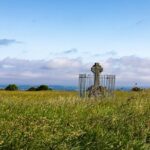
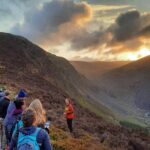
Next you’ll head to Loughcrew Cairns, a Stone Age site with monuments spread across the hills. The scale is part of the magic—this isn’t one single tomb photo spot. It’s a landscape of ancient stonework.
The Irish name is Slieve na Caillaigh, which translates to mountain of the hag. The legend says the monuments were created when a giant hag walked across the land and dropped her cargo of large stones from her apron.
That kind of story might sound like folklore for folklore’s sake, but here it does a real job. It helps you understand how local people held onto a huge, hard-to-interpret set of monuments. Instead of thinking only in terms of dates, you start thinking about how meaning got passed down.
What to watch for: keep an eye on the way the cairns sit on the hillside contours. Your guide can help you connect the setting to what makes the site distinctive.
Possible drawback: depending on weather, hill walking can feel longer than you expect. Wear shoes you trust on uneven ground, not just “tourist sneakers.”
Dowth Passage Tomb: Winter Solstice Light Without the Pressure
Dowth is one of the three principal tombs at the Brú na Bóinne World Heritage Site, and it’s often less overhyped than the headline names nearby. Still, Dowth is described as comparing in size with both Newgrange and Knowth, which helps balance your expectations before you arrive.
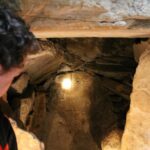
The key feature here is alignment. Like Newgrange, Dowth is aligned with the winter solstice. In December, the setting sunlight can penetrate the passage tomb and illuminate three stones in the central chamber.
If you’re into astronomy or just like how people once read the sky, this stop delivers. You’re not just looking at a carved chamber; you’re seeing the idea that architecture and the seasons were in conversation.
What to watch for: let the guide explain the alignment in plain terms, then stand back and look at how the tomb is oriented. Even if you’re not there in December, the explanation makes the site feel less mysterious.
Possible drawback: this is still a tomb stop—so it’s inherently less “hands-on” than Tara’s open enclosure. It’s better if you’re okay with quieter, reflective site time.


Fourknocks Passage Tomb: Cassiopeia, Zig-Zag Carvings, and a Different Kind of Alignment
Fourknocks is outside the village of Ardcath, Co. Meath, and it earns its reputation as a quieter stop. The name comes from the Irish Fuair Cnoic, meaning cold hills.
The mound at Fourknocks was built around 5,000 years ago, putting it in the same general era as other major passage tombs in the region. That timeline matters because it positions the site within a shared tradition of monument building.
Here’s the really interesting part: Fourknocks is described as too far north for a solar alignment, but it’s aligned with the winter solstice sunrise path toward Newgrange. Your guide can also connect this to stone age sky lore: the passage tomb is said to align with the helical rising of the W-shaped constellation Cassiopeia. That may help explain the dominance of W-shaped zig-zag engravings.
This is where private guiding shines. When you have a tour setup like this, you’re not stuck guessing what you’re meant to notice. You get the “why” that makes the carvings and alignment feel intentional instead of random.
What to watch for: if you enjoy patterns—especially W-like shapes—this stop is especially rewarding. Stand with the explanation, then try to spot how the designs connect to the sky reference.
Possible drawback: if you’re expecting only the kind of solstice light show associated with the best-known sites, Fourknocks may feel more conceptual. It’s still fascinating, just a different flavor of awe.
Price, Group Size, and Whether This Is Good Value
The tour price is $898.70 per group for up to 3 people. That sounds like a lot until you do the basic math: you’re buying a private day with transport, a guide, and a tight schedule across four major ancient sites.
It’s best value if you’re traveling in a small group—two people splitting cost, or three people making it truly efficient. If you’re solo, you can still do it, but it’s usually the “pay extra for privacy” option.
Also, the day has a few elements that help justify the cost. You have private transportation in an air-conditioned vehicle, bottled water, and the stops are listed as admission ticket free for this experience. Lunch isn’t included, so you’ll want to budget for a meal separately.
Most importantly, this isn’t a rushed bus tour. For ancient sites like Tara and passage tombs, the value is in time and interpretation. A private guide helps you translate the stone layout into something you can actually understand in one day.
What to Bring (So the Day Doesn’t Feel Like Work)
You’ll spend meaningful time outdoors at each location. Bring layers you can adjust easily, and wear shoes good for uneven ground and short climbs.
Because lunch isn’t included, I’d plan for either a takeaway snack plus a late meal, or a lunch stop on your own timing. And since the tour includes bottled water, you can keep your hydration simple—but having a small extra snack never hurts on a long day.
If you care about photos, bring a phone or camera with a charged battery. These sites are best shot with patience: from the right angle, with the light you get on the day.
Who This Tour Fits Best
This tour fits you if you want more than “see the monument.” You’re here to understand how people tied power, seasons, and sky observation into stone architecture.
You’ll probably enjoy it most if you like:
- asking questions and getting direct answers
- slow looking at earthworks and tomb chambers
- learning the stories behind place names and carvings
- avoiding the feeling of crowds steamrolling your day
It’s also a good match for visitors who don’t want to manage multiple stops on public transport. Pickup from your Dublin accommodation is offered, and the private vehicle keeps your day calmer.
And if you’re traveling with friends or family, the up-to-three group size is ideal. You get private attention without turning the day into a solo-exam.
Should You Book This Private Boyne Valley Day?
I think you should book it if you want a high-quality, interpretation-focused day with four standout ancient sites and real breathing room between them. Hill of Tara gives you kingship legend and earthworks you can map with your eyes. Dowth adds winter solstice light alignment. Fourknocks brings star alignment and those W-shaped zig-zag ideas into the mix. That combination is a strong argument for doing this as a guided private experience.
I’d pause before booking if you know you dislike hills or uneven terrain, because this is not a flat, stroller-friendly day. Also consider the lunch gap—plan your food so you don’t end the day hungry and cranky.
If you’re in Dublin and you want one focused day to understand Ireland’s ancient “stone meets sky” tradition, this tour is a solid choice.
FAQ
What time does the tour start?
It starts at 8:30 am.
How long is the full-day tour?
The duration is about 8 hours.
How big is the group?
This is a private tour, and it’s for up to 3 people per group.
Are tickets included for the sites?
Each stop lists admission ticket free, so you shouldn’t need to pay entry for these specific locations as part of the experience.
What’s included and what’s not?
Included: bottled water, private transportation, and an air-conditioned vehicle. Not included: lunch.
Do you pick up from hotels or apartments?
Pickup is offered. If pickup is at an apartment or AirBnB, you’ll need to provide the full address including the Eircode.
What if I need to cancel?
Cancellation is free. You can cancel up to 24 hours in advance for a full refund; canceling less than 24 hours before the start time isn’t refunded.