REVIEW · HANOI
Duong Lam Ancient Village Private Tour: Ancient Vestage, Fortress
Book on Viator →Operated by Paradise Indochina Travel · Bookable on Viator
Red brick lanes in Vietnam’s past. On this private Duong Lam Ancient Village tour, I love the 400-year-old laterite houses and the chance to bike through the village lanes with biking built into the plan. You’ll also stop at the fortress of an old citadel in Sơn Tây for a contrast between rural “living museum” calm and military stone.
There’s one trade-off: expect a 1.5-hour drive each way plus a full 7 to 8 hours overall, so it’s a proper day trip, not a quick hop.
In This Review
- Key things to know before you go
- Where Duong Lam Ancient Village Fits in a Hanoi itinerary
- The ride out of Hanoi: private pickup, then straight to the story
- Thành Cổ Sơn Tây: the fortress stop built in 1822
- Mong Phu village hall: a smaller stop with big village meaning
- Duong Lam’s narrow lanes: laterite houses up to 400 years old
- How biking helps you see more (without turning it into a workout)
- Lunch at a local family: simple, included, and part of the value
- The guides: where context makes the sites click
- Timing and pacing: 7 to 8 hours that can feel full
- Value check: is $95 per person worth it?
- Who should book this private Duong Lam and Sơn Tây day tour?
- Should you book? My practical take
- FAQ
- How long is the Duong Lam Ancient Village Private Tour?
- Is pickup included from Hanoi?
- What stops are included on the itinerary?
- Do I get lunch and water during the tour?
- Is biking included?
- Is this a private tour?
- What is the cancellation policy?
Key things to know before you go
- A “living museum” feel in Duong Lam, known for laterite (red clay) architecture and old homes aged up to 400 years
- Sơn Tây Citadel (Thành Cổ Sơn Tây), including the admission ticket stop at the fort built in 1822
- Mong Phu village hall, including the temple site built in 1533, plus time to look around calmly
- A real village lunch, served as lunch at a local family, with bottled water on tour
- Biking in Duong Lam, a practical way to cover narrow areas without tiring out too fast
- Private, English-speaking guide, with enough flexibility that the day can match your interests
Where Duong Lam Ancient Village Fits in a Hanoi itinerary

If you like Vietnam’s old villages, Duong Lam is the kind of place that makes time feel slower. The village is famous for laterite houses—homes built with red clay (laterite) formed from weathered basalt in northern Vietnam—and for narrow lanes that let you walk the village like a local.
The tone of the day is different from Hanoi’s streets. Instead of traffic and neon, you get quiet alleys, communal and temple spaces, and everyday details you’d miss if you only drove past. Add in the fortress stop in Sơn Tây, and you get a nice balance: rural roots plus big, stone-scale history.
This is also the sort of tour that works well if you want context without doing homework first. An English-speaking guide helps you connect what you’re seeing—houses, temples, gates, and fortifications—to the bigger story of Vietnamese culture and tradition.
You can also read our reviews of more tours and experiences in Hanoi.

The ride out of Hanoi: private pickup, then straight to the story
The tour starts in the morning with pickup from your hotel in Hanoi. The transfer to Duong Lam is about 1.5 hours, so you’re not stuck on a bus all day long. It’s a private car setup, meaning it’s only your group in the vehicle, not a shared cattle-car feeling.
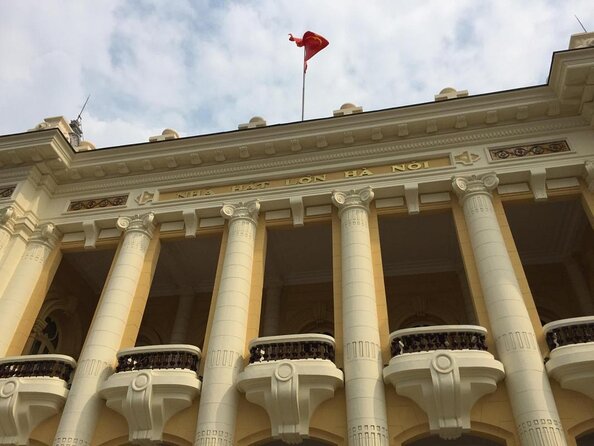
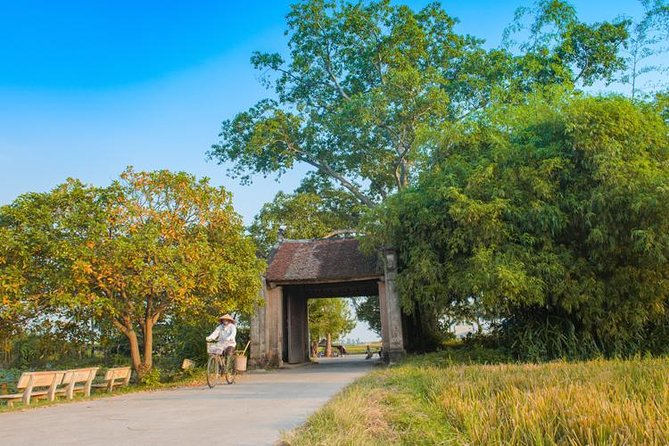
This matters because Duong Lam isn’t the kind of place where you want constant stop-and-go chaos. You’ll arrive, take in the village gate and streets, and then move through the sites at a comfortable pace. If you’re coming from the Old Quarter area, the plan is easy to plug in: the tour ends with drop-off around Hanoi Old Quarter, Hoan Kiếm lake, or near the Opera House area.
One practical note: since the schedule includes pickup, multiple sites, and a lunch stop, it’s worth wearing comfortable shoes. You’ll do plenty of walking and lane-crossing, even if the ride is smooth.
Thành Cổ Sơn Tây: the fortress stop built in 1822
Your first big site stop is Thành Cổ Sơn Tây (Son Tay Citadel), typically around 10:00. This is a major historic structure built in 1822 and described as a Vauban-style fortification—meaning the design reflects European-inspired fort layout ideas adapted into Vietnamese construction.
It’s also sizable: the landmark covers about 16 hectares. That scale changes how you experience it. Instead of “one pretty building,” you get the feeling of a military system—walls, spacing, and the way the fort works as a defensive space rather than just a monument.
You get about an hour here, and entrance is included. That hour is a good length. It gives you time to walk and look without turning the day into a march. It’s also a helpful setup for Duong Lam, because the fortress reminds you that villages weren’t isolated islands. They existed inside broader political and defensive worlds.
If you like architecture, this stop is also a contrast to the laterite houses later. Stone and strategy in the morning. Red clay and daily life in the afternoon.
Mong Phu village hall: a smaller stop with big village meaning
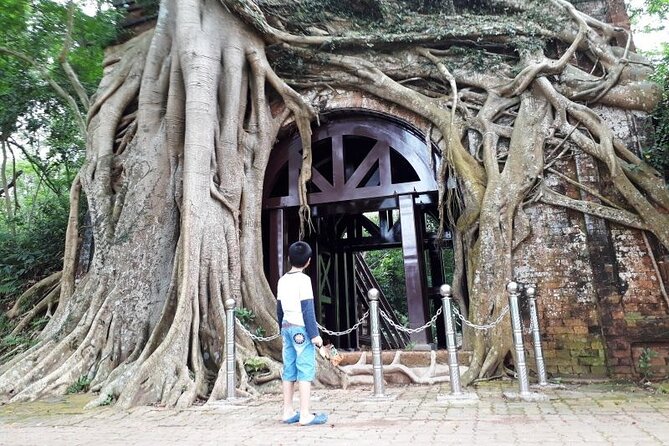
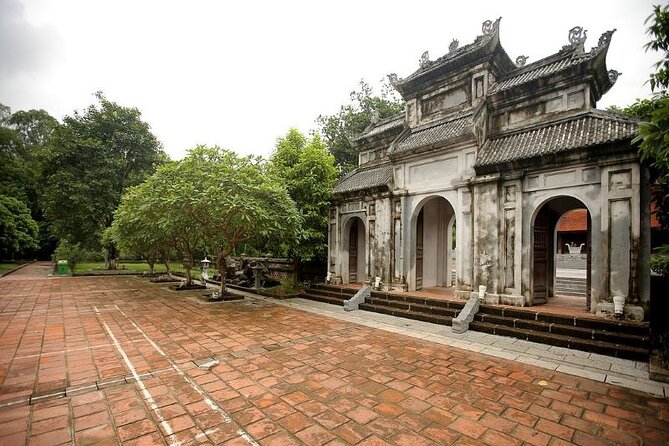
Next up is Mong Phu village hall (Mong Phu Temple). Expect about 30 minutes at this stop, with admission included. The temple sits on one of the central and tallest places in the village, and it’s about 1,800 square meters in size.
Here’s why this stop is more than a quick photo stop. The temple dates back to 1533, under the reign of King Mạc Đăng Dung (the tour info references the reign connected to the original construction). It was also renovated in the early 19th century, so you’re not just looking at an ancient foundation—you’re seeing a living religious site that has been kept and refreshed across time.
In practice, a short stop like this works best when your guide connects the dots. You’ll get context for why temples and communal spaces were important, and you’ll often notice how village life organized around these places—socially, spiritually, and sometimes even politically.
Also, since this is a smaller time block, it’s a good “breather.” You’re between the fortress stop and the longer Duong Lam village walking time, so the schedule keeps energy in check.
Duong Lam’s narrow lanes: laterite houses up to 400 years old
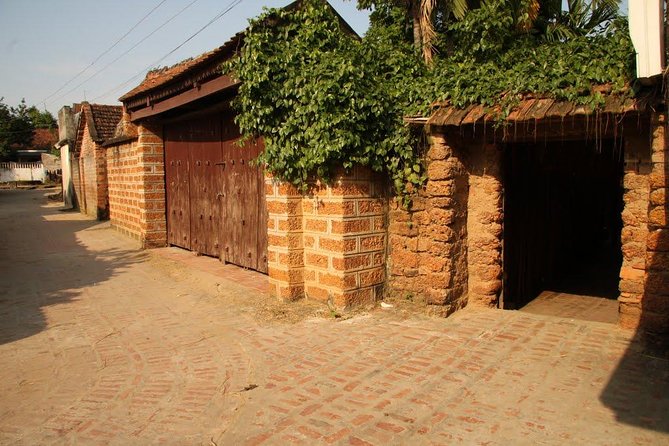
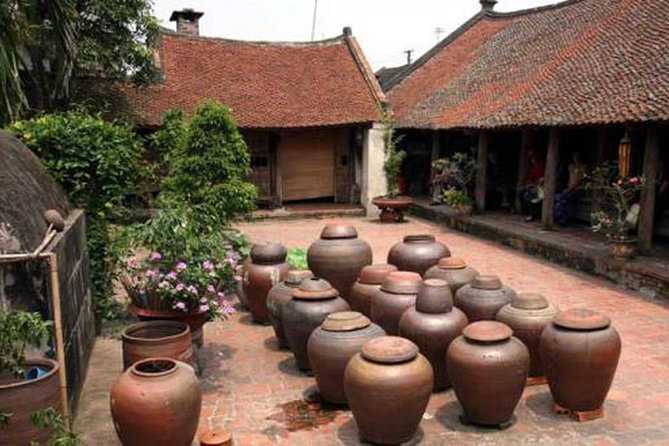
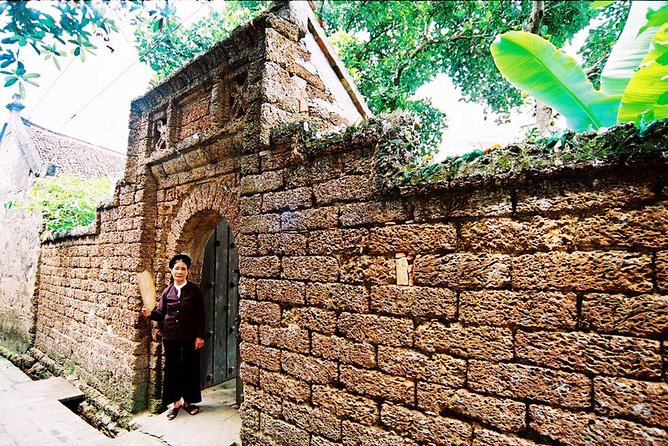
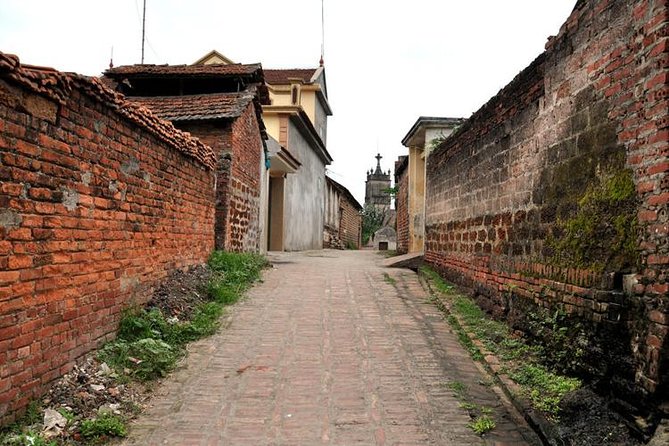
Then it’s time for the main event: Duong Lam Ancient Village. You’ll spend around 3 hours here, and the entrance and sightseeing fees are included. The village is known as a museum of surviving laterite—red clay architecture that has lasted long enough to function like a window into rural Vietnam.
What makes Duong Lam special is the architecture and the rhythm of walking. Houses are old—up to 400 years in age—and many are built in a way that feels grounded in local materials and techniques. When you follow the narrow alleys, you get the sense that you’re moving through a real settlement, not a staged set.
One detail worth paying attention to is the natural holy milking-well storing clear water all year round. The tour describes it as a place where a childless couple is believed to be able to give birth by drinking the water. Even if you don’t treat beliefs literally, the well tells you something about how people long ago understood water sources, fertility, and luck—and how those beliefs became part of the village’s identity.
As you wander, look for the village gate and the way the houses and communal structures relate to one another. That village layout is part of the story: the way lanes guide you from one household or temple space to the next is the “how” behind the living-museum feeling.






How biking helps you see more (without turning it into a workout)
Biking is included in the plan, which is a smart choice for this kind of village. Duong Lam’s lanes can be narrow and a bit uneven, so having an option to ride helps you cover more ground without burning all your energy.
You don’t need to think of biking as a thrill activity here. It’s about efficiency and comfort—letting you travel between clusters of houses and sites while still having time to get off and walk where it’s meaningful. If you prefer not to bike, you might still appreciate it as an option that keeps the day flexible.
This is also one of the best ways to keep the experience from feeling rushed. A private tour format helps here: you’re not getting dragged along with a big group pace, and you can slow down at the exact places where you’re curious.
Lunch at a local family: simple, included, and part of the value
Lunch is included, and it’s served at a local family. Drinks during lunch are not included, so if you want tea, soft drinks, or anything alcoholic, you’ll need to budget for it separately.
Why this matters for your decision: the $95 price isn’t only paying for a guide and entrances. Lunch in the village setting is a real component of the day. It’s also one of the most memorable parts for many people because it turns sightseeing into a social break—you sit down, eat, and talk in a more relaxed way than walking.
If you have dietary needs, it’s smart to communicate those when you book. The tour info doesn’t list meal restrictions, and since the plan uses a local family setup, you’ll want to make sure the lunch works for you.
Also, bottled water is provided during the tour, which helps on a hot day and saves you from last-minute convenience-store runs.
The guides: where context makes the sites click
The tour includes an English-speaking tour guide, and the impact of that can be huge here. Duong Lam isn’t just about old houses; it’s about understanding why those houses are shaped the way they are, what the village landmarks meant, and how the sites relate to everyday life.
In guides I’ve seen associated with this kind of tour, friendliness and strong explanations come up again and again. One guide named Tu is noted for being extremely friendly and for sharing invaluable historical context. Another guide named Hana is described as professional, with a focus on helping you discover the secrets and details of the destination.
The best part isn’t only facts. It’s that a good guide can adjust the day to your interest—one of the experiences described includes customizing stops based on the group’s interests. With a private tour, that’s exactly what you want. If you’re more into architecture, you can spend more time looking at house features. If you prefer temples and communal spaces, the guide can emphasize those.
So yes, you’ll see the fortress and villages. But a great guide is what turns the visit into something you can actually remember and explain later.
Timing and pacing: 7 to 8 hours that can feel full
The full experience runs about 7 to 8 hours. The day is structured so you get variety without bouncing back and forth too much: pickup around 8:30, fortress at about 10:00, a 30-minute temple stop, then the longer village time, and finally drop-off around 16:30.
That pacing works well if you want a “one-day sampler” of northern Vietnamese heritage. You get:
- A big fort stop with architecture and scale
- A temple stop that shows village religious life
- A longer village visit where you can actually wander
A downside is obvious: it’s a long day for a single area. If you’re the kind of traveler who wants downtime in the afternoon, plan something low-key for the evening afterward. You’ll likely be tired from walking lanes, even though you’ll have the car between stops.
Value check: is $95 per person worth it?
At $95 per person, the value is strongest if you compare what’s included rather than just the sticker number. Your tour includes:
- Private car transfer round trip
- English-speaking guide
- Entrance fees and sightseeing fees
- Lunch at a local family
- Bottled water
- Biking in Duong Lam
That combination is what makes the price feel reasonable. A lot of day tours charge separately for entrance fees, food, and transportation. Here, you get a full package that covers the major “costs you’d otherwise add up yourself.”
It’s not perfect value for everyone, though. If you’re traveling solo and already comfortable arranging a car and buying tickets on your own, the private format might cost more than a DIY day. And because drinks during lunch aren’t included, you might add a small extra amount depending on what you order.
Still, for most people, the easiest math is this: transportation plus a guide plus entrances plus lunch plus biking is a lot for one set price. The only question is whether the schedule fits your energy level.
Who should book this private Duong Lam and Sơn Tây day tour?
This is a great fit if you:
- Want an old-village day trip from Hanoi without complicated planning
- Like architecture and want context for how and why structures were built
- Prefer a private setup with an English-speaking guide
- Enjoy walking, but still want biking as a practical option
- Want a mix of rural village life and a major fortress stop in the same day
It might be less ideal if you:
- Hate long days with a morning start and a lot of transitions
- Want city shopping or museum hopping rather than villages and fortifications
- Need a very slow, minimalist pace with lots of free time
If you’re traveling as a couple, small group, or family who wants structure but flexibility, the private format helps a lot.
Should you book? My practical take
Book it if you want a day that feels like you’re meeting Vietnam’s roots—laterite houses, narrow lanes, village temples, and a fortress built in 1822—all tied together by an English-speaking guide. The lunch at a local family and the included biking make it feel like more than a checklist.
Skip it if your top priority is maximum free time or you’re not interested in history through architecture. This tour delivers a specific kind of experience: countryside heritage with a fort stop that adds scale.
If you do book, come with comfortable shoes and a phone camera ready. And when your guide explains the milking-well belief, the laterite house materials, or the fortress design, pause and ask one follow-up. That’s usually where the day turns from sightseeing into real understanding.
FAQ
How long is the Duong Lam Ancient Village Private Tour?
The tour lasts about 7 to 8 hours.
Is pickup included from Hanoi?
Yes. You’re picked up from your hotel in Hanoi (with the meeting point listed at Hanoi Opera House, 1 Tràng Tiền, Phan Chu Trinh, Hoàn Kiếm).
What stops are included on the itinerary?
You visit Thành Cổ Sơn Tây (Son Tay citadel built in 1822), Mong Phu village hall/temple, and Duong Lam Ancient Village (with about 3 hours there). You also return to Hanoi afterward.
Do I get lunch and water during the tour?
Lunch at a local family is included, and bottled water is included. Drinks during lunch are not included.
Is biking included?
Yes, biking in Duong Lam is included.
Is this a private tour?
Yes. It’s private, so only your group participates.
What is the cancellation policy?
Free cancellation is available. You can cancel up to 24 hours in advance for a full refund. If you cancel less than 24 hours before the experience starts, the amount paid is not refunded.