REVIEW · HANOI
Full-Day Hanoi City History Tour
Book on Viator →Operated by Tour Guide Hanoi · Bookable on Viator
Hanoi history, in one well-paced day. With pickup and an English-speaking guide, you start strong without figuring out routes or parking. The day strings together the Ho Chi Minh Mausoleum area, One Pillar Pagoda, the Vietnam Museum of Ethnology, and ends with photo time in the Old Quarter.
This tour also includes the practical stuff that usually makes planning annoying: all entrance fees plus a proper lunch stop. The one possible catch is timing—Old Quarter time is only about 30 minutes—so plan to do your own strolling after the tour if you like street scenes a lot.
In This Review
- Key things to know before you go
- Why this Hanoi day tour works so well
- Price and logistics: what your $120 really covers
- Ho Chi Minh Mausoleum: symbolism and formal grounds
- One Pillar Pagoda: the quick stop that still teaches you something
- Quan Thanh Temple (Trấn Vũ): Taoist stories in a human scale
- Chua Trần Quoc: why the oldest pagoda matters
- Vietnam Museum of Ethnology: culture learning that stays practical
- Old Quarter photo stop: short on time, strong on atmosphere
- The guide and driver setup: why it feels smooth
- What to do before the tour for best results
- Who should book this Hanoi history tour
- Should you book this Hanoi city history tour?
- FAQ
- How long is the Hanoi City History Tour?
- Is hotel pickup included?
- What lunch is included?
- Are entrance fees included?
- Is this a private tour?
- Is there a minimum number of people required?
- What about drinks during the tour?
- What is the cancellation/refund policy?
Key things to know before you go
- Private, English-speaking guide: you get tailored explanations and time to ask questions.
- Ho Chi Minh complex + pagodas in one day: you’ll see big state symbolism and older religious sites back to back.
- Two temple stops included: Quan Thanh Temple (Taoist, Xuan Wu/Trấn Vũ) and Chua Trấn Quộc (built in the 6th century).
- Vietnam Museum of Ethnology gets real attention: about 1 hour, focused on Vietnam’s ethnic groups.
- Bun cha lunch is included: not a snack break—an actual local meal, plus mineral water.
- Old Quarter is photo-focused: about 30 minutes of wandering, not a long market crawl.
Why this Hanoi day tour works so well

If you’re short on time in Hanoi, this is a smart way to get your bearings fast—not just by seeing famous places, but by understanding what each site represents. You go from the ceremonial Ho Chi Minh Mausoleum complex to iconic pagoda architecture, then to a museum that explains how Vietnam’s many ethnic communities shape culture.
I also like the pace because it’s built around “enough time to care” at each stop. Ho Chi Minh’s complex gets a long block (about 1.5 hours), so you can look around without feeling like you’re sprinting. The temples and museum are shorter, but they’re still scheduled so you don’t feel parked in a gift-shop line.
You can also read our reviews of more tours and experiences in Hanoi.

Price and logistics: what your $120 really covers
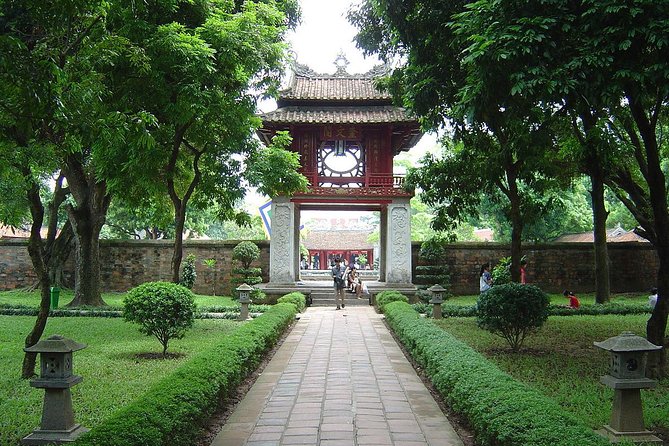
At $120 per person for about 8 hours, you’re paying for a bundle: a guide, private transport, entrance fees, and lunch. That matters in Hanoi because entrance tickets add up, and getting between sites efficiently can take the edge off your day.
You also get:
- Private transport with the guide (you don’t have to coordinate taxis between stops)
- Bottled mineral water each guest
- Bun cha barbecue pork lunch
- All entrance fees included
- Mobile ticket and pickup from your hotel
The main value here is friction reduction. When you’re spending a day on major landmarks, the best part is not wasting energy on logistics. It’s also private, so it stays calmer than big group buses.
Ho Chi Minh Mausoleum: symbolism and formal grounds
This is the opening anchor of the day, with about 1 hour 30 minutes on the Ho Chi Minh Mausoleum complex. You don’t just see one building—you visit the mausoleum area plus nearby points tied to Ho Chi Minh’s life and the presidential era around it, including the Presidential palace area and his house on stilts.
What I like about starting here is how it frames modern Vietnamese history early. Even if you’re not a politics person, you’ll feel the weight of the place. The guide’s explanations help you connect the visual details to the stories, so it’s not just sightseeing.
Practical note: plan for a formal environment. This is the kind of site where you’ll likely follow local rules and move at a steady pace.
One Pillar Pagoda: the quick stop that still teaches you something
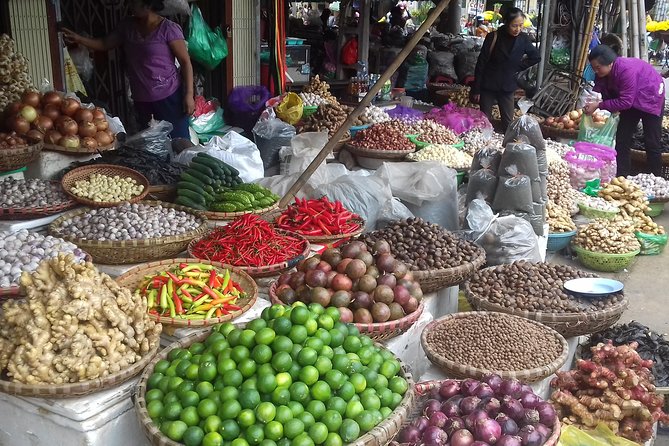
Next comes the One Pillar Pagoda, scheduled for about 20 minutes. It’s a classic Hanoi landmark and built in 1049, which gives it deep historical credibility. It’s also a symbol, so the visit is less about length and more about meaning.
In a day like this, short stops can feel rushed—unless the guide makes them count. With the time here, you should expect a focused look at the pagoda and a little context on why it’s famous, how it fits Hanoi’s religious landscape, and what to notice as you photograph it.
Tip: if you care about photos, this is the moment to be intentional. Know where you want your shot and keep moving when it’s time.
Quan Thanh Temple (Trấn Vũ): Taoist stories in a human scale
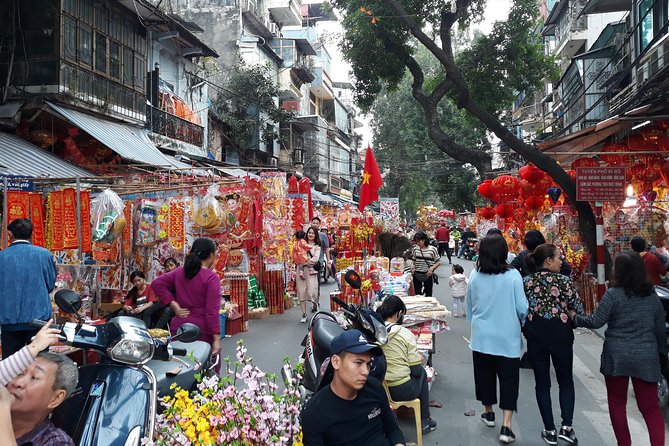
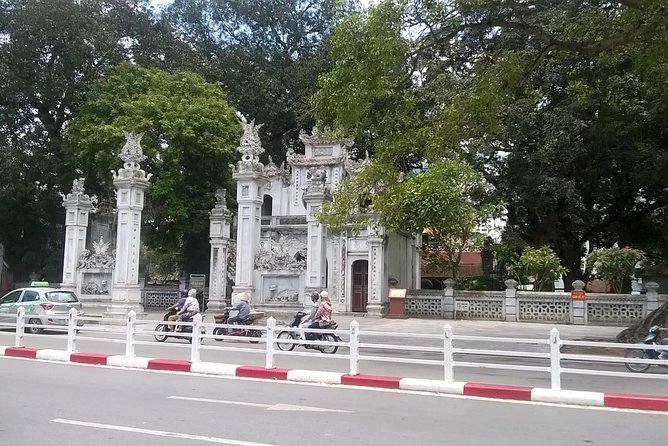
You’ll then visit Quan Thanh Temple, a Taoist temple dating back to the 11th century. It’s dedicated to Xuan Wu, also known as Trấn Vũ in Vietnamese, tied to one of Taoism’s principal deities.
This is a more intimate stop than the big political complex, and it’s a nice contrast. At about 30 minutes, you get enough time to slow down, look at details, and understand the religious theme of the day.
A good guide will help you read the symbolism without turning it into a lecture. The aim is to leave with a sense of how Taoist belief shows up in everyday Hanoi, not just what the buildings look like.






Chua Trần Quoc: why the oldest pagoda matters

After that, the itinerary includes Chua Trần Quoc, described as the oldest pagoda in Hanoi, built in the 6th century. You get about 45 minutes, which is a comfortable window for a site like this.
This is where the history starts to feel layered. You’re moving through centuries quickly, but the length here gives your brain a chance to catch up: look, absorb, ask questions, then move on.
If you’re the type who likes places with age, this stop delivers. If you’re more “show me the story,” it’s also strong, because an older foundation gives the guide more material to connect to later developments.
Vietnam Museum of Ethnology: culture learning that stays practical

One of the most valuable parts of this tour is the Vietnam Museum of Ethnology. You’ll spend about 1 hour here, and admission is included.
The museum’s focus is on Vietnam’s recognized ethnic groups, which is a different angle than you’ll get from most landmark-only tours. Instead of thinking only about major cities and political eras, you start seeing how many communities and traditions make up Vietnam’s real cultural fabric.
It’s also worth knowing the museum is large—listed at 43,799 square meters—and it’s located in Cầu Giấy District, about 8 km from the city center. That distance is a good reminder: this day isn’t just a walk-and-photo tour. It’s a proper cultural stop.
One note in the tour plan mentions an additional Women M… section. The exact exhibit name isn’t fully shown in the details I have, so if that part matters to you, it’s worth asking your guide what’s included and how much time it takes.
Old Quarter photo stop: short on time, strong on atmosphere
Finally, you land in the Old Quarter for about 30 minutes with no entrance fees (free time). This is the “Hanoi in motion” payoff—streets, everyday life, and photo opportunities.
Here’s the realistic expectation: 30 minutes is enough to capture a few great shots and get a feel for the area. It’s not enough for a full wander with snacks, shopping, and slow turns into side alleys.
So if you want the full Old Quarter experience, use this stop to scout where you want to return. Your guide can often point you toward streets that match what you like—quiet corners for photos, or busier scenes for street-life energy.
The guide and driver setup: why it feels smooth
The tour is built around a private setup: an English-speaking guide plus a driver. That sounds boring on paper, but it’s huge in practice. When you’re hopping between sites with different layouts, you avoid the annoying bits like coordinating where to park, crossing traffic at the wrong moments, or losing time to transit confusion.
In the experience notes associated with this tour, named guides such as Anh and Nam stand out for clear English and for answering questions about Vietnam’s history. Another detail that shows up in the guidance style is flexibility—adjusting what you do within the day so it feels manageable rather than like a checklist.
And yes, you may get recommended stops for a coffee moment. Egg coffee is a Hanoi favorite, and it appears in the day’s descriptions for one end-of-tour example. If that’s your thing, just ask your guide if there’s time after the last official stop.
What to do before the tour for best results
A little prep makes the day better.
- If you have specific interests (war history, religion, ethnic traditions), tell your guide at the start so the explanations can match your curiosity.
- If you’re sensitive to heat or sun, wear breathable clothes. Temple areas can mean more outdoor time than you expect.
- Bring a charged phone for photos and a small amount of cash for personal purchases, since drinks beyond what’s included aren’t part of the package.
Also, think about how you’ll handle footwear. You’ll be walking from site to site, and you’ll likely be on your feet for long enough that comfortable shoes matter.
Who should book this Hanoi history tour
This tour is a great match if you want:
- A single-day structure that covers major Hanoi history and culture
- The convenience of private transport and entrance fees handled
- A guide who can connect what you see to the stories behind it
It’s also a good option if you’re traveling with someone who wants a calm day with clear pacing instead of constant haggling and navigation.
You might want to skip or add extra time yourself if:
- You plan to spend most of your energy in the Old Quarter and want a long, wandering experience
- You dislike museum time and prefer only outdoor sights (the museum is a core stop)
Should you book this Hanoi city history tour?
I think it’s a strong booking for first-time Hanoi visitors who want an efficient, meaningful day. The value comes from the mix: Ho Chi Minh complex for modern history, One Pillar Pagoda and older temples for religious heritage, a museum for cultural context, then Old Quarter for atmosphere.
Book it if you like guided history that helps you understand what you’re looking at. Don’t book it if you’re hoping for hours of free time to roam the Old Quarter at your own pace, because the schedule is tighter and photo-focused.
If you do book, the smart move is to treat the Old Quarter stop as reconnaissance. Then come back after the tour when you’re not on a clock.
FAQ
How long is the Hanoi City History Tour?
It runs for about 8 hours (approx.), covering multiple major sites plus lunch and photo time.
Is hotel pickup included?
Yes. Pickup is offered, and you’ll be asked for your hotel name for pickup.
What lunch is included?
The tour includes bun cha barbecue pork lunch.
Are entrance fees included?
Yes. All entrance fees are included.
Is this a private tour?
Yes. It’s private, so only your group participates.
Is there a minimum number of people required?
Yes. The tour requires a minimum of 2 people per booking.
What about drinks during the tour?
A bottle of mineral water is included. Drinks are otherwise not included unless specified.
What is the cancellation/refund policy?
It’s non-refundable and cannot be changed for any reason. If you cancel or ask for an amendment, the amount you paid will not be refunded.