REVIEW · AARHUS
The Ancient Viking Stronghold of Aros: A Self-Guided Audio Tour in Aarhus
Book on Viator →Operated by VoiceMap Audio Tours · Bookable on Viator
Aarhus has layers, and this walk connects them. This self-guided Viking-themed audio tour uses VoiceMap to guide you past landmarks from DOKK1 to Den Gamle By, with extra context for Viking-age Aros and everyday city life. I especially like how you get clear, timed directions without joining a big group, and I like the way the route strings together major sights plus smaller neighborhood textures. The main downside: you’re relying on your phone and headphones, so tech hiccups or a failed download can ruin the flow.
You also get two things that make it feel like good value. First, it’s only about 1 to 1 hour 15 minutes, so it fits easily into a day with museums and cafés. Second, it includes lifetime access in English plus offline audio, maps, and geodata—so you can repeat it later or use it even with spotty coverage. If you can’t or don’t want to handle an app-based walk, that’s when frustration can creep in.
My one caution is practical: the tour is designed to be self-guided, and the start/end points matter. If you arrive without downloading or you enter the wrong code when connecting, the narration can stall or loop—meaning you’ll waste time hunting instead of walking.
In This Review
- Key things to know before you start
- How the VoiceMap audio tour fits into your Aarhus day
- Starting outside DOKK1: your waterfront orientation and Viking setup
- Fountain of Endless Connection: modern art that still tells a story
- Aarhus Cathedral and the long-basilica claim
- Church of our Lady built in 1080: why that date matters
- Latin Quarter strolling: boutiques, side streets, and the human scale
- Millers Street: the kind of street you actually want to walk
- Aros Aarhus Kunstmuseum: art next to the old streets
- Den Gamle By: spotting the past in everyday movement
- Ending at the botanical garden greenhouses: where the loop cools off
- Price and value: $11.99 for a short, repeatable walk
- Practical tips so the tour works smoothly
- Who this tour suits best (and who should skip it)
- Should you book the Ancient Viking Stronghold of Aros tour?
- FAQ
- How long is the Ancient Viking Stronghold of Aros audio tour?
- Is this tour guided by a live person?
- What do I need to bring with me?
- Can I download the tour for offline use?
- Where does the tour start and end?
- Is the tour available in English?
- Do I get entry into museums like the Viking Museum or Den Gamle By?
Key things to know before you start
- VoiceMap, not a live guide: you follow audio cues and directions on your phone
- Offline audio and maps included: download before you leave for smoother walking
- Museum visits aren’t guided inside: you can choose to enter places, but you pay separately
- Tight city-center route: it packs big names like Aarhus Cathedral and Den Gamle By into a short loop
- Clear, timed navigation when it works: the pacing is built for an easy stroll, not a race
How the VoiceMap audio tour fits into your Aarhus day
This is a self-guided walking tour, delivered through the VoiceMap app. You’ll lace up your shoes, press play, and follow the voice cues as you move from stop to stop. There’s no live group to manage, and it’s private for your group (so you won’t get shuffled with strangers).
The practical win is the format. Most city walks drag on because you’re always checking your phone or guessing where to go next. Here, the app gives you offline access to audio, maps, and geodata. That means you’re not constantly reloading pages or praying the signal holds.
Still, this tour lives and dies by your setup:
- You’ll need a smartphone and headphones (not included).
- You’ll want enough battery for an hour-plus walk, especially if GPS navigation is active.
- You’ll get the best experience if you download before you set off and don’t depend on weak public Wi‑Fi.
One more detail I appreciate: the tour is offered in English, and you get lifetime access. So if you return to Aarhus later, you can do it again instead of watching one-and-done content.
Starting outside DOKK1: your waterfront orientation and Viking setup
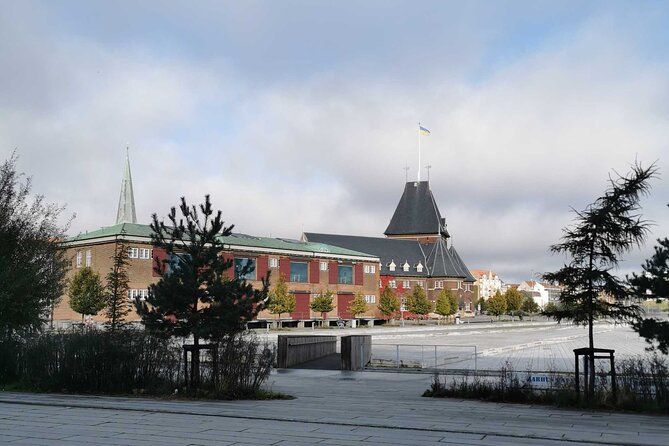
The tour begins outside DOKK1 (the public library) in Aarhus’ waterfront area, at Dokk1Hack Kampmanns Plads 2. DOKK1 is a great starting anchor because it’s visible, modern, and easy to reach. Even if you arrive in a hurry, you’re not hunting some obscure doorway.
Right away, the audio aims to do two things:
- Place you in the city’s historical neighborhoods, not just the shiny present.
- Give you context so the later landmarks mean something beyond their photos.
A fun part of this opening is how it frames your Viking theme. The tour’s title points to Aros, so the narration ties the city walk to earlier eras rather than treating Aarhus as purely modern. If you’re the type who likes to connect time periods—like how a street corner today echoes what people walked past centuries ago—this beginning sets you up well.
And there’s an option here: you’ll have a chance to visit the Viking Museum. One important caveat, though: the tour doesn’t guide you through museums. If you decide to go in, you’ll need to pay independently. If you don’t, you’ll still get the city context as you continue on.
Fountain of Endless Connection: modern art that still tells a story
Next comes the Fountain of Endless Connection, a noticeable water feature that’s hard to miss. It’s the kind of stop that can be purely visual on other tours. Here, the narration connects it to the wider theme—how Aarhus connects people through time, culture, and the city’s identity.
I like including one modern landmark in a “Viking” styled route. It prevents the walk from feeling like a museum corridor. Instead, you get a sense that Aarhus keeps evolving while still referencing its roots.
If you’re someone who likes to pause and take in details, give yourself ten seconds longer here. Look at how water interacts with the setting. It’s the kind of moment that’s brief but memorable—especially during a short tour.
Aarhus Cathedral and the long-basilica claim
Then you move on to one of the city’s heavy hitters: Aarhus Cathedral. The audio highlights it as Denmark’s longest basilica, and that specific detail is worth remembering because it’s not generic trivia. It gives you something concrete to picture while you’re standing there.
Cathedrals are often described in sweeping terms on walking tours. This approach is more practical. The narration helps you notice why this spot matters in the city’s layout—how religious architecture shapes a neighborhood and how it becomes a landmark people orient around.
If you’re short on time, don’t worry about needing an inside visit. Even from outside, cathedrals work well on audio tours because you can take in the scale, the street alignment, and the way the area functions.
Church of our Lady built in 1080: why that date matters
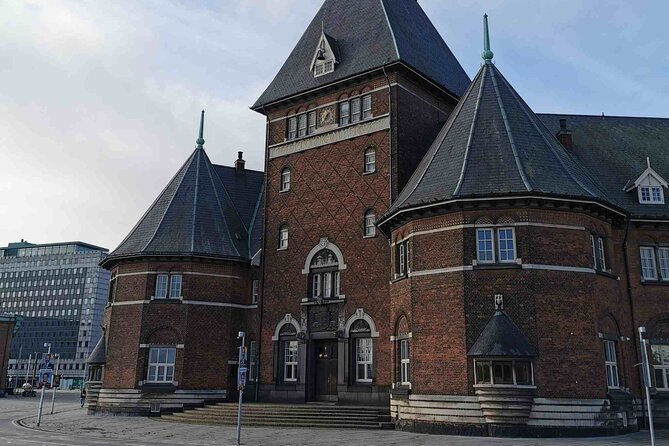
A little farther along, you’ll learn about the Church of our Lady, built in 1080. That year is a big anchor in the story of Aarhus. In a short tour, having an exact build date is powerful because it turns atmosphere into timeline.
This is also a good example of what makes the route feel smarter than a random list of stops. The walking sequence moves from monumental to intimate—cathedral scale, then a different kind of historic presence—so the city doesn’t feel like one repeatable viewpoint.
If you like historical breadcrumbs, this date will stick with you long after the walk ends. It’s the kind of fact you’ll casually drop at dinner later.
Latin Quarter strolling: boutiques, side streets, and the human scale

As you stroll through the Latin Quarter, you’re shifted from landmark-focused stops to street-level city life. The audio notes boutique stores and local hangouts, and that matters because it changes your pacing.
This section is where you can slow down. The narration helps you read the area as more than a backdrop. You’re walking through a part of town that feels lived-in, which is exactly what you want after looking at religious buildings and large historic sites.
A self-guided tour shines here. You don’t feel rushed to get “the right picture.” You can wander slightly within the route and still follow the audio cues.
Millers Street: the kind of street you actually want to walk
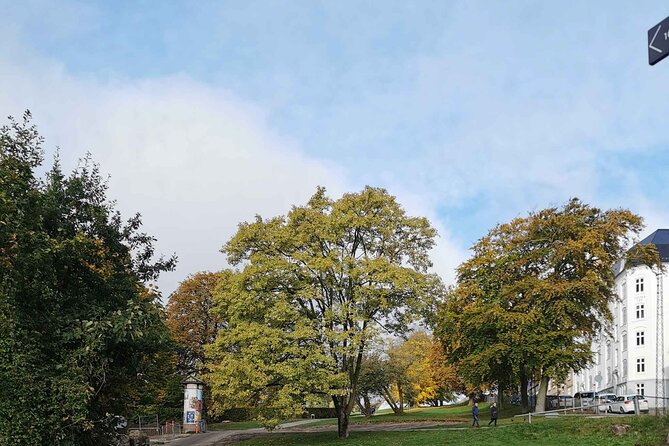
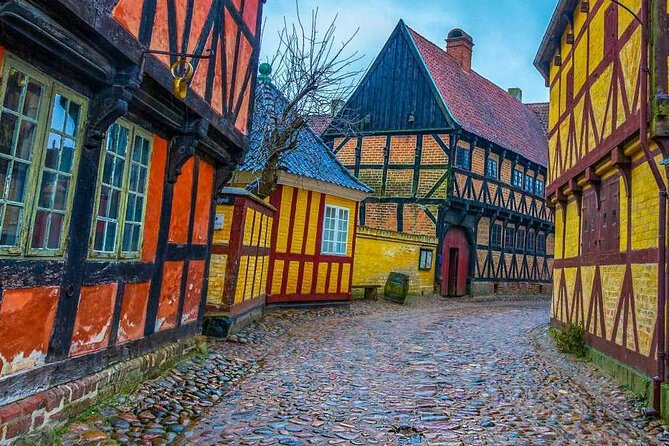
Then you come to Millers Street, described as one of the most beautiful streets in the city, lined with quaint, colorful houses. This is the moment when Aarhus turns from story mode into postcard mode.
Even if you don’t chase photos, Millers Street is ideal for a brief pause. Look at the variety of facades and the tightness of the street. The audio’s context helps, but the main point is simple: it’s a gorgeous place to stroll slowly.
In a one-hour tour, these are the stops you remember because they make the walking enjoyable, not just informative.
Aros Aarhus Kunstmuseum: art next to the old streets
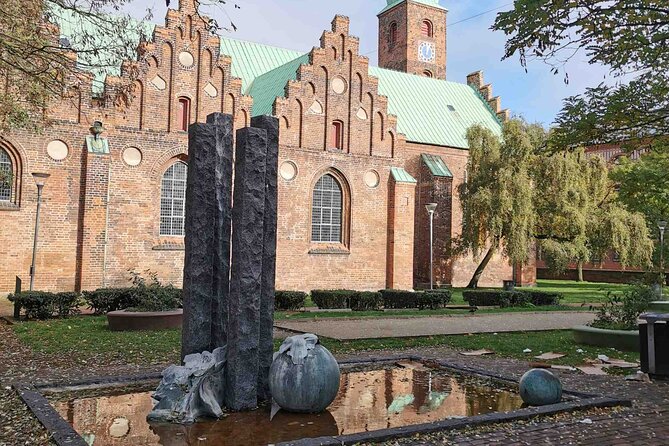
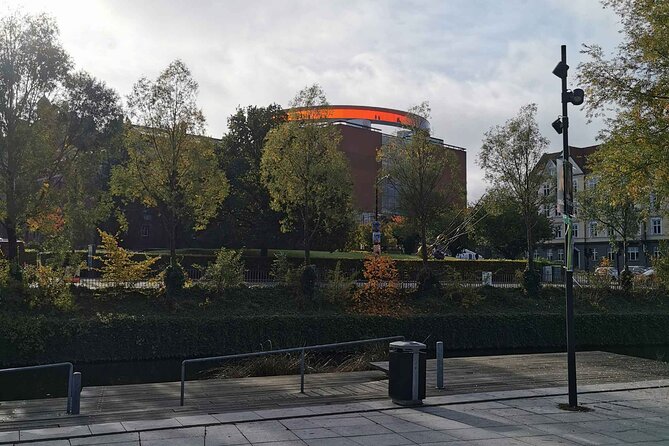
You’ll pass by Aros Aarhus Kunstmuseum and learn about it while you walk. This is a smart addition because it keeps your “Viking stronghold” theme from becoming a one-note trip.
Art museums can feel off-theme if the tour is strictly historical. But here, the museum stop works as a bridge: Aarhus isn’t trapped in the past. You see that the city invests in culture now, too.
Also, passing by rather than entering can be perfect for time. Since museum entry isn’t included as part of the guided experience, you can choose what fits your schedule.
Den Gamle By: spotting the past in everyday movement
As you continue, you’ll see part of Den Gamle By (the Old Town). The audio notes that people wear period costumes and still work historical jobs. That detail matters because it’s not just a static “look but don’t touch” kind of place.
This is where the tour’s pacing really makes sense. You’re not trying to cover everything in Den Gamle By. You’re getting a snapshot of the vibe, plus context that makes the old-town setting feel purposeful rather than staged.
One practical caution: the tour note says you won’t be guided through museums or other attractions along the route. Den Gamle By is one of those places where you might want to step in, wander, and pay for additional access if you want more than what you can see from the route. If your time is tight, you can still enjoy the area by staying with the audio path.
Ending at the botanical garden greenhouses: where the loop cools off
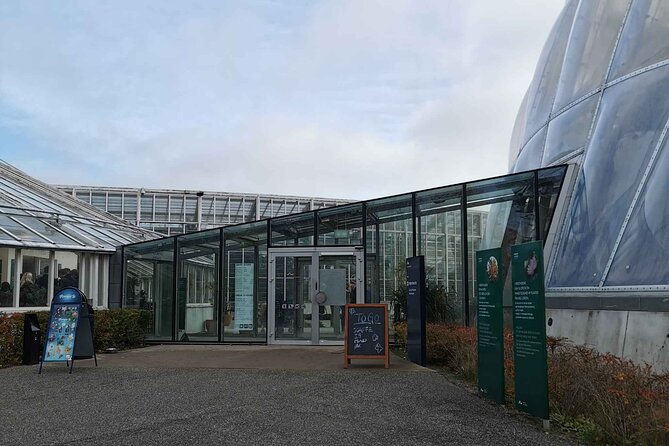
The tour ends outside the tea room in the lush botanical gardens next to Den Gamle By, at the greenhouses on Møllevejen, Peter Holms Vej 10A. This finish is a nice contrast. After old streets and historic sites, you get open space and greenery.
The end point is specific, which helps. You’re not meant to figure out where the audio disappears. You walk to the greenhouse area and wrap up.
If you like having a “reward stop,” this is a good one. Even if you don’t go inside the botanical areas, the setting feels like a decompression point.
Price and value: $11.99 for a short, repeatable walk
At $11.99 per person, this is priced for people who want a smart city overview without spending a fortune on guided tours. The duration—about 1 to 1 hour 15 minutes—also helps the value math. You get a structured route that covers major sights and several neighborhood textures without taking over your whole day.
The real value kicker is the bundle of features:
- Lifetime access to the English audio
- VoiceMap app for Android and iOS
- Offline audio, maps, and geodata
That means you’re not just buying a one-time wander. You’re effectively buying a repeatable “city primer” for Aarhus. If you’ll return later, this matters.
The only time the value drops is if your tech setup fails and you spend more time fixing your phone than walking. That’s not the tour’s fault, but it’s the reality with any audio-app product.
Practical tips so the tour works smoothly
I’d treat this like any app-based walking experience: prep first, relax after.
- Download before you leave. If your connection is slow or unstable, downloading can fail mid-way.
- Use the correct VoiceMap code from your booking email. The tour provider notes it’s an 8-character alpha-numeric code in that email.
- If it pauses and restarts weirdly, keep calm and reconnect. One reported problem was the audio snapping back to the beginning when paused. If that happens, your goal is to get the tour properly connected before you start walking again.
- Don’t arrive too late to hunt for the start. Some people struggled to find the meeting point because local directions weren’t consistent. Since the start is outside DOKK1, use that as your primary landmark and verify the map pin.
You’ll also want the basics you’d pack for any city walk: comfortable shoes, a charged phone, and—because it’s self-guided—patience with your own pace.
Who this tour suits best (and who should skip it)
This tour works best for:
- People who like independent walking and hate joining group tours
- Anyone who wants a quick city overview in about an hour
- Travelers who enjoy connecting specific landmarks to a timeline, rather than just collecting stamps
- People comfortable using a phone app for navigation
It may not be ideal if:
- You dislike technology steps (downloading, pairing, connecting codes)
- You’re traveling with no headphones and no way to get them last-minute
- You need a tour that physically guides you inside every attraction (this one doesn’t guide you through museums)
Should you book the Ancient Viking Stronghold of Aros tour?
I’d book it if you’re excited by the idea of a short, structured Aarhus walk that mixes Viking-themed context with real city streets. The price is low enough that it won’t feel like a gamble, and the offline setup makes it practical for a day when your data connection is unpredictable.
Skip it or be cautious if you know your phone often struggles with downloads or GPS. In that case, take the prep seriously: download early, charge up, and double-check your start at DOKK1.
When everything clicks, this is the kind of tour that makes Aarhus feel like one connected story—from modern waterfront architecture to churches with build dates you can actually picture, ending at the botanical greenhouses.
FAQ
How long is the Ancient Viking Stronghold of Aros audio tour?
The tour is designed to take about 1 hour to 1 hour 15 minutes.
Is this tour guided by a live person?
No. It’s a self-guided walking tour using the VoiceMap app. You follow audio and directions on your phone.
What do I need to bring with me?
You’ll need a smartphone and headphones. These aren’t included.
Can I download the tour for offline use?
Yes. The tour includes offline access to audio, maps, and geodata.
Where does the tour start and end?
It starts outside DOKK1 (Dokk1Hack Kampmanns Plads 2, 8000 Aarhus Centrum) and ends outside the greenhouses in the Botanical Garden (Møllevejen, Peter Holms Vej 10A, 8000 Aarhus).
Is the tour available in English?
Yes, the tour is offered in English.
Do I get entry into museums like the Viking Museum or Den Gamle By?
The tour notes that you won’t be guided through museums or other attractions mentioned on the route. If you choose to enter, you’ll need to pay independently.