REVIEW · TBILISI
Mtskheta: Ancient Capital of Georgia Half-Day Tour
Book on GetYourGuide →Operated by Friendly.ge: Transfers & Tours · Bookable on GetYourGuide
Georgia starts in Mtskheta. In just 4 hours, you’ll see the three biggest spiritual stops that define Georgia’s early story, plus a panoramic viewpoint that frames Tbilisi in a single sweep. I especially love how the tour links Svetitskhoveli Cathedral and Jvari’s hilltop outlook into one smooth arc of places and meaning.
I also like that the guides bring the sites to life with real context (and sometimes adjust the plan—people have mentioned add-ons like Shio-Mgvime when there’s time). The only real drawback: this is a pedestrian-only church-and-monument day, so expect stairs, hill walks, and stricter dress rules.
In This Review
- Quick hits
- Why Mtskheta Works So Well as a Half-Day Trip
- Chronicle of Georgia: The Best First Photo Stop Near Tbilisi
- UNESCO Svetitskhoveli Cathedral: Where Georgia’s Faith Shows Up in Stone
- Mtskheta Town Break: Cobblestones, Sweets, and Practical Souvenir Time
- Jvari Monastery: Hill Views, Two Rivers, and a Photo-Friendly Ending
- The Drive Through Limestone Canyon Scenery (Yes, the Transit Is Part of the Trip)
- Pace, Timing, and What You’ll Actually Fit into 4 Hours
- What $48 Covers: Value Depends on How You Like to Travel
- Church Etiquette and What to Bring (So You’re Not Rushed)
- Who Should Book This Mtskheta Tour
- Should You Book This Mtskheta Half-Day Tour?
- FAQ
- How long is the Mtskheta tour?
- What places do you visit?
- Is lunch included?
- What languages are the guides?
- Do I need tickets for the attractions?
- What time does the tour start?
- What should I wear for the churches?
- Is it wheelchair accessible?
- When is best to start in summer?
Quick hits
- Chronicle of Georgia panorama: a photo stop plus guided time with city-and-countryside views.
- UNESCO Svetitskhoveli: a focused, guided visit where you’ll have time to actually look around.
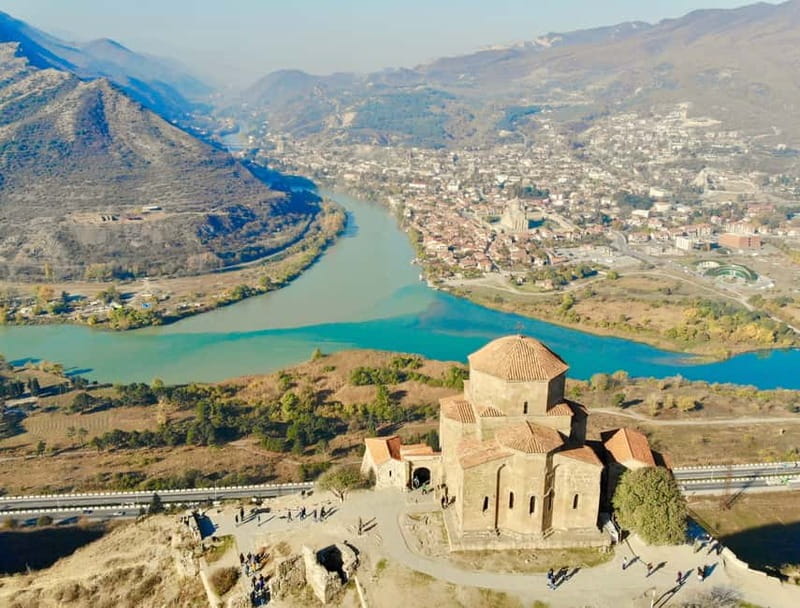
- Jvari monastery for river views: confluence of the Aragvi and Mtkvari rivers, plus a chance at Mount Kazbeg on clear days.
- Short town break that feels local: cobblestone streets, small shopping, sweets, coffee, and souvenir hunting.
- A drive that matters: the route includes scenic stretches through limestone canyon scenery, not just boring transit.
- Guides who keep the pace human: people highlight guides like Khato/Khatuna, Guram, Aleksi/Alex, Oksana, and Alexi for pacing and answering questions.
Why Mtskheta Works So Well as a Half-Day Trip
Mtskheta is where Georgia’s story gets its first big landmarks—religious, political, and cultural—without forcing you into a full day away from Tbilisi. The smart part is the pacing: you’re not cramming every possible site. You’re hitting the essentials and getting enough time at each place to notice details instead of rushing through doors.
What makes this tour especially good for many first-time visitors is the way it builds “meaning” in your head. The Chronicle of Georgia viewpoint is your orientation. Svetitskhoveli is your anchor to Georgia’s Orthodox heritage. Jvari is where you see why the landscape and faith are tied together in Georgia—rivers, hills, and the long lines of stone and sky.
For many people, the real win is staying calm with limited time. You get hotel pickup (for the private option), a car ride with enough viewpoints to enjoy the scenery, and built-in entry planning so you spend less time figuring things out on your own.
One consideration: Mtskheta isn’t a minimalist “ruins only” stop. You’ll be walking through active religious spaces and a town that has been renewed in parts. If you’re expecting an abandoned archaeological site vibe, you may find it more lived-in than that.
You can also read our reviews of more tours and experiences in Tbilisi.
Chronicle of Georgia: The Best First Photo Stop Near Tbilisi
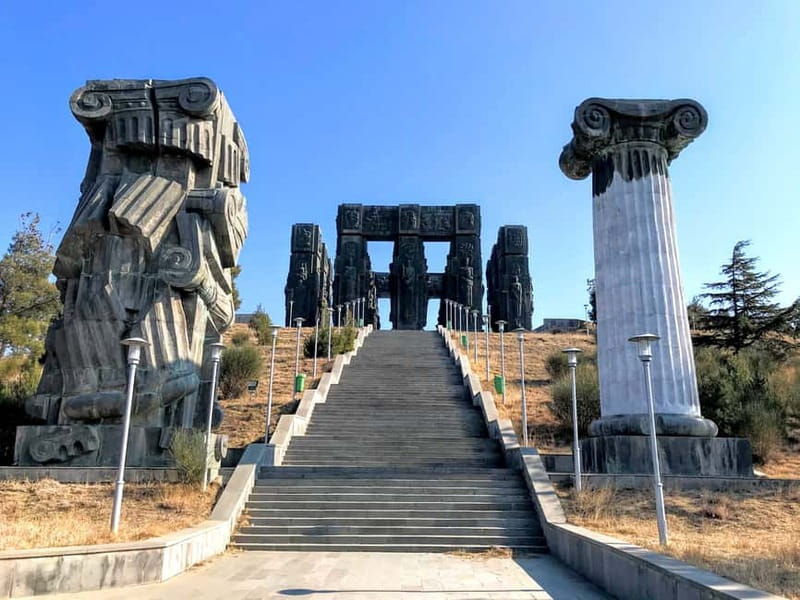
You start at the Chronicle of Georgia monument, and that’s a great choice because it gives you a big-picture view before you go “down into the details.” Expect a brief photo stop, then time to visit and get oriented with a guided walkthrough. The monument is designed as a memorial to Georgian history, and it’s also one of those places where your brain suddenly understands the geography you’ll be driving through.
The standout here is the panorama—especially the way the viewpoint frames Tbilisi from a distance. You’ll also be set up for photography, which matters because later stops are hill-and-river views. If your phone photos always look flat in cities, this is the kind of stop that gives depth: foreground stone, midground river and buildings (depending on the angle), and a wide sky.
A small practical note: this is a guided stop, but it’s still a monument experience—so comfortable shoes matter. You’re walking around outdoors and around the monument grounds, and you’ll want to move easily.
UNESCO Svetitskhoveli Cathedral: Where Georgia’s Faith Shows Up in Stone
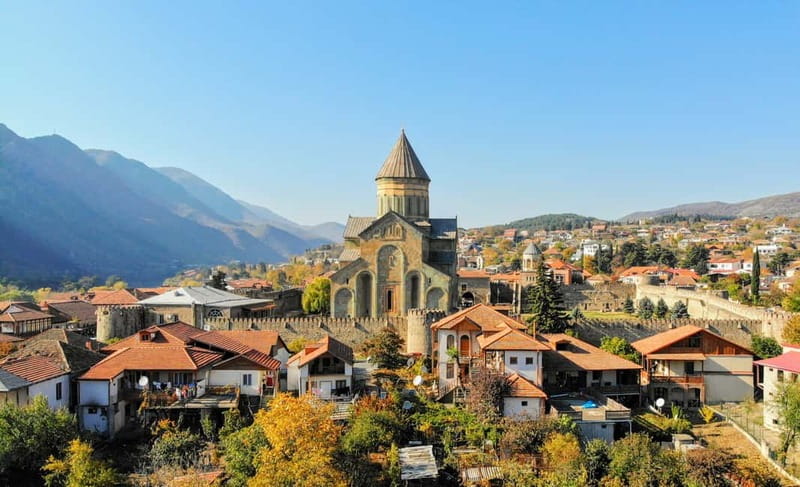
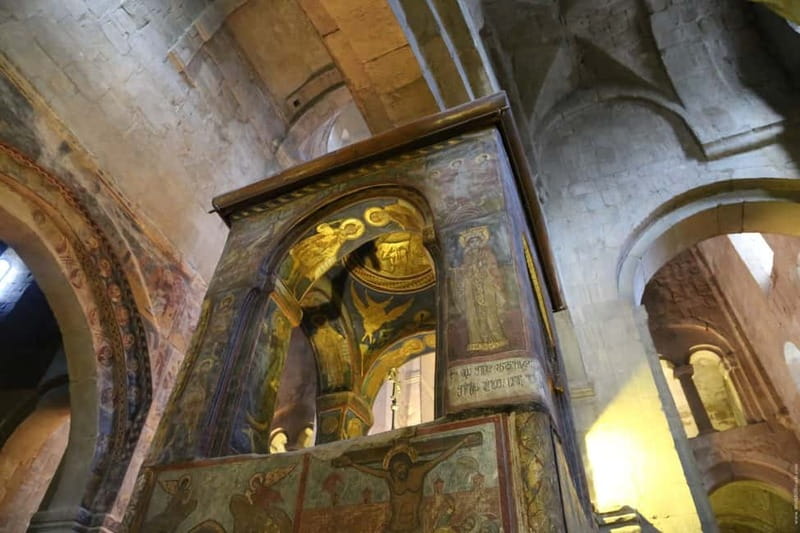
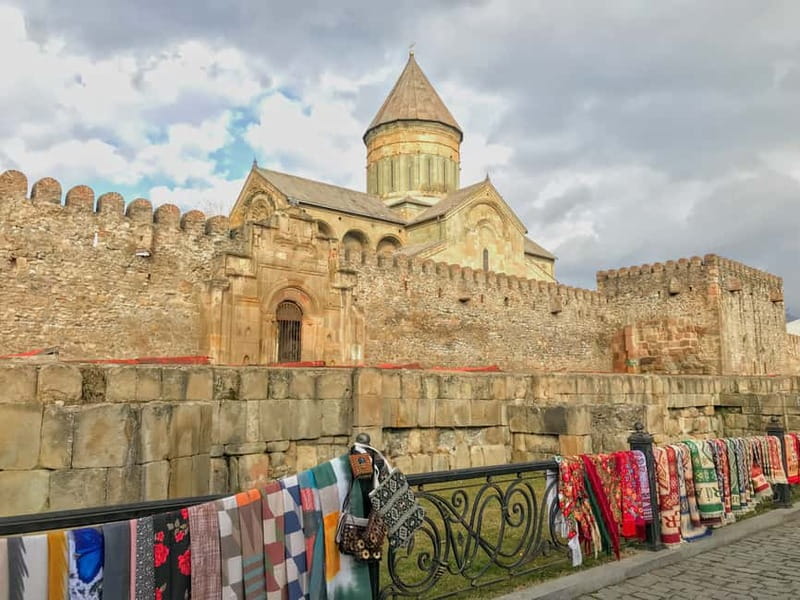
Next comes Svetitskhoveli Cathedral, and this is the “why people care” stop. You’ll have about an hour here, with a guided visit plus time to walk and look at what makes the cathedral important. It’s UNESCO-listed and holds a special place in Georgian religious life, so you’re not just seeing pretty architecture—you’re stepping into a cultural center.
What I like about how this stop is handled is the balance of time and explanation. An hour is long enough that you can slow down, notice how the building works visually, and ask questions instead of feeling rushed. And because churches in Georgia are active religious spaces, the guide’s context helps you read what you’re seeing without turning the visit into a history lecture.
There are a couple of real-life considerations, though. Orthodox churches can be strict about dress: men can’t wear shorts or sleeveless shirts, and women generally need a headscarf (often provided at the entrance) and should avoid shorts or sleeveless tops. Also, during religious holidays or services, entry to some churches can be restricted.
So if you’re visiting in summer or traveling light, plan ahead. I’d rather you show up properly dressed and relaxed than stuck trying to improvise a head covering at the gate.
Mtskheta Town Break: Cobblestones, Sweets, and Practical Souvenir Time
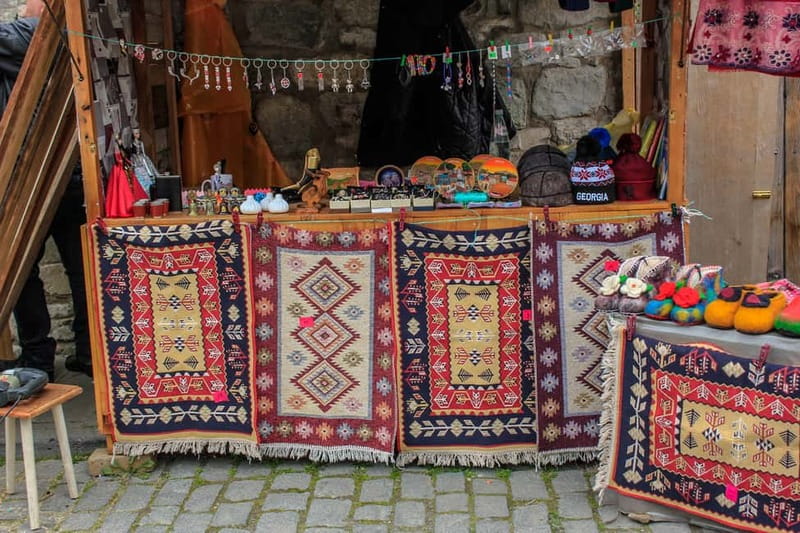
After the big sacred stops, you get a short break in Mtskheta town—time to reset and do something fun that still feels connected to the day. You’ll have a walking-and-shopping window (about 30 minutes), plus a break to take in the streets.
This is where Mtskheta turns from “monument day” into “real place.” You’ll find cobblestone streets and local bazaars where browsing is part of the experience. People often grab traditional souvenirs, and it’s also a good moment to try Georgian sweets and coffee.
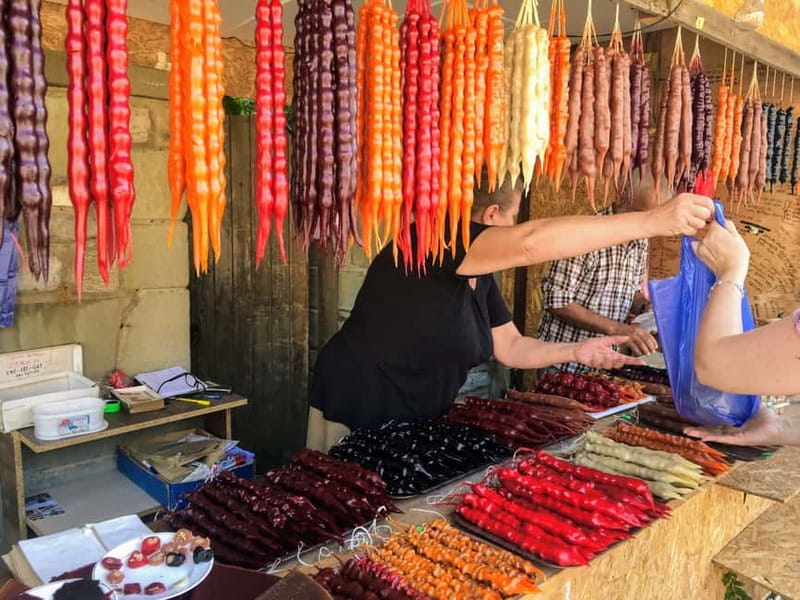
One detail I appreciate from people’s experiences: guides often know where to find the kind of treats you’ll actually remember. For example, some guides have been known to point out options like wine ice cream, and they may steer you toward tastings such as churchkhela and local wine. You won’t have to hunt alone.
Keep expectations realistic: it’s not a full market tour. It’s a timed town break that gives you that “I was there” feeling. If you love food, sweets, and small crafts, you’ll probably feel like the short stop is just right. If you want hours of shopping, you’ll want to schedule that on a different day.
Jvari Monastery: Hill Views, Two Rivers, and a Photo-Friendly Ending
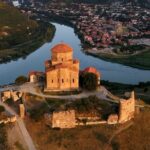
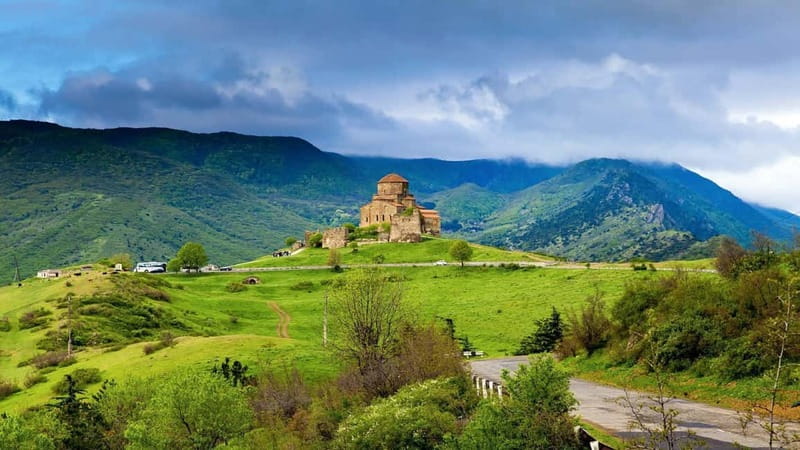
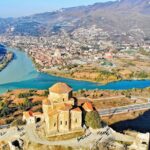
Jvari Monastery is where the scenery really takes over. You’ll get a photo stop, guided visit, and time for sightseeing—about 45 minutes total—plus scenic views on the way. Jvari sits on a hill above the confluence of the Aragvi and Mtkvari rivers, so you’re looking out across a landscape that feels built for legends.
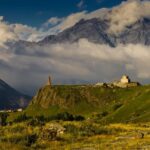
This stop is also a strong photography moment. People mention that the end-of-day views can be especially great, and some guides are good at steering you toward viewpoints that aren’t packed. On a clear day, you may even see Mount Kazbeg in the distance, which adds drama to an already cinematic setting.
Because Jvari is on a hill, you’ll want those comfortable shoes again. This is not a flat stroll. Even if the time is limited, the terrain matters because you’ll be walking in and around a monastery area with elevation.
If you’re visiting in summer, this is the time when you may feel the heat most—though you can avoid the worst of it by starting your tour in the morning or later afternoon. Midday temperatures in Mtskheta can climb to around 35°C / 95°F, so start wisely.

The Drive Through Limestone Canyon Scenery (Yes, the Transit Is Part of the Trip)
One underappreciated part of this tour is that the drive doesn’t feel like a dead zone. The highlights specifically mention travel through a limestone canyon, and that matters because it changes the “rhythm” of the day. Instead of spending your whole half-day looking at street corners and traffic lights, you get scenery that helps explain why people historically settled and built here.
It also makes the day feel less rushed emotionally. You arrive at each stop with that sense of progress—like you’re moving through a story, not just shuttling between pins on a map.
If you’ve ever done a half-day tour where the driving is the quietest part, this is the opposite. The scenery gives you something to notice even between major stops, and that’s a big part of why the experience feels smoother than you’d expect for a four-hour schedule.
Pace, Timing, and What You’ll Actually Fit into 4 Hours
This is a short day on purpose, and that’s why it works. You’re doing several distinct “modes” of travel: viewpoint monument time, cathedral time, a town walk, then hill-and-river monastery views. Each stop has enough duration to feel real, not token.
- Chronicle of Georgia: about 40 minutes for photo, visit, and guided walkthrough.
- Svetitskhoveli Cathedral: about 1 hour for guided visit and walking time.
- Mtskheta town: around 30 minutes for break, shopping, and a stroll.
- Jvari Monastery: about 45 minutes for photo stop, guided visit, and scenic views on the way.
The practical value for you is planning confidence. In one morning or early afternoon block, you cover the iconic highlights that most people want on their first Georgia trip. And because it’s a private group format, you can generally count on a pace that matches your group’s energy level.
People have also mentioned guides being patient with families and slowing down when needed (including when traveling with a baby). That’s the kind of detail that matters on a short day: if someone adjusts the pace, you actually enjoy the sites instead of fighting tired legs.
What $48 Covers: Value Depends on How You Like to Travel

At $48 per person for about 4 hours, the price is easiest to judge by what you get included. This tour includes entrance fees and water, and if you choose the private option you get hotel pickup and drop-off. It also includes skipping the ticket line, which is a real time-saver when you’re moving between multiple sites.
What’s not included is lunch. That’s normal for a half-day trip, but it affects how you plan your day around it. If you’re sensitive to hunger, either eat a solid breakfast before you start or plan to grab something right after the tour ends.
So is it good value? For me, it’s value if you want:
- guided storytelling that connects monuments to Georgia’s identity,
- a tight schedule that hits major sights,
- and less logistical thinking (where to go, how to time entries, and how to move between locations).
If you prefer full freedom, you might feel limited by time windows. But if you’re the type who wants the “best hits” with context, this is priced like a practical way to do it.
Church Etiquette and What to Bring (So You’re Not Rushed)
This tour centers on Orthodox churches and religious sites, so your gear and clothing matter. Here’s the practical checklist I’d follow:
Bring
- Comfortable shoes (you’ll be walking on uneven ground and hills)
- Sunglasses and a sun hat
- Weather-appropriate clothing for hot afternoons or cooler mornings
Dress code expectations at Orthodox churches
- Men: no shorts or sleeveless shirts
- Women: headscarf is required (often provided at the entrance) and no shorts or sleeveless tops
Important access notes
- Access is pedestrian-only for churches, temples, and monuments, so plan for short walks even when the site looks close on the map.
- During religious holidays or services, entry to some churches may be restricted.
If you ignore the dress code, you can lose time at the entrance or miss parts of the experience. If you follow it, you’ll feel relaxed and ready to enjoy the art, architecture, and views without friction.
One more mobility consideration: the information provided notes wheelchair accessibility, but it also says it’s not suitable for wheelchair users. If you or someone in your group uses a wheelchair, I’d treat that as a flag to confirm details directly with the operator before booking.
Who Should Book This Mtskheta Tour
I think this tour is a great fit if you:
- want a first taste of Georgia’s sacred landmarks without losing half a day to planning,
- like guided context (so you understand why these places mattered, not just where they are),
- care about photos with meaningful scenery—rivers, hills, and panoramic viewpoints,
- travel with limited time in Tbilisi and want an efficient cultural day trip.
It’s also a strong option if you’re traveling with kids, because guides are reported to accommodate and adjust pace. And if you’re food-curious, the town break gives you a chance to try sweets, coffee, and local treats without making you plan a separate outing.
If you’re the type who wants long stays, slow wandering, and multiple extra monasteries, you might feel the time is tight. In that case, consider building extra time in Mtskheta after this tour. People have mentioned guides sometimes adding stops like Shio-Mgvime when possible, but you shouldn’t count on it as guaranteed.
Should You Book This Mtskheta Half-Day Tour?
Book it if you want the fastest way to understand why Mtskheta is so central to Georgian identity—Chronicle viewpoints, UNESCO Svetitskhoveli, and Jvari’s river confluence—all in one smooth 4-hour block. The price works best when you value guided context, included entrance fees, and less hassle between stops.
Skip it (or plan differently) if you’re seeking a quiet ruin-hunt day or if you know you won’t be able to handle hill walks, dress rules, and church access limits. Also, if accessibility is your key concern, confirm mobility fit carefully before you commit.
If you’re visiting Tbilisi for the first time, this is one of the clearest “yes” choices: it gives you icons, views, and local street life, without eating your whole day.
FAQ
How long is the Mtskheta tour?
It lasts about 4 hours.
What places do you visit?
You’ll visit the Chronicle of Georgia monument, Svetitskhoveli Cathedral, Mtskheta town for a break and shopping, and Jvari Monastery.
Is lunch included?
No. Lunch is not included.
What languages are the guides?
The live tour guide is available in English and Russian.
Do I need tickets for the attractions?
Entrance fees are included, and the tour includes skipping the ticket line.
What time does the tour start?
The tour start time depends on the selected option, with pickup scheduled from your accommodation in Tbilisi for the private option.
What should I wear for the churches?
You should follow Orthodox church dress rules: men should not wear shorts or sleeveless shirts, and women need a headscarf (often provided at the entrance) and should avoid shorts or sleeveless tops.
Is it wheelchair accessible?
The information provided includes wheelchair accessibility, but it also states it is not suitable for wheelchair users. If this applies to you, it’s best to confirm fit before booking.
When is best to start in summer?
In summer, midday temperatures in Mtskheta can reach up to 35°C (95°F), so starting in the morning or late afternoon is recommended for a more comfortable visit.