REVIEW · CAPE TOWN
Heritage City Highlights: A Half-Day Cultural Journey
Book on Viator →Operated by KJA Tours (Pty)Ltd · Bookable on Viator
Cape Town can feel like a timeline in motion. This half-day private tour strings together major landmarks tied to colonial life, apartheid-era change, Cape Malay culture in Bo-Kaap, and a proper sunset viewpoint at Signal Hill.
Two things I really like: you get included entry to the Castle of Good Hope and Iziko Slave Lodge, plus expert guidance that puts names and buildings into context. I also like the pacing—short, focused stops (often about 30 minutes) paired with an hour each at places where you’ll want time to look, take photos, and choose your own lunch.
One consideration: it’s a busy 5.5 hours. If you hate walking on uneven streets or you want lots of free wandering time, plan for a tighter schedule, and remember food and drinks are not included.
In This Review
- Key Highlights You’ll Feel on the Day
- Entering Cape Town’s Past and Present in Five-and-a-Half Hours
- Pickup, Private Comfort, and the Pace You Should Expect
- Castle of Good Hope: Colonial Fort Life, Military Ceremonies, and Dungeons
- Cape Town City Hall: Mandela’s 1990 Moment and the Power of a Crowd
- Iziko Slave Lodge: A Direct Look at Forced Labor Under the VOC
- Bo-Kaap Walking Tour: Cape Malay Color, Cobbles, and District Six Context
- V&A Waterfront: Lunch on Your Own, Plus Optional Family Fun
- Afrogem at Gardens: The Diamond-Cutting Experience and What It Teaches
- Signal Hill Sunset: The Cape Town View That Ties Everything Together
- Price and Value: Why This Route Feels Fair at $76.90
- Who Should Book This Tour (and Who Might Want a Different Option)
- Should You Book Heritage City Highlights?
- FAQ
- What’s the duration of this Cape Town tour?
- Is pickup from my hotel included?
- How much does the tour cost per person?
- Is this a private tour or shared with other groups?
- What admission tickets are included in the price?
- Is lunch included?
- Are attractions like the Two Oceans Aquarium included?
- Is there WiFi and bottled water during the tour?
- Do I need to bring cash for stops?
- What’s the cancellation window?
Key Highlights You’ll Feel on the Day
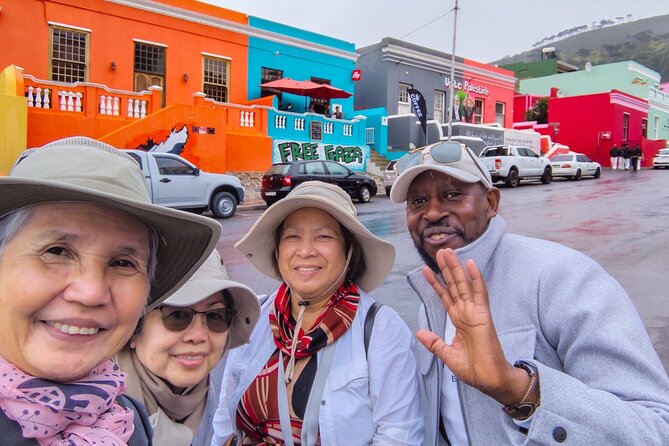
- Private group with hotel pickup keeps things smooth and flexible in central Cape Town
- Castle of Good Hope includes a mix of military history features and on-site experiences
- Bo-Kaap + District Six context connects the Cape Malay story with the apartheid-era landscape
- Afrogem diamond cutting show is hands-on, and you get sparkling wine with it
- V&A Waterfront lunch break lets you eat where you want, then choose optional attractions
Entering Cape Town’s Past and Present in Five-and-a-Half Hours
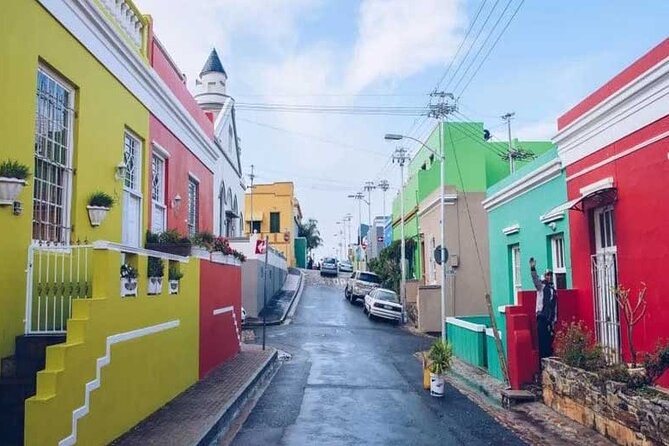
This tour is built for people who want a lot of Cape Town meaning, not just photos. You move from the colonial era—fort, city buildings, and slavery history—into the Cape Malay neighborhood culture of Bo-Kaap, then end with a view that shows how Cape Town sits between mountains, ocean, and whole layers of history.
The best part is the range of experiences packed into a short window. One moment you’re looking at how power was enforced; the next you’re learning why certain homes in Bo-Kaap are bright, and how freedom showed up in paint and everyday life. Then you switch gears at Afrogem, where diamond cutting turns a global industry into something you can actually see.
You can also read our reviews of more tours and experiences in Cape Town.

Pickup, Private Comfort, and the Pace You Should Expect

You’ll start with pickup from your hotel, and the tour runs in a private setting—just your group. That matters in Cape Town because driving times and street conditions can vary. Having a professional guide and an air-conditioned vehicle means you spend more energy looking at places and less energy figuring out how to get there.
The schedule is designed around short timed visits:
- Several landmarks are about 30 minutes each
- You also get full 1-hour blocks for Bo-Kaap, V&A Waterfront, and Afrogem
- The day closes with a sunset stop at Signal Hill
If you’re the type who likes to sit and linger, you might find some of the stops a bit brief. But if you’re happy with guidance that gets you to the point quickly, this rhythm works well. Also, you’ll likely want comfortable shoes—Bo-Kaap is known for steep, cobbled streets.
Castle of Good Hope: Colonial Fort Life, Military Ceremonies, and Dungeons
You start at the Castle of Good Hope, built between 1666 and 1679 and described as the oldest existing colonial building in South Africa. In plain terms, it’s where the European military footprint in the region took physical form.
What makes this stop more than a quick exterior photo session is that you’re not just watching history—you’re stepping into the story. Expect to see parts of the site connected to:
- dungeons
- a blacksmith area
- cannon-related experiences (including cannon-fire)
- a dolphin pool
- horse and carriage rides
- on-site military ceremony and exhibition style elements
Value-wise, this is one of the easiest places to feel like you got your money’s worth because the admission is included. You also get the atmosphere right away. The castle has a “lived-in” feel that helps you understand why forts were built where they were—close enough to control movement and far enough to defend.
Practical tip: if you plan to take photos, give yourself a few minutes to check angles before you head deeper into the grounds. Forts tend to have lots of interesting lines, but they also have shadows that move fast once the sun shifts.
Cape Town City Hall: Mandela’s 1990 Moment and the Power of a Crowd
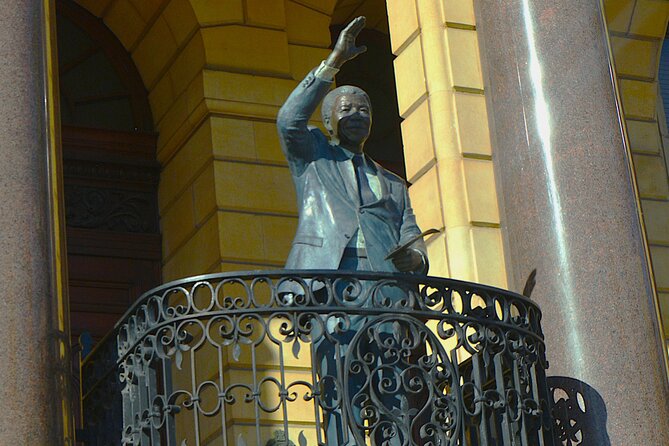
Next you’ll visit Cape Town City Hall. One of the main moments tied to this building happened in 1990, when Nelson Mandela released his speech after 27 years in prison. The story attached to the site is big: about 250,000 people gathered to welcome him.
That’s the real takeaway here. You’re not just looking at another government building. You’re at a place that’s tied to a clear before-and-after point in South Africa’s modern political story.
This stop is shorter—around 30 minutes—so treat it like a context stop. Let the guide connect what you’re seeing in the city to what you’ll learn later about apartheid-era divisions and how everyday life changed.
Iziko Slave Lodge: A Direct Look at Forced Labor Under the VOC
After the city hall context, the tone turns heavier at Iziko Slave Lodge, one of the oldest existing colonial buildings in South Africa. This is where the Dutch East India Company (VOC) held enslaved people. The site’s description also highlights a painful detail: some enslaved people were not sold because they were already old and couldn’t do work.
You’ll get a brief but focused history of how slavery began in the region, how enslaved people lived, and when slavery was abolished. This isn’t the kind of stop that stays abstract. Even in a short time window, the building and the explanations push the topic from distant textbook facts into something you can picture.
This admission is included, which helps you avoid the “pay extra for the important part” feeling. If you’re sensitive to difficult history, go in knowing you’re signing up for reality, not comfort.
Practical tip: take a moment before you enter to steady your pace. It’s fine to go slower than the group plan here—these sites reward attention, not rushing.
Bo-Kaap Walking Tour: Cape Malay Color, Cobbles, and District Six Context
Bo-Kaap is the part of Cape Town that most people recognize for its bright houses, but the culture story is much bigger than the color. In this stop, you’ll learn about the Cape Malay quarters, often referred to as Bo-Kaap, and how the neighborhood ties into the wider apartheid-era picture—especially the effects of forced displacement and oppression.
You’ll see the Cape Malay heritage made visible through the homes themselves. The explanation you’ll hear centers on how rental houses were built and leased to enslaved people, and later, how when enslaved people were allowed to buy homes, they painted them with bright colors as an expression of freedom.
And yes, you’ll get a chance to take photos of the colorful streets. Bo-Kaap is famous for steep, cobbled lanes, so plan to move carefully. The guide may also build in small moments for Instagram-style pictures, but the bigger win is how you understand why the colors matter.
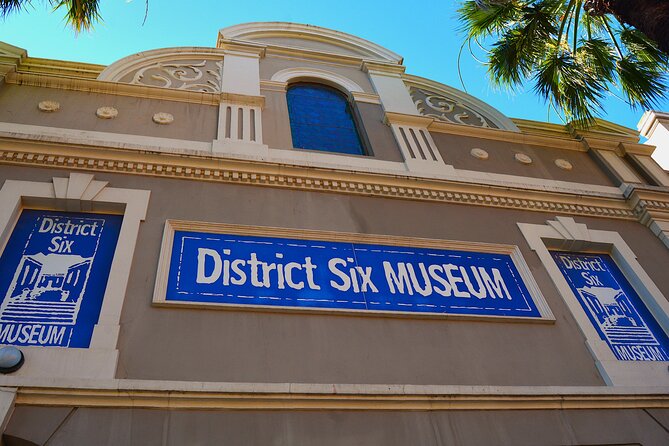
One more thing I appreciate in this route: you don’t treat apartheid as a separate topic. You get that connection mentioned around the route, including the District Six story from the apartheid years. Even if you don’t spend a long time in one single site for that, you’ll leave with a clearer sense of how communities were shaped, broken apart, and reshaped.
V&A Waterfront: Lunch on Your Own, Plus Optional Family Fun
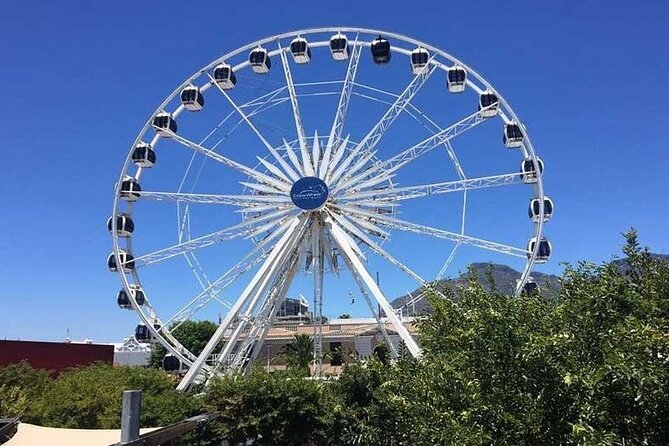
After the history and cultural neighborhood stop, the tour shifts into a more relaxed mode at the V&A Waterfront. You’ll receive a guided walk, then you get time for lunch at any restaurant of your choice.
This is a good setup. Food is often where group tours run into problems—fixed menus, long waits, or places you don’t really want. Here, you can pick what fits you: quick and casual, something sit-down, or something that works for kids if you’re traveling as a family.
You’ll also find shopping and entertainment around the waterfront. One listed option is the Two Oceans Aquarium, and you should plan on any aquarium time as an extra cost on your account.
Practical tip: if you want aquarium time, decide early. The aquarium can eat up the rest of your break fast, and the tour timing is built around a specific flow toward Afrogem and sunset.
Afrogem at Gardens: The Diamond-Cutting Experience and What It Teaches
The day’s “hands-on industry” stop is Afrogem at 181 Buitengracht St, Gardens. This is described as the sparkling diamond experience tour, and you’ll witness the firsthand art of diamond cutting.
What I like about including this stop is that it turns a headline industry into a visible process. You’ll learn about craftsmanship in jewelry manufacturing while watching how diamond cutting works. It’s one hour, and it stays focused on what you can see and understand.
You’ll also receive a complimentary glass of sparkling wine as part of the experience. If you don’t drink alcohol, you might still want to check with the guide on options when you arrive, since the provided details specifically mention sparkling wine.
Also, this is a listed free-admission segment on the schedule, which helps the value story. You’re not just buying into a product; you’re getting an education-style show tied to the manufacturing process.
Signal Hill Sunset: The Cape Town View That Ties Everything Together
You finish at Signal Hill for a sunset viewpoint. The route describes it as a mini heaven where people go for romantic sunset picnics or just to chill while waiting for the sun to set.
Here’s what you’re actually looking at, based on what’s highlighted for this stop:
- the colorful houses of Bo-Kaap
- Robben Island
- the stadium that hosted the 2010 FIFA World Cup
- the Atlantic Ocean and nearby sandy beaches
- Table Mountain National Park area views
This is the point where the earlier story clicks. You’ve been learning about communities and history, and now you’re seeing how the city sits—how ocean and mountain frame neighborhoods, and how landmarks appear across long distances.
Practical tip: sunsets can shift. Dress for cooler air at higher viewpoints, and keep your camera battery warm if you’re shooting lots of photos.
Price and Value: Why This Route Feels Fair at $76.90
At $76.90 per person, this half-day has a strong “what’s included” mix. Here’s how your money gets used:
- Private transportation in an air-conditioned vehicle with WiFi
- Hotel pickup and drop-off
- Professional guide and bottled water
- parking fees, fuel surcharge
- Entry included for Castle of Good Hope and Iziko Slave Lodge
- a structured Afrogem diamond cutting experience
Food and drinks are not included, and lunch is left to you at V&A Waterfront. That’s not a downside if you enjoy choosing your meal or need options for kids or dietary needs.
So is it good value? For me, it lands in a sweet spot: you pay for the parts that are often hardest to organize yourself (getting around efficiently, and securing entry to key sites), and you keep freedom for lunch and any optional add-ons like the aquarium.
If you’re the type who likes to do history and culture without spending your vacation time coordinating buses and tickets, the private format adds real value.
Who Should Book This Tour (and Who Might Want a Different Option)
This is a great fit if you want:
- a focused first trip to Cape Town
- a guide-led mix of colonial sites, slavery history context, and Cape Malay neighborhood culture
- a sunset finish with a view that connects the whole day
It also works well for families because the route builds in entertainment possibilities at V&A Waterfront (with options like Two Oceans Aquarium) while still keeping the schedule manageable.
It might not be the best choice if:
- you want long free time at each stop
- you dislike uneven streets and hills
- you want a deep, unhurried version of each site instead of a fast, well-structured highlights route
One helpful detail from past experiences with this operator: a guide named Joseph has been praised for being informative and personable, with a strong focus on feeling safe during transit. If you see that name on your guide assignment, it’s a promising sign for a relaxed, friendly day.
Should You Book Heritage City Highlights?
Yes, if you want a well-paced, private introduction to Cape Town that hits major sites in one go. The value works because entry fees for Castle of Good Hope and Iziko Slave Lodge are included, and the tour adds a diamond-cutting stop that you can’t easily replicate on your own without planning.
Book it if you like structure. Each stop is timed so you see a lot without spending the whole day on the road. Skip it only if you want long wandering time, or if your ideal day is slow and quiet rather than tightly guided.
If you do book: wear comfortable shoes, bring water (you’ll get bottled water, but it never hurts), and keep your afternoon flexible for a smooth sunset timing.
FAQ
What’s the duration of this Cape Town tour?
The tour lasts about 5 hours 30 minutes.
Is pickup from my hotel included?
Yes, hotel pick up and drop off are included.
How much does the tour cost per person?
The price is $76.90 per person.
Is this a private tour or shared with other groups?
This is a private tour/activity, and only your group will participate.
What admission tickets are included in the price?
Entry is included for the Castle of Good Hope and Iziko Slave Lodge.
Is lunch included?
Food and drinks are not included, and lunch is at any restaurant of your choice during the V&A Waterfront stop.
Are attractions like the Two Oceans Aquarium included?
No. Activities like the Two Oceans Aquarium cost extra and are paid by you.
Is there WiFi and bottled water during the tour?
Yes. WiFi is available on board, and bottled water is provided.
Do I need to bring cash for stops?
You’ll need to pay for food and any optional paid attractions. Admission included stops are already covered, but shops and entertainment at the waterfront may have additional costs.
What’s the cancellation window?
You can cancel for a full refund if you cancel up to 24 hours in advance of the experience start time.