REVIEW · DUNEDIN AND THE OTAGO PENINSULA
Heritage Dunedin City Walking Guided Tour
Book on Viator →Operated by Tales From Darkest Dunedin · Bookable on Viator
Dunedin’s history walks right up to you. This guided stroll packs big-city architecture and small, human stories into about two hours, with stops that go from the Dunedin Railway Station foyer to the Toitu Otago Settlers Museum. I like that it’s clearly built for real understanding, not just quick photos.
I especially love the mix of historic buildings you can actually see and step past, plus the way the guide connects them to everyday life—settler routines, local characters, and even the darker corners of the past. I also appreciate that the tour includes free-entry moments at major sights, so your money goes into the guide and the walking, not extra tickets.
One consideration: this is a walking tour through central streets, so you’ll want weather-ready clothes and comfortable shoes, and you may hit a slightly hilly stretch at some point.
In This Review
- Key highlights you’ll feel from the start
- Entering The Octagon: the walk begins in the middle of town
- Dunedin Railway Station foyer: more than a photo stop
- Toitu Otago Settlers Museum: Josephine, the locomotive that nearly vanished
- Queens Gardens: Scottish settlement, Kai Tahu welcome, and dealing with mud and rain
- Princes Street and the Cargill memorial: whimsy in stone
- Broadway Medical Centre: where a shoe shop and tragedy left a mark
- Ending at Speight’s Brewery: choose your finish, keep the momentum
- Price and pacing: what your $40.34 actually buys
- Small-group touring in central Dunedin: why max 10 helps
- Who should book this heritage walk
- Should you book Heritage Dunedin City Walking Guided Tour?
- FAQ
- How long is the Heritage Dunedin City Walking Guided Tour?
- Where do I meet, and where does the tour end?
- What is included with my ticket price?
- What should I know about group size?
- What happens if the weather is bad?
- Can I bring a service animal?
- Is private transport included?
Key highlights you’ll feel from the start
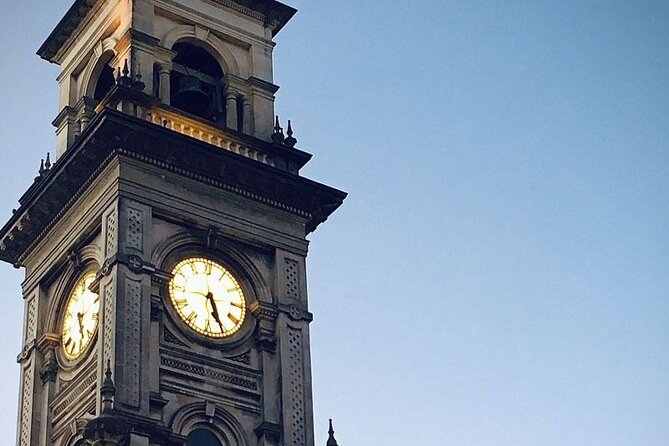
- Small group vibe (max 10 travelers): easier questions and a guide who can slow down when people care.
- Royal Doulton tiled details: you’re not just looking at the station from outside.
- Toitu’s Josephine locomotive story: why it mattered, and how it almost didn’t survive.
- Māori and settler connections: you’ll hear about early relations, not just European timelines.
- Story stops with contrast: grand buildings, carved stone whimsy, and a few “wait, what happened?” moments.
Entering The Octagon: the walk begins in the middle of town

You start at 50 The Octagon, Dunedin’s central square area. Right away, you get a sense of how the city grew: the tour points out buildings that have survived in the center, and the message is clear—some of what you see is still here because of luck more than smart planning. That’s a great mindset for the rest of the walk. You stop treating the streets like a backdrop and start seeing them like a record.
Also, the tour’s tone tends to stay human. Guides on this experience—people like Gregor and Lolene are specifically mentioned—are praised for turning architecture into lived experience. You’ll hear about the people behind the facades, and you’ll get a sense of how Dunedin worked day-to-day, both then and now.
This is also where you’ll likely start to connect the big themes: European settlement, relationships with Māori communities, and how Dunedin’s story includes both achievement and conflict. If you’re the type who likes context while you walk, this opening sets you up well.
You can also read our reviews of more tours and experiences in Dunedin and The Otago Peninsula.



Dunedin Railway Station foyer: more than a photo stop
One of the most satisfying parts comes early: Dunedin Railway Station. Yes, it’s famous, and yes, it’s one of the most photographed buildings in the southern hemisphere—but the tour doesn’t stop at sightseeing from the street. You go inside the foyer area, which matters. Interiors tell you how people moved through a place and what mattered to them.
A standout detail is the mention of the Royal Doulton tiled walls inside the station. Even if you’re not a “tiles person,” this kind of design detail helps you understand the ambition that went into Dunedin’s public buildings. It also makes the tour feel different from a basic city loop, because you’re getting a guided read of what you’d otherwise gloss over.
Tip for you: take a moment to look up and around when you’re inside. Station architecture often rewards slow looking, and this tour is timed to give you just enough room to do that.
Toitu Otago Settlers Museum: Josephine, the locomotive that nearly vanished
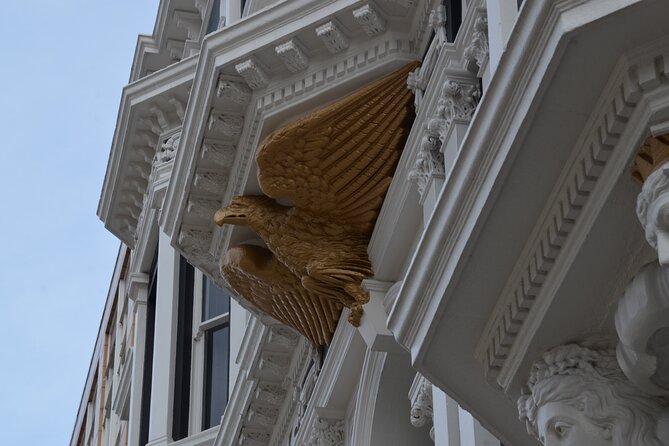
Next you head to Toitu Otago Settlers Museum. The big reason this stop works is that it’s not just about a building housing displays—it’s about a single story that can anchor the whole museum idea. You’ll hear about Josephine, the first locomotive in Otago, and why its journey matters.
What I like here is the angle: the tour doesn’t treat the past as tidy. It talks about how Josephine came to the region and also how it was nearly lost to history—then survived anyway. That’s a powerful reminder for you while walking: many of the objects and narratives you rely on today only made it through because people fought to preserve them.
The stop is short, so you’re not meant to become a museum expert. Instead, it acts like a narrative switch. You go from buildings-as-spectacle to buildings-as-evidence of real change over time.
Queens Gardens: Scottish settlement, Kai Tahu welcome, and dealing with mud and rain
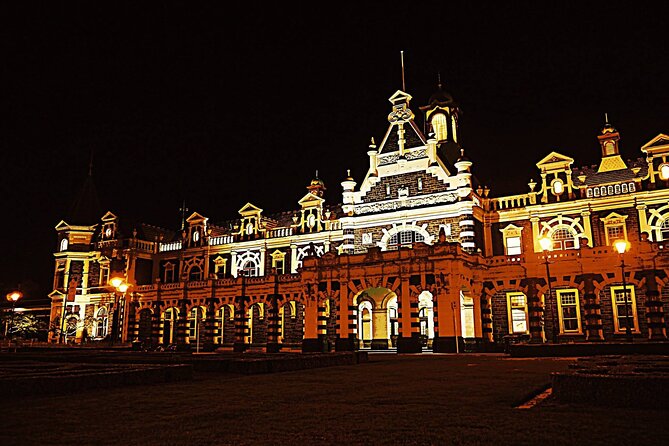
At Queens Gardens, the story shifts to the emotional core of early settlement. You’ll hear about the first Scottish settlers and how they were welcomed by Kai Tahu Māori. You also get a grounded sense of what settlement meant in practice, including the simple reality of rain, mud, and hard conditions.
This is a good stop if you want the tour to feel balanced. It’s easy for heritage walks to focus on architecture and ignore relationships. Here, the narrative keeps turning back to humans meeting humans—across cultures—and the everyday friction of weather and daily survival.
What to watch for: when your guide talks about the welcome and the conditions, it helps you interpret why Dunedin’s buildings and public spaces look the way they do later. Settlement choices shape the city’s priorities, and gardens like Queens Gardens are part of the visual memory of that early era.
Princes Street and the Cargill memorial: whimsy in stone
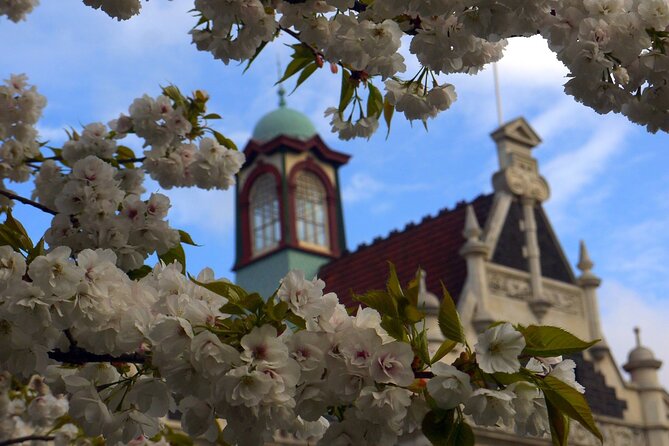
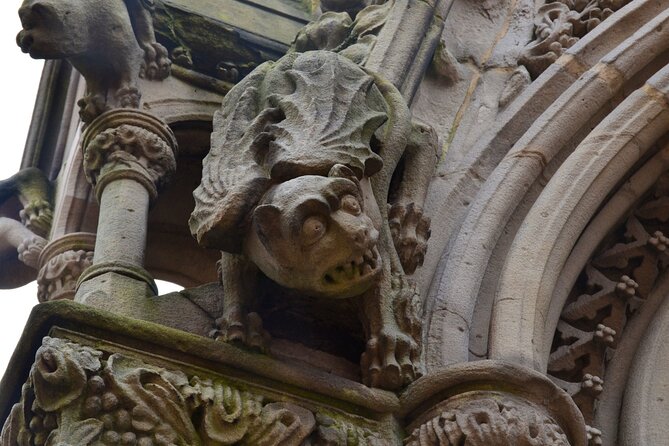
Then you move onto Princes Street, specifically the Exchange area, where the Cargill memorial and its winged monkeys come into view. This is one of those “wait, I know this landmark” moments for many people—because it’s memorable without being boring.
The reason I enjoy this stop as part of a heritage walk is contrast. After heavy stories about settlement conditions and complex relations, you get stone-carved shapes that feel playful and human. It’s a reminder that communities don’t only build monuments to tragedy or politics. They also build character.
If you’re the kind of traveler who likes to connect art to place, pay attention to how the memorial fits into the city’s street life. A good guide will help you see how this kind of sculpted detail becomes part of the skyline identity.
Broadway Medical Centre: where a shoe shop and tragedy left a mark
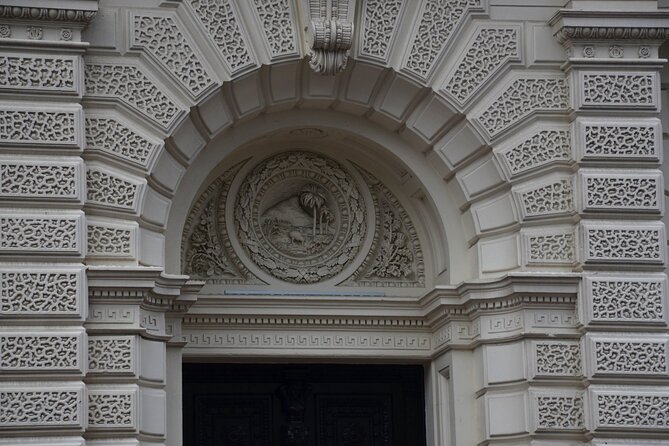
Next comes Broadway Medical Centre. Today it’s a medical centre, but the tour points out it used to be the site of a larger shopping centre and mentions Mr and Mrs Loft and a shoe shop. Then it turns toward a scandalous and tragic ending.
This is where the tour’s name and tone start to make sense. Some heritage tours sanitize the past. Here, the stories are willing to include darkness—murders and intrigue are part of what people say they liked most—while keeping the focus on how the city records its own history.
How to use this stop: don’t just listen to the dramatic anecdote. Think about what it signals. Businesses, property, and reputations were tightly interwoven in older city centers. When the tour shifts to this kind of story, it’s teaching you that cities are never only about the buildings. They’re about the people and consequences that happened inside and around them.
Ending at Speight’s Brewery: choose your finish, keep the momentum
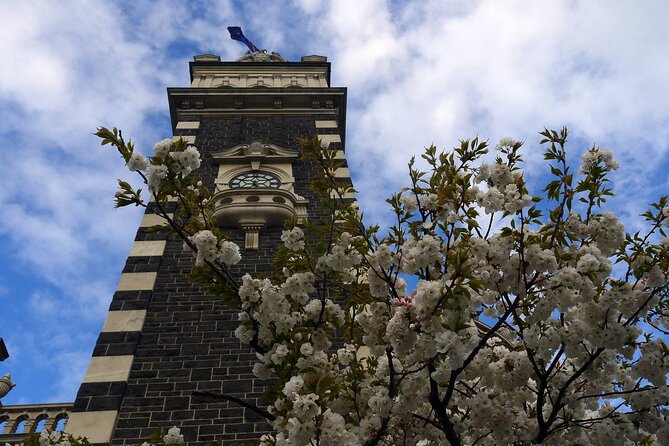
The tour ends around Speight’s Brewery, which is also described as Dunedin’s oldest pub. You’re given a choice: you can stay for a drink and browse the restaurant or gift shop, or you can continue in a loop back so you end near where you started.
I like this flexible ending because it turns your final stop into a decision point. If you’re energized, you can keep your day going in a relaxed way. If you’re worn out (and you might be after 1.5–2 hours of walking and listening), the “loop back” option helps you avoid awkward logistics right after the tour.
Practical note for you: if you plan to eat or drink, consider giving yourself time. A pub experience can last longer than you think, especially if you’re trading stories with your guide at the end.
Price and pacing: what your $40.34 actually buys
The tour costs $40.34 per person and typically runs about 1 hour 30 minutes to 2 hours. For this price, you’re not paying just for movement—you’re paying for guidance that ties together architecture, social history, and specific sites.
A key part of value here is that multiple stops are listed with free admission elements on the tour, including the railway station foyer and the Toitu museum stop. That matters because it reduces the feeling of paying again and again for access. What you’re really buying is the local historian-style storytelling that makes those places click.
In terms of pacing, reviews describe an easy enough walk with some urban sidewalk time, and one mention points out there can be a hilly section. So I’d plan for comfortable shoes and weather protection rather than assuming the walk is totally flat.
My advice: if you’re sensitive to long listening sessions, bring a little curiosity and don’t try to multitask. This walk is best when you slow down and let the guide connect the dots.
Small-group touring in central Dunedin: why max 10 helps
This experience caps at 10 travelers. That’s not just a number—it changes how the tour feels. Smaller groups are usually where you get real conversation, and it’s the reason guides like Lolene and Gregor get praised for answering questions and making it feel personal.
It also helps the tour stay flexible. When you’re standing outside a building, a small group can pause longer if you want extra context. And when you’re inside somewhere like the station foyer, fewer people means less crowd pressure and more time to actually look.
If you’re traveling with family, this kind of group size also helps the guide manage attention levels. One comment specifically mentions a perfect fit for a mix of ages, including a teen and an older adult, which tells you the pace is generally approachable.
Who should book this heritage walk
I think this tour is a strong match if you:
- want architecture plus story, not just pretty streets
- like heritage that includes settler and Māori relationships
- enjoy a guide who can mix humor with serious moments, including darker episodes
- prefer a short, focused downtown walk over a full-day tour
It’s also a good option if you’re in Dunedin for the first time and need a way to orient. The Octagon start, the station, then the museum and street landmarks create a practical framework. By the end, you’ll know where the key sights are and what they mean.
If you’re the type who hates walking tours or needs fully step-free routes, you should think carefully, because this is built around sidewalks and city streets. The good news is that the experience says most travelers can participate, and service animals are allowed, so it’s not designed as a hardcore hike.
Should you book Heritage Dunedin City Walking Guided Tour?
Yes, you should consider booking if you want a compact history hit that’s timed well and guided by people who care about making the city understandable on foot. At $40.34, the cost feels reasonable because you’re paying for a guided narrative and getting free-entry-style access at key stops.
Skip it only if you don’t enjoy walking and listening, or if weather conditions are likely to be awful for you. This experience requires good weather, and you don’t want to be miserable through it.
If you do book, do one simple thing: show up ready to look up, look around, and ask one question. That’s where tours like this turn from information into something that actually sticks.
FAQ
How long is the Heritage Dunedin City Walking Guided Tour?
The tour runs for about 1 hour 30 minutes to 2 hours.
Where do I meet, and where does the tour end?
You start at 50 The Octagon, Central Dunedin. The tour ends at Rattray Street, Central Dunedin, with the option for your guide to help you get back toward the Octagon after you finish at Speight’s.
What is included with my ticket price?
Your ticket includes an in-person guide and commentary. Several key stops are listed with free admission for that visit as part of the tour.
What should I know about group size?
The tour has a maximum group size of 10 travelers, which helps keep it more interactive and manageable.
What happens if the weather is bad?
This experience requires good weather. If it’s canceled due to poor weather, you’ll be offered a different date or a full refund.
Can I bring a service animal?
Yes. Service animals are allowed on this tour.
Is private transport included?
No. Private transport is not included, so you’ll be walking and using nearby public transport as needed.