REVIEW · JEDDAH
Historical and Heritage Tour in Jeddah
Book on GetYourGuide →Operated by Taleed · Bookable on GetYourGuide
Jeddah Gate is where old stories start. This 2-hour heritage walk in Jeddah’s Al-Balad links UNESCO-listed corners with everyday life from earlier centuries, so the city feels less like a postcard and more like a lived-in place. You’ll be guided through walls, homes, mosques, markets, and old hotel-era nostalgia, all on foot in the heat and shade you can manage.
I love the sensory stops built into the route: you’ll taste local food, then slow down with Saudi coffee or tea plus Hijazi Max mints. I also like how the tour connects architecture to commerce—merchant houses and families aren’t treated like museum props, but as the reason the region became what it is today.
One consideration: this is an open-air walk. You’re moving for the full experience, so plan for sun, bring water and proper shoes, and note it’s not suitable for children under 7.
In This Review
- Key highlights before you go
- Entering Old Jeddah from Jeddah Gate (and why the walk matters)
- Nassif House and merchant homes: how architecture tells the story
- Historic mosques, markets, and the rhythm of Al-Balad
- Coffee, tea, and food tasting with Hijazi Max mints
- Souvenirs, Artists’ Street, and Street 97 crafts
- Howida and Hassan: flexible guiding in Arabic and English
- Price and value: what $149 buys you in real terms
- What to bring, and what can shut the tour down
- Who this heritage walk is best for (and who should skip)
- Should you book this Jeddah Gate to Al-Balad tour?
- FAQ
- How long is the Historical and Heritage Tour in Jeddah?
- Where do I meet, and where does the tour end?
- What languages are the guides available in?
- What’s included in the $149 per person price?
- Are entrance tickets included for any sites?
- Is transportation provided?
- What should I bring, and are there any restrictions?
- What are the age limits?
Key highlights before you go
- Start at Jeddah Gate and walk inward into Al-Balad’s layered past
- Nassif House and other heritage homes show how merchant families lived
- Coffee, tea, and food tasting with Hijazi Max mints along the way
- Souq time and café time, so you don’t just look—you taste and listen
- Artists’ Street + Street 97 for hands-on-style craft shopping (soap, oils, pottery)
Entering Old Jeddah from Jeddah Gate (and why the walk matters)
If you want Jeddah to click fast, start at Jeddah Gate. The tour begins at the seating area next to the old gate, where you first get the sense of how the city’s walls shaped movement, safety, and trade routes. Even before you reach the prettiest houses, you’re building context. It’s like reading the map with your feet.
From there, the pace is designed for seeing details. You’ll move through Al-Balad’s older streets, including areas tied to historic religious life and neighborhood commerce. Expect narrow passages, walls that look like they’ve absorbed centuries of sound, and everyday textures—wood, stone, and the kind of visual clutter that only a working neighborhood has.
This is also a practical tour format. It’s only 2 hours, and it’s “loop” style: you start at Jeddah Gate and end back at the same spot. That means you can fit it neatly around prayer times, a dinner reservation, or a relaxed afternoon by the Red Sea.
One more thing I’d plan for: it’s entirely on foot and outdoors. So dress for walking in hot weather, not for looking like you just stepped out of a fashion magazine. Comfortable shoes, sunscreen, and a sun hat aren’t optional extras here.
You can also read our reviews of more tours and experiences in Jeddah.

Nassif House and merchant homes: how architecture tells the story
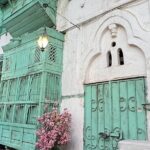
A big reason this tour works is that it treats famous buildings like evidence. You’ll visit Nassif House, a highlight that’s not just about pretty rooms. The point is to understand how the city’s wealth and influence showed up in domestic design—how large merchant families structured their homes and how daily life likely flowed inside.
That focus continues as you see the houses of major merchants and ancient families. You’re basically learning to “read” the neighborhood. Doors, courtyards, and the way buildings sit along the street tell you who had resources, how they hosted, and how connected they were to regional trade. It’s history with physical clues, not just dates on a wall.
The tour also frames these homes in terms of regional impact. You’ll hear how Jeddah’s role in movement—people, goods, and ideas—affected the wider area. That matters because Jeddah isn’t an isolated “old town.” It’s a port city with consequences, and the tour helps you feel that connection.
If you love history but get bored when it turns into pure lecturing, you’ll likely appreciate this format. The guide doesn’t just point at structures. They explain what the structures were for.
Historic mosques, markets, and the rhythm of Al-Balad
Another strength is that the itinerary doesn’t stay locked on houses. You’ll also pass through and learn about historic mosques, traditional market areas, and older landmarks that reflect Jeddah’s past rhythm. This is where you get a more complete picture of heritage as a living system: worship, trade, social life, and neighborhood routines.
Markets are especially useful here because they turn “culture” from a buzzword into something you can sense. Expect stops that let you see how the neighborhood still supports everyday needs—things people buy, ways they talk, and the way goods move through tight lanes.
One fun aspect is the emphasis on perception: you’re encouraged to pay attention to the senses—things you can see, hear, smell, touch, and taste. In practice, that means the tour keeps pulling you out of passive sightseeing and into active noticing. Even if you’re not a “shopping person,” market stops help you understand the local economy that shaped these streets.
You’ll also encounter the kind of landmark detail that makes Al-Balad feel like a time layer rather than a single snapshot. The old Jokhdar hotel is part of this larger walk through what used to be a bustling traveler-and-trade world.
Coffee, tea, and food tasting with Hijazi Max mints
Some tours give you a sip of something and call it “experiential.” This one actually builds in food and drink so you get a real flavor of Hijazi culture.
Included in the price: Saudi coffee or tea with Hijazi Max mints plus food tasting and bottled water. That’s not just a nice-to-have. It gives you a reason to pause and slow down while the guide explains the context behind what you’re drinking and eating.
Saudi coffee and tea are part ritual, part welcome. Pair that with mints and you get a quick sensory reset—useful in open-air heat. And the tasting stop makes it easier to understand what’s local and what’s just generic “tourist Middle East” fare.
If you’re picky about food or spice levels, you’ll still likely enjoy the tasting because the tour keeps it focused. You’re sampling, not committing to a full meal with unknown ingredients. (And if you later want more, you’ll know what to look for in cafés and markets.)
Souvenirs, Artists’ Street, and Street 97 crafts
After the historic core, the tour adds a practical cultural layer: craft and shopping time. There’s a stop for a souvenir shop, where you can pick up small reminders of your day (and maybe bargain a little if you’re in that mood).
Then you’ll head toward Artists’ Street and Street 97, an area known for local craft activity. You’ll learn about or see examples of crafts such as soap making with Arabic oils and pottery, plus other locally made items. Even if you don’t buy much, watching the process and speaking with makers (when possible) helps you understand the value of these handmade goods.
A useful note: the craft experience can be booked in advance (two days before). If you want more hands-on time beyond basic browsing, ask about options and prices.
The bigger takeaway for your travel planning: this part of the tour isn’t random shopping. It’s tied to how the city produces goods—goods you can take home and also use as a memory trigger when you describe Jeddah to friends later.
Howida and Hassan: flexible guiding in Arabic and English
Guide quality can make or break a short tour. This one has a strong reputation for care and flexibility, especially from Howida and Hassan.
Howida stands out for tailoring the tour to your interests—if you want more food focus, more history, or a slower pace, the guidance adjusts. Hassan is noted for showing up prepared and flexible with timing, especially helpful if you have a layover or tight schedule.
What I think is the key skill here: they don’t treat the group like a checklist. You’ll get history and explanation, but you can also shape the day. That matters a lot when your time in Jeddah is limited.
Language-wise, you’ll have English and Arabic support. That’s a practical advantage because it helps you actually absorb the “why” behind what you’re seeing. And in cultural heritage settings, a good explanation is the difference between seeing old stone and understanding old lives.
Price and value: what $149 buys you in real terms
At $149 per person for a 2-hour walking tour, you’re paying for three things that add up fast: trained guiding, scheduled cultural stops, and included refreshments.
Included:
- Tour guide in English and Arabic
- Saudi coffee or tea with Hijazi Max mints
- Food tasting
- Bottled water
Not included:
- Entrance tickets (if a specific site requires one)
- Lunch/dinner/breakfast, and other drinks like soda or juice
- Transportation
So how do you judge value? In this case, the included items reduce your “extra spending creep.” You’re not hunting for a café mid-walk, and the guide is responsible for keeping the route coherent so you don’t burn time. Add in the fact that you get a concentrated tour of Al-Balad highlights without needing to plan every stop yourself, and the price starts to make sense—especially if you’re short on time.
If you already planned to spend on coffee, a tasting, and a guide for heritage context, this becomes less expensive than it looks on the first glance.
What to bring, and what can shut the tour down
This tour is straightforward, but it’s not a “bring a light jacket and vibe” kind of day.
Bring:
- Comfortable shoes (walking all day… but for 2 hours)
- Sunglasses
- Sun hat
- Sunscreen
- Water
- Comfortable clothing for hot weather
Not allowed:
- Drones
- Alcohol and drugs (strictly prohibited by law)
Also, be ready for a simple reality check: because it’s outdoors, weather can affect timing. The tour may be postponed due to weather conditions or unexpected natural changes. That’s not a failure; it’s just the environment doing what environments do.
Who this heritage walk is best for (and who should skip)
This tour fits best if you want history that feels human. It’s good for:
- Families with children who are old enough to handle the walking (but note the minimum age)
- Single travelers who like meeting locals through food, cafés, and markets
- People who want heritage plus interaction, not just photos
It’s not suitable for children under 7, mainly because it’s a fully on-foot, open-air experience.
Also consider your walking comfort. Even though it’s only 2 hours, you’ll still be on your feet for most of it. If you’re recovering from an injury or have mobility limits, you might find the route uncomfortable.
Should you book this Jeddah Gate to Al-Balad tour?
Book it if you want a well-paced, short heritage experience that connects buildings to everyday life—plus includes coffee, tea, and tasting so you don’t leave feeling like you only collected images.
Skip it if you:
- Want a driving tour with minimal walking
- Need included meals beyond tasting and drinks
- Are traveling with kids under 7
If you’re spending a limited amount of time in Jeddah and want the day to feel purposeful, this is a smart use of 2 hours. You’ll start at Jeddah Gate, learn how merchant families and religious sites shaped the city, and finish back where you began with crafts and café time in your head.
FAQ
How long is the Historical and Heritage Tour in Jeddah?
The tour runs for 2 hours.
Where do I meet, and where does the tour end?
You meet at the seating area next to Jeddah Gate (the old gate). The activity ends back at the same meeting point.
What languages are the guides available in?
The tour guide is available in English and Arabic.
What’s included in the $149 per person price?
The tour includes a tour guide (English/Arabic), Saudi coffee or tea with Hijazi Max mints, food tasting, and bottled water.
Are entrance tickets included for any sites?
Entrance tickets are not included.
Is transportation provided?
Transportation is not included, so you’ll need your own way to reach the meeting point.
What should I bring, and are there any restrictions?
Bring comfortable shoes, sunglasses, a sun hat, sunscreen, water, and comfortable clothes for hot weather. Drones are not allowed, and alcohol and drugs are prohibited by law.
What are the age limits?
The tour is not suitable for children under 7 years.