REVIEW · TOKYO
Tokyo: Locals Secret Shrine Tour // Walk with a Guide
Book on Viator →Operated by Sunrise Adventure · Bookable on Viator
Tokyo’s shrines teach you how to read the city. This 2-hour walk is interesting because you’re not just seeing stone and gates—you’re learning how local worship actually works as you move through the Ochanomizu–Kanda–Ueno area. What I like most is the way the guide turns each stop into a quick lesson you can use right away, plus the small group size (max 4) that keeps questions from getting lost. One possible drawback: it’s about moderate walking, and you’ll also be dealing with the fact that not everything is 100% free inside every shrine area (one stop has an inner-grounds ticket).
I also love that the tour covers several different shrine styles back-to-back, so you can compare vibes: academic shrines, community protection shrines, a pond-side goddess shrine, and an Edo-period site. You get a proper route with a guide, and you avoid the common feeling of wandering around Tokyo shrines like it’s all the same. Still, keep expectations realistic: this is a compact tour, so you’ll be moving at a pace that’s great for learning, but not for long sits and slow photography at every spot.
In This Review
- Key things that make this shrine walk worth your time
- A compact shrine tour that teaches you how to behave
- Starting at Ochanomizu: where the tour gives you the Tokyo shrine mindset
- Yushima Seido Shrine: Neo-Confucianism and modern Japan
- Kanda Myojin: community protection and festival energy
- Yushima Tenjin Shrine: academic success and seasonal plum blossoms
- Shinobazu-no-ike Benten-do: a pond-side stop for music and knowledge
- Ueno Toshogu Shrine: Edo-period grandeur plus the one ticket caveat
- Why small group size changes everything in shrine country
- What you’ll get beyond the shrines: practical cultural tips
- Price and value: $42.44 for a guided education, not a checklist
- Who this tour fits best (and who might want to skip)
- Tips for getting the most out of the walk
- Should you book this Tokyo locals shrine tour?
- FAQ
- How long is the Tokyo Locals Secret Shrine Tour?
- Where does the tour start and end?
- Is the tour in English?
- How much does it cost?
- What’s included in the tour?
- Is admission included at all shrines?
- How big is the group?
- What should I know about weather and cancellation?
Key things that make this shrine walk worth your time
- You’ll learn worship etiquette, not just names and dates
- Max 4 people means you can ask real questions along the way
- Ochanomizu to Ueno links different Tokyo neighborhoods with shrine culture
- Free admissions where possible, plus one paid-inner-grounds stop so you aren’t surprised
- Photo opportunities built into the route
- Guides like Lukki get praised for going above and beyond
A compact shrine tour that teaches you how to behave
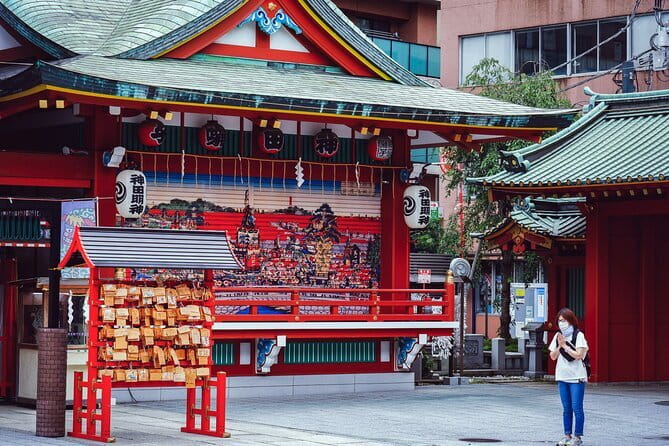
Tokyo shrine sightseeing can be confusing. You see the buildings, you take photos, and then you wonder what you were supposed to do besides walk through. This tour helps you fix that. The goal is practical: the guide explains stories behind local shrines and also teaches you how Japanese worship and prayer works in everyday life.
I like that the pace matches the lesson. You’re not waiting around for a long lecture in one place. Instead, you’re given context while you can still see the shrine setting in front of you. In a city this big, that kind of timing matters.
You’ll also notice a theme in the reviews: the guides are serious about communication. Lukki, in particular, gets called out for being very knowledgeable and for sharing his passion in a way the group can follow. There’s also a story of the guide helping someone who got lost after the tour, which tells me this company treats the experience as more than checklists.
You can also read our reviews of more tours and experiences in Tokyo.
Starting at Ochanomizu: where the tour gives you the Tokyo shrine mindset
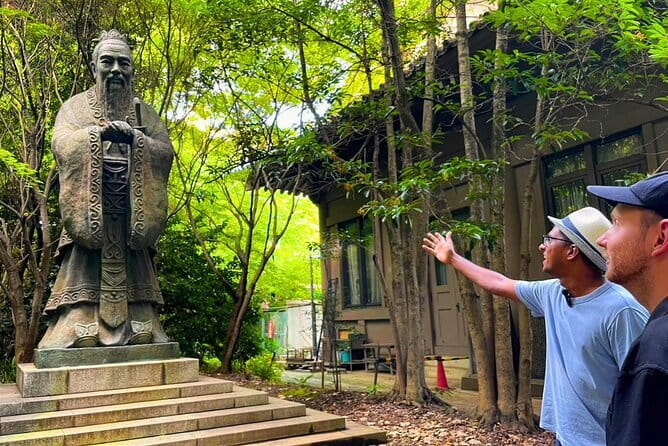
Your morning begins at Starbucks Coffee in Ochanomizu Saint Clair, near Ochanomizu Station. It’s a helpful meeting point because it’s easy to find even if you’re still figuring out Tokyo transit on day one.
From there, the guide frames what you’re about to see. You start with an introduction to shrine culture in Tokyo, plus the plan for how you’ll move through the day. This matters because it sets you up to interpret what you’re seeing later. Without that, shrines can feel like separate sights. With it, they start to feel like a connected system of beliefs, community identity, and seasonal rituals.
Yushima Seido Shrine: Neo-Confucianism and modern Japan
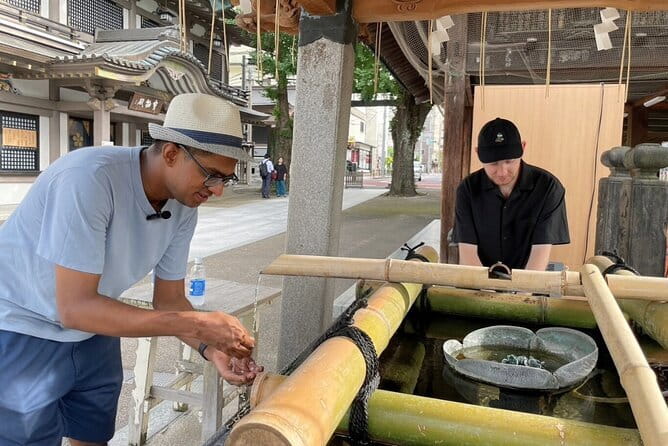
One of the first stops is Yushima Seido Shrine. Here, the tour connects religion and philosophy. You learn how Neo-Confucianism from China shaped modern Japanese society. That’s not the kind of detail you’ll typically get if you’re just strolling around on your own, and it helps you understand why certain shrines and their spaces carry ideas beyond one deity.
What I like about this stop is that it turns the shrine into a bridge. It’s not only a place for worship; it’s also a reminder that Tokyo’s religious landscape sits alongside education, ethics, and public life.
If you’re short on time in Tokyo, this kind of framing is a good use of it. You’re getting context early, which makes the next stops easier to grasp.
Kanda Myojin: community protection and festival energy
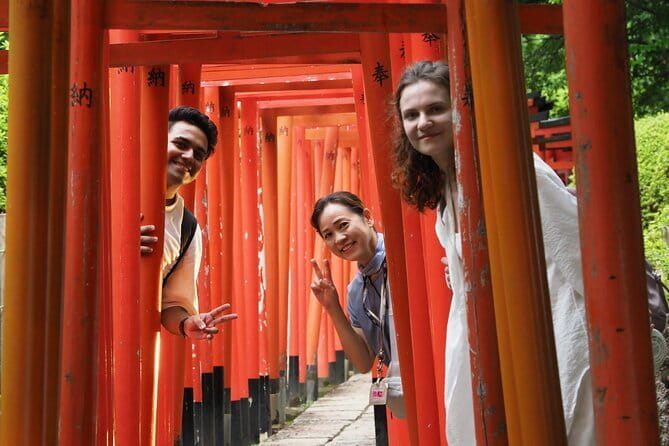
Next up is Kanda Myojin Shrine. This is the part of the route where you start to feel the “Tokyo neighborhood shrine” character. The tour explains its history and the deities you’ll hear about there, and it points out why it’s known for lively festivals and the idea of community protection.
This is the kind of information that changes how you see the place. Instead of treating it like a photo stop, you begin to notice how shrines function as community anchors—places people return to for events, identity, and shared hopes.
One practical note: if you’re hoping for huge crowds and festival scenes, your experience depends on timing. The tour still gives the right interpretation, but the exact energy level can vary.
Yushima Tenjin Shrine: academic success and seasonal plum blossoms
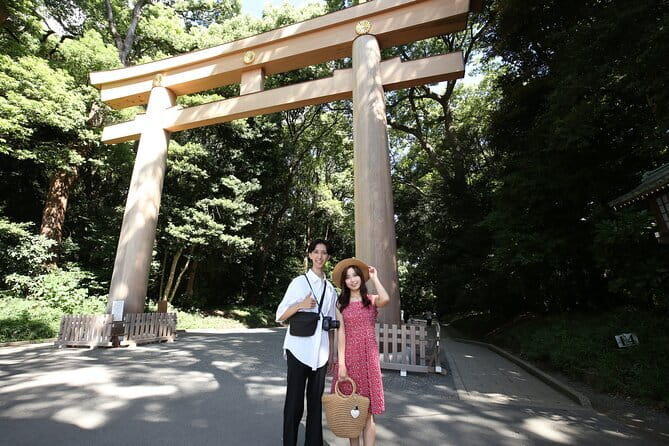
Then you’ll head to Yushima Tenjin Shrine, dedicated to academic success. The tour highlights the seasonal plum blossoms, and also the cultural significance tied to Tenjin shrines more broadly.
Even if you’re not traveling during plum blossom season, the explanation helps. You understand why people link this kind of shrine to school goals and learning—why it exists in the first place.
This stop is also a good change of pace in the itinerary. After community-focused worship, you pivot to personal goals: study, achievement, and the cultural belief that prayers can be aimed at specific life milestones.


Shinobazu-no-ike Benten-do: a pond-side stop for music and knowledge
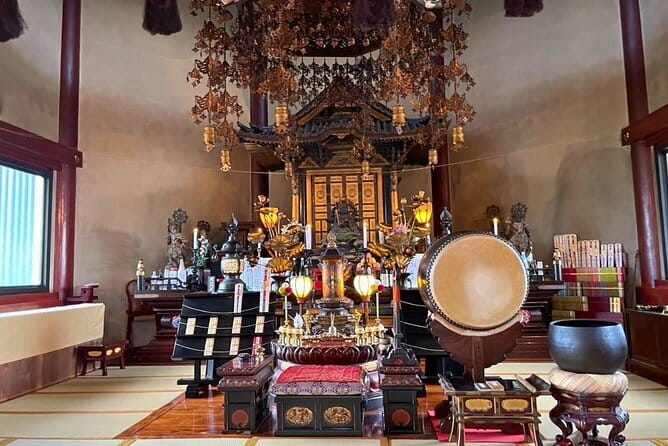
One of the more visually calming parts of the route is Shinobazu-no-ike Benten-do, a peaceful shrine on a pond. You’ll learn about Benzaiten, the goddess of music and knowledge, and how the shrine’s setting supports that kind of reverence.
This is a great moment to slow down your brain even if you’re still walking. Pond-side shrines tend to feel quieter, and they give you a more reflective pause than the busier urban shrines.
If you like photography, this is also where you can get satisfying shots without feeling rushed. The tour includes photo opportunities, and this is the sort of place that rewards you for taking your time with composition.
Ueno Toshogu Shrine: Edo-period grandeur plus the one ticket caveat
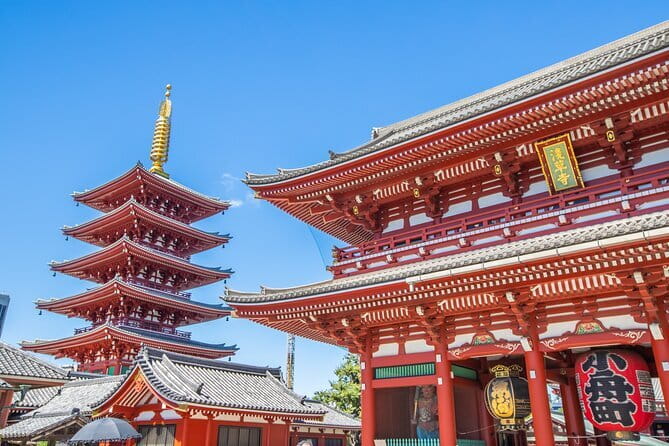
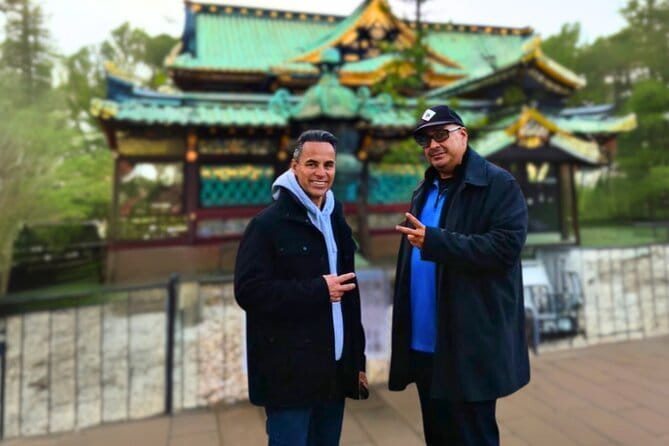
The route finishes around Ueno Station, with Ueno Toshogu Shrine as a major highlight before you wrap up. The tour focuses on its Edo-period importance, and it also gives you an important practical heads-up: Toshogu Shrine needs a ticket for the inner grounds, unlike the free shrines you likely visited earlier.
That’s a key value point for this experience. A lot of tours say everything is included and then you hit a surprise. Here, you should understand that you’ll explore nearby too, but the inner-grounds ticket is a distinct part of this stop.
Also, this ending location works well. You’re not dropped into the far corners of Ueno. You end at Ueno Station, which makes it easy to continue your day—shopping, museums, or just resetting for the next Tokyo plan.
Why small group size changes everything in shrine country
With a maximum of 4 travelers, you get something rare in Tokyo: space to ask questions. Shrine etiquette can be subtle, and you don’t want to feel awkward guessing. The tour’s whole pitch is that you’ll learn proper etiquette for visiting shrines, and the reviews back up that the guide makes it clear enough that you can use it in the days after.
In other words, the group size isn’t just a comfort perk. It’s part of the learning. When you can hear the guide and ask follow-ups, you stop collecting random facts and start building a sense of how shrine worship fits into daily life.
What you’ll get beyond the shrines: practical cultural tips
This tour includes an English-speaking guide, cultural insights, and local tips. It’s also described as having photo opportunities throughout the route. Those elements sound standard until you realize what they do for you as a visitor.
When someone is giving local tips while you’re still standing in the right place, your brain can connect the advice to reality. You’re not reading a guidebook after the fact. You’re getting the context while it matters.
And the personal service shows up in real ways. One review story mentions that if someone got lost, the guide team went out of their way to find them, and even helped with recommendations after the tour. That kind of follow-through is exactly what you want from a smaller operator.
Price and value: $42.44 for a guided education, not a checklist
At $42.44 per person for about 2 hours, this isn’t a bargain you should dismiss. It’s a fair price for what you’re buying: a guide, English support, and a focused walk that covers multiple shrines with interpretive storytelling.
Here’s the value math that matters. You’re spending time in prime Tokyo neighborhoods (Ochanomizu, Kanda, Ueno). You’re also getting free shrine admissions where the route allows it, plus you’re being told upfront about the one stop where inner grounds require a ticket. So you’re not paying for admissions you can’t use.
If you like cultural tours where you come away with something you can apply—how to behave, what to notice, what questions to ask—this price makes sense. If you’re the type who just wants photos and doesn’t care about etiquette or meaning, you might feel it’s slightly pricier than a self-guided stroll. But even then, the guided context is the whole point.
Who this tour fits best (and who might want to skip)
This is a good fit if you want an authentic Tokyo experience that’s organized, informative, and respectful. The tour also notes moderate physical fitness needs, so it’s best for people who can comfortably walk between several stops over a couple of hours.
It also suits first-timers. If you’re early in your Japan trip, having someone help you understand shrine etiquette can save you stress later. And if you’re traveling with limited time, the route covers a meaningful stretch without being exhausting.
On the other hand, if you’re traveling very slowly or you prefer to sit for long stretches in one place, the pacing may feel too tight. It’s built as a walk with learning stops, not a long wandering day.
Tips for getting the most out of the walk
Before you go, think of it less as sightseeing and more as a guided lesson in local practice. Wear comfortable shoes. You’ll move between shrines, and you’ll want your feet to be happy so you can focus on the guide’s explanations.
Also, bring a phone for photos, but don’t treat every stop like a photo shoot. The best payoff comes when you listen, notice little details, and then take photos that match what you learned.
One more practical point: you should plan your schedule so you’re not rushing right after the tour ends at Ueno Station. You’ll likely want time to process what you learned before your next Tokyo move.
Should you book this Tokyo locals shrine tour?
I’d book it if you want more than shrine names. This tour is built around interpretation and proper shrine visiting behavior, and the small group setting helps it stay personal. The guides, especially Lukki, are repeatedly praised for being knowledgeable and for going above and beyond, including helping someone who got lost and sharing recommendations after the tour.
I would hesitate if your goal is only quick photos or if you dislike paying for guided time (even when admissions are free for parts of the route). Also, remember the inner-grounds ticket at Ueno Toshogu Shrine.
If you’re aiming for an experience that feels local—not staged, not generic—this one is a strong match.
FAQ
How long is the Tokyo Locals Secret Shrine Tour?
It’s about 2 hours.
Where does the tour start and end?
It starts at Starbucks Coffee – Ochanomizu Saint Clair and ends at Ueno Station.
Is the tour in English?
Yes, it includes an English-speaking guide.
How much does it cost?
The price is $42.44 per person.
What’s included in the tour?
The tour includes an English-speaking guide, cultural insights, photo opportunities, and local tips. A mobile ticket is also provided.
Is admission included at all shrines?
The tour notes that shrines you visit include free admission spots, but Ueno Toshogu Shrine requires a ticket for the inner grounds.
How big is the group?
The tour has a maximum of 4 travelers.
What should I know about weather and cancellation?
The experience requires good weather. If it’s canceled due to poor weather, you’ll be offered a different date or a full refund. Free cancellation is available up to 24 hours in advance for a full refund.