REVIEW · DHARAMSALA
Historical Tour, Kangra fort &Rock cut temple from Dharmasla
Book on GetYourGuide →Operated by Himachalbylocals · Bookable on GetYourGuide
Temple carvings meet Mughal warfare in one day. You’ll start at the Masroor Rock Cut Temple, a hilltop complex with panoramic views, then shift to the Kangra Fort, where Rajput rule and Mughal pressure shaped what you see today. I like how the day ties stone carvings and battlefield-style power politics into one route, and I like the guide-led storytelling—some guides (like Hemant) point out sharp photo angles. One heads-up: monument fees and meals aren’t included, so budget extra.
Pickup happens from McLeod Ganj or Dharamshala, and you travel in a private car with an English-speaking guide. Expect a mix of viewpoints, temple stops, small village scenery on the way, and a short hang in the Kangra market to browse for gifts—plus the chance to try local snacks.
In This Review
- Key things to notice before you go
- A Route That Feels Like One Big Story
- Pickup From McLeod Ganj or Dharamshala, and How the 6 Hours Really Works
- Masroor Rock Cut Temple: Rama, Lakshmana, Sita, and Hilltop Views
- Photo notes that actually help
- Kangra Fort: Katoch Rule, Trigarta Roots, and Mughal Pressure
- What you’ll do at the fort
- The only drawback to factor in
- Brajreshwari Devi Temple: A Shakti Peeth Legend in Plain Story Form
- Kangra Market Time: Souvenirs, Local Goods, and Lemon Soda
- What’s Included (and What You’ll Pay For Separately)
- Guide Quality: English, Depth, and How to Get the Most
- A smart way to handle this on the day
- Price and Value: How $104 Per Group Can Add Up
- Who This Tour Fits Best
- Should You Book the Kangra Fort and Rock-Cut Temple Tour?
- FAQ
- What is the duration of the Kangra fort and rock-cut temple tour?
- Where does pickup happen?
- Is this a private tour?
- What transport is included?
- What’s included in the price?
- Are monument fees included?
- Are meals included?
- Do I need to pay for the tour upfront?
- What is the cancellation policy?
Key things to notice before you go
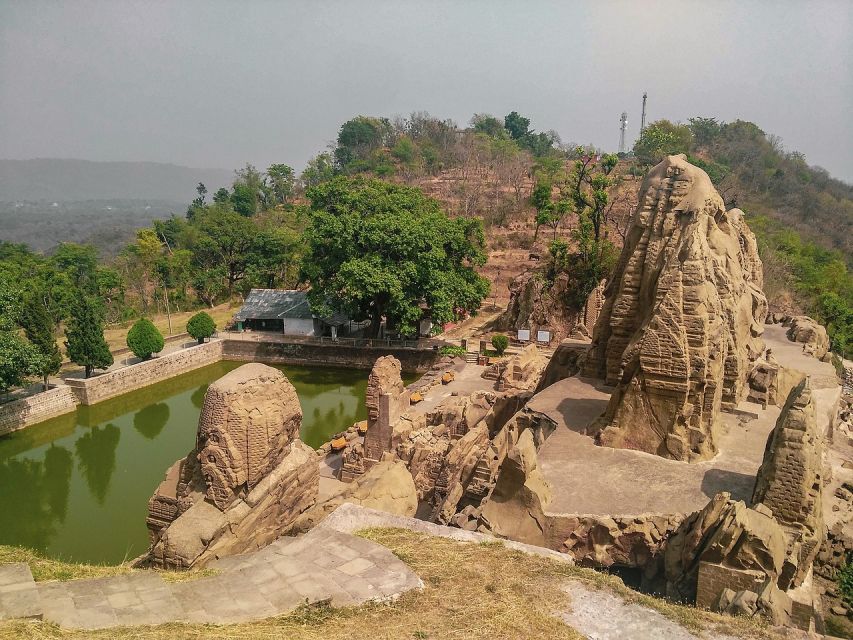
- Masroor’s carved trio (Rama, Lakshmana, Sita) with a built-in water pond setting
- Kangra Fort’s long timeline, from the Katoch dynasty to Mughal sieges under Akbar (1615) and Jehangir (1620)
- Brajreshwari Devi Temple as a Shakti Peeth, tied to the Sati legend and the idea of 51 sacred parts
- Kangra market time, where you can actually buy local souvenirs and even taste lemon soda
- A private-group pace that’s long enough for the sights but short enough for an easy day trip
A Route That Feels Like One Big Story
Kangra doesn’t do “museum vibes.” This trip links three places that all explain the region in different ways: devotion in stone, royal power in fort walls, and local faith wrapped into a Shakti Peeth legend.
What I like about this kind of route is how the facts keep snapping into place. At Masroor, you’re looking at carved Hindu figures tied to epic memory. At Kangra Fort, you’re seeing how the same region held its ground during big imperial pressure. Then, at Brajreshwari Devi Temple, you get the mythic layer—why people still treat this spot as spiritually meaningful.
The day is built for people who want more than “pretty ruins.” You want the why.
You can also read our reviews of more tours and experiences in Dharamsala.
Pickup From McLeod Ganj or Dharamshala, and How the 6 Hours Really Works
You get picked up from your hotel in either McLeod Ganj or Dharamshala, then you head toward Kangra by private car. The trip is scheduled for 6 hours total, so the pace is efficient rather than slow and meandering.
That timing matters because you’re doing:
- a rock-cut temple visit that’s also a viewpoint stop
- a fort experience that includes climbing up and moving around on uneven stone
- a Shakti Peeth temple visit
- a bit of market browsing
You don’t have time to linger for hours at each place. It’s a “see it well, learn the story, move on” kind of tour.
If you’re sensitive to road time or you want a very relaxed day, consider that this is a drive-heavy historical loop. Also, bring something for the car ride if you get car-sick easily—nothing in the plan mentions stops for comfort breaks beyond the sightseeing.
Masroor Rock Cut Temple: Rama, Lakshmana, Sita, and Hilltop Views
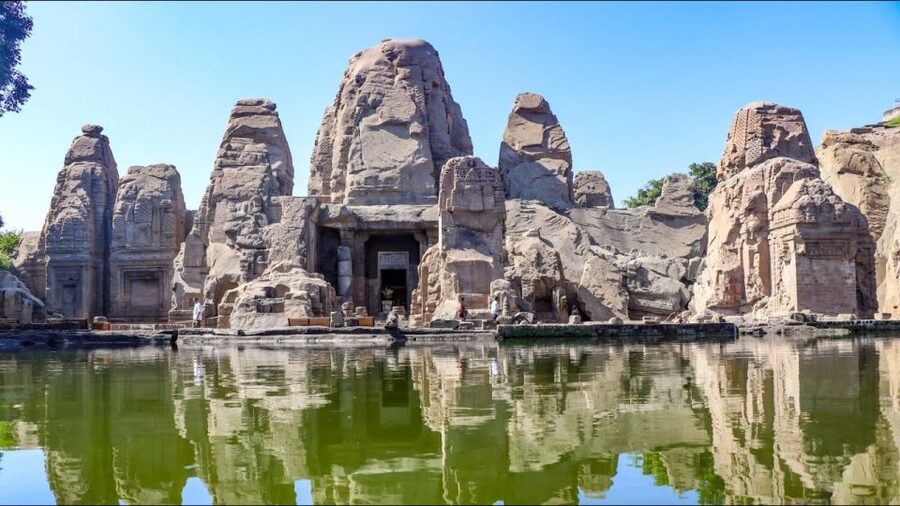
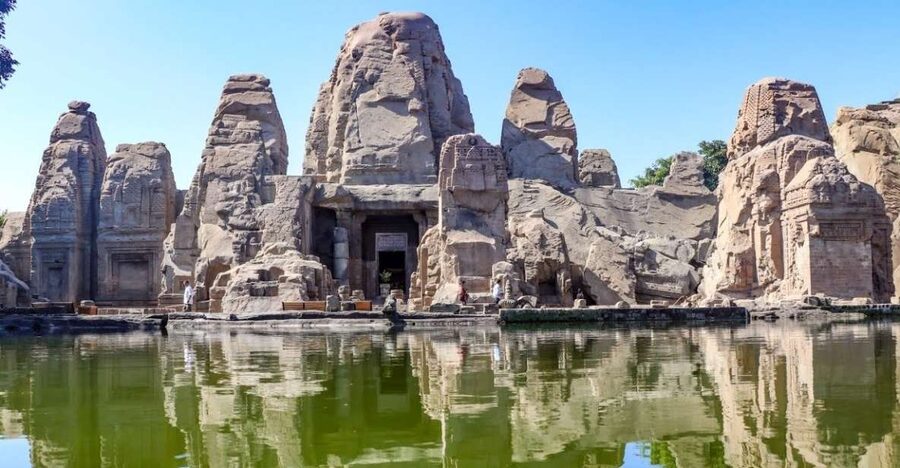
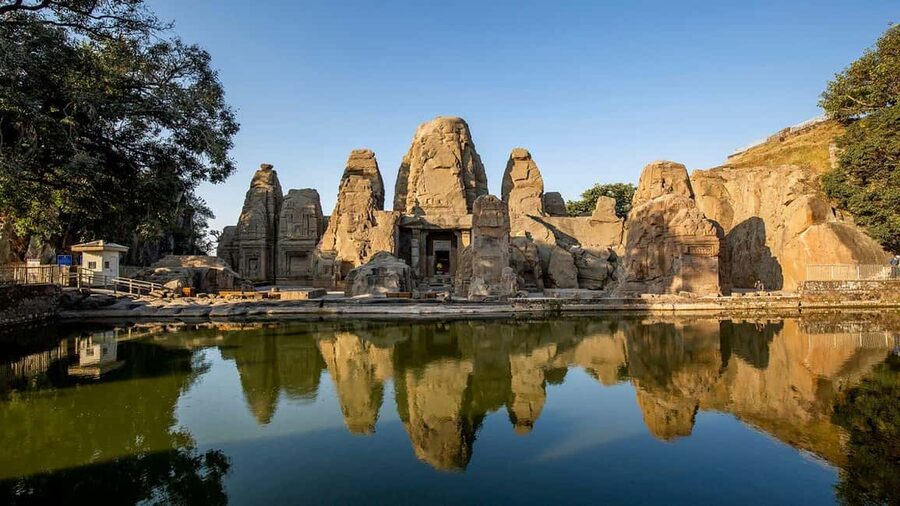
Masroor is where the day starts leaning spiritual and visual. The complex is dedicated to Rama, Lakshmana, and Sita, with stone images that Hindu devotees worship. What makes Masroor feel special is that it’s not just carved into a wall. It’s built on a water pond setting, then placed on a hill so you get panoramic views beyond the temple grounds.
You’ll likely notice two kinds of visuals right away:
1) the carved religious figures
2) the open sightlines from the hill toward the terrain
The views include the Dhauladhar Range, and the snowy peaks make the whole area feel bigger than you expect. Even if you don’t catch perfect weather, the temple’s position still gives you a strong sense of place—stone in the foreground, mountains in the background.
Photo notes that actually help
If you end up with a guide like Hemant, you’ll get help choosing viewpoints for photos. The key is to watch for angles where the carvings stay clear while the background doesn’t wash out. A small shift in where you stand can change everything here.
Kangra Fort: Katoch Rule, Trigarta Roots, and Mughal Pressure
Then the mood changes—stone devotion to stone defense.
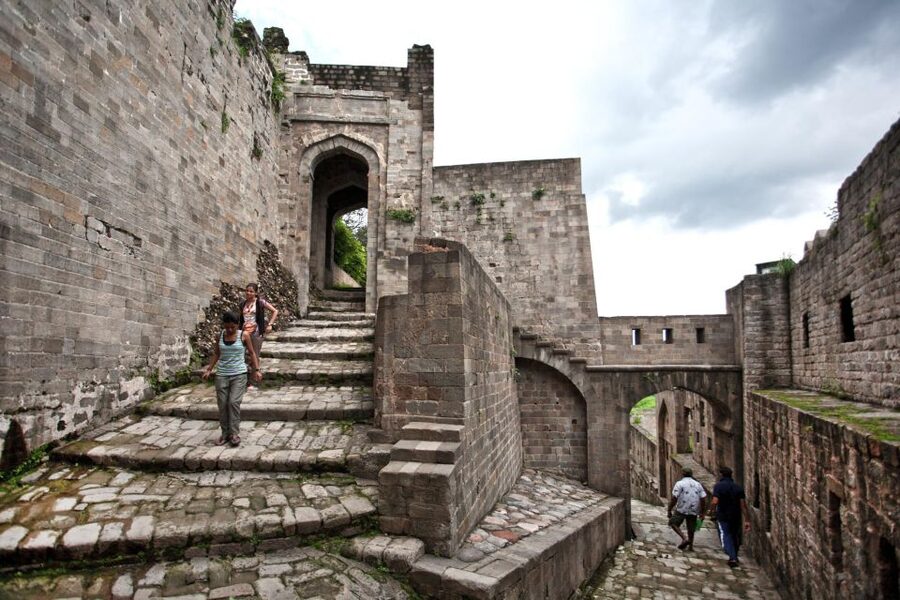
Kangra Fort was built by the royal Rajput family of Kangra State, the Katoch dynasty. The lineage traces back to the ancient Trigarta Kingdom mentioned in the Mahabharata epic. So you’re not only looking at a fort; you’re looking at a claim of deep roots in regional identity.
Two things stand out about the fort’s reputation:
- It’s described as the largest fort in the Himalayas
- It’s probably among the oldest dated forts in India
You also get a clear historical clash story. The fort resisted Akbar’s siege in 1615, and later Akbar’s son Jehangir subdued the fort in 1620. That shift forced the submission of the Raja of Chamba—presented as the greatest of all rajas in the region. In other words: the fort didn’t just “exist.” It mattered.
What you’ll do at the fort
Plan for walking and climbing during the visit. One of the common praise points here is the view you get when you climb up within the fort area. The fort is worth it even when you’re tired, because once you reach higher points, the valley views make the effort feel fair.
The only drawback to factor in
Fort climbs can be slow-going if you’re not used to uneven stone. Nothing is described as inaccessible or specially managed in the plan, so treat this as a “comfortable walking” day.
Brajreshwari Devi Temple: A Shakti Peeth Legend in Plain Story Form
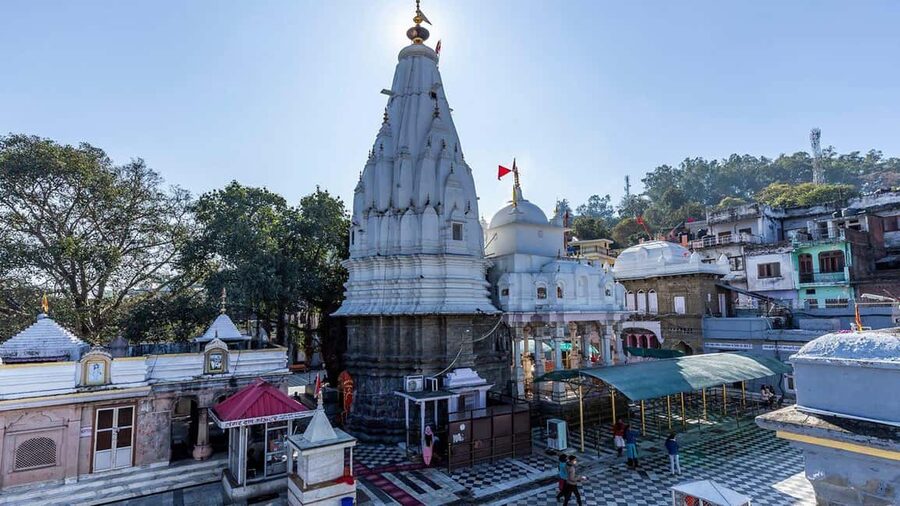
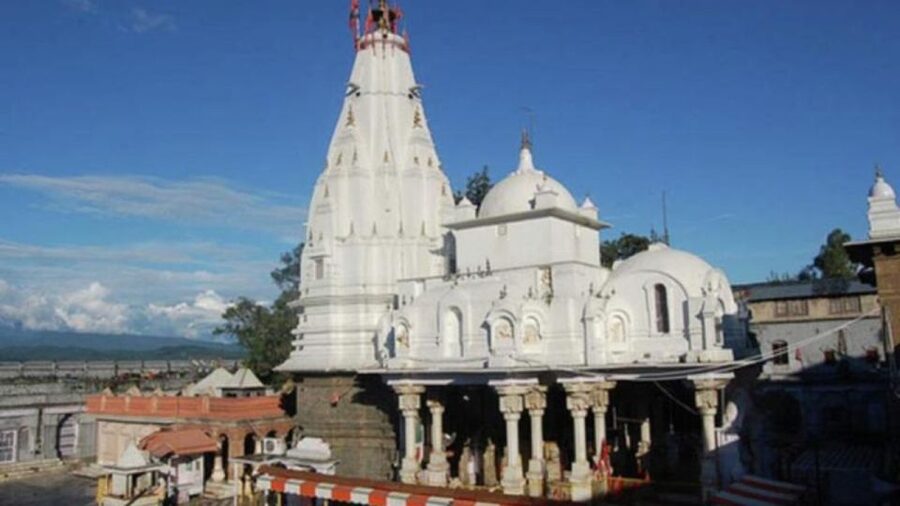
After the fort, you get the mythic layer at Brajreshwari Devi Temple, tied to the idea of a Shakti Peeth.
The legend goes like this: after Goddess Sati sacrificed herself in her father’s yajna in honor of Lord Shiva, Shiva took her body on his shoulder and started Tandav. To stop the chaos from destroying the world, Lord Vishnu divided Sati’s body into 51 parts using his chakra. The left breast of Sati fell at this spot, which is why this location is held as a sacred Shakti Peeth.
If you like understanding the spiritual logic behind sacred places, this stop lands well because the story gives a reason for why devotion persists here—not just a random temple on a hillside.
One practical tip: treat this as a respectful temple visit. Keep your voice down, watch your footing, and give yourself time to look at the setting rather than only chasing the quickest photos.
Kangra Market Time: Souvenirs, Local Goods, and Lemon Soda
The last third of the day includes Kangra market time. This is your chance to trade your “history brain” for your “buy a gift brain.”
You’ll browse local goods that work as souvenirs, and you’ll also have the option to try local snacks. One highlight that came up for me is trying homemade lemon soda at the market during the tour.
That market segment is short by design, so go in with a plan:
- decide what you want (small food gifts vs. crafts vs. spices)
- don’t wait until the final minute to ask for prices
- taste first, then shop, so you’re not making decisions out of taste fatigue
Even if you don’t buy much, the market time is a nice reminder that this is still a living region, not just a list of monuments.
What’s Included (and What You’ll Pay For Separately)
This tour is built around convenience. You get:
- hotel pickup and drop-off from McLeod Ganj / Dharamshala
- private car based on the group size option
- an English-speaking guide
- parking fees
The items not included are straightforward:
- monuments fees
- breakfast/lunch/dinner
So if you’re thinking budget, don’t only plan for the $104. Add some buffer for entry fees and any meal you choose. One person noted that lunch options can be good but a bit pricey, which matches how these drive-and-sight days often work.
Guide Quality: English, Depth, and How to Get the Most
This is a private-group tour with an English guide, and the guide quality can make a real difference in how much you get out of the day.
Some guides are praised for strong historical context and clear explanations, like:
- Hemant, recognized for solid history and especially helpful photo viewing angles
- Onkar, described as providing detailed background that makes the sites more enjoyable
- Ashok, noted for wide knowledge connecting landscapes, foods, culture, and monuments
There’s also a fair warning to keep expectations realistic: not every guide will match the same level of depth or English clarity. One experience described repeating points and needing more detail.
A smart way to handle this on the day
Ask questions early and often. If you care about a specific detail—like the Mahabharata link to the fort’s roots or what makes Masroor’s carvings special—tell your guide you want that angle. It’s amazing how quickly a good guide will adjust when you show what you care about.
Price and Value: How $104 Per Group Can Add Up
The listed price is $104 per group up to 1, which is basically the baseline for a private car + English guide + pickup/drop-off, plus parking.
To judge value, look at what you’re not paying separately:
- transportation in a private car (not shared transit)
- a guide to connect the sites
- hotel pickup and drop-off
What you still may pay separately:
- monument fees
- meals
So the value equation is best if:
- you want a guide-led historical explanation rather than self-driving
- you’re short on time and want a clean one-day loop
- you’d rather pay for convenience than spend hours figuring schedules and ticketing
If you’re traveling with more people, the “per group” logic can make the private car feel more efficient. If you’re solo, you’ll feel the cost more—but you still get a full guided day rather than only one or two stops.
Who This Tour Fits Best
This tour is a great fit if you:
- love fort-and-temple sightseeing with explanations
- want panoramic views as part of the deal, not just as a bonus
- like a day trip that still feels structured and purposeful
It may not be ideal if you want:
- a slow paced nature walk day
- long, unhurried museum-style time in each place
- a day that includes meals by default (it doesn’t)
If you’re comfortable with walking and short climbs, you’ll handle the route well.
Should You Book the Kangra Fort and Rock-Cut Temple Tour?
I think you should book if you want a focused historical day from Dharamshala that mixes three major experiences: Masroor’s carved sacred scenes, Kangra Fort’s big political storyline, and Brajreshwari Devi’s Shakti Peeth legend, with market time to bring the day back to everyday life.
Don’t book expecting a meal plan, and don’t assume the guide experience will match every single person’s preferences. But with the right mindset—and a couple of questions prepared—you’ll get exactly what you came for: a day where stone, faith, and power all connect.
FAQ
What is the duration of the Kangra fort and rock-cut temple tour?
The tour lasts 6 hours.
Where does pickup happen?
Pickup is available from hotels in McLeod Ganj and Dharamshala.
Is this a private tour?
Yes, it’s a private group tour with an English-speaking guide.
What transport is included?
You travel by private car (options include a medium car up to 2 pax, Innova up to 6 pax, or a tempo traveler up to 10 pax) based on your group size, plus parking fees.
What’s included in the price?
Hotel pickup and drop-off, private car transport as per the itinerary, an English-speaking guide, and parking fees are included.
Are monument fees included?
No. Monument fees are not included.
Are meals included?
Breakfast, lunch, and dinner are not included.
Do I need to pay for the tour upfront?
There’s a reserve now & pay later option, so you can book without paying immediately.
What is the cancellation policy?
You can cancel up to 24 hours in advance for a full refund.