REVIEW · DENVER
Denver’s Twisted History Tour
Book on GetYourGuide →Operated by Discover Denver Tours · Bookable on GetYourGuide
Denver has a secret under its shiny skyline.
This adults-only walking tour uses humor to layer taboo tales on top of the Mile High City’s biggest sights, from Union Station to LoDo’s old corners, with lots of chances to stop for photos and ask questions. Two things I really liked: the way the guide explains what you’re looking at (not just what happened), and how the route stays focused—so you’re not trudging across town in one long slog.
One thing to consider: the tone is 18+ and crime-forward, so it’s not for kids, and there aren’t public restrooms along the way. Plan ahead for weather too, since it runs rain, snow, or shine.
In This Review
- Key Things I’d Actually Remember
- Entering Denver’s After-Dark Side (Without Losing the Landmarks)
- Starting at Union Station: Architecture Meets Threats and Conspiracies
- LoDo and Larimer Square: Hidden Secrets on a Walking Loop
- Daniels & Fisher Clocktower: The Landmark Stop That Feels Like a Moment
- 16th Street Mall Energy: Sightseeing Without the Random Walk
- Dairy Block and Denver Milk Market: A Cold Case Stop With Real Hook
- LoDo’s Old Chinatown Ground: When Neighborhood Layers Show Up
- The Guides Make or Break It (And Here, They’re Really on It)
- Timing, Pace, and What to Bring (So You Don’t Spend the Tour Thinking About Logistics)
- Getting There: The Union Station Meeting Point That Actually Makes Sense
- Price and Value: Why $34 Can Feel Like a Steal
- Who This Tour Fits Best (And Who Might Want to Skip It)
- Should You Book This Denver Twisted History Tour?
- FAQ
- How long is the Denver Twisted History Tour?
- What does the tour cost?
- Is this tour adults-only?
- Where do I meet the guide?
- What should I bring with me?
- Is the tour wheelchair accessible?
- Can I cancel for a refund?
Key Things I’d Actually Remember
- Union Station architecture + shadowy stories: you’ll look up at the building and then hear what darker events were tied to its era.
- Larimer Square hidden secrets: the tour treats this area like a living scrapbook, with details you won’t get from a quick photo stop.
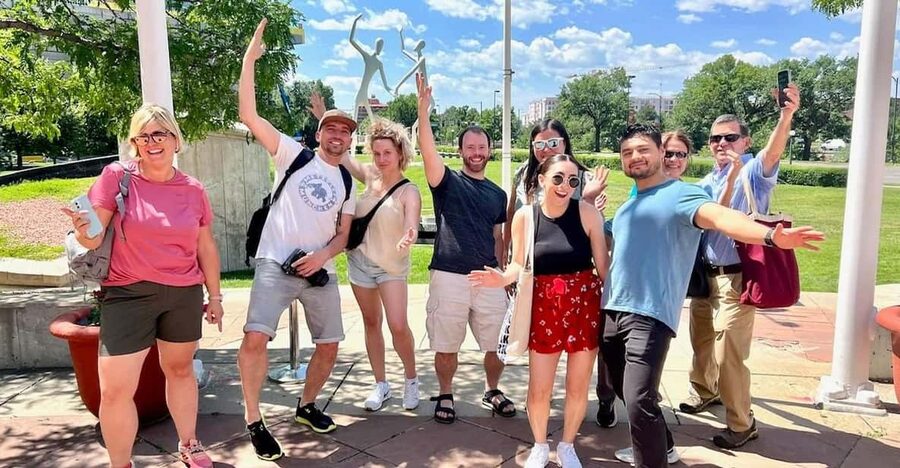
- Clocktower and downtown photo angles: you get classic landmarks plus real “pose-and-learn” moments.
- Dairy Block and the Denver Milk Market cold case stop: a history lesson with a real mystery thread.
- LoDo’s old Chinatown ground: you walk through Denver’s layers and see how neighborhoods shifted over time.
Entering Denver’s After-Dark Side (Without Losing the Landmarks)
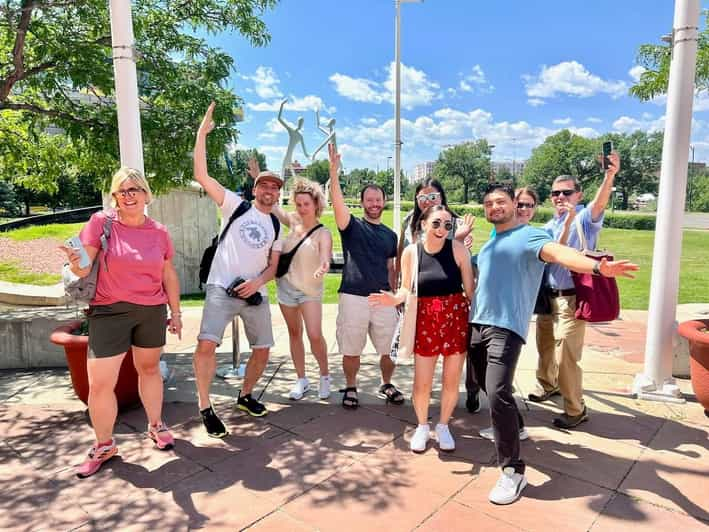
If you like Denver as a place with contradictions, you’ll get it fast. This is a 2-hour walking tour built around Denver’s darker past—women in the nightlife orbit, notorious gangs, criminals, and chilling murders—served with a guide who keeps the mood fun instead of grim. It’s still a classic sightseeing loop, just with the scary footnotes attached.
I also appreciate that the tour doesn’t force you into a long, exhausting trek. The route stays in a tight downtown radius, and you’ll find small moments to rest and regroup while the guide builds the story around what’s in front of you. That matters if you’re visiting from lower altitude and you want to keep your energy for the rest of your day.
This tour is ages 18+ only. If you want kid-friendly history, pick something else. If you’re comfortable with adult themes and you like your city stories a little more “what really went on here,” you’re in the right place.
You can also read our reviews of more tours and experiences in Denver.


Starting at Union Station: Architecture Meets Threats and Conspiracies
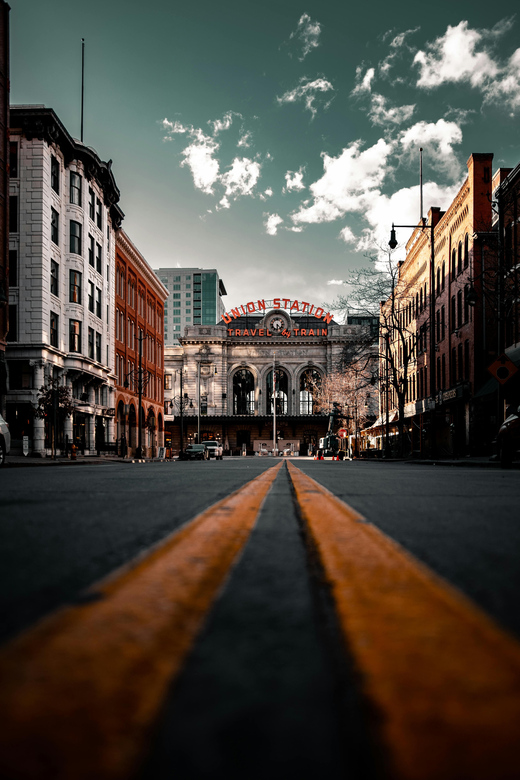
You begin at the flagpole in front of Union Station, on the west corner of 17th and Wynkoop. It’s a smart start: Union Station is one of Denver’s most recognizable pieces of architecture, so it gives the whole tour a dramatic “right here is where the story begins” feeling.
As you look around, the guide connects the building’s presence to the kinds of threats, conspiracies, and tense undercurrents that shaped the city. You don’t just hear dates and names—you also learn how to read the space. That’s the big value in starting at a landmark like this: it anchors the tour, so your brain has a reference point the whole time.
Practical tip: Union Station is busy when events are happening nearby, so arriving 10 minutes early helps you get oriented and avoid a rushed start. And since the tour runs rain, snow, or shine, keep your camera ready but your footing a priority near entrances and sidewalks.
LoDo and Larimer Square: Hidden Secrets on a Walking Loop
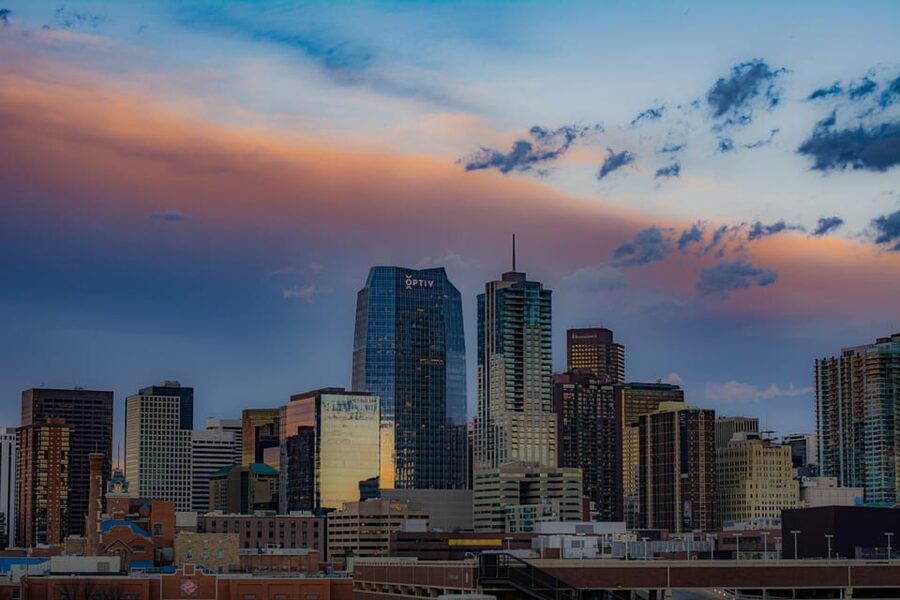
Once you’re loose in the neighborhood, the tour shifts to LoDo and the area around Larimer Square, where the stories lean into the “secrets people don’t talk about” vibe. Larimer Square is famous for its charm, but this is one of those moments where Denver’s prettiest streets still had rough edges.
What I like about this stop is how the guide treats it like more than a backdrop. You’ll learn what was happening in the area historically, and you’ll likely spot details you would have missed on your own—little visual cues that make the narrative feel grounded. Expect plenty of photo opportunities here too, because the buildings and streets give you lots of natural angles for Denver shots.
The tour also moves through the historic downtown grid with a steady pace. One of the best parts for me is that you’re walking the neighborhood at “story speed,” not “I’m trying to beat my next museum ticket” speed. You get time to ask questions, and the guide’s answers help you connect the dots between what you see and what you’re hearing.
Daniels & Fisher Clocktower: The Landmark Stop That Feels Like a Moment
The Daniels & Fisher Clocktower is the kind of landmark you’ve seen in photos, but the tour gives you a reason to look at it longer than a quick glance. This is where the guide shifts from street-level chaos to a more “Denver’s identity” view—how the city brands itself in the middle of all its harder chapters.
I like these “pause” moments because they break up the story pace. Even if you’re not the type who can remember every date, the clocktower is memorable, and it becomes a mental bookmark for everything you learned on the earlier stops.
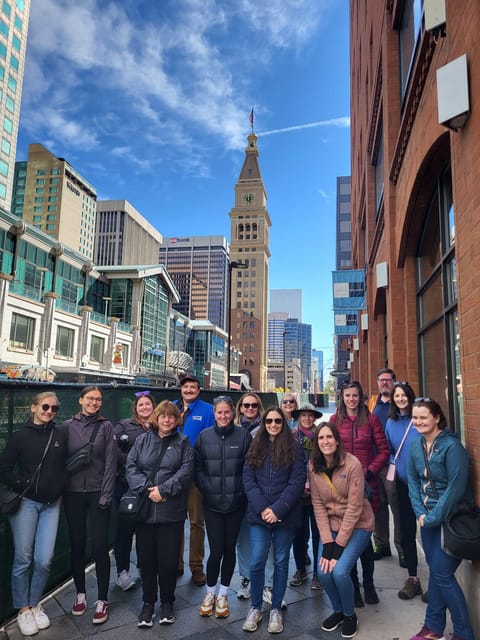
If you’re photographing, this is a good place to slow down. Adjust your angle, try for shots that include nearby architecture, and take one photo that shows the clocktower as part of the downtown block instead of isolated against the sky.
16th Street Mall Energy: Sightseeing Without the Random Walk
The tour weaves in the 16th Street Mall area as part of its big-city rhythm. This matters because it’s where many first-time visitors pass through quickly—usually without learning anything specific about the places they’re walking past.
Here, you’re not wandering randomly. The guide ties what’s around you to the overall story arc, so the mall isn’t just a corridor you stroll through—it becomes part of the lesson. It’s also a useful contrast stop: it helps you feel the divide between Denver’s polished public face and the more complicated reality underneath.
If you’re traveling with friends and you want to do one “shared activity” that feels like entertainment, this section usually works well. You get landmark time without losing the tour’s narrative thread.

Dairy Block and Denver Milk Market: A Cold Case Stop With Real Hook
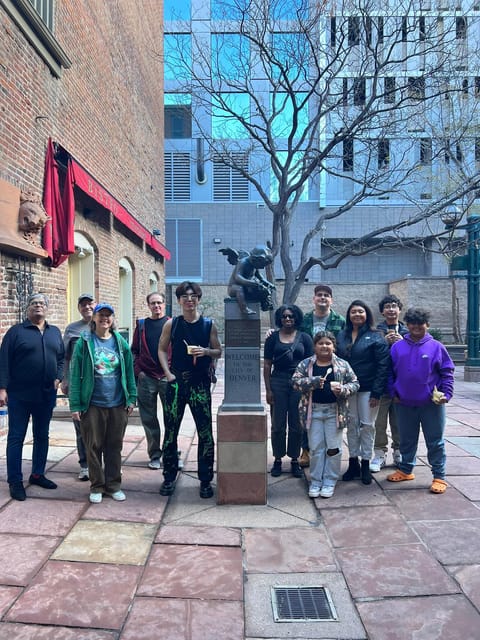
One of the most intriguing stops is the Dairy Block and the Denver Milk Market, where the guide connects the area to Denver’s oldest cold case. That alone makes this stop different from your average downtown walk. Instead of generic “old Denver” stories, you get a mystery thread that keeps the conversation moving.
This is where I’d expect a lot of people to perk up. Cold cases naturally pull your attention forward because they raise questions. You start listening for details the way you would if you were piecing together a puzzle—without the guide turning it into a scare-fest.
Photo-wise, this is also a good “present-day Denver” contrast. You’re walking through modern downtown energy while hearing about older events that changed lives. The best part is that the tour doesn’t ask you to choose between now and then—it stitches them together.
LoDo’s Old Chinatown Ground: When Neighborhood Layers Show Up
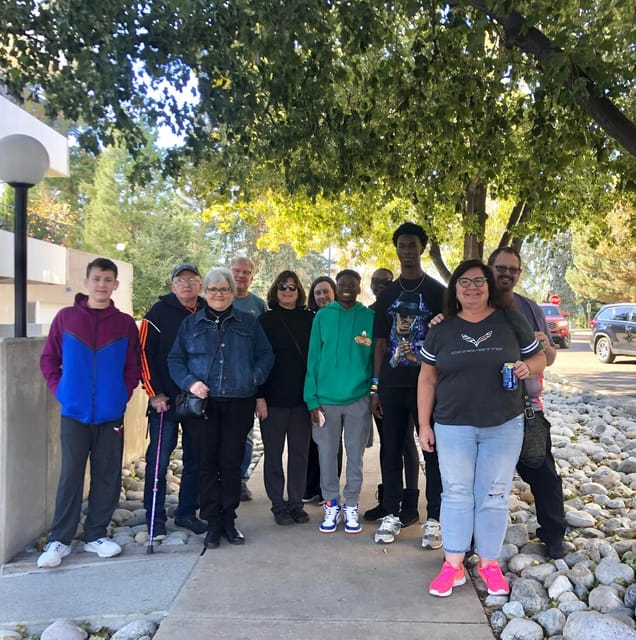
The tour’s LoDo component includes a moment that really changes how you see the city: the historic area where Denver’s old Chinatown once stood. Even if you don’t know the details ahead of time, you’ll come away with a stronger sense that Denver’s neighborhoods weren’t always the shape you see today.
This stop is valuable because it adds context to the rest of the tour. When you understand that a place was once something else, you hear the other stories differently—less like random crime headlines and more like human history unfolding in specific streets.
I also like that this isn’t just a quick mention. The guide connects the history to what’s around you now, so you leave thinking about how cities absorb change over time.
The Guides Make or Break It (And Here, They’re Really on It)
The best part of any walking tour is the person talking, and this one has a track record of strong guides. I saw multiple guide names associated with the experience—Sue, Max, and Anthony—and the through-line is clear: they’re not just reciting facts.
One guest highlighted Sue’s preparation with a binder full of photos tied to the people and places being discussed. That kind of visual support matters because it helps you picture people you can’t see today. Another guest described Max as engaging and friendly, with stories from Denver’s past that are fun enough to keep your attention while still carrying weight.
Anthony’s approach stood out too—enthusiastic Q&A energy and a sense of humor that keeps the subject matter from dragging. The tone across these examples adds up to something practical: you’ll likely understand more than you expected, and you’ll probably have follow-up questions by the end.
Also, you’ll get time to chat one-on-one and ask questions along the walk. That’s not just a “nice extra.” It’s how you get your personal interests answered—whether you’re focused on nightlife-era Denver, crime stories, or how downtown grew.
Timing, Pace, and What to Bring (So You Don’t Spend the Tour Thinking About Logistics)
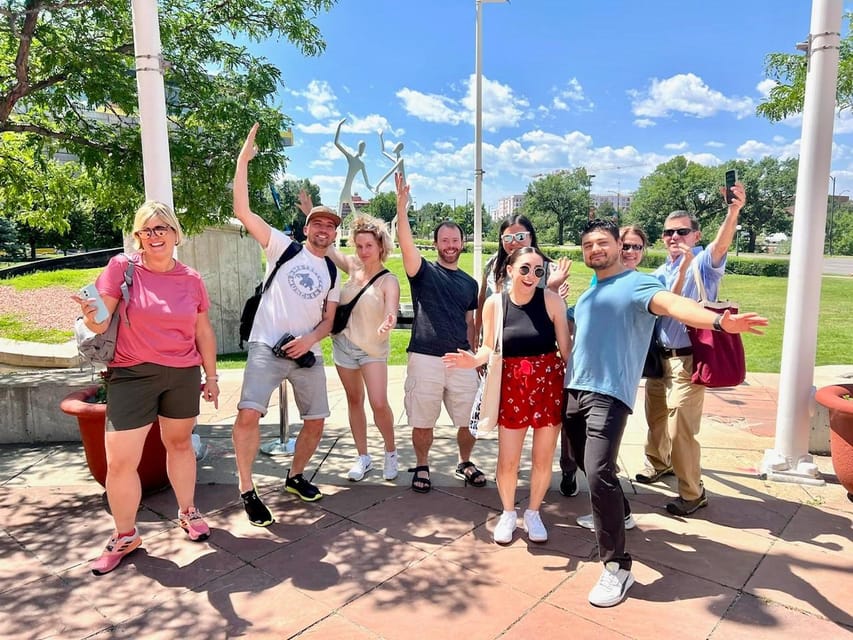
This tour is 2 hours, and it’s usually offered in the afternoon and evening. That’s a good timing choice because downtown visuals look great in softer light, and you still have plenty of time afterward for dinner and a second walk if you want.
Because it’s outdoors, you’ll want layers. Denver weather changes fast, and the tour runs rain, snow, or shine. Bring comfortable shoes first, then water and sunscreen so you’re not dealing with headaches or dehydration mid-story.
You’re also smart to bring a camera, since you’ll stop at major landmarks and you’ll want photo angles around Union Station, Larimer Square, the clocktower area, and the Dairy Block zone. If you like to snack while you walk, a drink or snack is optional, but the tour isn’t built like a food crawl.
One more practical rule that matters: there are no public restrooms along the route, so use facilities before you meet up.
What’s not allowed is straightforward:
- Intoxication, alcohol, and drugs are not permitted.
- Audio recording is not allowed.
If you’re hoping to record the whole thing on your phone, plan on just taking notes or photos.
Getting There: The Union Station Meeting Point That Actually Makes Sense
Meet at the flagpole in front of Union Station (west corner of 17th and Wynkoop). Tours start and depart on time, so arrive early enough to find your guide.
Your guide will be wearing a neon yellow Discover Denver Tours shirt. In less-than-ideal weather, the guide may also carry a small green Denver Walking Tours sign. That makes it easier to spot the leader quickly even if you’re bundled up and moving slower than usual.
And yes, tours operate during events around Union Station. That means the area may feel crowded, so give yourself extra time to get there calmly.
Price and Value: Why $34 Can Feel Like a Steal
At $34 per person, this tour sits in the “worth it for one memorable activity” zone. You’re paying for more than walking through downtown. You’re paying for someone to connect landmarks—Union Station, Larimer Square, the clocktower, the Milk Market area, and LoDo history—into a single story thread.
Two things make the value hold up:
1) It’s only 2 hours, so you’re not sinking half a day into an experience that might end up feeling repetitive.
2) You get both top sights and adult-only storytelling, which is rare in mainstream sightseeing packages.
If you’re visiting for a first Denver introduction, I’d treat this as your “city context” walk. If you’re already comfortable with downtown and want something different than museums and breweries, it also works as a focused change of pace.
If you hate crime stories or adult themes, it’s not the best match. But if you’re curious and you enjoy history with edge, the price-to-time ratio is strong.
Who This Tour Fits Best (And Who Might Want to Skip It)
This 18+ tour is best for adults who:
- Want a walking tour that stays on major Denver landmarks
- Like stories with crime history and darker themes
- Enjoy humor in the middle of heavy material
- Prefer an interactive guide with Q&A instead of a lecture format
It’s also ideal if you’re traveling with a friend or partner and you want an experience that feels different from a standard “top attractions” list.
It may not fit you if:
- You’re traveling with kids or anyone under 18
- You don’t want to hear about murders or cold cases
- You rely on audio recording for accessibility or personal preference (audio recording isn’t allowed)
On accessibility: the tour is wheelchair and stroller accessible, though in conditions with recent snowfall or ice, it can get harder, so use discretion and keep an eye on surfaces.
Should You Book This Denver Twisted History Tour?
I think this is a great booking choice if you want Denver in one bite—real downtown sights plus a sharper storyline. The guides’ energy and preparation (including the use of visuals like photo binders) make it easy to stay engaged, and the tight route helps you finish feeling like you learned something without feeling wrecked.
Book it if you’re the type who likes the story behind the buildings. Skip it if adult crime themes would put you off, or if you need a child-friendly outing.
If you want, tell me your travel dates and whether you’re visiting in the afternoon or evening, and I’ll suggest a smart plan for what to do before and after the 2-hour walk.
FAQ
How long is the Denver Twisted History Tour?
The tour lasts 2 hours.
What does the tour cost?
The price is $34 per person.
Is this tour adults-only?
Yes. The tour is for ages 18+ and is not suitable for children under 18.
Where do I meet the guide?
Meet at the flagpole in front of Union Station, located on the west corner of 17th and Wynkoop.
What should I bring with me?
Bring comfortable shoes, sunscreen, water, and a camera for photos. A drink or snack is optional.
Is the tour wheelchair accessible?
Yes, the tour is wheelchair and stroller accessible, though recent snowfall or ice can make things more difficult.
Can I cancel for a refund?
You can cancel up to 24 hours in advance for a full refund. You can also reserve now and pay later to keep plans flexible.