REVIEW · OLBIA
Journey Through Time – Discover Sardinia’s Ancient Treasures
Book on GetYourGuide →Operated by Ape Romantic Tour · Bookable on GetYourGuide
Olbia’s ancient layers come fast. This 2.5-hour archaeological tour strings together Nuragic sacred sites and Roman engineering in a way that’s easy to follow from stop to stop. I especially like the Tuk-Tuk or minivan style transport, which keeps the day moving without turning it into a long walking slog, and I like that you get a full audio system with multiple language options. One thing to plan for: there are some walks and steps, especially around the castle area, so good shoes matter.
You start at Molo Brin and cruise past viewpoints before getting into the monuments: granite church facades, Roman water infrastructure, and the prehistoric places where people treated water as something spiritual. If you want a history outing that feels practical instead of academic, this tour fits. Just don’t expect wheelchair-friendly routes, and do bring a jacket if the sea breeze cools things down.
In This Review
- Key highlights worth aiming for
- Olbia in 2.5 Hours: what this tour is really good at
- Where you meet (and why Molo Brin is a smart starting point)
- Getting around: Tuk-Tuk vs minivan, and what you should expect
- Basilica di San Simplicio: granite, Romanesque style, and layered construction
- Roman water infrastructure: aqueduct, cistern, and the Monte Cabu Abbas link
- Pozzo Sacro Sa Testa: a sacred well from the Nuragic period
- Tombs of the Giants: Su Mont’e e S’Abe and its 28-meter scale
- Castello di Pedres: a hilltop 14th-century stop with steps and views
- Scenic drives that actually help: Lungomare di Olbia and Parco Fausto Noce
- Price and duration: is $101.96 per person good value?
- Who should book this tour (and who should rethink it)
- Small rules that keep it smooth (so plan accordingly)
- Final call: should you book Journey Through Time in Olbia?
- FAQ
- How long is the tour?
- Where do I meet the driver?
- Is hotel pick-up included?
- What languages are available?
- What should I bring?
- Is the tour suitable for wheelchair users?
Key highlights worth aiming for
- Pozzo Sacro Sa Testa: a Nuragic sacred well where water was tied to ritual life
- Su Mont’e e S’Abe tombs: Giants’ Tombs with an impressive 28-meter scale
- Acquedotto Romano and the cistern: Roman water systems built for survival and growth
- Basilica di San Simplicio: a Romanesque granite basilica with construction phases from the 11th–12th centuries
- Castello di Pedres: a 14th-century hilltop castle with photo stops and a real view payoff
- Audio guide through a clear speaker system: Italian, English, French, German, and Spanish options
Olbia in 2.5 Hours: what this tour is really good at
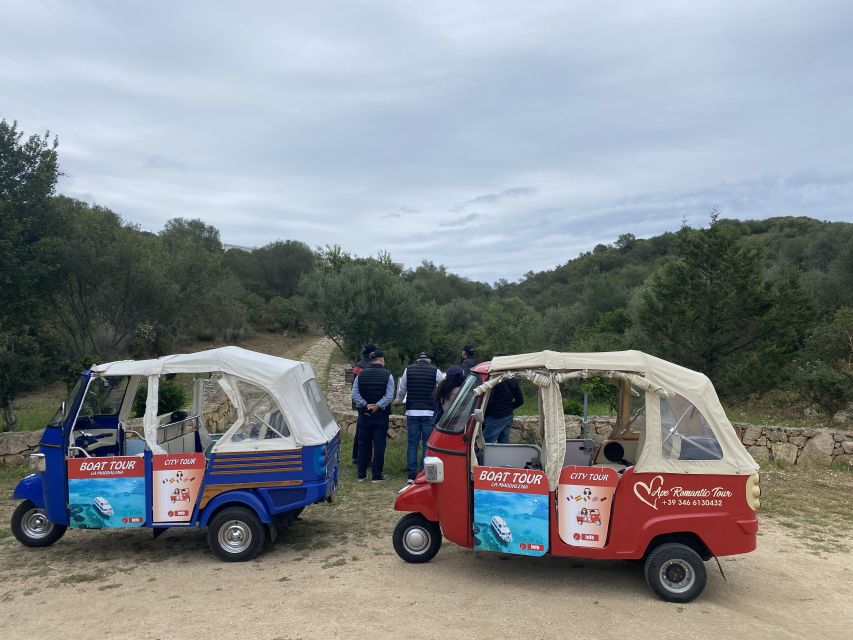
This tour is built for people who want the big story of Sardinia’s past without spending the day figuring out routes, parking, and timelines. In about 2.5 hours, you cover multiple eras: Nuragic sites, Roman infrastructure, and medieval fortification elements—plus scenic stretches around Olbia.
The format matters. Instead of jumping between distant places on your own, you roll up to each site, get context through the audio system, and then have a short window to look, walk a bit, and take photos.
You can also read our reviews of more tours and experiences in Olbia.
Where you meet (and why Molo Brin is a smart starting point)
You meet in the parking area at Molo Brin, right across from the carousel. The driver waits in front of the bus parking area, so it’s easy to spot the right vehicle without wandering around.
Starting here is practical because Olbia’s waterfront area is an obvious hub. If you’re arriving by public transport or you’re already spending time near the port, this beginning point keeps your day from getting complicated.
Getting around: Tuk-Tuk vs minivan, and what you should expect
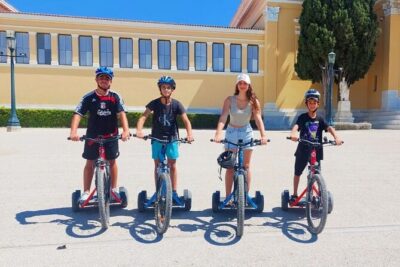
You travel in an eco-friendly Tuk-Tuk or minivan with a professional driver. That choice is more than a gimmick: it helps you see more in less time, and it keeps the tour comfortable even when some sites involve uneven ground.
There’s also a clear audio setup with speakers, so you don’t have to strain to hear a guide. Audio is offered in Italian, English, French, German, and Spanish, which is a huge help if your group includes different languages.
One more practical point: you’ll be boarding and getting off several times. Bring the kind of shoes you can stand in for short walks, and assume you may face small steps or curb height changes.
Basilica di San Simplicio: granite, Romanesque style, and layered construction
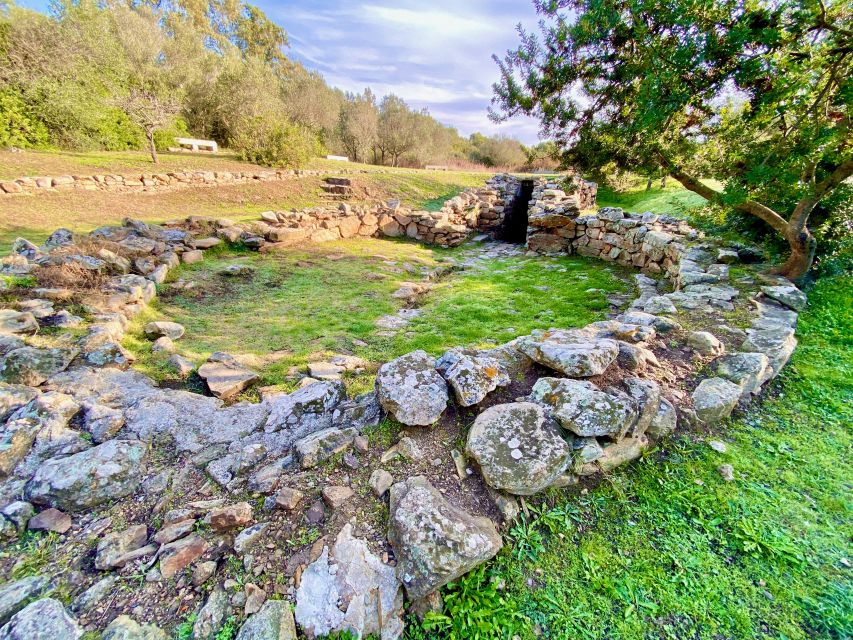
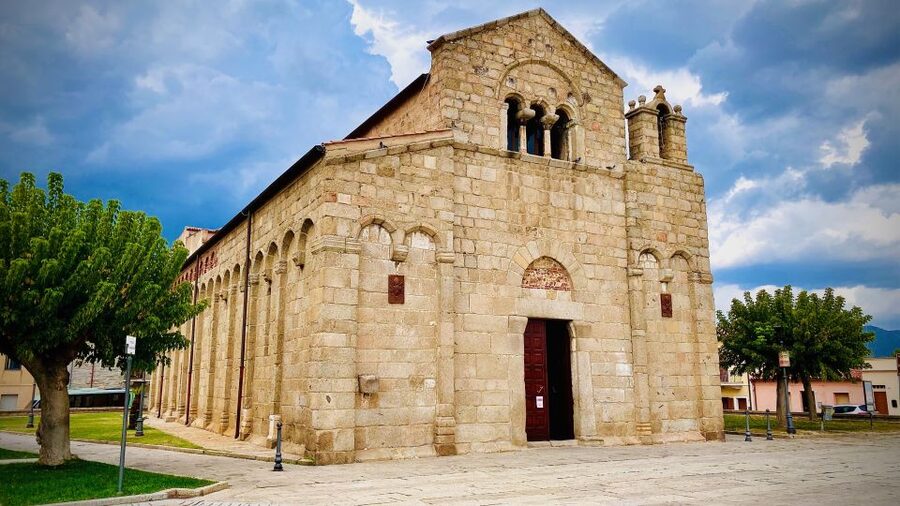
The tour’s final stretch includes the Basilica di San Simplicio, a standout Romanesque church built entirely in granite. What makes it interesting isn’t only the look—it’s that it spans three construction periods from the 11th to the 12th centuries.
When you arrive, expect a short stop that’s enough for photos and a careful look at the architecture details. If you want to slow down, focus on the granite texture and the way the building reads from different angles. Even in a brief visit, it’s one of the most visually distinctive stops in Olbia.
Small practical note: entrance to churches may require cardigans. Cardigans aren’t included, so bring something light you can throw on if needed.
Roman water infrastructure: aqueduct, cistern, and the Monte Cabu Abbas link
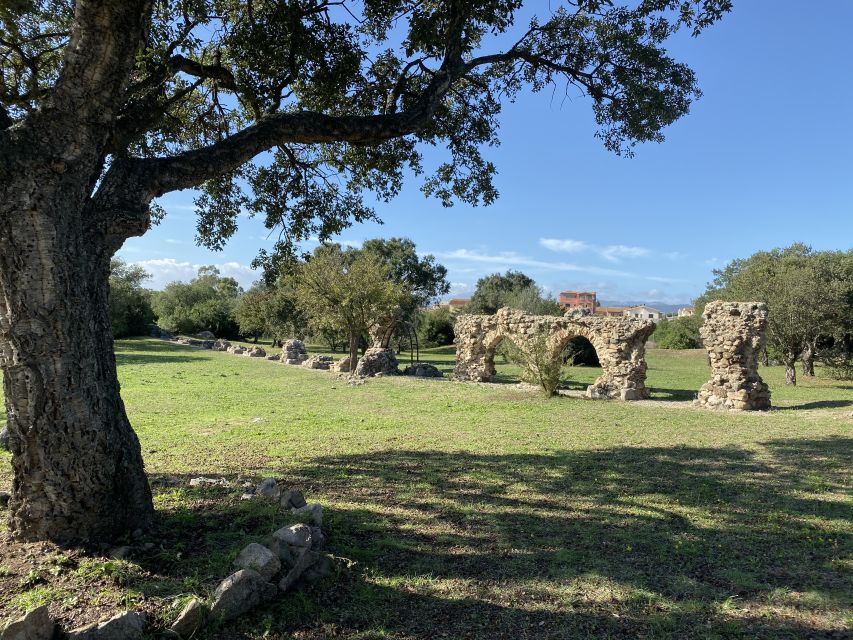
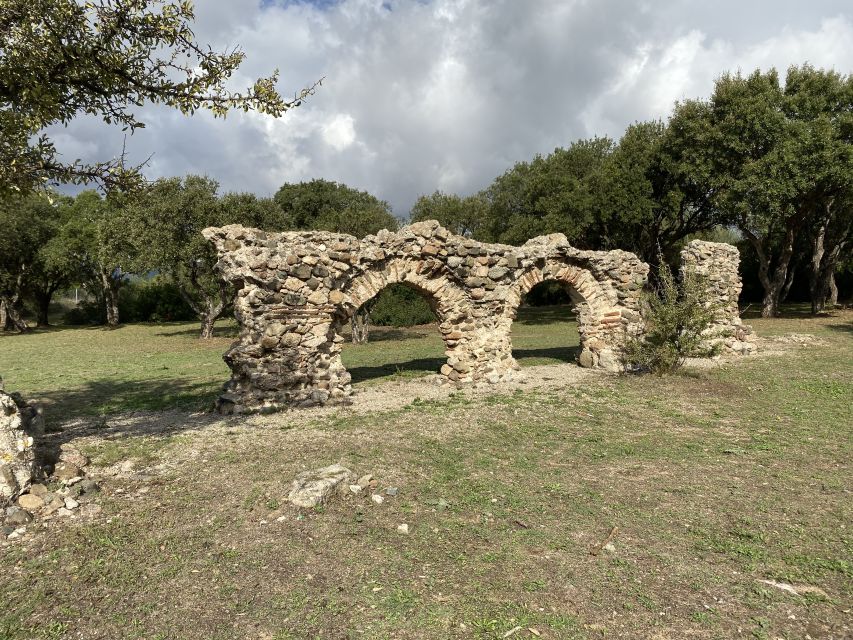
A strong part of this tour is the Roman engineering story. You visit the Acquedotto Romano, one of Olbia’s most significant Roman structures, designed to supply water from Monte Cabu Abbas to the city center.
Right near that, you’ll also see the Roman cistern used to store rainwater. This is the kind of stop that feels dry on paper, but in person it helps you understand how cities survived and expanded. Romans weren’t just building monuments; they were moving and managing water so daily life could keep going.
When you look at the aqueduct area, don’t only scan for “how big it is.” Try to imagine the practical route: water in, storage ready, and then reliable supply. That mindset makes the Roman remains feel much more relevant.
Pozzo Sacro Sa Testa: a sacred well from the Nuragic period
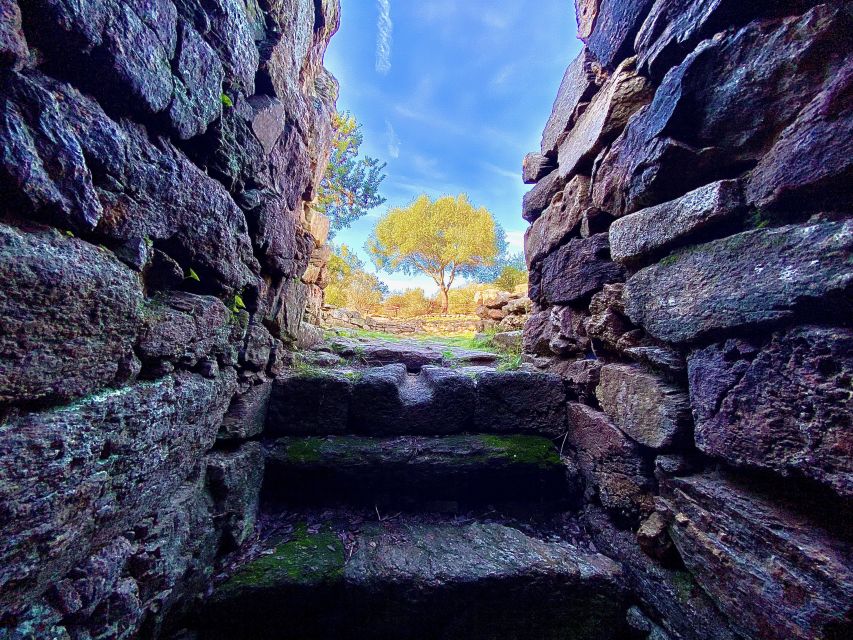
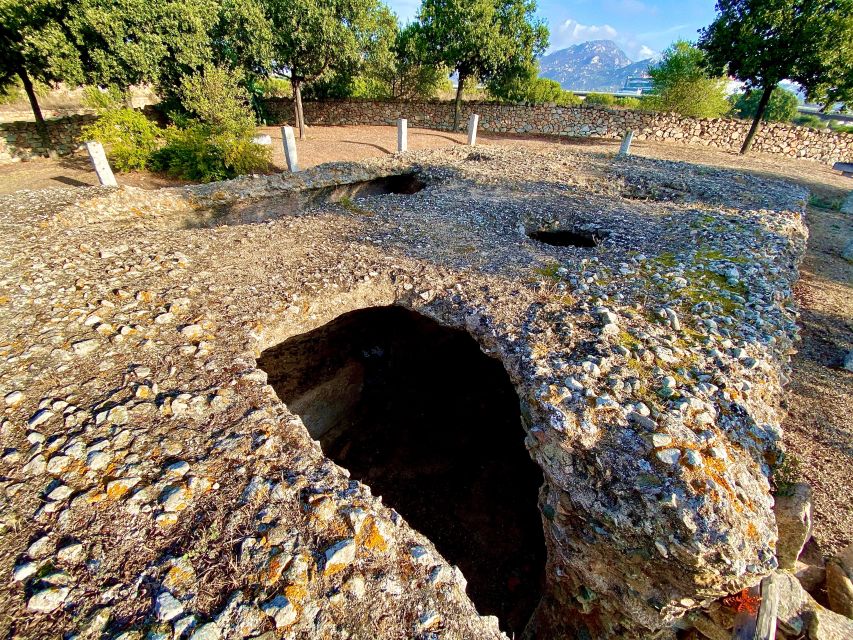
Next come the Nuragic sites, where you see a different relationship to the landscape—especially around water. The Sacred Well of Sa Testa dates back to the Nuragic period and served as a ritual place.
This stop works best when you treat it like more than an old structure. Instead of thinking only about what it looks like, think about why water would matter that much. On Sardinia, water isn’t guaranteed year-round, so making it spiritual and protected made sense.
You’ll have time for photos and a walk around the stop area. Since the visit window is short, keep your phone camera handy but also take 30 seconds to look without aiming—this helps you actually see the shape and scale.
Tombs of the Giants: Su Mont’e e S’Abe and its 28-meter scale
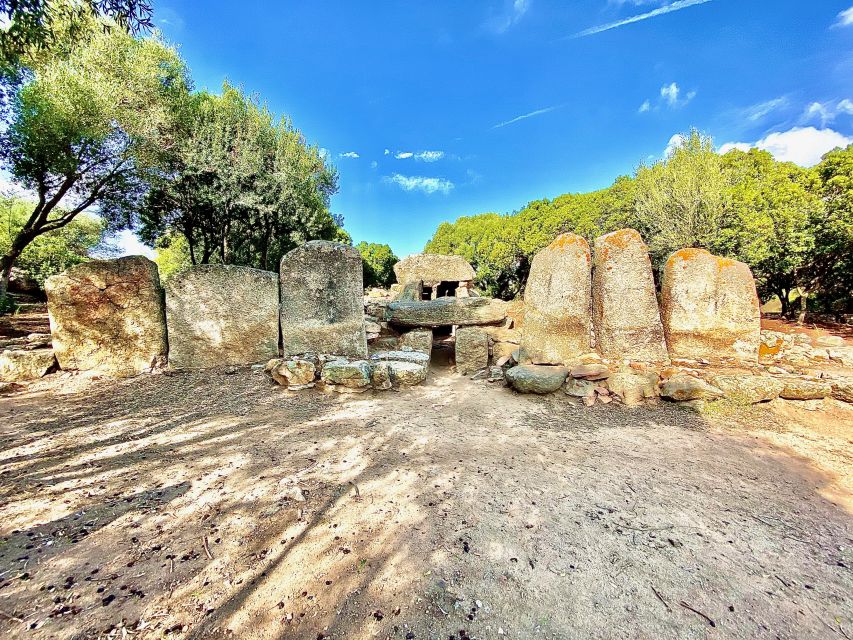
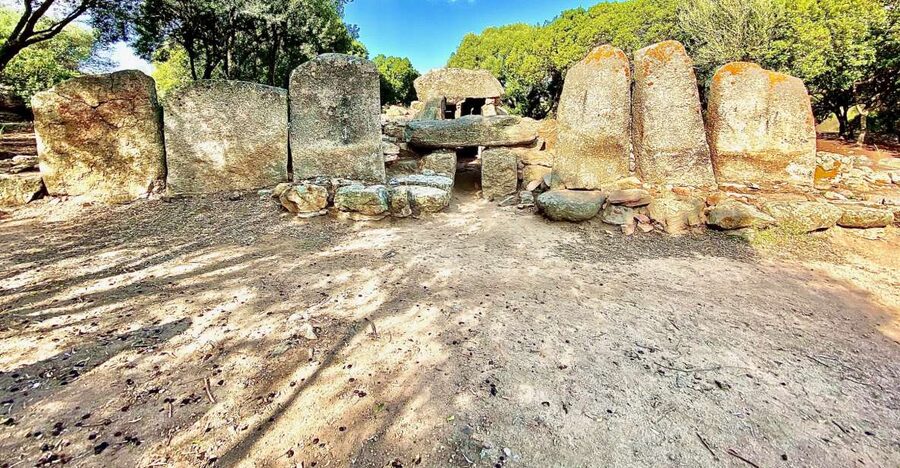
The Giants’ grave of Su Mont’e e S’Abe is the tour’s “whoa” moment for many people. These Tombs of the Giants are Nuragic burial sites, and this one measures an impressive 28 meters, making it the largest of its kind on the island.
Even with a relatively brief stop, you can still get a solid feel for what kind of communal, ritual effort went into construction. What to do during your time here: stand back first for the overall impression, then move closer for details where you can.
If you’re doing this tour alongside other Sardinia sites, remember that the Giants’ Tombs are about more than burial. They reflect a belief system and a shared identity, which is why they remain so striking across the island.
Castello di Pedres: a hilltop 14th-century stop with steps and views
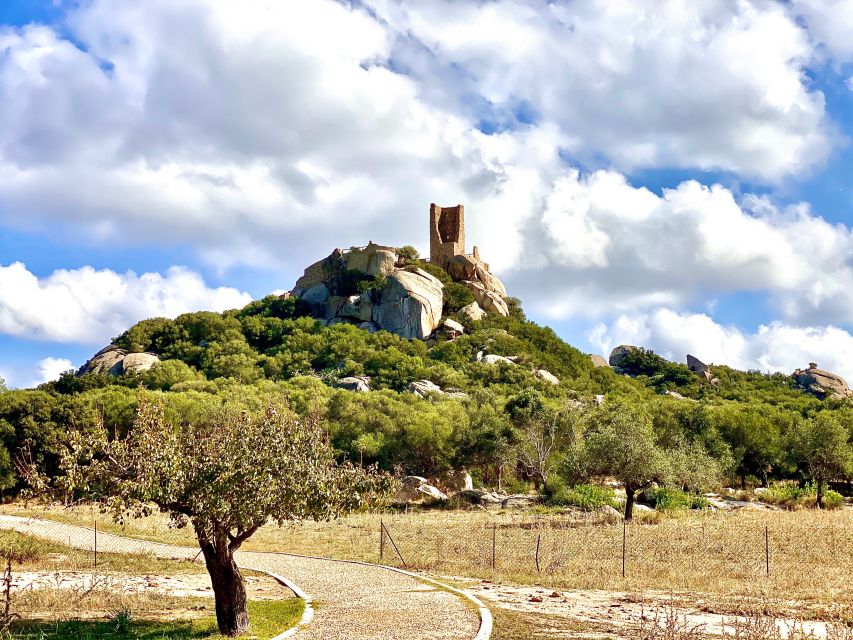
You get a medieval hit at Castello di Pedres, a 14th-century castle located on a rocky hill a few kilometers from Olbia. The stop includes a photo moment, time to visit, and a walk, with scenic views along the way.
Here’s the consideration: you may face steeper ground and small steps on the way. Some people need a heads-up that the terrain isn’t flat. If you’re traveling with mobility limits, plan extra time for moving carefully and hold the driver’s guidance in high regard.
The good news is that the driver focuses on practical problem-solving. If boarding or getting off needs a curb or a safer foothold, you’ll likely see creative help using nearby steps and curbs. Still, bring the best shoes you own.
Scenic drives that actually help: Lungomare di Olbia and Parco Fausto Noce
Not every tour stop is a monument, and that’s fine here. You have scenic drive time with viewpoints along Lungomare di Olbia and later around Parco Fausto Noce.
These stretches don’t add “new history” so much as they help you orient yourself in Olbia. You get a feel for the coastline area and the city’s layout, so the monuments later make more sense in context.
If you hate sitting in traffic, this part won’t fix everything. But it does break up the day so you’re not constantly in look-and-walk mode.
Price and duration: is $101.96 per person good value?
At $101.96 per person for about 2.5 hours, the value mostly comes from three things.
First, you’re paying for transportation that keeps the tour efficient: Tuk-Tuk or minivan with a professional driver. Second, you get the audio system with clear speakers and multi-language support, which saves you from needing separate guiding or apps. Third, the route covers several major sites across different time periods without you having to plan every connection.
If you’re only interested in one or two monuments, the price might feel high. But if you want a fast, organized cross-section of Nuragic, Roman, and medieval Olbia in one outing, it’s a strong deal for time.
Also: you can cancel up to 24 hours in advance for a full refund, and there’s a reserve and pay later option. Those flexible booking perks are worth something when sea weather or schedule changes happen.
Who should book this tour (and who should rethink it)
This tour is a great fit if you want multiple Sardinia eras covered in one morning or afternoon and you prefer an organized plan over solo navigation. It’s also a good option for groups with mixed language needs because the audio guide supports several languages.
It may not suit you as well if you’re traveling with accessibility needs. The tour isn’t suitable for wheelchair users, and the castle stop includes walking with potential uneven steps. If you’re unsure, ask yourself if you can handle short, careful steps for photos and brief site viewing.
Small rules that keep it smooth (so plan accordingly)
The tour rules are simple: no smoking in the vehicle, no food or drinks inside the vehicle, and no alcohol or drugs. You’ll also want to avoid being intoxicated, and keep noise to a minimum.
What that means for you: plan to eat before you go, or wait until after, and consider bringing only what you need for the short walks. Bottled water isn’t included, so if hydration matters to you, bring your own.
Final call: should you book Journey Through Time in Olbia?
If you want an easy way to see Nuragic sacred places plus Roman engineering plus a medieval hilltop castle, book it. This tour works because it’s paced: short site visits, fast travel between them, and audio context that keeps you from feeling lost.
Skip it (or at least think twice) if you need a fully level route or rely on wheelchair access. And if you’re sensitive to steps, bring your best shoes and dress for cool breezes with a jacket.
For most visitors who enjoy monuments but don’t want to spend the whole day logistics-fixing, this is one of the better ways to get the story of Olbia’s past in a single outing.
FAQ
How long is the tour?
The tour lasts about 2.5 hours. Starting times depend on availability.
Where do I meet the driver?
You meet at the parking area at Molo Brin in Olbia, directly across from the carousel. The driver waits in front of the bus parking area.
Is hotel pick-up included?
Hotel pick-up isn’t included. The organizer can arrange pick-up from areas in Olbia and around Olbia, but it must be confirmed and there’s an additional charge paid on-site.
What languages are available?
The driver is Italian, and the audio guide is available in Italian, English, French, German, and Spanish.
What should I bring?
Bring comfortable shoes and a jacket. Cardigans for entering churches are not included.
Is the tour suitable for wheelchair users?
No. The tour is listed as not suitable for wheelchair users.