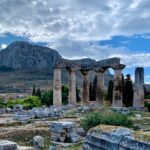
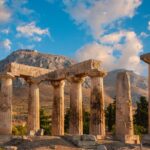
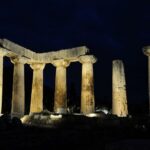
Athens can be a lot all at once, so this tour gives you a smarter path. You start with the big UNESCO names on the Acropolis, then shift gears to today’s Athens neighborhoods like Psiri and Plaka. The best part is how the guide connects the ancient monuments to what you actually see and do in the city now.
I love private pacing. You’re not squeezed into a rush-them-all group, and the guide can slow down when questions pop up. I also like the mix of sites plus snacks. You get ancient stops like the Ancient Agora, but you also taste Greek specialties around the central market area instead of treating food as an afterthought.
The main consideration is simple: you’re walking a lot in real city weather. You’ll want comfortable, sturdy shoes, and you should plan around heat, sun, and the fact that backpacks and big bags are not allowed at the Acropolis.
In This Review
- Key things to know before you go
- Private Athens in one day: ancient first, then real neighborhood life
- Price and logistics: what you’re paying for at $475.16 per person
- The walk starts at the Arch of Hadrian and climbs toward the Acropolis
- Acropolis highlights: Herodion, Erechtheion, and Propylaea without the guesswork
- Herod Atticus Odeon (Herodion)
- Erechtheion
- Propylaea
- A key note on tickets and entrance fees
- Parthenon time: making the biggest monument easier to read
- Ancient Agora: where Athens feels human again
- Psiri and Monastiraki: market streets, food tastings, and real Athens vibes
- Plaka Old Town: neoclassical streets with postcards you can actually stroll
- Temple of Athena Nike and the Syntagma finish
- What to expect from the guide (and how to choose your best fit)
- Should you book this Athens walking tour?
- FAQ
- Is this tour private or shared?
- How long is the Ancient and Contemporary Athens Walking Tour?
- Is hotel pickup included?
- Are entrance fees included for archaeological sites?
- What’s included in the tour price?
- Is lunch included?
- Where does the tour start and end?
- What should I wear and bring?
- What language is the tour offered in?
- Can I get a refund if my plans change?
Key things to know before you go
- Private, 6-hour walking plan that blends ancient monuments with modern neighborhoods
- Acropolis highlights with short photo breaks, including Herod Atticus Odeon, Erechtheion, and Propylaea
- Ancient Agora and market-area wandering, with food tastings built in
- Psiri, Monastiraki, and Plaka in the same day, so you get the full Athens feel
- Hotel pickup option if you’re within about a 10-minute walk of the start point
- Admission fees aren’t included, but the operator can help you prepurchase
Private Athens in one day: ancient first, then real neighborhood life
This is the kind of Athens tour that helps you “get” the city fast. You’re not just collecting landmarks. You’re moving from the Acropolis down into street-level Athens, then into areas where locals actually stroll, shop, and eat.
The route is built for a day that feels complete. You do the UNESCO-listed Acropolis area and its main structures, then you go to the Ancient Agora, and after that you switch to today’s Athens with Psiri, Monastiraki, and Plaka. That order matters: it’s easier to understand what you’re seeing when the day starts with the highest, most symbolic place in the city.
Another reason this works: the guides are clearly focused on connecting dots. In the feedback I saw, guides like Andreas, Sofia, Danae, Lina, Tania, and Nikos were praised for being patient and for explaining the cultural and philosophical meaning of Athens, not just the dates. You should come away with a more personal feeling for the city, not just a checklist.
You can also read our reviews of more tours and experiences in Athens.


Price and logistics: what you’re paying for at $475.16 per person
At $475.16 per person for a private tour, this isn’t the cheapest way to see Athens. The value comes from two things: private guidance and a tight, well-organized route that saves you decision-making time.
A group tour can cut costs, but it also means you’re usually stuck with the group’s speed and photo stops. Here, the private format gives your guide room to adjust. That can be especially helpful at the Acropolis, where crowds and heat can turn a simple walk into a stressful one if you’re doing it alone.
Logistics are also part of the deal. The tour includes hotel pickup and drop-off, but pickup depends on location. If your hotel is in central Athens and about a 10-minute walk from the starting point, the guide meets you there. If not, you arrange a convenient meeting point with the operator. Also note: transportation cost isn’t included if you need a vehicle, so you’ll want to plan based on where you’re staying.
Finally, this tour tends to get booked early (it’s often reserved about 298 days in advance). If your dates are fixed, don’t wait until the last minute.
The walk starts at the Arch of Hadrian and climbs toward the Acropolis
You begin near the Arch of Hadrian (Leof. Vasilisis Amalias 50). It’s a smart start point because it puts you near a key transition zone: city Rome-era references on the edge of the older sacred landscape. From there, the day becomes more about walking and sight-lines than about long rides.
You also end near Syntagma Square (Pl. Sintagmatos). That’s useful if you want to keep exploring after the tour, since Syntagma is a natural hub for getting around Athens.
Before you go, pack for movement. The tour is built as a walking experience. Plan for real distance and sun. Bring water, and wear light layers if you’re visiting in warm months. The tour guide pacing can help, but it won’t erase the fact that you’re on your feet for about 6 hours.
One more practical thing: backpacks and big bags aren’t allowed at the Acropolis. So if you’re the type who carries a small daypack with everything, you’ll want to rethink that for this tour. Keep it simple.
Acropolis highlights: Herodion, Erechtheion, and Propylaea without the guesswork
The Acropolis segment is where the tour earns its reputation. You’re not just standing and staring. You’re being guided through specific structures that make the whole complex easier to understand.
Herod Atticus Odeon (Herodion)
This is your early stop on the Acropolis timeline. The value here is interpretation: once you know what you’re looking at, an ancient theater space stops being generic. It becomes part of how Athens performed culture in public spaces.
Timing is short (about 10 minutes). That’s a good thing because you’re not stuck in one spot for an hour. You get enough time to frame what the structure is, then move on.




Erechtheion
Erechtheion gets attention for a reason, but the tour helps you see past the obvious. With a guide, you can connect its design and details to the religious and political stories Athens carried on the hill. You get another short stop (about 10 minutes), which is realistic for a walking route.
If you love architectural details, this is where it’s most helpful to have someone point out what matters so you don’t miss it while you’re trying to also take photos.
Propylaea
This stop rounds out your “gateway” understanding. Propylaea is the kind of sight that can blend into the background if you don’t have context. The tour format keeps it clear and moving, so you get a sense of transition: the approach, the entrance feeling, and what that suggests about the experience of going into sacred space.
A key note on tickets and entrance fees
The route lists admission tickets as free at multiple stops. But the tour also states that entrance fees to archaeological sites are not included, and the operator can prepurchase them for you. So treat this as a “plan for tickets” tour. If you qualify for free or reduced fees, bring a valid ID/passport, since eligibility usually depends on documents.
Parthenon time: making the biggest monument easier to read
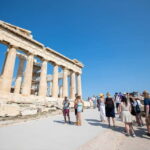
The Parthenon is your centerpiece stop (about 1 hour). In a good guided format, that hour isn’t just sitting in the glare. It’s time to understand what you’re seeing: why it’s positioned the way it is, how it relates to the rest of the Acropolis buildings, and what the monument meant beyond being impressive.
I like this kind of pacing on the Parthenon because it reduces the common problem: people rush in, take photos, and then leave with only the image in their phone. With a guide and an allotted chunk of time, you come away with a clearer mental picture of the complex and how its parts connect.
Heat is real on the Acropolis. Bring a hat if you’re sensitive to sun. In the feedback, people specifically noted wearing light, breathable clothing and carrying water. If you’re the one who wants to stop for air and shade, tell your guide early and they can plan the rhythm.
Ancient Agora: where Athens feels human again
After the Acropolis, the tour drops you into the Ancient Agora of Athens (about 1 hour). This stop changes the tone of the whole day. The Acropolis can feel like a museum of power. The Agora brings it back to everyday civic life.
Even if you’ve read about ancient Athens, the Agora is where “history as a place” starts to click. It’s not just one iconic building. It’s a space built for movement, discussion, and public activity. A guide helps you notice the kinds of areas that would have mattered to people who lived there.
One practical benefit: you get a full hour here, which gives you time to slow down and actually look, rather than just pass through on a tight self-guided route.
If you’re trying to pack a first-day Athens experience, this Agora time is the difference between seeing the city and feeling the city.
Psiri and Monastiraki: market streets, food tastings, and real Athens vibes
Once you leave the major ancient zones, you get a change of pace. You head to Psiri (about 30 minutes) and then to Monastiraki (about 10 minutes). These areas are close enough to stitch together in one day, but different enough that you feel the contrast.
Psiri is where the tour leans into today’s Athens. The plan includes food tastings, and this is one of the most enjoyable parts of the day because it’s not a separate lunch event. You snack as you walk, so you keep your energy up without losing your momentum.
Monastiraki is faster, but it’s still worth it. It’s a place where you can feel the city’s everyday rhythm. Even if you’re not shopping, the street life gives context for what you just learned: Athens wasn’t built for one era, and it never stopped being used.
Food note: since tastings are included, you don’t have to make a lunch decision under pressure. In the feedback I saw, people mentioned good snack and coffee moments and then classic Greek dishes like gyros as part of the food experience. Your exact tasting menu can vary, but the intent is consistent: you’ll eat Greek flavors in the areas you’re walking through.
Plaka Old Town: neoclassical streets with postcards you can actually stroll
Plaka is your long stop (about 1 hour). This is Athens at its most walkable and photo-friendly, with a mix of classic charm and tourist energy. The trick is to do it with understanding, not just sightseeing.
With a guide, you can connect what you’re seeing to the city’s layers. You’re not only walking through pretty streets. You’re moving through a district that grew its identity around the ancient core, and that relationship shows up in the architecture and the way the streets unfold.
In the most practical sense, this hour gives you breathing room. After earlier stops that can feel intense, Plaka offers space to wander slowly, pop into viewpoints, and reset.
If you’re visiting in warmer weather, Plaka can still get sunny. But it’s usually easier to find shade than on the hilltop sites. Use your hour well: take a slower pace, and save your biggest photo time for the moments your guide points out.
Temple of Athena Nike and the Syntagma finish
The Temple of Athena Nike is a short stop (about 10 minutes). It’s not the longest part of the day, but it matters because it brings another piece of the sacred story into your view, right near the end of your walking route.
From there, you finish at Syntagma Square. That ending is convenient because you’re not stuck far from transit or the rest of the day’s plans. If you want to see more, grab a meal, or do a museum visit, Syntagma is a logical base point to continue.
Also, the day’s structure helps here. You end near a busy modern center after spending hours moving through ancient spaces and neighborhood streets. It’s a clean rhythm: history up front, then life, then easy transportation connections.
What to expect from the guide (and how to choose your best fit)
This tour is led by an expert guide, and you’ll likely notice a guide’s style quickly. In the feedback I saw, people praised guides for being personable and patient, and for keeping things engaging even for families. Names like Andreas, Sofia, Danae, Lina, Tania, Nikos, Katerina, and Maroussa showed up in the stories, each with a slightly different focus.
If you like learning while walking, you’re in the right place. The tour is set up for explanation. It also tends to go beyond monuments, with discussion of what it meant to be an Athenian then and how that legacy echoes in the present.
If you prefer silent sightseeing or you get exhausted by talking, you might want to communicate your pace preference early. Private tours can adapt, but you still need to make sure your expectations match how your guide likes to teach.
This also fits best if you’re traveling with kids or teens who can handle an active day. In the feedback, guides were singled out for holding attention across ages.
Should you book this Athens walking tour?
Book it if you want a first-time Athens day that doesn’t stop at the Acropolis. The mix of UNESCO monuments, Ancient Agora time, and neighborhood wandering through Psiri, Monastiraki, and Plaka is the type of route that gives you a real sense of the city’s layers.
Skip or consider alternatives if you’re looking for a mostly relaxed stroll. This is a walking experience with about 6 hours on your feet, plus Acropolis restrictions around bags. Also, if you’re trying to keep costs low, private pricing at $475.16 per person may not feel worth it versus adding up individual tickets and using public transit.
FAQ
Is this tour private or shared?
It’s a private tour. Only your group participates.
How long is the Ancient and Contemporary Athens Walking Tour?
It runs about 6 hours (approx.).
Is hotel pickup included?
Yes, hotel pickup and drop-off are included. Pickup is offered if your hotel is in central Athens and about a 10-minute walk from the tour’s starting point.
Are entrance fees included for archaeological sites?
No. Entrance fees to archaeological sites are not included, but the operator can prepurchase them for you.
What’s included in the tour price?
The tour includes a private guide, food tastings, and pickup (when applicable). A mobile ticket is also offered.
Is lunch included?
No. Lunch is not included.
Where does the tour start and end?
It starts at the Arch of Hadrian area (Leof. Vasilisis Amalias 50) and ends at Syntagma Square (Pl. Sintagmatos).
What should I wear and bring?
Wear comfortable shoes and clothes. The tour also notes that backpacks and big bags are not allowed at the Acropolis.
What language is the tour offered in?
The tour is offered in English.
Can I get a refund if my plans change?
Free cancellation is available. You can cancel up to 24 hours in advance for a full refund.