REVIEW · KOLKATA
Kolkata: Guided Heritage Walking Tour
Book on GetYourGuide →Operated by 5 Senses Tours · Bookable on GetYourGuide
Kolkata hides a British storyline in plain sight. This walk threads you through Kolkata’s colonial landmarks with an expert guide, so you’re not just looking at famous buildings—you’re getting the why behind them. I especially liked the chance to see the Last Supper painting at St John’s Church and connect it to the era that shaped the city.
The other big win for me is how the route tackles the story of the East India Company and the people tied to the city’s origins. If you end up with a guide like Anirban, you’ll likely get the kind of clear, confident explanations that make the streets feel like a textbook you can actually walk through. It’s also a smart, compact format: you’re moving for about 2.5 to 3 hours without turning it into an all-day slog.
One caution: it’s still a walking tour, and you’ll be outside in Kolkata’s heat. Also, it isn’t suitable for people with mobility impairments, and the main stops like Writers’ Building and other government offices are working places, so you’ll mostly see them from the outside.
In This Review
- Key highlights worth circling on your map
- Why this 2.5 to 3 hour heritage walk fits Kolkata well
- Writers’ Building (1777): the East India Company meets the present
- Job Charnock’s mausoleum and the founder story that got questioned
- St John’s Church and the Last Supper painting (Sunday switch included)
- Governor’s House (1815): Neoclassical authority with Baroque edges
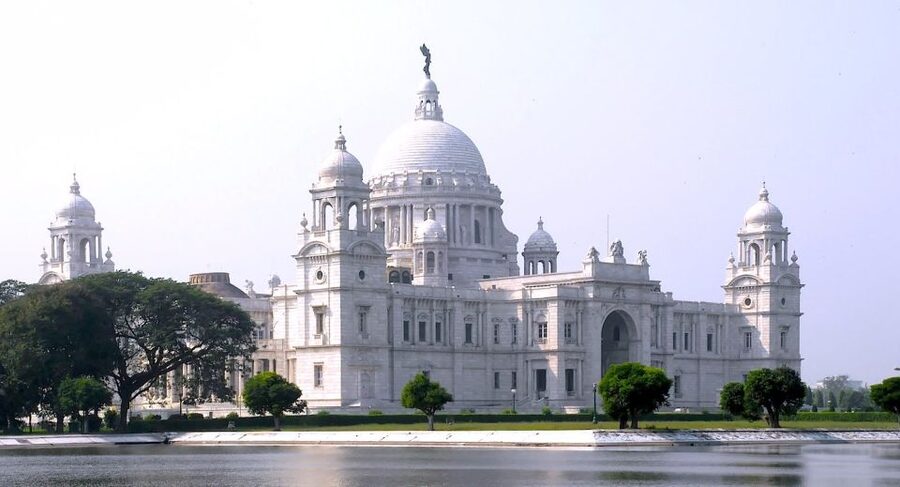
- Victoria Memorial: Victorian style in the middle of modern Kolkata
- Heat, pacing, and what to wear for the walk
- Meeting point and logistics that affect your first 10 minutes
- Price and value: $63 for an expert route through big names
- Who this tour suits best (and who should skip it)
- Should you book Kolkata: Guided Heritage Walking Tour?
- FAQ
- Where do I meet the guide for the Kolkata colonial walking tour?
- How long is the walking tour?
- Does the tour include hotel pickup and drop-off?
- What happens if I’m going on a Sunday?
- Is the Victoria Memorial Museum visit included on Fridays?
- Will I be able to go inside Writers’ Building, the Governor’s House, or other offices?
- What’s included in the tour price?
- Is the tour suitable for people with mobility impairments?
- Can I cancel and get a full refund?
- Who is the tour guide, and what language do they speak?
Key highlights worth circling on your map
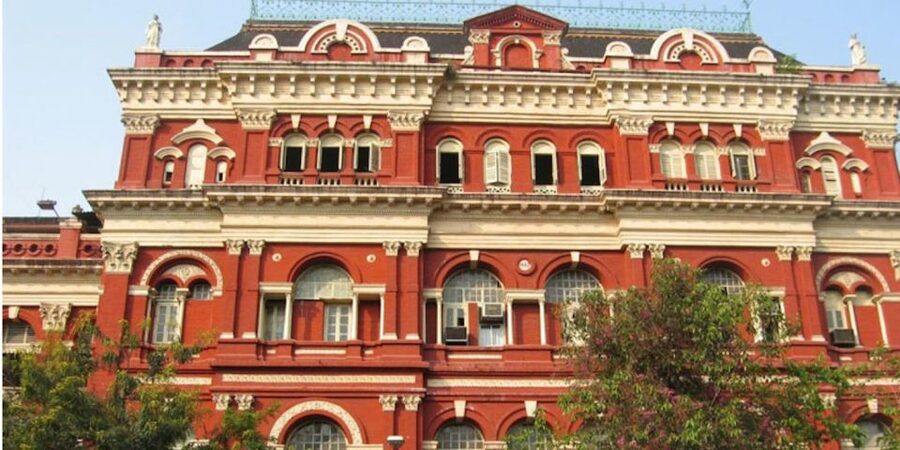
- Writer’s Building (1777) to the state offices today: Greco-Roman drama, with a live-government vibe even though you’ll mostly view it from outside.
- St John’s Church and the Last Supper painting: A standout moment, with a Sunday swap to St Paul’s Cathedral.
- Job Charnock’s mausoleum and the founder debate: You’ll hear how a High Court ruling has discredited him as the city’s founder.
- The Governor’s House (1815) in Neoclassical style: Power architecture with Baroque overtones, shown as a working office.
- Victoria Memorial as the Victorian finale: Marble grandeur right in the middle of modern Kolkata, with the museum closed on Fridays.
- Small-group energy plus options: Choose private or small-group, with optional hotel pickup/drop-off.
Why this 2.5 to 3 hour heritage walk fits Kolkata well
Kolkata’s colonial core is packed. If you try to DIY it, you’ll end up either sprinting between stops or staring at plaques that don’t tell you the full story. This tour keeps things practical: you start near Writers’ Building, you walk a tight circuit, and you finish at Victoria Memorial.
The time window matters because it lets you do two things that make a big difference on foot tours. First, you get enough context while you’re still close to the buildings. Second, you avoid burning your whole day in the open. At 2.5–3 hours, it’s also easy to pair with another activity after—shopping, street food, or simply wandering the lanes near the river area.
The value also comes from what you’re paying for beyond sights. You’re buying a guide who can explain the shifts from East India Company administration to the British Crown era, and then connect those changes to what you see in architecture and street layout.
You can also read our reviews of more tours and experiences in Kolkata.

Writers’ Building (1777): the East India Company meets the present
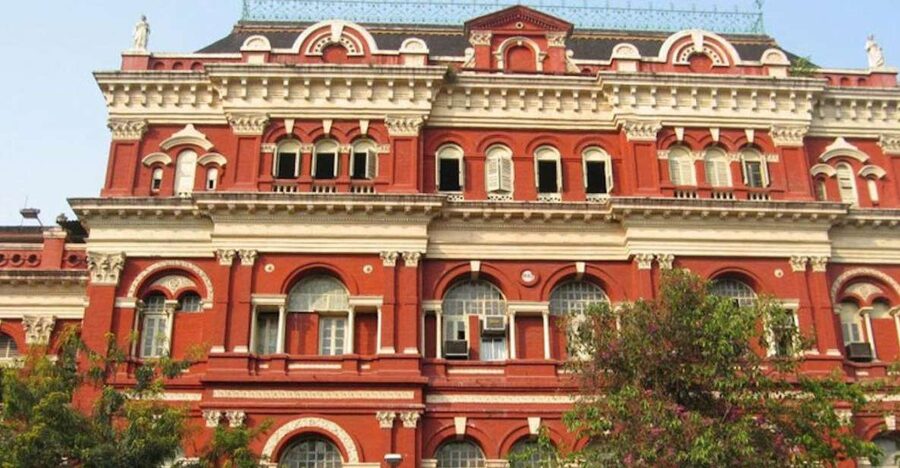
Your tour starts outside Writers’ Building, a structure from 1777 that originally served as part of the lower bureaucracy of the East India Company. Today it’s the seat of the West Bengal state government, so it’s not a staged museum set—it’s a working place.
What I like about this stop is that it sets the tone immediately. The building’s Greco-Roman style isn’t just decoration. It’s a signal of how colonial administration wanted to look: ordered, official, and permanent. Even if you only see it from the outside, the sheer presence helps you understand why this area became the center of power.
Practical note: because it’s active government space, don’t expect interior access. Your experience here is about orientation. By the time you leave, you should feel like you’ve anchored the rest of the walk in a real historical power map.
Job Charnock’s mausoleum and the founder story that got questioned
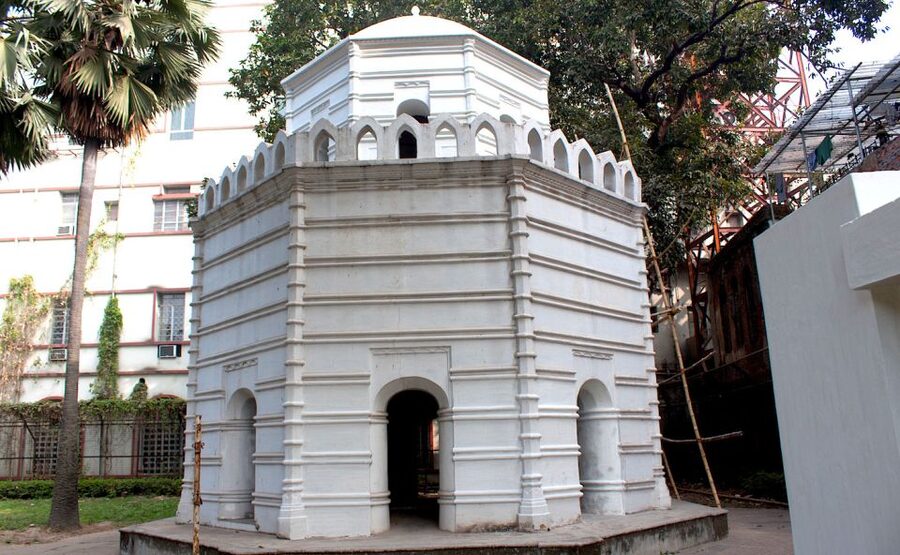
Next comes the Mausoleum of Job Charnock. The tour explains that he bought the villages of Sutanuti, Gobindapur, and Kalikata in 1690, and that the region later developed into the capital of the East India Company. That’s the traditional story, and the mausoleum is where the legend becomes physical.
Then the guide adds the part that makes this stop feel honest: a more recent High Court ruling has discredited him as the founder of the city. Learning that matters because it trains your brain to treat monuments as clues, not guaranteed facts. The site can still be historically important for how the story was told, even if the founder narrative is debated.
If you like a tour that doesn’t pretend everything is settled, this is one of the best moments. The grounds also tend to be calmer than the surrounding streets, so you get a short breather before heading to the churches.
St John’s Church and the Last Supper painting (Sunday switch included)
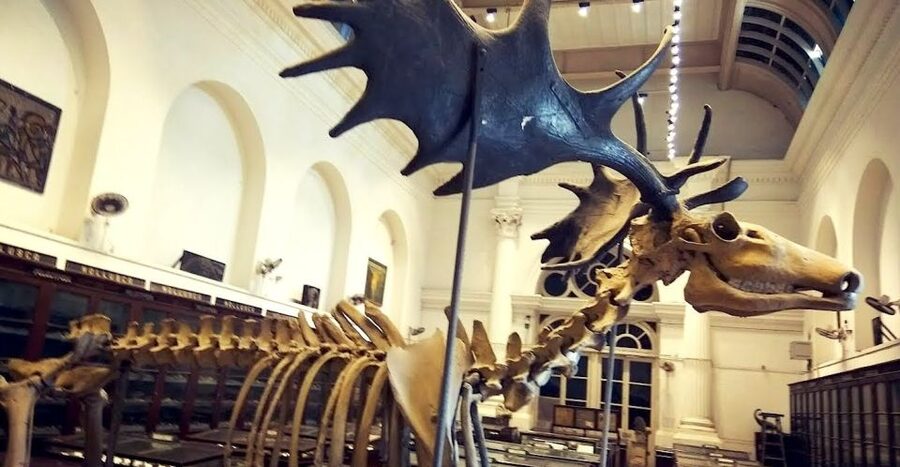
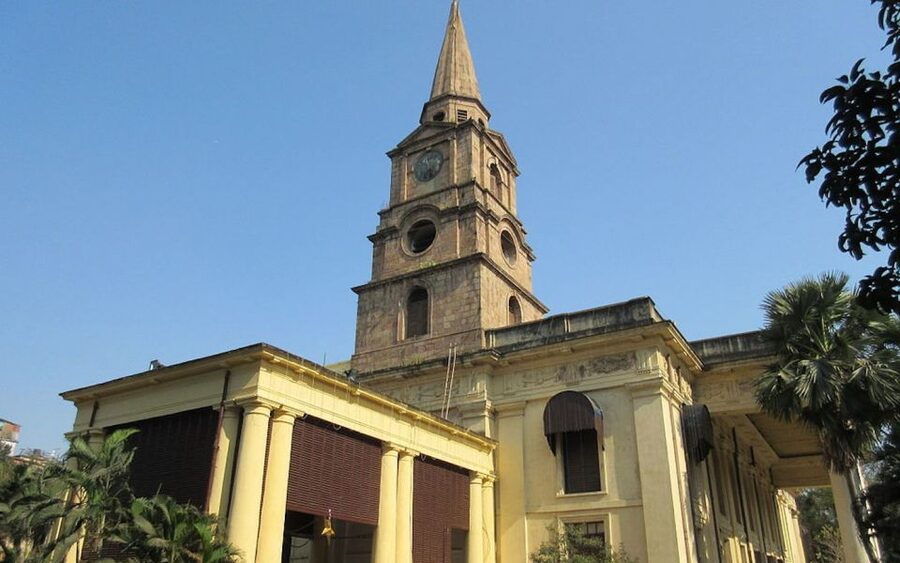
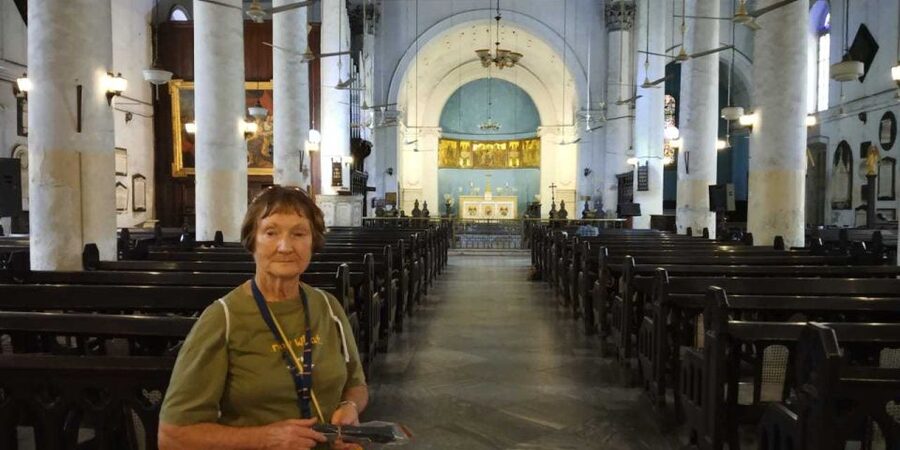
St John’s Church is one of those places where you can feel the era in the stone. Built in 1787, it became the principal cathedral of the region in 1815, and the big visual moment is a Last Supper painting on its walls.
This is the kind of detail that makes a guided walk worth it. Without a guide, you might notice the church as a landmark. With one, you understand why it mattered to the British-era religious and civic landscape.
One key detail you need to plan around: St John’s Church is closed on Sundays. On those days, the tour will see St Paul’s Cathedral instead. So if you’re visiting on a Sunday, treat this as a swap, not a loss.
Also, a quick pacing note. Churches are calmer, but you’ll still be in walking mode overall, and Kolkata heat can sneak up on you even during short transfers. Bring sunglasses, take shade when it’s offered, and don’t save all your photos for the last minute.
Governor’s House (1815): Neoclassical authority with Baroque edges
The route continues to the Governor’s House, built for the Marquess of Wellesley in 1815. The architecture is described as Neoclassical with distinct Baroque overtones—exactly the kind of mix that screams colonial influence and official messaging.
What you’re really learning here is how the British Crown gained rule over India during the colonial era. The guide uses the building to explain the shift in power structure—who governed, how authority looked, and how that authority wanted to be remembered.
Again, expectations matter: it’s a working office. You’ll see the building from outside, but that’s not a weakness here. For architecture-heavy stops, an exterior view often teaches you more than an interior tour anyway. You get to study the massing, proportions, and the way the building relates to the street and other landmarks around it.
If you enjoy noticing contrasts—clean classical lines paired with more dramatic overtones—this is a good one to savor with slow steps.

Victoria Memorial: Victorian style in the middle of modern Kolkata
Finally, you reach the tour’s end point: Victoria Memorial. This is the Victorian finale you’ve been walking toward—marble architecture set amid the energy of modern Kolkata.
This stop is great for two reasons. First, the building is visually loud in the best way: it’s hard to miss, and it gives you a strong sense of the British-era mindset. Second, it creates a contrast with everything you just saw. You’ve moved through administrative spaces and religious sites; now you arrive at a monument-like expression of empire.
There’s also a practical catch. The Victoria Memorial Museum is closed on Fridays. That means you might get the exterior experience and the general site atmosphere, but don’t count on museum access on Friday. Plan your schedule around it if a museum visit is a priority.
At the end, the tour terminates at Victoria Memorial. If you chose the hotel transfer option, you’ll be dropped at your hotel. If you chose the meeting point option, you can ask the guide for help finding local transport or booking a taxi.
Heat, pacing, and what to wear for the walk
This is a short tour, but it’s still a walk in an active city. One review-style caution that’s worth taking seriously is discomfort from heat. Kolkata can feel intense, especially if you’re moving under open sky stretches.
My practical advice:
- Wear breathable layers and shoes you trust for uneven sidewalks.
- Carry water even though light refreshments are included. Think of the refreshments as a bonus, not a full hydration plan.
- Start the day with a little energy. If you arrive drained, the tour’s tight timing can feel less fun.
Also, because some buildings are working offices, you’ll spend parts of the walk outside waiting your turn at each landmark. Shade timing becomes your secret weapon. If the sun is harsh, let your guide’s schedule guide you rather than forcing long photo stops at the wrong time.
Meeting point and logistics that affect your first 10 minutes
You meet your guide outside the entrance of Writers’ Building. It’s described as easy to reach by Uber or local taxi, which is helpful if you don’t want to figure out public transport on your first day in the city.
Here’s the real-world tip: try to arrive a bit early. If you’re running tight on time and the guide needs a quick adjustment to where you gather, it can throw off your start. The good news is the tour itself is structured around well-known landmarks, so once you’re moving, things usually click into place quickly.
Price and value: $63 for an expert route through big names
At $63 per person for a 2.5–3 hour guided walk, you’re paying for three things: time efficiency, guided interpretation, and practical inclusion of basics. The tour includes a professional guide, entrance fees, and light refreshments.
Is it the cheapest option in Kolkata? Probably not. But it’s also not trying to be a bargain-basement walking circuit. The value is strongest if you want a coherent story that links:
- East India Company administration (Writers’ Building),
- contested founder narratives (Job Charnock),
- colonial-era religion and art (St John’s Last Supper painting),
- imperial governance symbolism (Governor’s House),
- and the big Victorian monument finish (Victoria Memorial).
If you’re the type who likes to understand what you’re seeing—rather than only collecting photos—this price starts to make sense fast.
Who this tour suits best (and who should skip it)
This is ideal for you if you want a focused colonial heritage overview without spending days piecing it together. It’s also a great fit if you like architecture plus context: Greco-Roman government style, church art, and British administrative symbolism.
It’s also a good choice for group dynamics. You can book private or small groups, or choose a shared option to meet other travelers. (A one-on-one style guide can be especially useful for asking questions mid-walk.)
Skip it if:
- you have mobility limitations, since it’s not suitable for people with mobility impairments,
- or you need a very flexible pace, since it’s a tight 2.5–3 hour circuit ending at Victoria Memorial.
Should you book Kolkata: Guided Heritage Walking Tour?
Book it if you want a short, meaningful colonial circuit that ends at one of Kolkata’s most recognizable sights. The standout reason to choose it is the mix of locations plus interpretation—especially the Last Supper painting stop and the inclusion of the Job Charnock founder debate.
Consider skipping or choosing another format if you’re sensitive to heat or need an accessible route. Also double-check your day: St John’s Church closes on Sundays, and the Victoria Memorial Museum is closed on Fridays, which can affect what you can see in detail.
If your goal is a guided, story-driven walk through Kolkata’s British-era core, this one is a strong bet for the time you spend.
FAQ
Where do I meet the guide for the Kolkata colonial walking tour?
You meet your guide outside the entrance of Writers’ Building. It’s described as easy to access by Uber or local taxi.
How long is the walking tour?
The tour runs about 2.5 to 3 hours.
Does the tour include hotel pickup and drop-off?
Hotel pickup and drop-off are included if you select the hotel transfer option. If you choose the meeting point option, the tour ends at Victoria Memorial and you’ll need your own transport.
What happens if I’m going on a Sunday?
St John’s Church is closed on Sundays. On Sundays, the tour will see St Paul’s Cathedral instead.
Is the Victoria Memorial Museum visit included on Fridays?
The Victoria Memorial Museum is closed on Fridays, so you won’t be able to visit the museum on those days.
Will I be able to go inside Writers’ Building, the Governor’s House, or other offices?
You’ll see working offices from outside, since the tour notes that these are active government workplaces.
What’s included in the tour price?
Entrance fees and light refreshments are included, along with a professional English-speaking guide.
Is the tour suitable for people with mobility impairments?
No. The tour is not suitable for people with mobility impairments.
Can I cancel and get a full refund?
Yes. You can cancel up to 24 hours in advance for a full refund.
Who is the tour guide, and what language do they speak?
The tour includes a live guide who speaks English.