REVIEW · SELCUK
Kusadasi: Ephesus Ancient City, Ceramic Workshop & Shopping
Book on GetYourGuide →Operated by Moira Travel Agency · Bookable on GetYourGuide
Ephesus wears well in the Turkish sun. This Kusadasi tour pairs a guided walk through the UNESCO ruins with hands-on craft stops for ceramics, carpets, and leather, all in about 4.5 hours. It’s a very efficient day that works best when you like seeing both monuments and how souvenirs get made.
I love two things right away: the way guide Memet brings Ephesus to life with fun, practical facts at the main ruins, and the fact that you watch artisans at work in the ceramic stop instead of just getting dropped into a shop. The catch is real: the shopping segments can feel like hard selling, especially if you’re not in a buying mood, so go in with a firm budget and the confidence to say no and negotiate.
In This Review
- Key highlights you’ll care about
- How a 4.5-Hour Kusadasi-to-Ephesus Day Really Works
- Entering Ephesus: From the Old Theater to Celsus Library
- Ceramic Workshop: Watching Artisans Work (and Buying the Real Stuff)
- Carpet Shop and the Hand-Weaving Lesson
- Leather Shop Shopping Without Getting Steamrolled
- Free Time for Shopping: Handmade Jewelry and Local Products
- Price and Value: Is $16 Worth It When Entrance Fees Cost Extra?
- Heat, Walking, and the Small-Group Factor
- Who Should Book This Tour—and Who Should Skip
- Should You Book Kusadasi: Ephesus Ancient City with Craft Stops?
- FAQ
- How long is the tour?
- How much does the tour cost?
- What’s included in the price?
- Are meals included?
- Are entrance fees to Ephesus included?
- Does the tour include a skip-the-line ticket option?
- Is there a live guide, and what language do they speak?
- Can I cancel or book without paying right away?
- Is this tour wheelchair accessible?
- What should I bring, and what’s not allowed?
Key highlights you’ll care about
- Two-hours on the Ephesus ruins with a live English guide, plus time to breathe
- Ceramic workshop where you see artisans working and can buy handmade pieces
- Carpet shop built around hand-weaving and pattern talk (custom or ready-made options)
- Leather shop with browse time for jackets, bags, wallets, and more
- Free shopping time after the main stops, with plenty of souvenir variety
How a 4.5-Hour Kusadasi-to-Ephesus Day Really Works
This tour is designed for cruise-port time: meet up at the Kusadasi Cruise Pier, then head out by van to Ephesus. You’ll get a live guide in English and a full plan that mixes walking sightseeing with three craft-and-shopping stops. It’s not a long, slow “campground style” tour. It’s more like: arrive, see the big sights, visit the workshops, then shop if you want to.
You spend the heart of the day at Ephesus itself. Expect guided sightseeing and walking there—about 2 hours on the ruins—so comfortable shoes are not optional. You’ll also get break time, which matters because the sun can be intense, and Memet (when he’s the guide) is the kind of person who keeps an eye on time and comfort levels.
Then the tour pivots into the craft world: ceramic workshop, carpet shop, and leather shop. You’ll have chances to browse and buy, plus additional free time for shopping across the local stalls and shops. If you’re someone who likes souvenirs but hates sales pressure, you can still do this tour—you just need a strategy (more on that below).
One more detail that affects your day: Ephesus entrance fees are not included, even though the tour says it skips the ticket line. In plain terms, you’ll likely still be paying an entry cost separately. It’s worth checking the total you’ll spend so the $16 headline price stays accurate for your wallet.
You can also read our reviews of more tours and experiences in Selcuk.

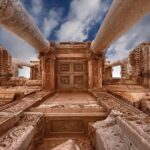
Entering Ephesus: From the Old Theater to Celsus Library
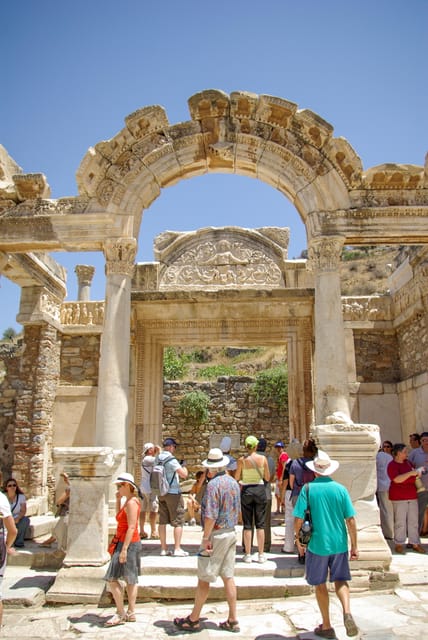
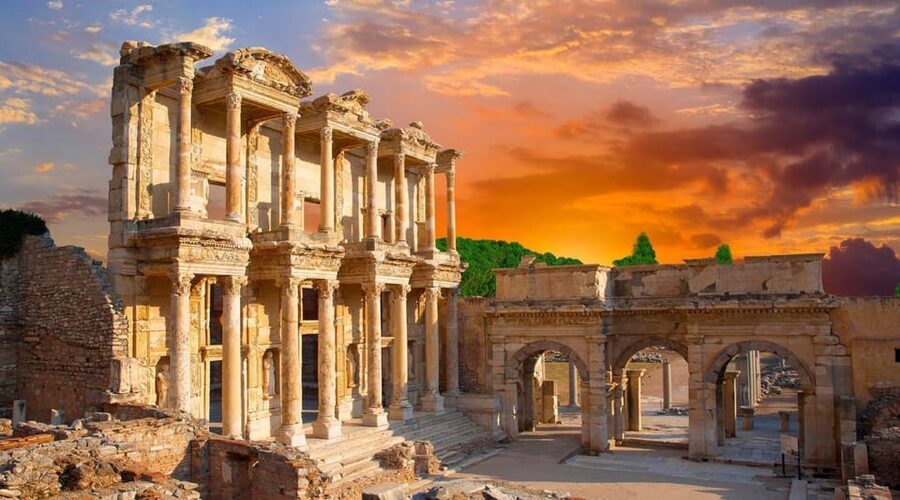
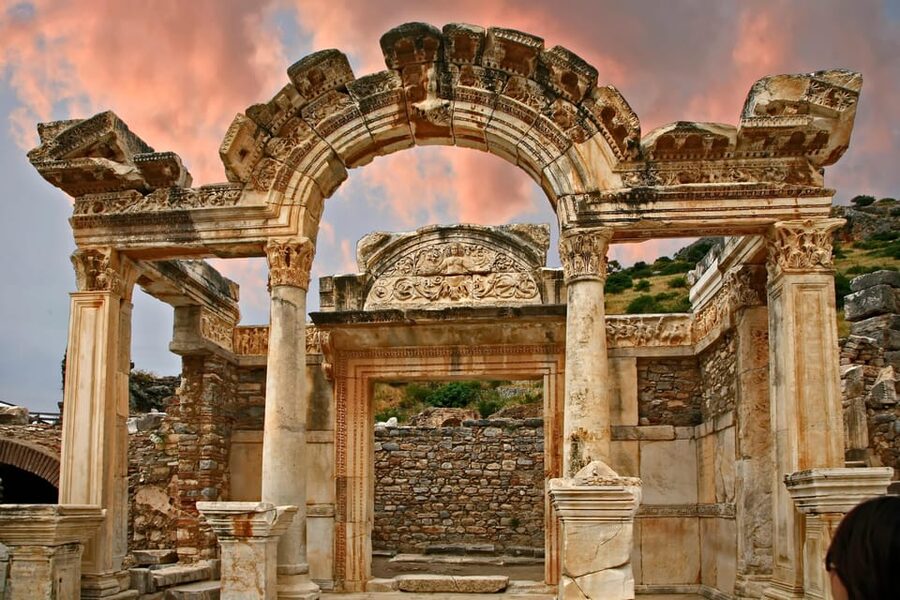
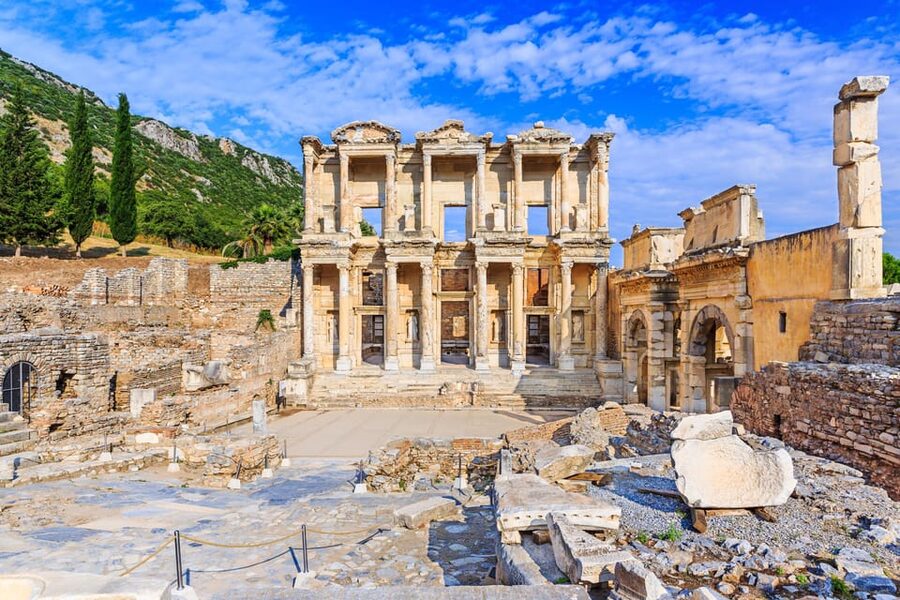
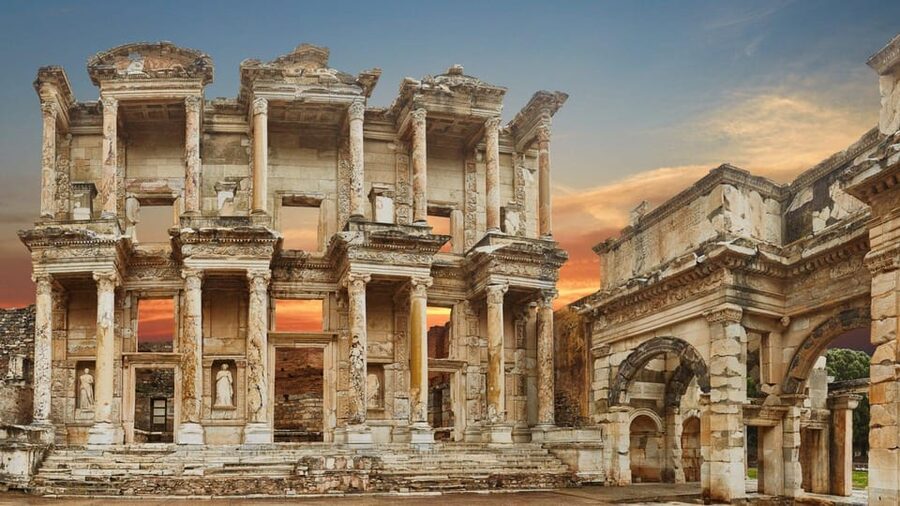
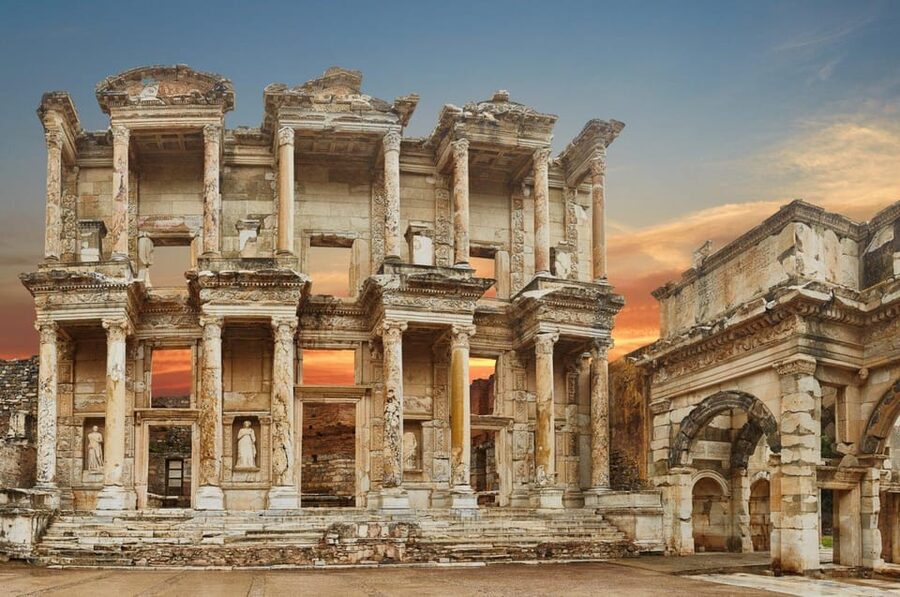
Ephesus is one of those places where the ruins don’t feel like background—they feel like a whole city you can actually walk through. This guided visit focuses on several of the most famous areas: the old theater, the Celsus Library, the Temple of Hadrian, and other major ruins you’ll see as you move along with the guide.
What I like about the guided approach here is simple: the city is big, and without a plan you can end up looking at stones and missing the story. With Memet, the pacing is tied to the sights, and you get “why this matters” context as you pass key points. That turns a walk into something more like learning your way around.
You’ll also benefit from the flow of a group tour. Ephesus can be confusing at first—paths branch, angles vary, and it’s easy to lose track of what you just saw. A guide helps you get your bearings fast so your photos and attention stay focused on the right spots.
Here’s the practical side. You’ll be walking outdoors, and it’s easy to get overheated. Bring a hat and sunscreen and plan on drinking water during the day. Flash photography isn’t allowed, so if you’re hoping for camera-lighting tricks, skip that idea. A normal camera setup with steady hands works fine.
Also, consider what you want from Ephesus: this tour gives you a strong “greatest hits” pass, not a deep archaeologist marathon. If you want to read every inscription or spend the day in quiet corners, you might want more time. But for cruise-level scheduling, this hits the essentials.
Ceramic Workshop: Watching Artisans Work (and Buying the Real Stuff)
After Ephesus, the day shifts into crafts—starting with a ceramic workshop. This stop is valuable because it’s not just shopping; it’s a chance to see how artisans work and how the final souvenirs come together. You’ll be able to browse and purchase handmade ceramics if you want.
The best part is the timing. After walking the ruins, you’re still in a “craft and culture” mindset, so watching pottery work feels connected instead of random. It also gives you something to do with your hands and eyes besides staring at the sun and the stones.
Now for the part you should expect: ceramic shops attached to workshops often turn into sales moments. If you’re interested in buying, that’s fine. Just don’t confuse a friendly demonstration with an obligation to spend. If you’re not planning to buy, stay politely firm.
If you do buy, treat it like any smart souvenir purchase:
- Inspect pieces closely for chips or rough edges.
- Ask questions about what you’re getting and what makes it special.
- Decide your max price before you reach the counter.
- If you want to negotiate, do it confidently and early.
I’m a big fan of buying one or two items you’ll actually use or display. Ceramics fit that. Plus, they make good gifts because they’re easy to pack carefully (as long as you protect them). Just remember: entrance fees cost extra, so save room in your budget for any pottery you bring home.
Carpet Shop and the Hand-Weaving Lesson
Next comes the carpet shop, where the focus is on hand-weaving and the patterns that go into the finished products. You’ll learn about the process of hand-weaving and see how patterns are presented. If you’re serious, you can order a custom-made carpet—or choose a ready-made one.
This is the stop where the day can split into two very different experiences. If you love textiles, you’ll probably enjoy seeing the craftsmanship story and learning how buyers choose design options. If you don’t care about carpets at all, the same stop can feel like a long sales conversation.
The key is to treat it like a showroom with education built in. You can ask questions about the weaving process and the look of the designs. But don’t let the energy push you into a decision you’ll regret later. Decide in advance whether you want to browse only, compare sizes, or actually buy.
And yes—negotiation matters here too. Even if you end up not buying, asking thoughtful questions and comparing options can help you understand what you’re paying for. If you do buy, keep your selection practical: think about where it will go and whether it matches your home, not just the moment.
Also, watch your time. The whole tour is built on cruise schedules, so you don’t want to get stuck in an endless back-and-forth if you’d rather spend that time shopping freely elsewhere.
Leather Shop Shopping Without Getting Steamrolled
The last major craft stop is the leather shop. This is where you’ll browse items like leather jackets, bags, wallets, and other goods. It’s a classic “high visibility” section of the tour, because leather shopping feels urgent: you get to see the color options and try on items quickly, and sales pressure tends to rise when the group is already primed to buy souvenirs.
Here’s the honest advice: you can love leather and still hate the vibe. If you walk in thinking you’ll definitely buy, great—just go in with a plan. If you walk in not planning to buy, you still need a plan. Sales talk can be intense, and it’s easy to get pulled into numbers you didn’t expect.
My practical approach:
- Look, don’t rush. Take your time with sizing and options.
- If the price goes above your comfort zone, say so clearly.
- If you decide you want something, negotiate like you mean it.
- If you don’t want to buy, repeat a calm no and move on.
The review experience I had was less about leather quality and more about shopping pressure across these stops. That means the leather stop is often paired with other souvenir offers, and you may hear persuasive pitches. Stay steady. A “maybe later” response is fine, but don’t let later become never.
One more tip: you’ll be in outdoor heat earlier in the day. Leather shopping is easier when you’re not exhausted. Bring water and keep your energy up so you can make clear choices.
Free Time for Shopping: Handmade Jewelry and Local Products
After the guided segments and the craft shops, you get free time for shopping. This is when the tour becomes flexible. You can browse for local products, handmade jewelry, and souvenirs at various shops. This portion is useful because you’re not only shopping at the three big stops—you can also look for smaller items that fit your travel style and budget.
This is also where you’ll likely see more tempting “bundle offers.” In some cases, you might be shown edible souvenirs like Turkish Delight and olive-oil-type products alongside jewelry and typical trinkets. If you have allergies or strong preferences, say so early and keep it simple.
The smart way to use this free time:
- First, decide what you actually want (gifts, small keepsakes, one artisan item).
- Then compare prices across stalls only if you have the energy.
- Don’t let the first good-looking item steal your whole budget.
If you’re hoping to buy jewelry, this free browsing can be more satisfying than the craft workshop counters, because it’s easier to pick smaller, less expensive items. Still, negotiation expectations are normal here. You’ll get farther by staying calm, patient, and specific about what you want and how much you’re willing to spend.
Also, remember: you have limited total time. Ephesus already takes up a big chunk, and craft shops are time structured. If shopping is your priority, decide your top two targets early: for example, ceramics plus one wearable item, or a carpet plus jewelry.
Price and Value: Is $16 Worth It When Entrance Fees Cost Extra?
At $16 per person for a 4.5-hour tour, the headline value is strong—especially if you’re coming from the cruise pier and don’t want to figure out transport and logistics yourself. That price covers:
- Van transportation
- A live English guide
- Visits to the ceramic workshop, carpet shop, and leather shop
- Free time for shopping
What’s not included is meals and drinks, and Ephesus entrance fees. You’ll also have personal expenses, of course, if you buy souvenirs.
So is it worth it? It usually comes down to what you want from the day:
- If you want the UNESCO Ephesus highlights plus a structured, guided walk, you’re getting a lot for relatively little money.
- If you want to avoid shopping stops, this tour might feel like you’re paying for time inside sales environments.
Also, consider the real cost. If you buy something at multiple stops, your total bill can grow quickly. That doesn’t mean the tour is overpriced—it means the tour is built to connect sightseeing with purchasing opportunities. If that matches your style, it can be a fun day. If it doesn’t, you’ll need the discipline to stick to your plan.
Heat, Walking, and the Small-Group Factor
This tour includes walking—especially at Ephesus—so plan around the physical side. Comfortable shoes are essential. Bring sunscreen and a hat. Bring water. The guide’s job includes pacing the group and being mindful of time and comfort levels in extreme heat, which is exactly what you want when the sun is doing the most.
The tour also has a note about mobility. The information provided says wheelchair access is available, yet it also says the tour is not suitable for wheelchair users or people with mobility impairments. Since you’ll be walking around ruins and moving between stops, I’d treat the “not suitable” note as the reality check and ask the operator directly if you fall into any mobility category.
Group size can matter for shopping. Private or small groups are offered, and those formats usually give you more control over pace. If you don’t want to feel rushed through shops, pick the smallest group option you can.
And one more rule to remember: smoking isn’t allowed, and flash photography isn’t allowed. For Ephesus photos, keep your camera ready and use normal settings without flash.
Who Should Book This Tour—and Who Should Skip
I think this tour fits best if you:
- Want a guided overview of Ephesus without spending extra time arranging transport
- Enjoy seeing artisans at work, not just shopping in a store
- Are comfortable negotiating or at least handling sales pressure without getting flustered
- Have cruise timing and want a packed but manageable day
I’d skip it if you:
- Want zero shopping stops and prefer quiet monument time
- Get stressed by pressure to buy
- Need a fully low-walking experience at archaeological sites
If you’re somewhere in the middle, you can still enjoy it. Go in with clear priorities: decide what you’ll buy (or won’t), set your budget, and treat the craft stops as part learning, part browsing. That turns the day into something you control.
Should You Book Kusadasi: Ephesus Ancient City with Craft Stops?
If your ideal day is Ephesus plus a hands-on look at how souvenirs are made, this is a strong value pick. The guide-led walk through the key ruins is the anchor, and the ceramic, carpet, and leather stops add variety.
Book it if you can handle sales energy and you’re willing to negotiate—or if you’re curious enough to browse even without buying. Skip it if shopping pressure drains your fun. Either way, bring your hat, water, and comfy shoes, and plan your spending before the counters start calling your name.
FAQ
How long is the tour?
The tour runs for about 4.5 hours.
How much does the tour cost?
The price listed is $16 per person.
What’s included in the price?
The tour includes van transportation, a live English guide, visits to a ceramic workshop, a carpet shop, and a leather shop, plus free time for shopping.
Are meals included?
No. Meals and drinks are not included.
Are entrance fees to Ephesus included?
No. Entrance fees to Ephesus are not included.
Does the tour include a skip-the-line ticket option?
The tour description states you can skip the ticket line.
Is there a live guide, and what language do they speak?
Yes, it includes a live tour guide who speaks English.
Can I cancel or book without paying right away?
You can cancel up to 24 hours in advance for a full refund, and the option is offered to reserve now & pay later.
Is this tour wheelchair accessible?
The information says wheelchair accessible, but it also notes the tour isn’t suitable for wheelchair users or people with mobility impairments. If you need accessibility support, check directly with the operator before booking.
What should I bring, and what’s not allowed?
Bring comfortable shoes, a hat, camera, sunscreen, and water. Smoking is not allowed, and flash photography isn’t allowed.