REVIEW · ACCRA
7-Day Private Cultural and Heritage Tour in Ghana
Book on Viator →Operated by Timeh Tours · Bookable on Viator
Ghana can feel personal in seven days. This private cultural and heritage tour links the country’s independence story, creative craft traditions, and the painful history of the transatlantic slave trade, without making it feel like a school trip. I like that you’re picked up, moved in an air-conditioned vehicle, and guided every step with a certified pro.
What I like most: you get both head knowledge and hands-on making things, from kente weaving to Adinkra stamping. I also appreciate the time-saver of built-in entry fees and breakfasts (6), plus 24/7 office support when you need a quick answer or a plan tweak.
One consideration: some parts are optional and may cost extra (like the Door of Return ceremony, a canoe ride, or performances), and you’ll want a moderate fitness level for walking, stairs, and the Kakum canopy walkway. Also, guest meals and drinks are not included, so budget a bit for lunch and bottled water.
In This Review
- Key Things You’ll Appreciate Right Away
- Day 1 in Accra: From Kotoka Airport to AKWAABA Comfort
- Day 2 in Accra: Independence Square, Arts Center Drums, and Oxford Street Night Energy
- Day 3: Aburi Botanical Gardens, Beads by the Volta River, and the Adomi Bridge Choice
- Day 4 Ashanti Kingdom Focus: Kente Weaving, a Naming Ceremony Option, Adinkra Stamping, and Ahwiaa Carvings
- Day 5 in Kumasi: Manhyia Palace Museum, the National Cultural Center, and Kejetia Market Buying Power
- Day 6: Assin Manso Slave River Park and Cape Coast Castle with the Door of Return Choice
- Day 7 Finale: Kakum National Park Canopy Walkway, Mankessim Posuban Shrine, and an Accra Goodbye
- Price and Value: What You’re Paying For at $1,998.95 Per Person
- What the Private Guide Really Adds (and Which Names You Might Hear)
- Practical Tips for Making This Tour Feel Easy
- Should You Book This Ghana Cultural and Heritage Tour?
- FAQ
- What areas of Ghana does the tour cover?
- Is this a private tour?
- Does the tour include airport pickup and drop-off?
- What’s included in the price?
- What is not included?
- Are entrance fees included?
- Is there any hands-on activity or workshop time?
- Are there optional activities with extra fees?
- How physically demanding is the tour?
- What’s the cancellation flexibility if plans change?
- Does the tour run all year?
Key Things You’ll Appreciate Right Away
- Certified guide, private group so your pace stays yours
- Hands-on Ghanaian crafts like kente, Adinkra stamping, and beadwork
- Air-conditioned travel and a clear day-by-day flow
- Cape Coast history with choices such as the Door of Return ceremony
- Kakum National Park canopy walkway as a memorable finale
Day 1 in Accra: From Kotoka Airport to AKWAABA Comfort
Your tour starts the moment you land. You’ll be greeted at Kotoka International Airport at a pre-arranged time, then head off in an air-conditioned vehicle. If timing allows, you’ll get a short Accra city orientation, and you’ll also receive an AKWAABA welcome refreshment before settling into your hotel.
I like this start because it removes the first-day stress. You don’t spend your limited energy figuring out transport or where to go next—you just get your bearings fast. Accra can be warm and busy, so having a comfortable transfer matters.
If you’re hoping for an ultra-packed first day, this one eases you in. There’s time to unwind and prep for the culture-focused days to come.
You can also read our reviews of more tours and experiences in Accra.


Day 2 in Accra: Independence Square, Arts Center Drums, and Oxford Street Night Energy
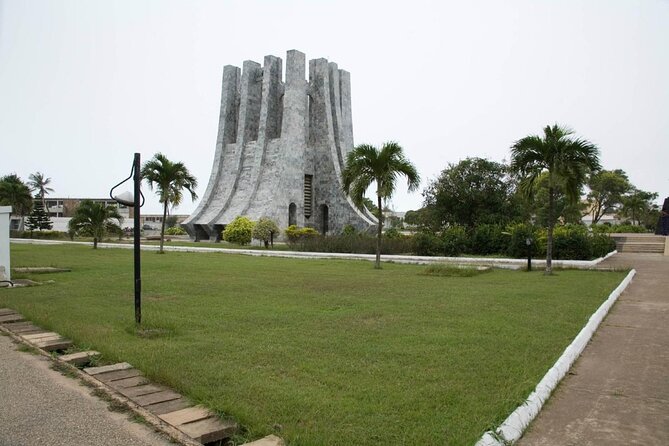
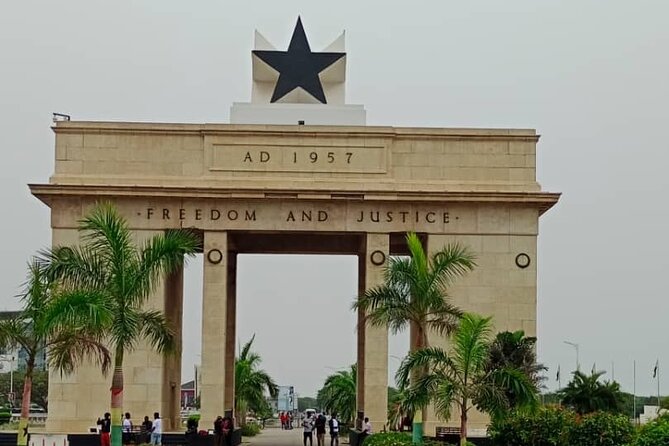
Day 2 is all about identity and modern Ghana. You begin at Kwame Nkrumah Memorial Park, where the Kwame Nkrumah monument and Independence Square anchor the story of Ghana’s independence. It’s the kind of stop where you’ll understand not just names and dates, but how independence is remembered in public space.
Then you move into the city’s creative pulse. The Arts Center is a standout if you want more than photos—there’s an option for drumming lessons, and it’s a good place to browse local products. Next comes the W.E.B. Du Bois Center, a history and heritage stop that adds depth beyond Ghana’s own independence story.
To wrap the day, you’ll head to Oxford Street. This is where Accra’s nightlife vibe starts to show, and you can choose how involved you want to be. Keep in mind: spending here is at your own expense, so set a small budget for snacks or casual drinks if that’s your style.
Day 3: Aburi Botanical Gardens, Beads by the Volta River, and the Adomi Bridge Choice
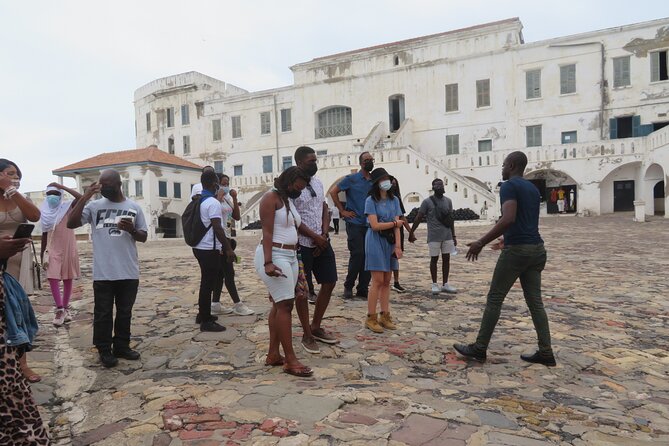
You’ll leave the city and head toward Aburi and Atimpoku. Stop by the Aburi craft market first, which is a practical way to ease into Ghanaian shopping without rushing. Then it’s on to Aburi Botanical Gardens, described as Ghana’s most beautiful garden in this tour format. You’ll enjoy scenic views, and you can rent bicycles if you feel like moving at a slower pace.
Later, the tour shifts from scenery to craft. A bead workshop stop is built in, and this one is for people who like details—there’s a wide selection of handcrafted beads and a chance to see the process. If you’re making gifts or building a personal collection, this can be your best targeted stop.
The day ends near the Volta River at Adomi Bridge. You’ll have a relaxing option with a canoe ride, or you can choose a motorboat ride for an additional fee. That choice is worth noting: it lets you match the activity level to your energy.
By the end of the day, you’ll head to your next base (with time to unwind at a nearby resort). This pacing helps because Day 4 is heavier on cultural sites.
Day 4 Ashanti Kingdom Focus: Kente Weaving, a Naming Ceremony Option, Adinkra Stamping, and Ahwiaa Carvings
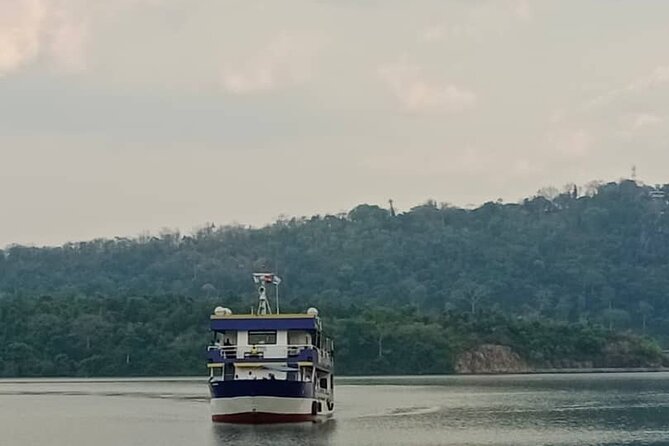
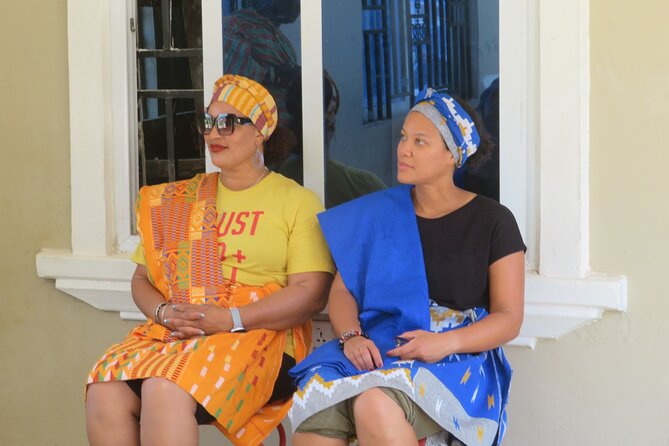
Day 4 moves into the Ashanti Kingdom world. You start at Adanwomase, framed as the heart of authentic Ghanaian kente. You’ll see the intricate process of kente weaving firsthand, and it’s one of those experiences where watching matters. This isn’t just a photo stop; it’s about understanding how a tradition stays alive through craft.
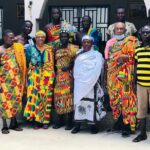
There’s also an option for a traditional Naming Ceremony at the chief’s palace, which includes drumming and dancing and you’ll see people adorned in kente cloth. That additional cost is on your decision list, not the tour’s default.
Next is Ntonso village for an Adinkra stamping experience. This is hands-on in a way that sticks. You’ll create your own textile strip by stamping different Adinkra symbols, each tied to meanings and values. You’ll then take home your personalized piece, which is more satisfying than buying a souvenir that looks similar to something you already own.
Finally, you’ll visit Ahwiaa for carving shops. Expect wooden sculptures and traditional crafts made by skilled artisans. If you want gifts that don’t feel mass-produced, this is a strong endcap to a full day.
Day 5 in Kumasi: Manhyia Palace Museum, the National Cultural Center, and Kejetia Market Buying Power
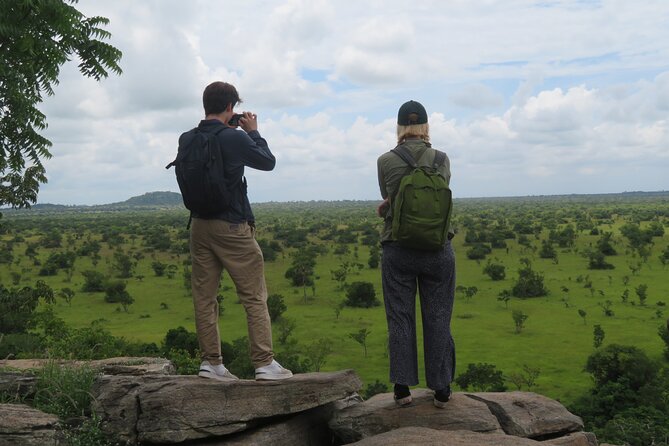
Day 5 begins with Manhyia Palace Museum, the historic residence of the Ashanti King. This stop is about how governance and royal traditions shaped Ashanti history. It’s a good match for travelers who like context—how culture was organized, not just how it looked.
From there, you’ll visit the National Cultural Center. This museum stop covers Ghanaian artifacts and exhibits, and it includes a visit to the mystic Komfo Anokye sword, a symbol tied to Ashanti history and folklore.
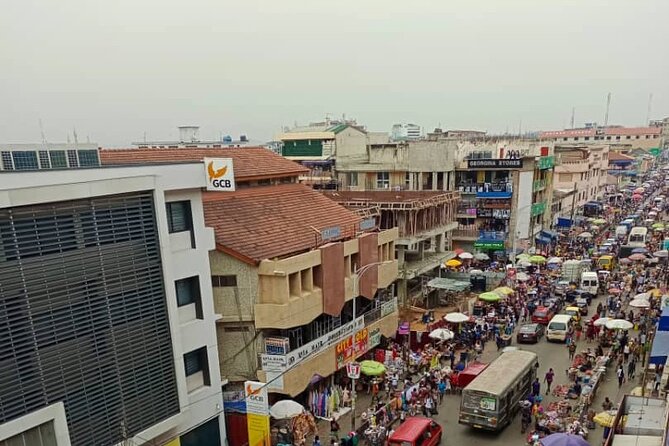
Then the day shifts from museums to real life with Kejetia Market. Kejetia is described as West Africa’s largest outdoor market. If you want to shop with confidence, this is where you’ll find lots of local products, crafts, and fresh produce. You’ll have time to wander through stalls at your own pace.
One practical note: markets are where your money habits get tested. If you’re not sure what you want yet, wander once first, then decide. Use small bills if you can.
Day 6: Assin Manso Slave River Park and Cape Coast Castle with the Door of Return Choice
Day 6 carries emotional weight. You start at Assin Manso Ancestral Slave River Park, once used as a slave cemetery and market. This is a memorial site, and the point is reflection and learning about how the transatlantic slave trade affected human lives.
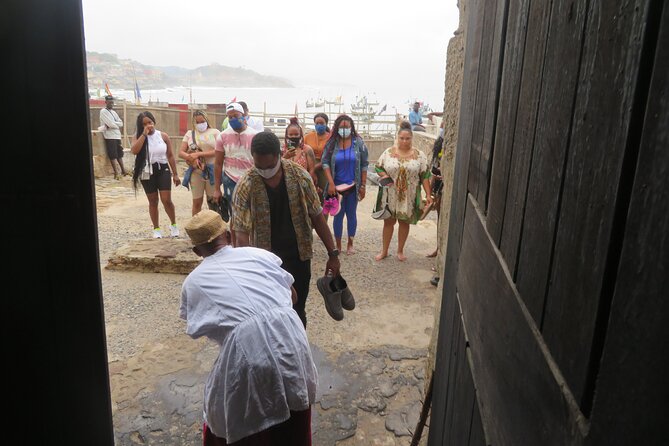
After that, you’ll go to Cape Coast Castle. The focus here includes the former slave dungeon, which is historically significant for the African Diaspora. This stop is heavy, so having a guide you can ask questions to helps. You’re not rushing through it like a checklist.
You also have choices at Cape Coast. The “Door of Return” ceremony is offered for an additional fee, and there’s an optional cultural performance in the evening (also additional fee) with drumming and dancing where you can join in.
If you want the emotional arc of the day to include symbolism and celebration, choose those add-ons. If you prefer quiet processing, you can keep it simple and just stick to the key sites and then rest.
Day 7 Finale: Kakum National Park Canopy Walkway, Mankessim Posuban Shrine, and an Accra Goodbye
Your last day is a calmer reset before travel. You’ll have a peaceful morning at the hotel, then head back toward Accra. Along the way, you stop at Kakum National Park, described as Ghana’s most popular attraction here. The highlight is the canopy walkway, an exhilarating experience through tropical forest.
This is also a birdwatching stop. If you enjoy spotting birds, you’ll have an easy time doing it because the park structure invites slow observation.
Later, you visit Mankessim to see one of the few remaining Posuban shrines. Then you return to Accra for your airport drop-off, scheduled two hours before your flight. This timing is helpful because the end-of-trip rush can turn chaotic fast.
If you’re the kind of traveler who needs a few minutes to say goodbye, you’ll get that space—this tour builds in a moment to wrap things up properly.
Price and Value: What You’re Paying For at $1,998.95 Per Person
At $1,998.95 per person for a 7-day private tour, this isn’t a budget bargain. But it does look like value when you break down what’s handled for you.
What’s covered:
- Air-conditioned vehicle for the full route
- Accommodations for the trip length
- A certified tour guide plus 24/7 office support
- Entrance fees for the included sites
- Breakfast each day except two (6 breakfasts total)
- Guide/driver meals and accommodation
What’s not covered:
- Alcoholic and non-alcoholic drinks
- International flights
- Travel insurance and immunizations
- Guest meals
Here’s how I think about it for you: this package is paying for time, comfort, and smooth navigation across multiple regions. When your route includes Accra, Kumasi/Ashanti areas, Cape Coast, and Kakum, that transport and coordination adds up fast. If you’d rather not spend days researching drivers, tickets, and museum entry lines, the cost becomes easier to justify.
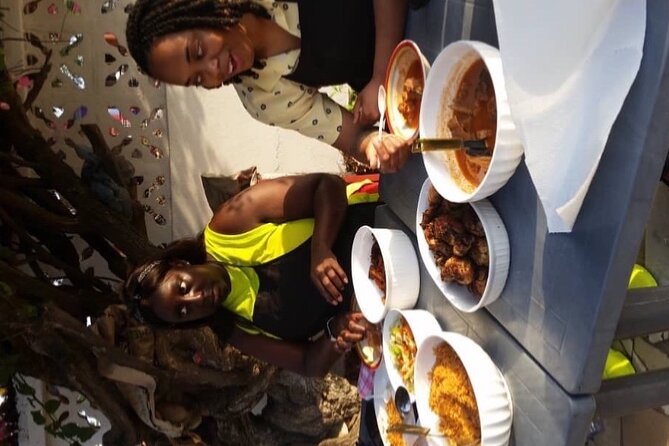
If you do want to keep costs down, plan for meals and drinks out of pocket. Also, consider what add-ons you actually care about, because some of the most memorable options (Door of Return ceremony, performance, canoe/motorboat) are listed as additional fees.
What the Private Guide Really Adds (and Which Names You Might Hear)
The tour is private, so your guide can slow down when something matters to you and speed up when you’re ready. That flexibility is the secret sauce on craft days and history-heavy stops, especially around Cape Coast where questions matter.
From past bookings, I’ve seen guides named Timothy Dadgie and Jojo at the airport handoff stage, with Eric also mentioned as a guide for other travelers. Mike Amuzu shows up as another guide name, and Adams is referenced in at least one couple-focused celebration. You may also see drivers like Eben referenced, which signals a real team dynamic rather than a one-person operation.
In practical terms, that team approach is why the experience feels smooth. One traveler described the car as clean and well maintained with strong air conditioning—exactly what you want after hot outdoor stops. Another mentioned feeling safe as a solo traveler and getting help immediately on arrival.
One couple also mentioned a romantic candlelit dinner arranged for an anniversary at a beach resort. I can’t promise that exact setup every time, but it does suggest the company pays attention to personal moments when you tell them what you want.
Practical Tips for Making This Tour Feel Easy
A few things will help you enjoy the full week without getting annoyed.
- Bring comfortable shoes with traction. Kakum’s canopy walkway involves walking over forest structures, and you’ll also do market wandering.
- Pack light layers. Ghana’s heat can be intense, and you’ll move between AC rides and outdoor sites.
- Budget cash for markets and add-ons. Kejetia Market is a buying stop, and optional experiences have extra fees.
- Plan your photography like you plan your shopping. History sites and craft workshops are where you’ll want time, so don’t overschedule yourself.
- Aim for moderate fitness. The tour is not described as extreme, but you should be ready for walking and some physical activity choices like canoeing.
If you’re sensitive to emotional sites, prepare yourself mentally for Assin Manso Slave River Park and Cape Coast Castle. A guide can help you pace your questions and reactions.
Should You Book This Ghana Cultural and Heritage Tour?
Book it if you want a well-structured, private way to connect Ghana’s independence story, Ashanti craft traditions, and the Cape Coast memory sites into one trip. It’s especially good for travelers who care about learning how traditions work—kente weaving, Adinkra symbolism, carving craft—not just where they’re located.
Consider passing or customizing your expectations if:
- You don’t want any extra-cost add-ons. Several meaningful moments are optional.
- You prefer fully independent travel. This tour is built around guided coordination.
- You don’t want history that can be emotionally heavy on day 6.
If you like the idea of comfort plus real cultural stops, this tour’s mix is strong: Accra orientation and learning, Volta-area nature and crafts, Ashanti Kingdom days in Kumasi region, and a Cape Coast experience that doesn’t sugarcoat anything—then a Kakum finale that lets you breathe.
FAQ
What areas of Ghana does the tour cover?
You’ll spend time around Accra, travel through the Volta River region including stops near Adomi Bridge, visit Ashanti sites around Kumasi such as Manhyia Palace Museum, go to Cape Coast for Cape Coast Castle and related memorial sites, and finish with Kakum National Park before returning to Accra.
Is this a private tour?
Yes. It’s a private tour/activity, and only your group participates.
Does the tour include airport pickup and drop-off?
Yes. You’ll be greeted at Kotoka International Airport on arrival with a pre-arranged time, and you’ll be dropped off at the airport or your designated drop-off location about two hours before your flight on the final day.
What’s included in the price?
Included items are an air-conditioned vehicle, accommodations, a certified tour guide, 24/7 office support, guide/driver meals and accommodation, entrance fees, and breakfast for 6 days.
What is not included?
Not included are alcoholic and non-alcoholic drinks, international air flights, travel insurance and immunizations, and guest meals.
Are entrance fees included?
Yes. Entrance fees are included for the sights listed as included.
Is there any hands-on activity or workshop time?
Yes. You’ll have hands-on options such as an Adinkra stamping experience and visits to a kente weaving process and a bead workshop.
Are there optional activities with extra fees?
Yes. Some stops include optional add-ons such as the Door of Return ceremony at Cape Coast Castle, an evening cultural performance, and canoe or motorboat options near Adomi Bridge.
How physically demanding is the tour?
The tour indicates you should have a moderate physical fitness level. You’ll do walking at markets and at Kakum’s canopy walkway, and you may have activity options like canoeing.
What’s the cancellation flexibility if plans change?
You can cancel up to 24 hours in advance for a full refund, and cancellations within 24 hours are not refunded. If the experience is canceled due to poor weather, you’ll be offered a different date or a full refund.
Does the tour run all year?
The operating window listed runs from 01/18/2022 to 06/17/2026, with Monday to Friday operating hours shown as 6:00 AM to 10:30 PM.
If you tell me your travel month and whether you want more craft making or more history time, I can help you judge which days to focus on and which optional add-ons are most worth it for your style.