REVIEW · KATHMANDU
Kathmandu: UNESCO World Heritage Sites Tour
Book on GetYourGuide →Operated by Breakfree Adventures Pvt. Ltd. · Bookable on GetYourGuide
Temple time, with a plan. This private Kathmandu UNESCO tour strings together Pashupatinath rituals, Boudhanath stupa vibes, and two more must-sees so you don’t spend half your day figuring out routes. I especially like that you get an air-conditioned car with hotel pickup/drop-off (inside the ring road) and a real guide who explains what you’re looking at, not just where to stand for photos.
My other favorite part is pacing. You’ll cover four major UNESCO World Heritage Sites in one 6-hour block, but you’re still able to take your time at each stop. One consideration: the monument entrance fees aren’t included, so you’ll want to budget extra before you go.
In This Review
- Key things to know before you go
- Four UNESCO stops that actually fit together
- Pashupatinath Temple: Hindu rituals, serious atmosphere, and close-up viewing
- Boudhanath Stupa: Tibetan Buddhist culture and a calmer tempo
- Kathmandu Durbar Square: palaces, temples, and the city’s historical stage
- Swayambhunath (Monkey Temple): hilltop views and a different kind of crowd control
- Price and logistics: what you pay, what you still need to budget
- Your guide and your pace: why the private format matters in Kathmandu
- The 6-hour game plan: how to make it feel unhurried
- Who should book this tour, and who might want a different option
- Should you book Kathmandu’s UNESCO World Heritage Sites tour?
- FAQ
- What sites are included on this Kathmandu UNESCO tour?
- How long is the tour?
- Is this a private group tour?
- Is hotel pickup and drop-off included?
- Do I need an entrance ticket for the monuments?
- How much are the monument entrance fees?
- Is there an English-speaking guide?
- Is transportation provided?
- What do I need to bring?
Key things to know before you go
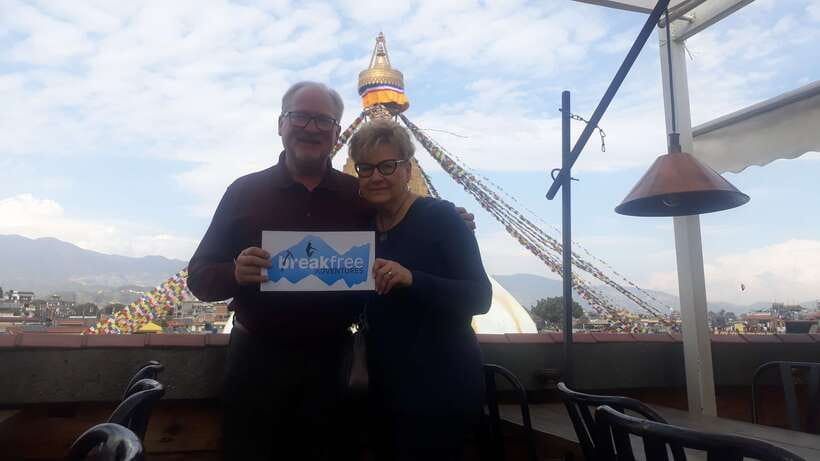
- Four UNESCO sites in one half-day keeps first-time Kathmandu efficient without turning it into a race.
- Pashupatinath + Boudhanath give you a strong Hindu-and-Tibetan Buddhist contrast in the same day.
- Skip the ticket line helps with time on site, even though entrance fees are paid separately.
- Private group with an experienced English guide means you can ask questions and set a comfortable rhythm.
- Hotel pickup/drop-off inside the ring road reduces the usual start-of-day hassle.
- Swayambhunath hilltop views are timed into the tour so you get the city perspective, not just temple photos.
Four UNESCO stops that actually fit together
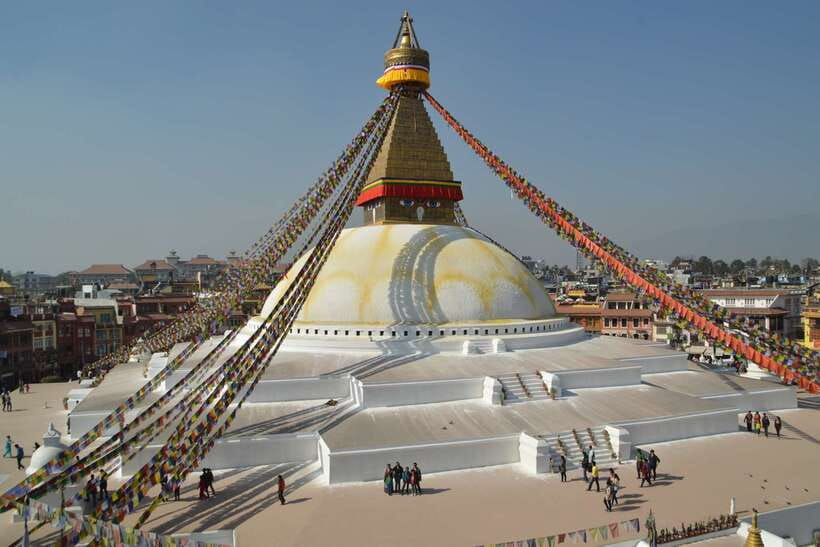
Kathmandu’s UNESCO sites are impressive on their own. Put them in one route, though, and you get something better: a quick sense of how the city thinks about spirituality, power, and everyday life. In one day, you’ll move from Hindu rituals by the Bagmati River area to Tibetan Buddhist devotional culture at a massive stupa, then into Kathmandu’s historic palace-temple core, and finally up to a hilltop viewpoint at Swayambhunath (the Monkey Temple).
The private format matters here. Four sites sounds simple until you’re in traffic, hunting for meeting points, or translating signage while trying not to block a line. This tour handles the logistics with AC transportation and a guide who can keep you moving while still giving you time to look, read the cues, and take breaks.
You can also read our reviews of more tours and experiences in Kathmandu.
Pashupatinath Temple: Hindu rituals, serious atmosphere, and close-up viewing
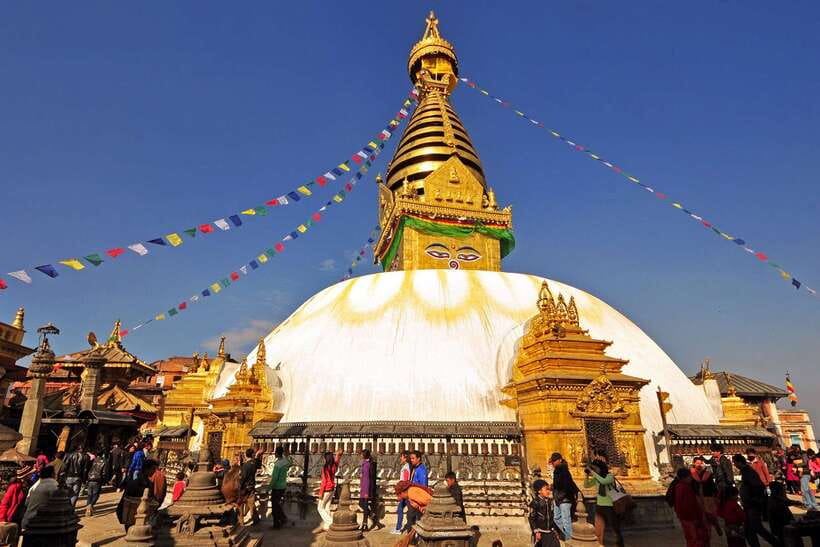
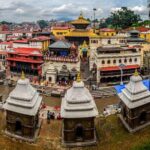
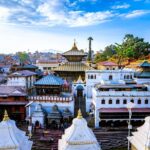
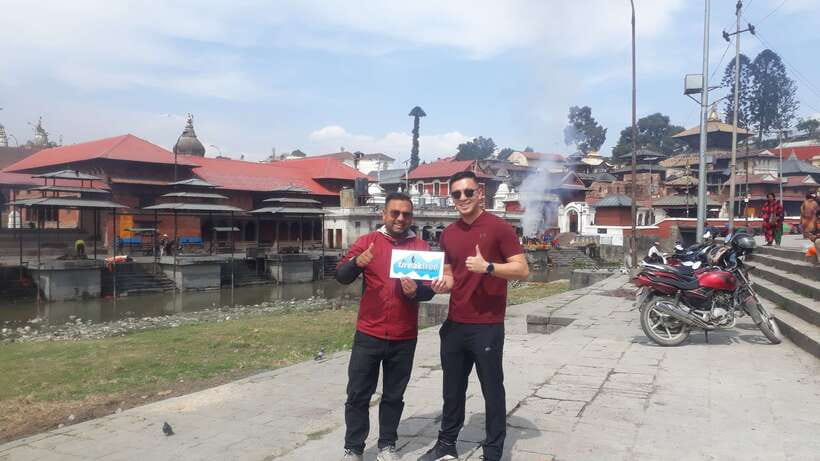
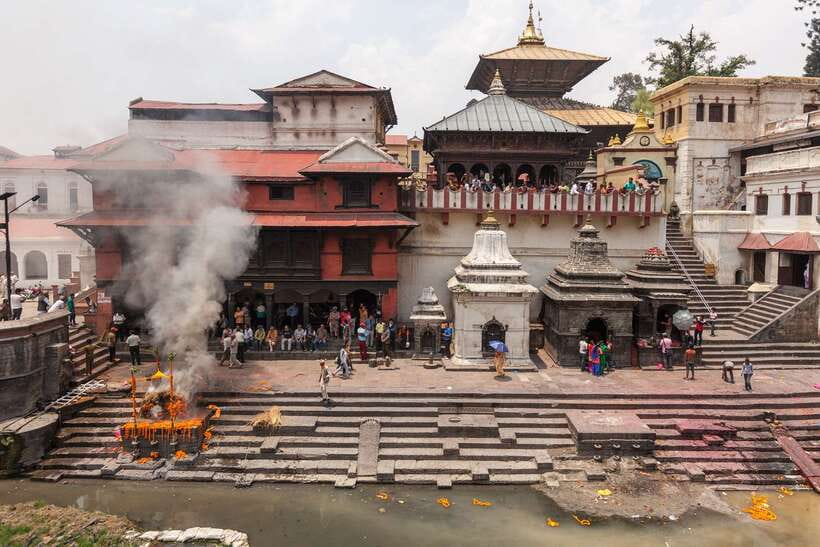
Pashupatinath Temple is one of those places where the city’s spiritual life feels very close. As your first stop, it sets the tone fast. You’ll be at Nepal’s spiritual epicenter for Hindu practice, watching ancient-style rituals and getting a firsthand sense of how ceremony unfolds in a public space.
What makes this stop especially memorable is how real it feels. In past experiences, people also pointed out the emotional intensity of seeing the cremation area as part of the overall temple zone experience. That doesn’t mean it’s a circus or a spectacle, but it is intense. If you’re the type who needs a gentle pace or prefers more upbeat sightseeing, plan for a more solemn start.
Practical tip for this part: bring patience for crowds and movement. This tour is designed to cover the major highlights, but the temple area can have a lot going on at once. A guide helps you understand what you’re seeing so you’re not just watching from the outside.
Boudhanath Stupa: Tibetan Buddhist culture and a calmer tempo
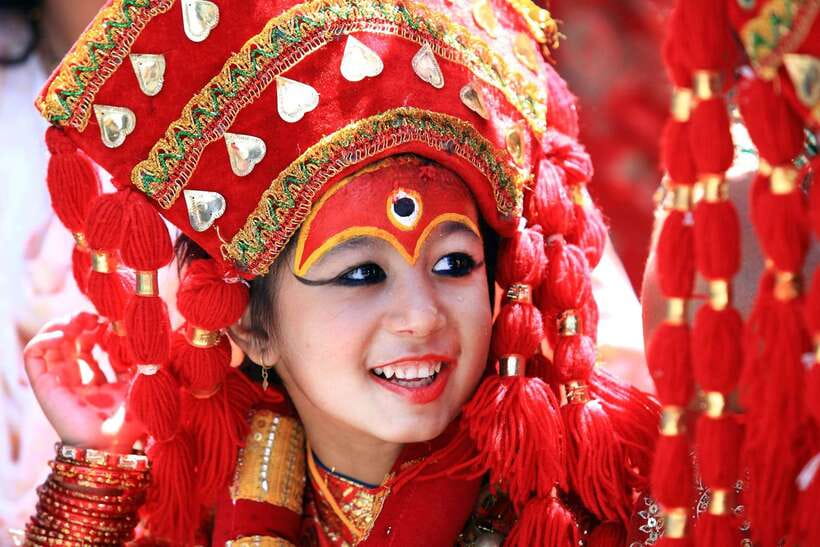
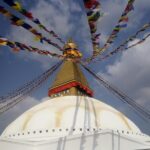
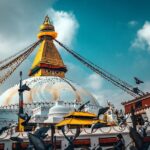
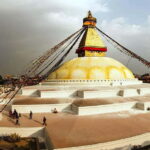
From Pashupatinath’s intensity, Boudhanath Stupa feels like a breath. This UNESCO site is famous for its scale and is often described as one of the largest stupas in the world, and you’ll feel that size when you’re there. The atmosphere tends to slow down—partly because the stupa draws steady devotional rhythms, and partly because you’re surrounded by a different cultural lens: Tibetan Buddhist practice.
You’ll have time to look around and absorb details at street level, not just from a distance. It’s the kind of place where you notice how people move, how they pause, and how the stupa acts like a community center for devotion. If you like seeing religion in action rather than religion as architecture, Boudhanath is one of the strongest stops on the route.
One extra perk that comes up in real-world experiences: the tour timing often allows a meal break at a good spot with views over the Tibetan stupa area. That’s practical value. Instead of searching for lunch while hungry and pressed for time, you can reset while still staying close to what you came to see.
Kathmandu Durbar Square: palaces, temples, and the city’s historical stage
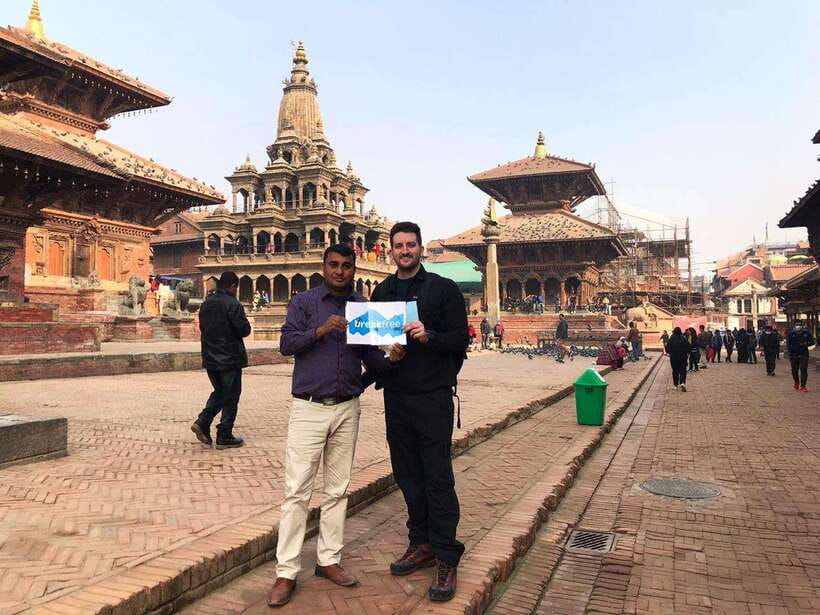
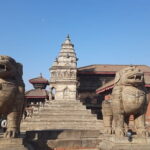
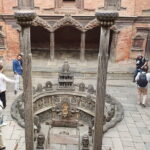
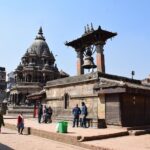
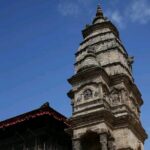
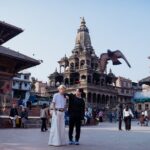
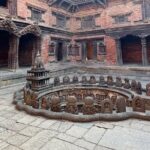
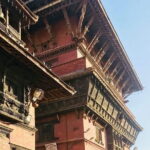
Next comes Kathmandu Durbar Square, a complex of palaces, temples, and courtyards that helps you understand Kathmandu as a historic power center. This is the part of the tour where you’ll switch from ritual observation to architecture and urban history.
What to pay attention to here: the mix of structures and courtyards. Durbar Square isn’t just one building; it’s an organized cluster that shows how royal and religious functions intertwined. As you move through the area, you’ll likely find the guide’s explanations are most useful in this segment. The stories behind these spaces help you see why certain layouts matter, and how art and devotion shaped public life.
A balanced expectation: Durbar Square is often busy, and like any major heritage site, parts can feel compressed. The private format helps you avoid wasting time—your guide can manage your route so you spend your energy looking instead of guessing which side is best.
Swayambhunath (Monkey Temple): hilltop views and a different kind of crowd control
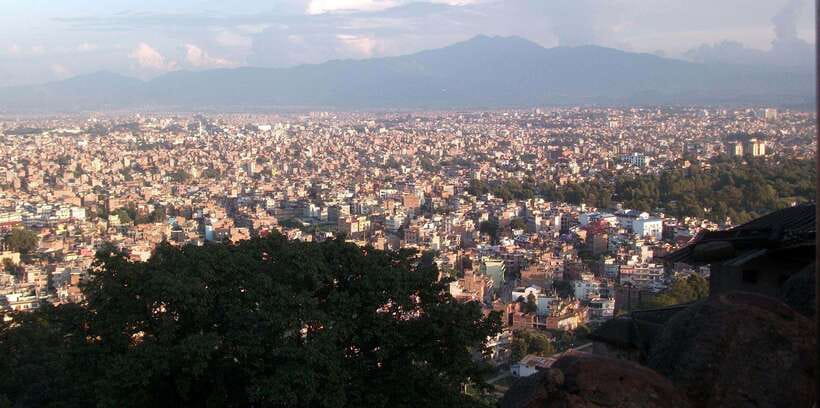
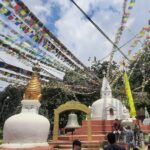
Swayambhunath sits on a hill, which automatically changes the feel of sightseeing. You’re not only visiting a stupa; you’re arriving at a viewpoint. From here, the city opens up in a way that doesn’t happen at ground level sites.
The tour includes time at Swayambhunath Temple, famously known as the Monkey Temple. You should expect some attention from monkeys around the area. That’s part of the place’s reputation, and it can be amusing, but still keep your belongings secure and don’t treat wildlife like a photo prop.
The best practical advantage of including Swayambhunath at the end of the route is timing. After three other UNESCO sites, your brain is already in “temple mode,” so you’re ready for the change: a steadier view, a bigger sense of Kathmandu’s layout, and a calmer chance to see how everything connects visually.

Price and logistics: what you pay, what you still need to budget
This is priced at $85 per group up to 2 people for a 6-hour private tour. For that, you’re getting hotel pickup and drop-off (only within the city ring road), an experienced English-speaking guide, and air-conditioned transportation. You also get skip-the-ticket-line handling, which is a real time-saver when you’re moving between sites back-to-back.
Two things you need to plan financially:
- Meals and drinks are not included.
- Monument entrance fees are not included.
Entrance fees are listed as approximately US$23 per person for passport holders and about 450 rupees for Indian nationals. If you’re traveling as a couple, the group price can still feel like good value because the main cost is the guide + car + route planning. Then the entry fees add on top based on who you are, not on a flat “everything included” package.
Here’s how I’d think about value: you’re paying for four UNESCO stops, not just one. If you tried to do this on your own with a driver and a guide for interpretation, it would likely end up more complicated and sometimes more expensive once you account for time. The private setup is what makes this price feel reasonable.
Your guide and your pace: why the private format matters in Kathmandu
This tour is private, which is a big deal in Kathmandu. Four sites can go long if you keep stopping for directions or waiting for people to catch up. In private tours, the guide can keep you on a smooth sequence—while still letting you slow down when a moment deserves it.
Names that have come up in real experience include Mr. Subash and Dipesh, both credited for clear explanations of history and traditions and for being friendly and accommodating. One detail that stuck with people: Dipesh helped adjust timing so a group could eat earlier than planned when they needed a break. That’s exactly the kind of flexibility you want on a half-day tour. You’re not locked into a rushed script.
Also, since the tour is English-speaking, you’re more likely to understand the meaning behind what you see—especially helpful at Pashupatinath (rituals), Boudhanath (Buddhist devotional life), and Durbar Square (historic context).
The 6-hour game plan: how to make it feel unhurried
To get the best experience out of a 6-hour format, you’ll want to show up with the right expectations:
- You’ll be moving between four major sites, so bring a calm mindset.
- You’ll likely do some walking and stairs, especially for hilltop areas like Swayambhunath.
- You’ll have guide-led stops, plus small pockets of time to look around.
A smart move: decide in advance what you care about most. If you like ritual and symbolism, focus your questions at Pashupatinath and Boudhanath. If you prefer architecture and city history, put more attention into Durbar Square. Your guide can help steer you toward what to watch for in each place.
Don’t forget the practical item included in the “what to bring” list: bring your passport or ID card. That matters because the entrance fees are tied to documentation.
Who should book this tour, and who might want a different option
This tour fits best if you want:
- A first solid sweep of Kathmandu’s UNESCO highlights without planning chaos.
- A private guide who can explain what you’re seeing as you move site to site.
- Efficient use of time: four UNESCO sites in about half a day.
It may not be your best choice if:
- You need strictly step-free access. These religious sites commonly involve uneven ground and stairs, and Swayambhunath is on a hill.
- You’re the type who wants one site only and then disappears for hours. The value here is the route.
If you’re trying to balance culture, history, and spiritual atmosphere in a single day, this itinerary is built for you.
Should you book Kathmandu’s UNESCO World Heritage Sites tour?
I’d book it if you want an organized route through Kathmandu’s biggest UNESCO hits, with a guide who can translate the meaning behind Hindu and Buddhist sites, plus a comfortable car ride between stops. The $85/group price works especially well for couples or small groups because you’re essentially buying private guiding for multiple sites, not just one.
I’d hesitate if you don’t want extra costs on top of the tour price, because entrance fees are separate. Also, if you prefer a slower day with fewer moving parts, you might consider spreading these sites out instead of compressing them into one 6-hour window.
Overall, this is a practical way to see the essential Kathmandu story—ritual to stupa, palace-temple square to hilltop views—without turning your day into logistics work.
FAQ
What sites are included on this Kathmandu UNESCO tour?
The tour includes Pashupatinath Temple, Boudhanath Stupa, Kathmandu Durbar Square, and Swayambhunath Stupa (Monkey Temple).
How long is the tour?
The duration is 6 hours.
Is this a private group tour?
Yes, it’s a private group tour.
Is hotel pickup and drop-off included?
Yes. Pickup and drop-off are included within the city ring road.
Do I need an entrance ticket for the monuments?
Entrance fees are not included, and you will pay them on the day.
How much are the monument entrance fees?
Entrance fees are approximately US$23 per person for passport holders and about 450 rupees for Indian nationals.
Is there an English-speaking guide?
Yes. The tour includes an experienced English-speaking tour guide.
Is transportation provided?
Yes. You get air-conditioned transportation.
What do I need to bring?
Bring your passport or ID card.