REVIEW · LUXOR
Luxor to Aswan: 6-Day Dahabiya Nile Cruise with Ancient Tour
Book on GetYourGuide →Operated by Oceanus Tours · Bookable on GetYourGuide
Nile sun-deck time is hard to beat. On this Luxor to Aswan Dahabiya trip, I like the slow pace—deck chairs, gentle sailing, and Egypt sliding by one turn at a time—and I also like the structured touring with an expert guide at major sites like Karnak and Hatshepsut. One thing to consider: the experience is sold as 6 days, but the number of nights at sea can feel shorter depending on how your schedule is timed.
You get a mix that’s hard to fake: big-name temples plus quieter stops, and the kind of atmosphere that comes from being on a traditional sailboat instead of a floating city. It also helps that the itinerary is built around a real passenger flow—hotel night in Luxor, then days of sightseeing, then Aswan and Philae to close.
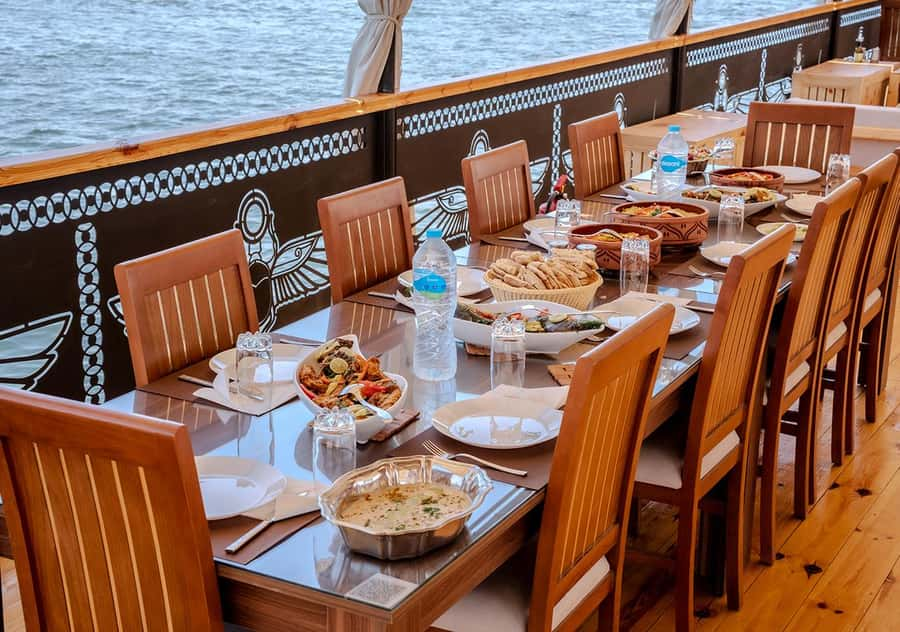
Meals and comfort are part of the deal: you’ll have onboard meals across the cruise portion (lunch the first day onboard, then breakfast on the last day) and water and hot drinks during your time at sea. Entrance fees are not included, so you’ll want to plan for that separately.
In This Review
- Key Things You’ll Notice on This Dahabiya Cruise
- Dahabiya vs. Big Nile Boats: Why This Feels Different
- Day 1 in Luxor: Valley of the Kings, Hatshepsut, and the Colossi
- Day 2: Karnak, Esna, Then Check-In for Dahabiya Sailing Time
- Day 3: Edfu Temple, Horus at Work, Plus a Nile Village Visit
- Day 4: Gebel El-Silsila Ruins and Kom Ombo’s Double Temple
- Day 5: Arriving Aswan and Visiting Philae Temple
- Day 6: Disembark After Breakfast and Transfer in Aswan
- Price and What You’re Really Getting for Around $1,400
- What to Bring (And What to Skip) So Days Feel Easy
- Guides and Onboard Service: The Human Side That Changes Everything
- Who This Luxor to Aswan Dahabiya Cruise Suits Best
- Should You Book This Trip? My Practical Take
- FAQ
- What’s included on the cruise days?
- Do I need to pay entrance fees for the temples?
- Is pickup included from Luxor?
- What languages is the live tour guide offered in?
- How do meals work during the 6 days?
- What should I bring for the trip?
- Are drones or pets allowed?
Key Things You’ll Notice on This Dahabiya Cruise
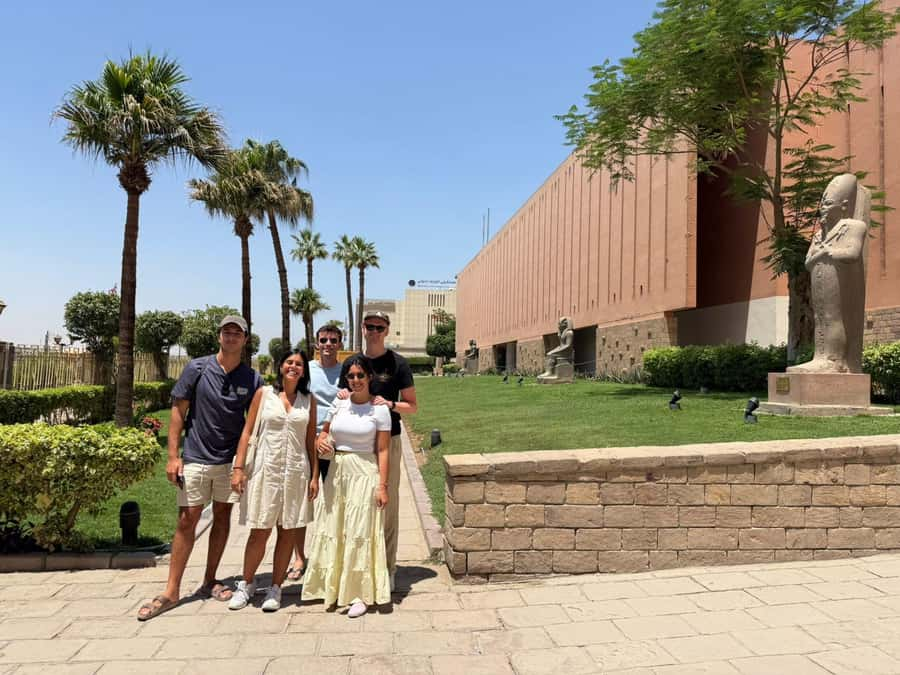
- Dahabiya pacing: sailing time built into your days, not just a transfer between sites
- Temple stack on the West Bank and along the Nile: Valley of the Kings, Hatshepsut, Karnak, Edfu, Kom Ombo, Philae
- Photo-friendly sailing legs with Nile islands, fields, and gardens along the way
- A local village stop that trades sightseeing trophies for everyday life on the water’s edge
- Gebel El-Silsila ruins for a different temple texture than the usual checklist
- English or French live guiding, depending on what you book
Dahabiya vs. Big Nile Boats: Why This Feels Different
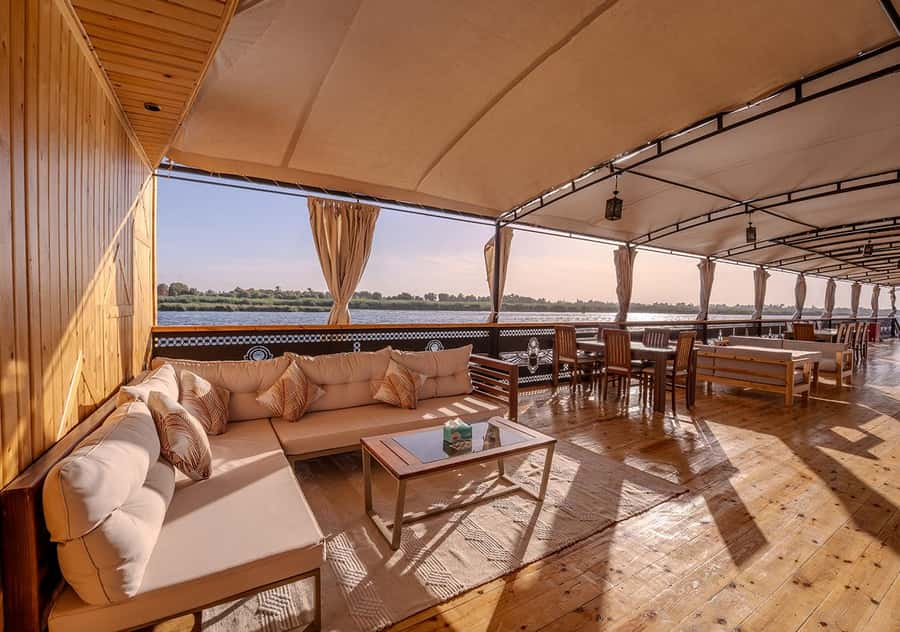
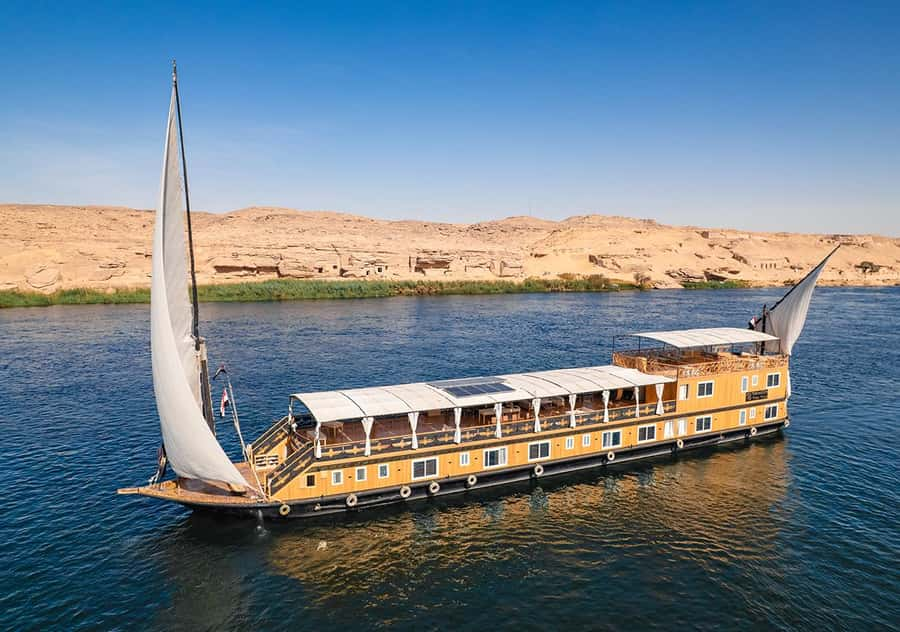
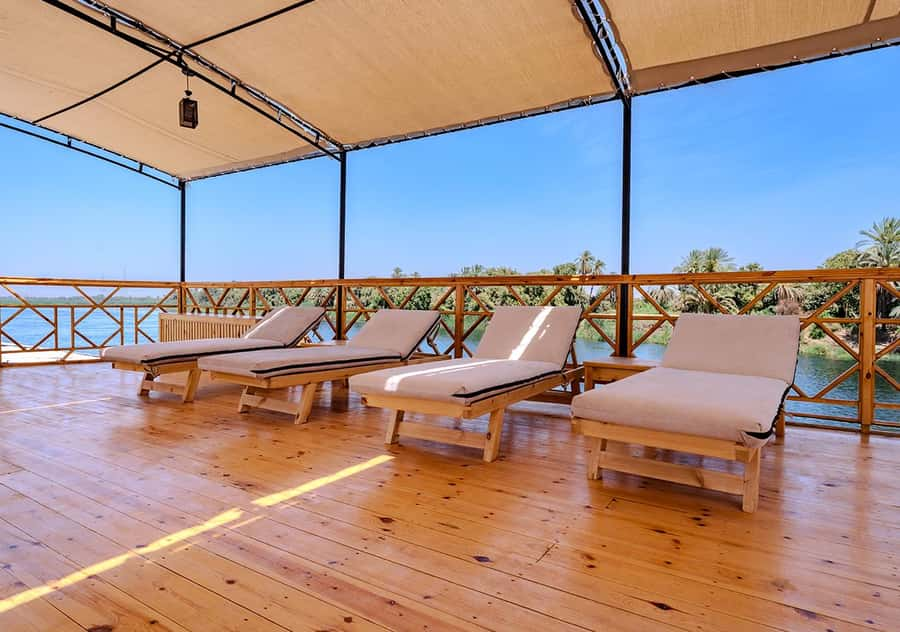
This cruise is all about being on a traditional Dahabiya sailboat, so the day rhythm matches the Nile. Instead of spending most of the time inside, you’ll naturally spend time outside—on the deck, in the shade, watching the riverbanks drift by.
That matters because Egypt can be intense. Temples are a lot of stairs, bright sun, and concentrated information. A slower boat day gives you space to reset between major stops, especially on the sailing stretches after you’ve toured Karnak, Edfu, or Kom Ombo.
One more practical point: you’re also more likely to feel the scenery in small bites. On a Dahabiya, the views aren’t staged from a bus window. They come in as the boat glides—golden fields, palm groves, and the calmer edges of the river that bigger vessels often skip.
You can also read our reviews of more tours and experiences in Luxor.
Day 1 in Luxor: Valley of the Kings, Hatshepsut, and the Colossi
Day 1 starts on the west bank of Luxor, with pickup from your hotel, the train station, or Luxor airport. From there, you’ll go through a classic temple-and-tomb day: Valley of the Kings, the Colossi of Memnon, and Hatshepsut’s temple.
This is one of the best starts you can get because it locks in the Luxor essentials early, before the heat and the long days build up. You’ll also get a good sense of the geography: Luxor on one side, history on the other, with the Nile as the divider.
A key note for planning: entrance fees for these sites are not included. Comfortable shoes help here more than anything else—Valley of the Kings days are not about dainty strolling.
By evening, you’ll drive to your Luxor hotel for an overnight stay with breakfast, so you start the cruise portion rested rather than immediately thrown onto the boat schedule.
Day 2: Karnak, Esna, Then Check-In for Dahabiya Sailing Time
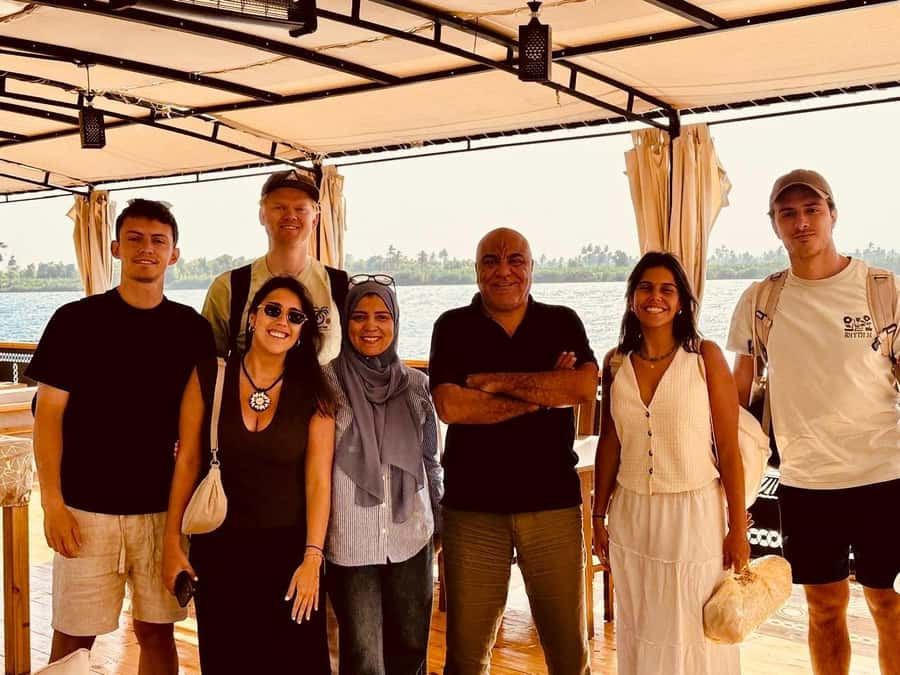
After an open buffet breakfast at your hotel, Day 2 builds toward one of Egypt’s showpieces: Karnak Temple. It’s the kind of place where you can’t really “finish” it, so the value is having a guide who can point out the story threads and the important visual details while you’re still standing in the middle of it.
From Karnak, the day continues toward Esna, where you check in to your Dahabiya. Then the vibe shifts quickly from stone-and-columns touring to river pace: onboard you’ll have a handmade fresh lunch, time to rest, and then sailing.
What makes this day worth it is that you don’t just ride past the scenery. You’re set up for it—time for photos of Nile views like islands, fields, and gardens as the boat moves. That’s when the Dahabiya style really clicks: you’re watching Egypt change slowly, not rushing from stop to stop.
You’ll also sleep onboard on this night, so the next morning starts with the river already in your window.
Day 3: Edfu Temple, Horus at Work, Plus a Nile Village Visit
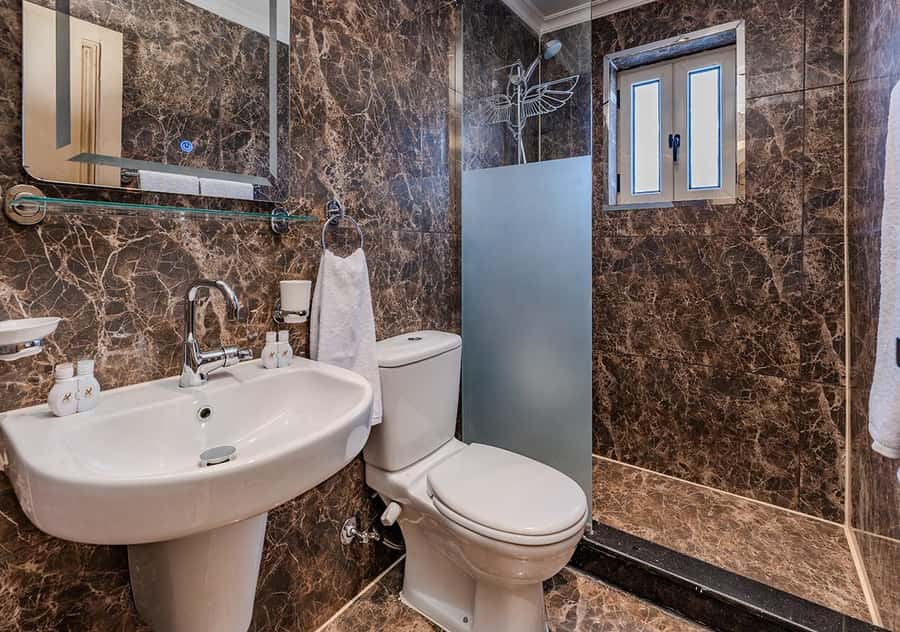
Day 3 begins with breakfast during sailing, which is exactly the kind of simple comfort I like on a cruise. You’re not trapped waiting for a bus; you’re already traveling, so the day feels like it starts naturally.
The main stop is Edfu Temple, often described as the second largest temple in Egypt still in great condition. Edfu’s theme centers on Horus defeating Set, which gives your guide an easy way to connect carvings and layout to a real story instead of treating everything like random stonework.
Then comes the most “human-scale” portion of the trip: the boat stops near a local village on the Nile islands. This is where you shift from monumental temples to everyday life. If you want to see how people live along the river when they’re not posing for history tours, this is the moment.
On return to the Dahabiya, you’ll spend another night onboard. It’s also a practical day because the temple visit is clear and structured, and the village visit adds variety without turning the day into an all-out marathon.
Day 4: Gebel El-Silsila Ruins and Kom Ombo’s Double Temple
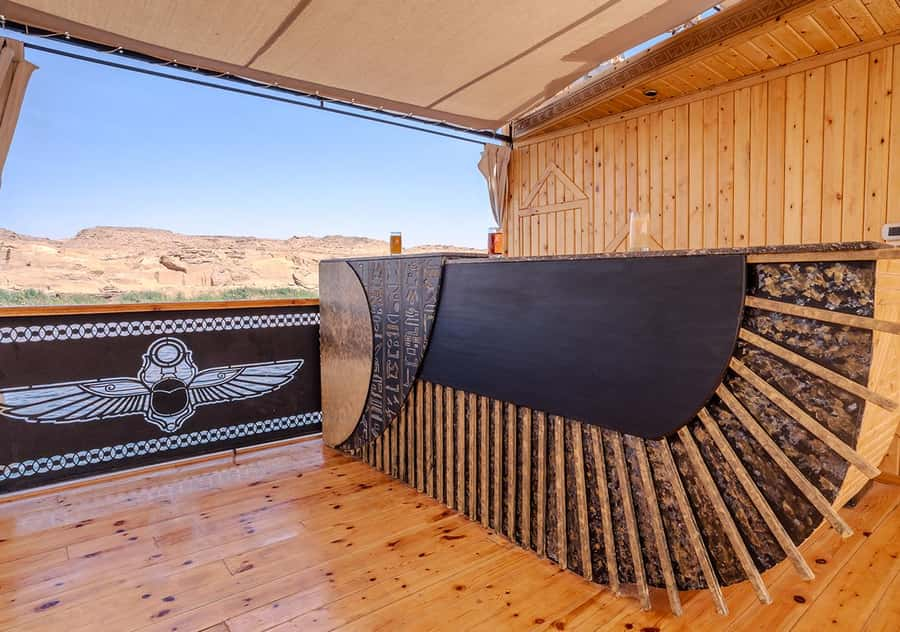
Day 4 is a good reminder that not every Nile temple stop has to be the same look. It starts with Gebel El-Silsila, described as the mother of all temple sites, with remains of temples and tombs you can see by listening closely to the guide’s explanations.
The theme here is scale and effort—how giant stones were cut with tools like a chisel and hammer. Even if you’re not a history nerd, it’s a useful mental picture. The place makes the stonework feel physical, like you can almost picture the work behind it.
Back on the Dahabiya, you’ll get more deck time—sitting with a drink while sailing—before the next major stop: Kom Ombo.
Kom Ombo is special because it’s designed with a kind of visual symmetry: two identical entrances dedicated to two different gods. The guide will also connect the temple design to cultural ideas about crocodiles, which gives you a reason to pay attention to layout instead of just admiring it.
You’ll end the day with another night onboard, still rolling south as the days keep stacking their story.
Day 5: Arriving Aswan and Visiting Philae Temple
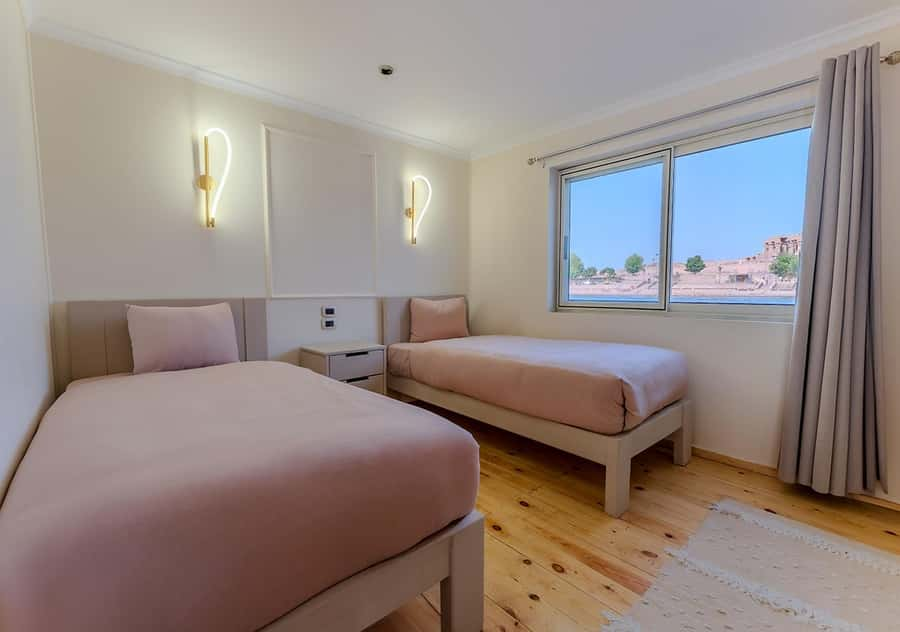
Aswan is the kind of finish that works well after days of touring. On Day 5, you arrive in the city famous for Nubian history, then you go to Philae Temple.
Philae’s draw is also narrative. The temple is tied to famous legends of love and loyalty, and that theme helps the site feel less like an academic stop and more like a living myth that Egypt carried through time.
As the day winds down, the Dahabiya staff runs a simple departure party in the evening. It’s not described as a big show, but it does sound like one of those small onboard moments that makes the trip feel like a complete experience rather than just a series of transfers.
You’ll sleep onboard again, so you’re not scrambling right away after sightseeing. That’s a big quality-of-life point on a route like this.
Day 6: Disembark After Breakfast and Transfer in Aswan
After breakfast, you disembark and then get your final transfer to your destination in Aswan.
This is a straightforward closing day, and that’s good. When you’ve spent multiple days moving between temples and sailing, you want the end to be calm and predictable—not another round of driving and “one more stop.”
If you’re pairing this with a longer Egypt plan, Aswan is a solid place to connect to other activities. Just remember: entrance fees were not included, so if you’re building a budget, plan for the paid entry portion separately from the tour price.
Price and What You’re Really Getting for Around $1,400
At about $1,400 per person, the value here isn’t just the boat. The value is the combination of:
- 4 nights onboard on a Dahabiya (with meals across the cruise portion)
- 1 night in a 4-star Luxor hotel with breakfast
- door-to-door A/C transfers between Luxor and Aswan
- an expert guide and stops that hit major sites plus added variety like Gebel El-Silsila and a Nile village
That’s why the price can make sense even though entrance fees are extra. You’re not only paying for sightseeing tickets; you’re paying for transport, guidance, and time saved by having the schedule handled.
The caution flag is time at sea. One booking experience pointed out that the itinerary may feel shorter than the 6-day label suggests, with only a few nights actually spent onboard. So, if your top priority is lots of sailing hours and lots of time on the water, double-check what your exact dates translate to in real onboard nights.
Also factor in language. Live guiding is available in English and French, but one account specifically noted the guide was only in French. If you don’t read French, confirm your language choice before you go.
What to Bring (And What to Skip) So Days Feel Easy
This trip is very sun-and-walk focused, so pack like you’ll be outside for hours. The essentials are simple:
- comfortable shoes
- sunglasses and a sun hat
- sunscreen
- comfortable clothes plus beachwear (for deck lounging time)
- passport (a copy is accepted)
On the rules side, keep it simple too: no pets, no drones, no smoking indoors, no bikes or scooters. Drones are a big one for modern travelers—leave them at home.
Also plan to show up with your pickup details ready. You’re asked to share your exact location at least 24 hours before the start via WhatsApp or email, and the team confirms the meeting point one day ahead.
Guides and Onboard Service: The Human Side That Changes Everything
The quality of a Nile cruise can swing on one thing: how the guide handles the information load. This route benefits from guides who can explain the stories tied to each stop—Hatshepsut, Horus at Edfu, the crocodile-related temple ideas at Kom Ombo, and the Philae legends of love and loyalty.
On the service side, onboard comfort is part of the pitch. One booking described a brand-new Dahabiya with elegant suites and a staff that felt genuinely caring and funny. Another highlighted that meals were delicious and different day to day, with drinks available.
Even if your version isn’t identical, that tells you where the operator seems to focus: comfort onboard, friendly interaction, and solid guidance.
Who This Luxor to Aswan Dahabiya Cruise Suits Best
This itinerary fits best if you want:
- a traditional Dahabiya feel rather than a large-ship cruise
- major temples in a tight sequence, plus smaller stops for variety
- time on the sundeck for photos and slow river watching
- a guided experience that explains what you’re seeing, not just the monuments
It may be less ideal if you’re obsessed with maximizing sailing hours, since the cruise nights may feel limited depending on the exact schedule you book. It also isn’t suitable for people over 95.
If you’re traveling as a couple, this style often works well because you can share deck time without the stress of constant group logistics. If you’re traveling solo, the structured touring can help you avoid decision fatigue—just follow the plan, then enjoy the river quiet.
Should You Book This Trip? My Practical Take
If you want an Egypt experience that feels both organized and relaxed, this is a strong pick—especially because the itinerary mixes big-name temples with stops like Gebel El-Silsila and a Nile village visit that adds texture.
Before you book, do two quick checks:
- Confirm how your dates translate into real onboard nights, since the 6-day label may not match sailing time exactly.
- Verify your guide language (English vs French), especially if you’re not comfortable with French.
If you nail those two points, this is the kind of Luxor to Aswan trip where the memories won’t just be temple photos. You’ll also remember the quieter moments: deck chairs, drinks onboard, and Egypt moving past at the Nile’s pace.
FAQ
What’s included on the cruise days?
The package includes 4 nights on board a Nile Dahabiya from Luxor to Aswan, starting with lunch on the first day and ending with breakfast on the last day. It also includes water and hot drinks during your stay on the Dahabiya, plus an expert tour guide and the sites listed in the itinerary.
Do I need to pay entrance fees for the temples?
Yes. Entrance fees for the mentioned sites are not included in the price.
Is pickup included from Luxor?
Yes. Pickup is included from Luxor airport, the train station, or from hotels in the east bank of Luxor. You’ll need to share your exact location at least 24 hours before the tour starts.
What languages is the live tour guide offered in?
The live tour guide is offered in English and French.
How do meals work during the 6 days?
You’ll have an open buffet breakfast at the Luxor hotel on Day 2. During the cruise portion, you’ll have onboard meals as described in the itinerary, with lunch on Day 1 onboard and breakfast on the last day after disembarkation.
What should I bring for the trip?
Bring comfortable shoes, sunglasses, a sun hat, sunscreen, comfortable clothes, and beachwear. You should also bring your passport (a copy is accepted).
Are drones or pets allowed?
No. Pets and drones are not allowed. Smoking indoors is also not allowed, and there are restrictions on bikes and scooters.