REVIEW · NIMES
Nîmes – Spend a day like an ancient Roman
Book on GetYourGuide →Operated by DIDASKO · Bookable on GetYourGuide
A 2,000-year skyline starts this walk. From the Tour Magne down to the Arènes de Nîmes, you follow a smart route that turns iconic stones into daily life in 1st-century Nîmes. You’ll get a guided story of a Nemausus resident’s world, not just a list of monuments.
I especially like how the tour focuses on atmosphere at each stop, and how the guide tells the city like it’s happening now. The pacing is tight enough that you see the big hitters without feeling rushed into confusion, which is rare on short tours.
One consideration: this is a walking tour in sun and heat, and the route is only 90 minutes, so you’ll want decent stamina and comfortable shoes if the day is warm.
In This Review
- Key things to know before you go
- A 90-minute Roman day that actually feels like a day
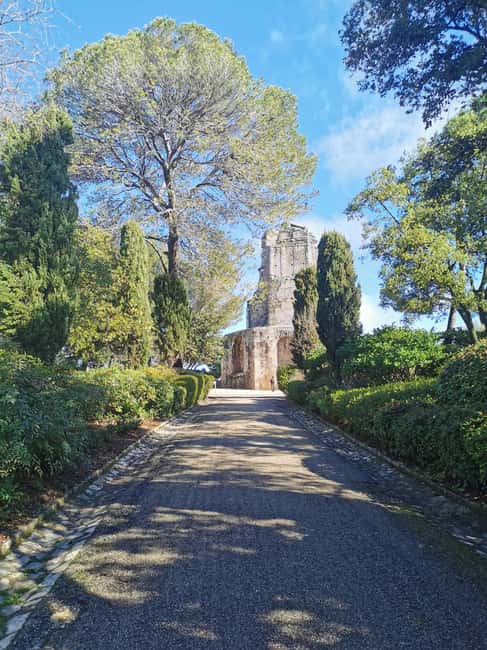
- Tour Magne: start above Nîmes and learn how power is seen
- Jardins de la Fontaine: where a sacred place became a calm place
- Temple of Diana: ruined walls, living debate
- Maison Carrée: the Roman temple that looks like it survived on purpose
- Arènes de Nîmes: not a show, but a place that kept working
- Who this tour suits best (and who might want something longer)
- Price and value: what $17 buys you in real terms
- What to bring (and what to do about heat)
- What the guide style adds to the sites
- Should you book this Nîmes Roman day tour?
- FAQ
- FAQ
- How long is the tour?
- Where do I meet my guide?
- What’s the price per person?
- What’s included in the experience?
- What language will the guide speak?
- Should I bring anything?
- Is the tour good for hot weather?
- Can I cancel if my plans change?
- Will I see gladiators or live animals?
Key things to know before you go
- Tour Magne first: you start with the view that explains why people built here.
- Jardin de la Fontaine feels sacred: it’s peaceful today, but tied to old Nemausus worship.
- Temple of Diana is a puzzle: historians argue, and you’ll hear the reasoning.
- Maison Carrée is top-tier Roman form: one of the best-preserved temples you’ll see.
- Arènes de Nîmes ends the story: it’s not a show, it’s the arena’s real long life.
A 90-minute Roman day that actually feels like a day
Nîmes is one of those Southern France cities where the Roman era isn’t behind glass. It’s in the layout, the scale, and the way certain corners just feel… planned. This tour takes that idea and compresses it into a focused 90 minutes, moving from high ground to sacred gardens to a temple and finally an amphitheater.
The value here is the amount of interpretation you get for the price. For about $17, you’re not just paying admission-level attention spans. You’re paying for a live guide to connect the dots between Nemausus daily life and the monuments still standing.
If you like short, well-taught tours where you leave with a clearer mental map, this fits. If you need long free time to wander and take photos slowly at every stop, you might feel the time squeeze.
You can also read our reviews of more tours and experiences in Nimes.

Tour Magne: start above Nîmes and learn how power is seen
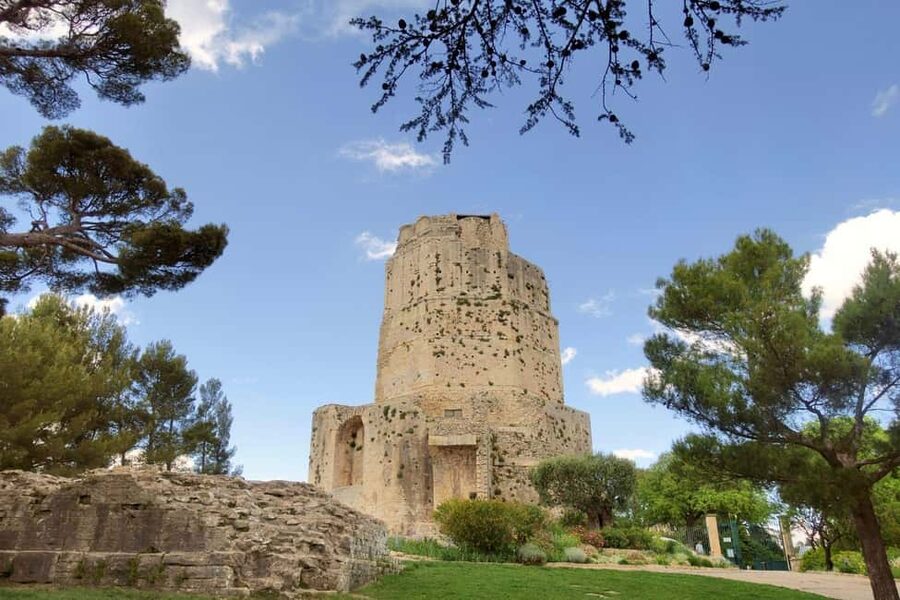
The experience kicks off at the foot of the Tour Magne, and that choice makes sense. This tower has watched the city for over 2,000 years, so starting here gives you a “why” before you get a “what.” Even if you’ve seen photos of it before, the view changes how you understand the rest of your walk.
You’ll also pick up context fast. Roman cities weren’t just built; they were managed. A watchtower like this signals control—over roads, over movement, over risk. It’s an easy first stop because it orients you without requiring a long climb right away.
Practical tip: it can be hot, and the light can be strong. Bring water, and plan to sip early rather than waiting until you feel thirsty.
Jardins de la Fontaine: where a sacred place became a calm place
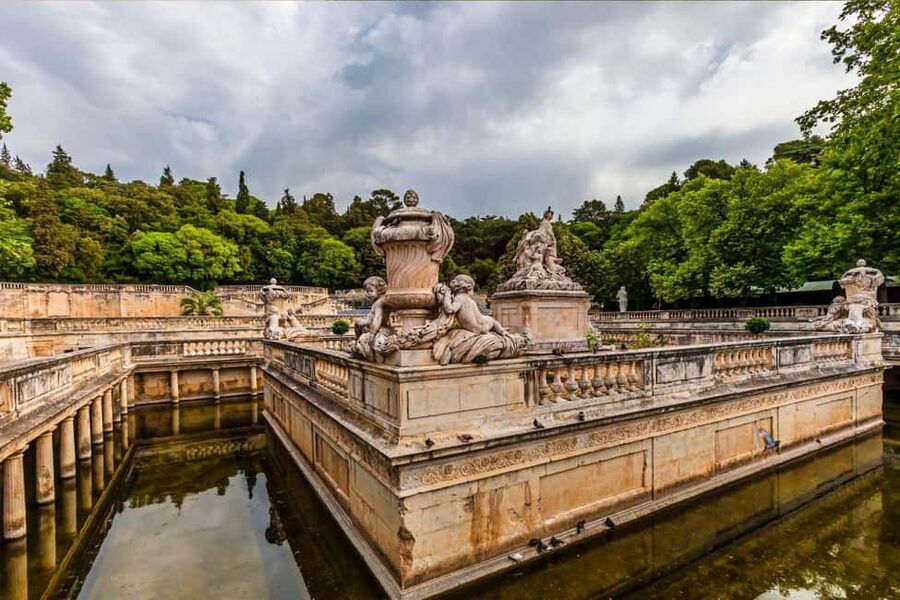
Next comes the Jardins de la Fontaine—a real breathing-space in the middle of a city day. Today, it’s a haven for strolls and shade, but the site’s older life matters. This was tied to worship of Nemausus, the local Roman-era figure connected to the city’s identity.
What I like about this stop is the shift from old ritual to modern peace. You don’t just hear what happened here. You learn how belief leaves traces in place-making, even after the original practices fade. The tour emphasizes that there aren’t animal sacrifices now, but the atmosphere still feels intentionally serious in certain spots.
It’s also a gentle moment in the route. You get a break before the next monument, which helps with the “short but intense” feel of the day.
Temple of Diana: ruined walls, living debate
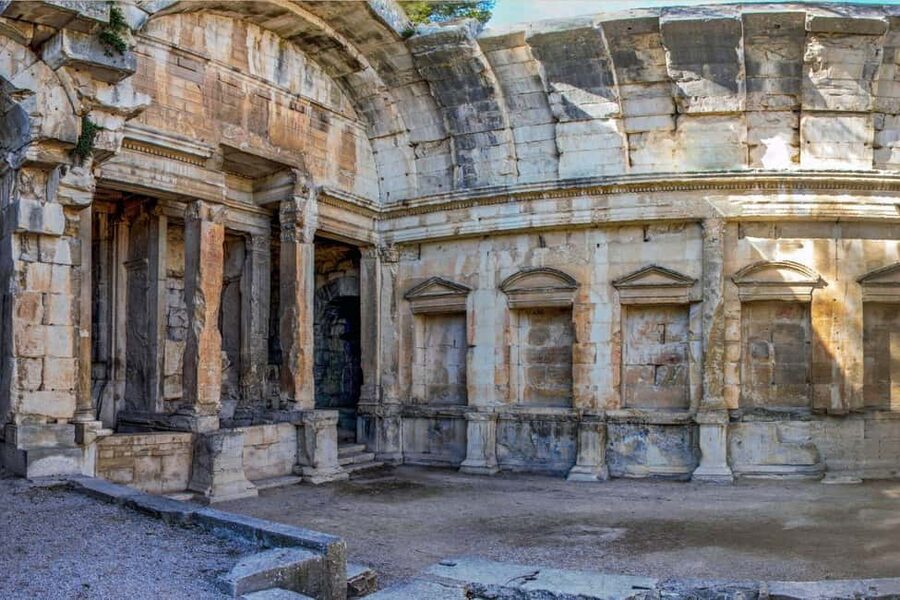
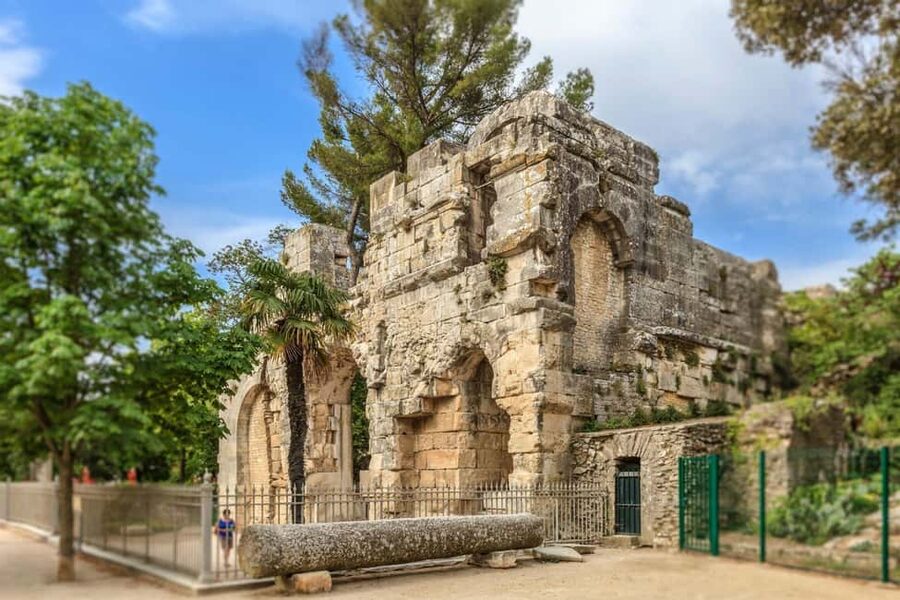
Then you move to the Temple of Diana, where the stones are dramatic and the story is uncertain. The tour presents it as a kind of mystery site: is it truly a temple, a library, or something else entirely? Historians can’t agree, and that uncertainty becomes part of the experience rather than a letdown.
This stop is great if you like thinking like a historian. You’ll hear the logic behind different interpretations, which makes the ruin feel like a question people still work on today. Instead of a static “this is what it was,” you get “here’s why we think it might have been X.”
The practical side: ruins can be exposed, and the light can be bright. This is one of those moments where your water habit pays off, because you’ll probably pause for explanations and photos.
Maison Carrée: the Roman temple that looks like it survived on purpose
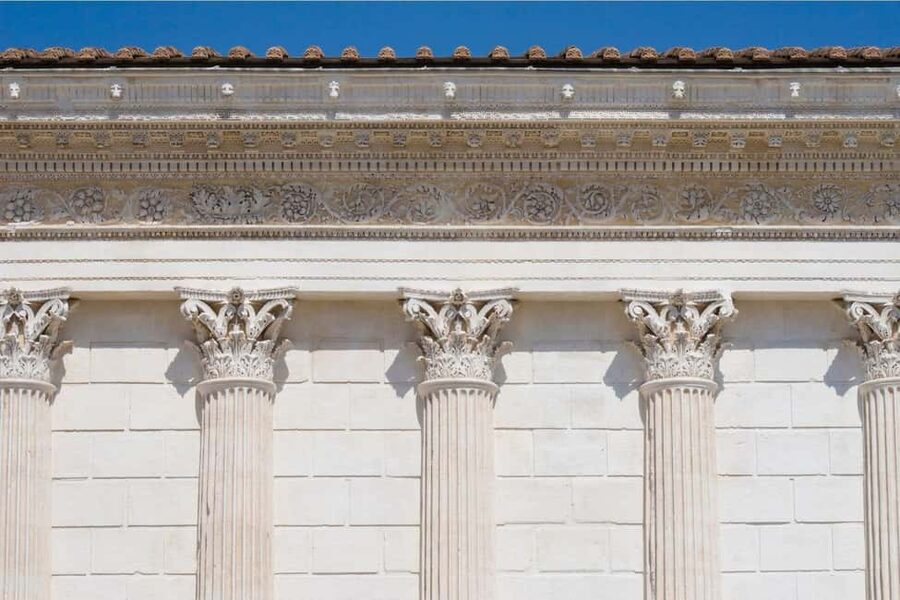
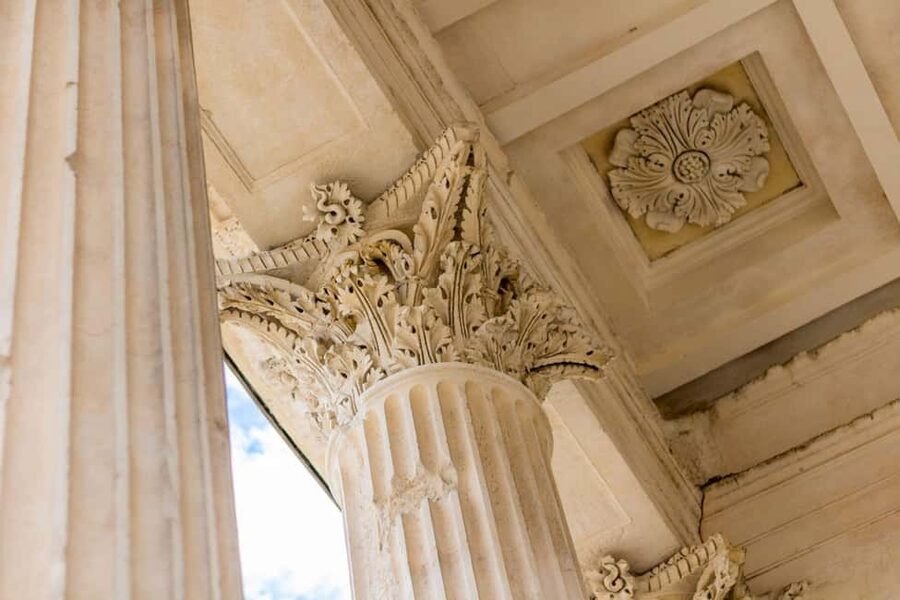
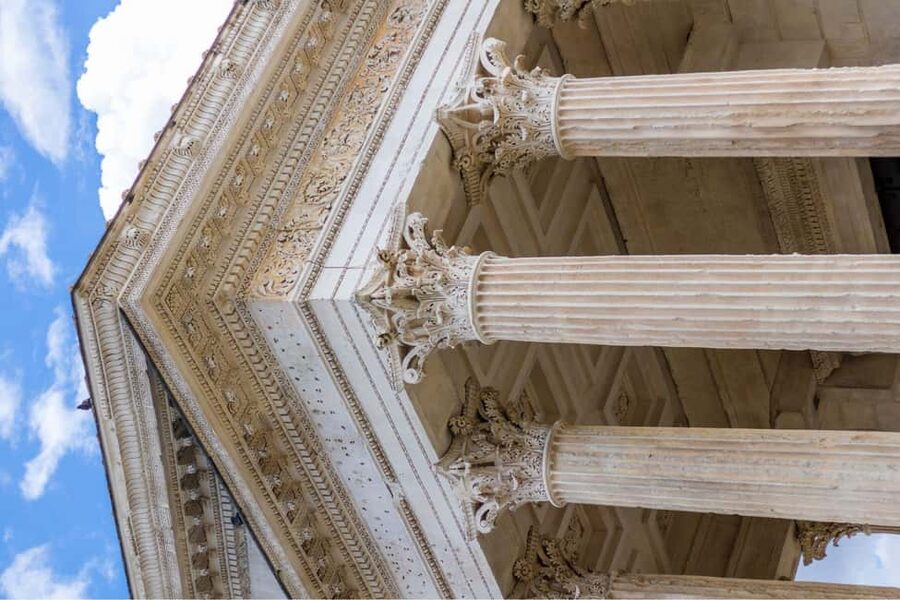
After the mystery, you get something crisp and confident: Maison Carrée. This Roman temple is dedicated to the sons of Augustus, and it’s famous for how well it’s preserved. You’ll feel why people call it one of the best-preserved Roman temples in the world—not because it’s perfect, but because the proportions are so readable even centuries later.
What I like here is the photo-friendly clarity without turning it into a mindless selfie stop. The guide’s job is to keep it human: why this kind of temple mattered, and how Roman authority showed up in stone forms you can still measure with your eyes.
If you enjoy architecture, you’ll appreciate the way the building teaches composition. If you don’t, you’ll still enjoy how the scale makes the past feel real instead of distant. Either way, it’s a highlight stop.
Arènes de Nîmes: not a show, but a place that kept working
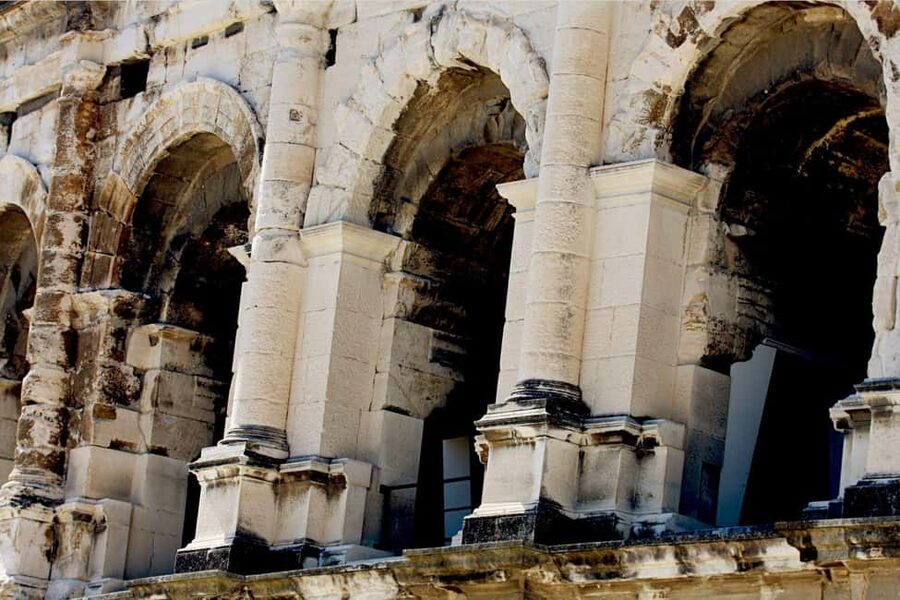
The finale is the Arènes de Nîmes. This is the moment where the Roman story turns from monuments to crowds. The arena is still massive, still purposeful, and it carries centuries of use—even when the specific “entertainment” of Roman times is gone.
The tour is clear about one thing: you won’t see gladiators or hungry lions. Good. This isn’t about reenactment. It’s about understanding how an amphitheater functioned—fights, markets, and even families in the stands at different times.
I love how this kind of site makes you think about everyday logistics. Where do you enter? How do people sit? How do sounds travel? Once you’re standing in the right space, you can feel how a city could revolve around this kind of public stage.
Because the tour ends here, you can also decide what you want to do next on your own—linger for photos, or continue exploring nearby streets while the Roman framing is still fresh in your head.
Who this tour suits best (and who might want something longer)
This works best if you:
- Want a fast guided route through major Roman landmarks without planning a whole day of logistics
- Like clear storytelling, with anecdotes and personality (guides such as Cassidy are known for enthusiastic, humorous communication)
- Enjoy short “identity-building” tours, where you leave with a stronger mental map of a place
It may not be perfect if you:
- Prefer slow travel and lots of quiet time at each site
- Need extended stops for wheelchair pacing or long rests (the day is short, so explanations and movement happen fairly close together)
- Only want one kind of attraction (for example, if you want fully restored interiors, you’ll mostly be working with outdoor monuments and ruins)
Price and value: what $17 buys you in real terms
At around $17 per person for a 90-minute guided walking experience, you’re buying efficiency and interpretation. Your money goes toward a live guide in French and a route that connects multiple top sites into one coherent “day in Roman Nîmes” storyline.
If you were doing it on your own, you’d still see the monuments—but you might miss the meaning that turns stones into daily life. This tour is built for that exact gap. Even the short duration is a feature: you get the highlights without losing your whole afternoon.
As always, check your own comfort with walking. If it’s hot, your water bottle matters more than the price.
What to bring (and what to do about heat)
The simple answer: bring water. The tour explicitly stresses hydration because the Nîmes sun can be generous, especially in summer.
A smart approach:
- Take a small sip before you feel thirsty
- Wear shoes you’re comfortable walking in, since you’ll be moving between stops
- If you’re sensitive to heat, consider starting early in your day and keeping breaks brief but frequent
One small note from real-world experience patterns: you might see people use a funicular option to reach Tour Magne more easily. If it’s available when you go, it can save energy before the walk begins.
What the guide style adds to the sites
The quality of this tour isn’t just the list of landmarks. It’s how the guide speaks and how quickly they make you care. Feedback points to guides who communicate with enthusiasm, clear explanations, and a friendly tone—often with humor. Cassidy is a name that comes up in multiple comments as someone who stays personal and energetic, even in low-season groups.
That matters because Roman history can turn into dates and labels if the guide doesn’t shape it. Here, the storytelling is aimed at making you picture a resident’s routine: city life, worship, and public spaces.
Also, the tour runs in French with live guidance. If you’re comfortable understanding French (or you like history enough to follow along even when your French is rusty), you’ll get a lot from the experience.
Should you book this Nîmes Roman day tour?
Book it if you want a guided hit of Nîmes’ Roman identity in a short time window. The Tour Magne → Jardins de la Fontaine → Temple of Diana → Maison Carrée → Arènes de Nîmes sequence is logical, and it builds meaning as you go—from view to worship to architecture to crowd life.
Skip it (or consider a longer option) if you need plenty of free time at monuments or you don’t like walking routes that move steadily. The day is short, so you won’t get hours of lingering, but you will get a strong story.
If you’re visiting Nîmes for the first time, this is an efficient way to get oriented fast—then you can explore on your own with better instincts.
FAQ
FAQ
How long is the tour?
The tour lasts about 90 minutes.
Where do I meet my guide?
Meet your guide at the foot of the Tour Magne.
What’s the price per person?
The price listed is $17 per person.
What’s included in the experience?
You get a walking tour with a live guide.
What language will the guide speak?
The live tour guide is in French.
Should I bring anything?
Bring water, especially since the Nîmes sun can be strong.
Is the tour good for hot weather?
Plan for heat. The tour specifically warns that you’ll want hydration so you can enjoy the walk without overheating.
Can I cancel if my plans change?
Yes, you can cancel up to 24 hours in advance for a full refund.
Will I see gladiators or live animals?
No. The amphitheater experience is historical, and there aren’t gladiators or hungry lions.