REVIEW · DOHA
Qatar: Full day City and North Qatar tour | History and Heritage
Book on Viator →Operated by Doha Tourism · Bookable on Viator
Doha and North Qatar in one long day. This guided route stitches together Islamic art, sea walks, and older Qatari life, then pushes north to places many visitors never reach. You’ll see how Doha’s modern face contrasts with pearling-era ports and mangrove sanctuaries.
I love two things most: first, the time you spend in Al Khor and Al Thakhira’s mangroves, where the scenery shifts from city glare to sea-bird country. Second, the day lands on Al Zubara Fort, Qatar’s first UNESCO World Heritage Site, so the “history” part feels grounded and physical, not just photos.
One drawback to plan for: it’s a long day (about 6–7 hours) and two major stops have entry fees—Museum of Islamic Art and Al Zubara Fort. Also, there’s no set lunch stop listed, so you’ll want to eat before you start.
In This Review
- Key highlights to look forward to
- Why this Doha-plus-North itinerary feels like two trips
- Museum of Islamic Art in Doha: the stop worth paying for
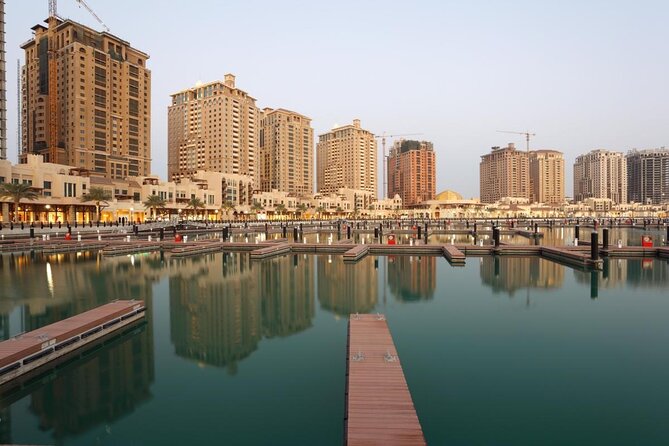
- Doha Corniche and Pearl Island: sea views plus modern glamour
- Katara Cultural Village and West Bay: art venues to skyline ambition
- Souq Waqif: where you slow down (and why timing matters)
- Al Khor harbor: pearling-era Qatar with a calm shoreline pace
- Al Thakhira Beach and mangroves: the environmental story you can actually see
- Purple Island at Al Khor: a quieter reset before archaeology
- Al Zubara Fort: Qatar’s UNESCO stop that feels real
- Price and value: what you’re actually paying for
- Timing, heat, and what to pack for a 6–7 hour day
- Who this tour suits best (and who should skip it)
- Should you book this Doha and North Qatar tour?
- FAQ
- What’s the duration of the tour?
- Where does the tour take place?
- Is pickup included?
- How much does it cost?
- What’s included in the tour price?
- Which entrance fees are not included?
- Is Souq Waqif included, and is there an entry fee?
- Are the mangroves part of the itinerary?
- Is there a chance to see Bahrain?
- Can I cancel for a full refund?
- What’s the group size?
Key highlights to look forward to
- North Qatar beyond Doha: Al Khor harbor, mangroves, and Purple Island add real variety to the day.
- UNESCO at Al Zubara Fort: archaeological ruins and a renovated fort area make the stop feel substantial.
- Sea-to-nature pacing: promenade views in Doha, then coastal habitat around Al Thakhira.
- Souq Waqif in the right order: a guide may shift timing since Souq Waqif often comes alive later in the afternoon.
- Small group size: the max group size is 6, so you’re not stuck waiting for a crowd.
- Practical comfort: coffee/tea, bottled water, and an air-conditioned vehicle help a lot in Qatar’s heat.
Why this Doha-plus-North itinerary feels like two trips
This tour works because it’s not just “Doha sightseeing.” You start with the city’s big identity markers—museums, sea walks, and skyline districts—then you travel north to places tied to Qatar’s older economy and environment. That shift matters: Doha’s gleam is easy to see on your own, but the mangroves and pearling-area towns are the part you’d struggle to stitch together without a plan.
You also get a guide who can manage time and comfort. In one case, Wahood reportedly rearranged the day so the northern sights came first, because Souq Waqif tends to get lively after 3. Even if your guide doesn’t do it exactly that way, you can expect schedule logic aimed at photos, timing, and heat.
You can also read our reviews of more tours and experiences in Doha.

Museum of Islamic Art in Doha: the stop worth paying for
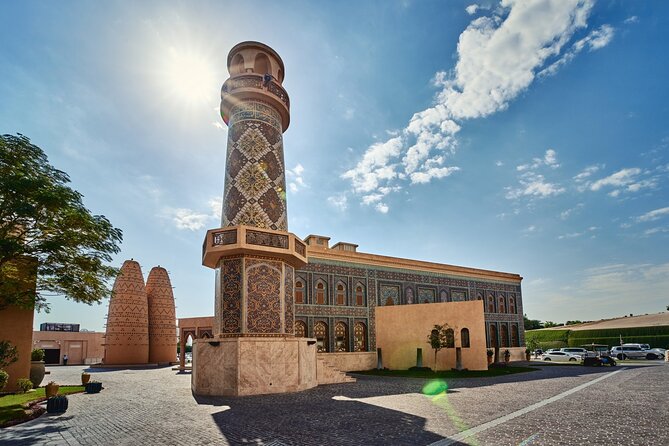
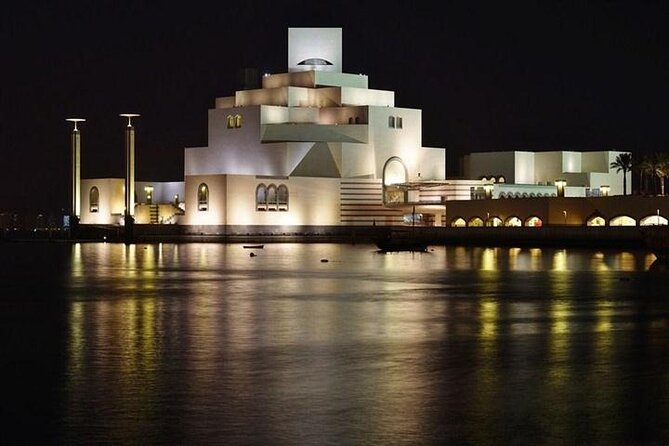
Your day often begins at the Museum of Islamic Art (MIA), a flagship Doha museum with Islamic art spanning over 1,400 years and three continents. If you care about design—calligraphy, pattern, architecture-inspired objects—this stop is usually the one that gives context to everything else you’ll see.
Plan for a relaxed pace here. The tour allots about an hour, and the entrance ticket isn’t included. Budget $15 per person for admission, then decide if you want the full-time museum feel or just the most impressive highlights within that hour.
Practical note: MIA is one of those places where having a guide can help you connect what you’re looking at to the region’s broader artistic traditions. If you’ve got limited time in Doha, this is the “most culture per hour” way to spend it.
Doha Corniche and Pearl Island: sea views plus modern glamour
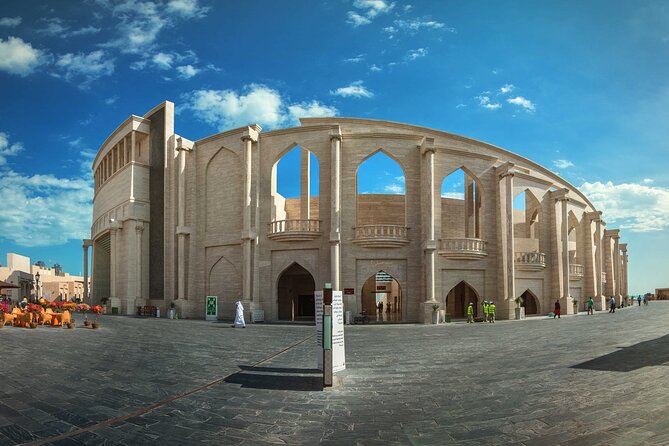
Next up is Al Corniche, a 10km palm-fringed promenade along Doha Bay. This is the easy win for your morning/early afternoon: a scenic walk where you can see hotels, government buildings, and open parks all along the waterfront. The stop is short (about 20 minutes) and free, which makes it a great reset between more time-intensive sights.
Then you’ll head to The Pearl Island, a man-made island developed as an upscale enclave. It’s described as covering 400 hectares of reclaimed land and being Qatar’s first international urban development venture. That means it’s not “historic Qatar”—it’s a snapshot of the modern city’s ambition.
This is a good place for quick photos, especially if the light is cooperating. Since the stop is only about 30 minutes, treat it like a viewpoint stop: look around, take your pictures, and let the next segment do the deeper work.
Katara Cultural Village and West Bay: art venues to skyline ambition
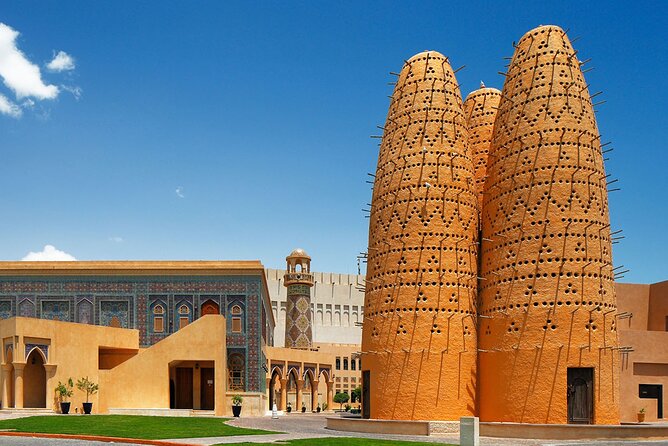
At Katara Cultural Village, you’re stepping into Qatar’s arts-and-events infrastructure. The tour frames it as a multi-dimensional cultural project with theatres, concert halls, exhibition galleries, and modern facilities. Because the stop is about 30 minutes and free, it’s more of an orientation pass than a long sit-down visit—perfect if you’re trying to pack city and north-country into one day.
After that, you’ll pass through West Bay, Doha’s modern district with tall skyscrapers and large-scale development. This part of the day is where Doha’s “present tense” shows up most clearly. If you like contrasting architecture—traditional textures earlier, then polished glass towers later—this timing helps.
Souq Waqif: where you slow down (and why timing matters)
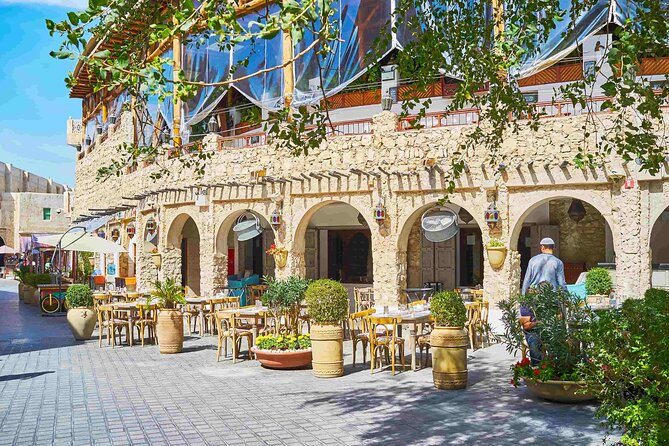
Souq Waqif is the traditional heart of the shopping streets, with narrow alleys that funnel you from shop to shop. Expect spices and seasonal delicacies, perfumes, jewelry, clothing, and handicrafts—plus the kind of cultural shows and street music that create an atmosphere you can feel as much as you can see. The stop is about an hour and free.
Here’s the trick: Souq Waqif often feels better later. One guide, Wahood, reportedly suggested changing the order so the north sites happen first and the souq arrives when it’s truly active. If your tour doesn’t do a time shift like that, still plan to spend your hour casually: browse, snack if you want, and don’t rush the alleys.
What I like about this stop is that it’s a “real-life” place, not a staged attraction. You can go in wearing whatever you’re comfortable in, but keep an eye on local customs in crowded areas.

Al Khor harbor: pearling-era Qatar with a calm shoreline pace
Now you shift from Doha’s waterfront identity to Al Khor, about 50 km north. The tour describes it as older than Doha but smaller in size, and historically a center for the pearling industry and fishing. When cultured pearls changed the market, Al Khor lost some of its earlier importance—but the town kept its harbor character.
The stop is about 30 minutes and free. You’ll look at the scenic harbor where traditional fishing dhows are seen, plus a corniche route that links to mangrove colonies. The idea here is simple: this isn’t just a photo stop—it’s a pause that explains how Qatar’s coast used to shape livelihoods.
If you’re the type who likes to understand a place by its economy—what people did for work—Al Khor is a smart pivot point. It connects the dots between “what Doha looks like now” and “how Qatar earned its living before the skyline era.”
Al Thakhira Beach and mangroves: the environmental story you can actually see
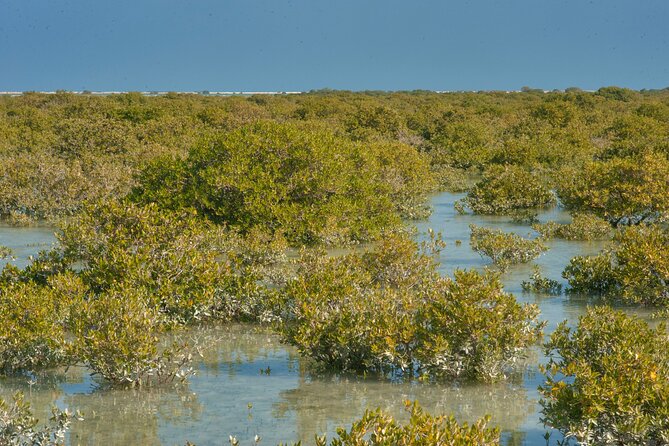
Al Thakhira Beach is where the tour’s tone changes toward nature. The mangrove colony is described as a major tourism product and an important natural environmental resource for Qatar. It functions as a habitat and sanctuary for birds, fish, and other animals, and it also helps prevent coastal erosion.
The stop is about 30 minutes and free. This is not a long guided hike—it’s more of an observational visit, enough time to see what makes mangroves special without dragging the day out.
In practical terms, mangroves also help with pacing. After hours of sun outside Doha’s museums and promenade, the natural setting gives your eyes a break. Bring sunglasses, and wear breathable clothing; the heat can be intense, but you can still enjoy this part of the day without suffering through it.
Purple Island at Al Khor: a quieter reset before archaeology
For a calmer finish to the nature block, you’ll likely visit Purple Island (Al Khor Island), described as serene and set amidst mangroves and lush greenery beyond Al Khor. The tour frames it as a chance to reconnect with nature away from the city bustle.
The stop is about 45 minutes and free, with the option for longer walks or family picnics. It’s also described as having kayaking options, which suggests the area is set up for water activity if you’re traveling with a more active group.
If you’re deciding what “kind of traveler” you are, this is where you’ll know: if you enjoy slow scenery and a break from architecture, you’ll love this part. If you only want big-ticket landmarks, it may feel like a breather between stronger sights.
Either way, it’s smart pacing for a 6–7 hour day.
Al Zubara Fort: Qatar’s UNESCO stop that feels real
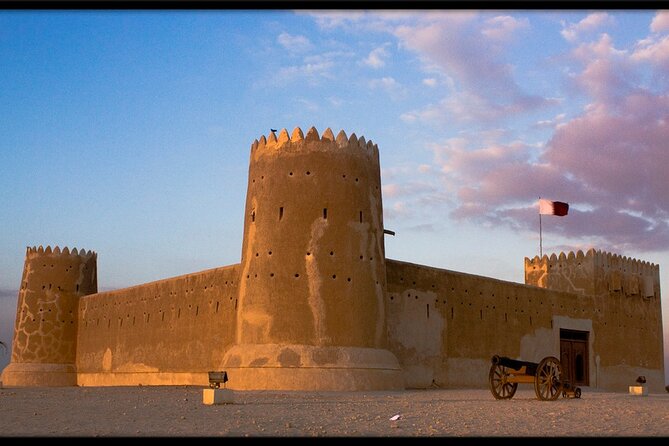
This is the heavyweight historical moment: Al Zubara Fort, built beside the ruins of an ancient fort. The tour notes that Al-Zubarah once was a flourishing port and center of trade, fishing, and pearling. Today, it’s Qatar’s first UNESCO World Heritage Site, and the protected area is one of the most important archaeological sites in the country.
You’ll get about an hour here. The entrance fee is not included, and the tour data lists $15 per person. The stop also references international archaeological teams working under the Qatar Museums Authority, with artifacts uncovered and displayed in the renovated fort.
This is where good guiding really matters, because the site can be bigger than a “quick look.” Even if you’re not a full-on history buff, the physical remnants make it easier to imagine what life looked like in a trading port community.
One extra note from real-world experience: some guides spend time managing heat and pacing. In one account, Abdullah reportedly accommodated the group due to very hot conditions, so you weren’t just suffering your way through the ruins. If you’re sensitive to heat, ask your guide what the best way is to keep the time outside comfortable.
Price and value: what you’re actually paying for
At $146 per person, the tour isn’t just “a driver and a list of stops.” You’re paying for a structured day across two zones: Doha city sights plus north-country coastal and UNESCO archaeology.
What’s included is practical: air-conditioned vehicle, bottled water, and coffee/tea. That can save you money and hassle compared with trying to cobble it together with taxis and separate guide time. Also, the group cap of 6 matters: smaller groups usually mean fewer waits and more flexibility for photos.
What costs extra is mainly the museums/fort tickets. Based on the tour data, you may add $15 for the Museum of Islamic Art and $15 for Al Zubara Fort. So if you plan to enter both, budget about $30 more per person.
Is it worth it? For most visitors, yes—especially if you don’t want the headache of transportation planning to Al Khor and Al Zubara. If you’re only interested in Doha city sights, you could do those separately and keep your day shorter. But if you want North Qatar context, this price tends to feel fair for the amount of ground you cover.
Timing, heat, and what to pack for a 6–7 hour day
This is a long day. Even when stops are short, you’re transferring between areas and spending time outdoors around harbors, promenades, and mangrove sites. The tour data also notes there’s additional time traveling from one attraction to another.
So pack like it’s a warm coastal day:
- Sun protection (hat, sunscreen, sunglasses)
- Comfortable walking shoes
- A light layer for air-conditioned vehicle rides
- A refillable water bottle if you like, even though bottled water is included
If you tend to get tired fast, eat a hearty breakfast. One practical review point was that there’s no clear lunch stop in the schedule, so your energy level matters.
Who this tour suits best (and who should skip it)
You’ll enjoy this tour most if you:
- Want a solid first look at Doha plus the north without juggling logistics
- Like seeing how Qatar’s identity shifts from pearl-era coastal towns to modern skyline districts
- Appreciate UNESCO sites, even if you’re not a full museum person
You might skip it if you:
- Only care about Doha’s museums and want a short day
- Hate long drives and prefer neighborhood strolling
- Want a guaranteed lunch stop and don’t want to plan meals yourself
Should you book this Doha and North Qatar tour?
If your goal is to understand Qatar beyond the city Instagram loop, this is a strong choice. The mix of museums, sea views, Souq Waqif, Al Khor harbors, mangroves, Purple Island, and Al Zubara Fort gives you a day that feels like it covers both the human story and the natural setting.
My recommendation: book it if you’re open to a full day and you’re willing to budget the extra museum/fort fees. If you’re choosing between “Doha-only” and “Doha + North,” pick this one. Doha is impressive, but North Qatar is where the country’s layers become easier to see.
FAQ
What’s the duration of the tour?
It runs about 6 to 7 hours.
Where does the tour take place?
The tour is based in Doha and includes sites in North Qatar.
Is pickup included?
Pickup is offered.
How much does it cost?
The price is listed as $146.00 per person.
What’s included in the tour price?
Coffee and/or tea, bottled water, and an air-conditioned vehicle are included.
Which entrance fees are not included?
Museum of Islamic Art and Al Zubara Fort entrance fees are not included.
Is Souq Waqif included, and is there an entry fee?
Souq Waqif is included and listed as free.
Are the mangroves part of the itinerary?
Yes. You visit Al Thakhira Beach for the mangroves, and you also go to Purple Island near Al Khor.
Is there a chance to see Bahrain?
The tour overview says you can see Bahrain on clear days from the Al Shamal area.
Can I cancel for a full refund?
Free cancellation is available. You can cancel up to 24 hours in advance for a full refund.
What’s the group size?
The maximum group size is 6 travelers.


![[All Inclusive] The Soul of Bali: Temples, Art & Traditions Tour - Hotel Pickup From Ubud and South Bali Hot Spots](https://l.myfavoritehistorytour.com/wp-content/uploads/all-inclusive-the-soul-of-bali-temples-art-traditions-tour-400x267.jpg)