REVIEW · HIROSHIMA
Peace Memorial Park, Hiroshima Castle, & Garden Private Tour
Book on GetYourGuide →Operated by Voyagers · Bookable on GetYourGuide
Three Hiroshima sights, one tight two-hour loop. I like the way the Atomic Bomb Dome and memorial exhibits are explained with context, and I love ending with the calm pace of Shukkei-en Garden. It’s a focused, human-sized tour that fits well if you want the big moments without getting lost in logistics.
Because it’s only about 2.5 hours, you should expect a highlights pace, not a slow wander. And since the Peace Memorial Museum keeps things solemn, you’ll be in a quiet mindset inside the museum.
In This Review
- Key things that make this tour worth your time
- Why this private Hiroshima combo makes sense in 2.5 hours
- Hiroshima Peace Memorial Park: where every stop has meaning
- The Bell of Peace and Hypocenter stop: quick, but not throwaway
- Inside the Peace Memorial Museum: read, don’t talk
- Hiroshima Castle: feudal Japan without the headache
- What you gain with a guide at the castle
- Shukkei-en Garden: the calm reset after big emotions
- Price and what you’re really paying for
- Timing, meeting points, and how to keep the day smooth
- What to bring (this is not optional)
- Museum etiquette you’ll want to remember
- Who this tour is best for
- Should you book this private tour of Peace Park, Castle, and Shukkei-en?
- FAQ
- How long is the tour?
- Is this a private tour?
- Do I need to buy tickets for the attractions?
- What are the main stops on the tour?
- Where does the tour start and end?
- Is pickup provided?
- Is the tour in English?
- Is it possible to speak during the Peace Memorial Museum visit?
- What should I bring for the day?
Key things that make this tour worth your time
- A local guide who ties the story together across Peace Park, castle, and the garden.
- Skip-the-ticket-line access, so you spend more time seeing and less time waiting.
- Short guided stops at major memorial points (like the Bell of Peace and the Hypocenter).
- All three contrasts in one outing: devastation, feudal Japan, and a calm traditional garden.
- Tour photos included, which helps if you’re traveling with family or just don’t want to manage your camera all day.
Why this private Hiroshima combo makes sense in 2.5 hours
This is the kind of tour that works because it respects your time. You cover three of Hiroshima’s headline sites—Peace Memorial Park, Hiroshima Castle, and Shukkei-en Garden—without pretending you can “fully experience” everything in one afternoon.
A big plus is that it’s private, so your guide can slow down for questions or speed up when the group is ready. That matters here. The subject matter at Peace Park asks for time and attention, while castle and garden are easier to enjoy at a more comfortable walking pace.
Price-wise, $101 per person is only “reasonable” if the tour does what it promises: a guide, English commentary, entry tickets, and practical time-savers. This one covers all of those, plus tour photos. If you’re paying to move yourself around Hiroshima anyway, the guided plan starts to feel like a smart trade.
You can also read our reviews of more tours and experiences in Hiroshima.

Hiroshima Peace Memorial Park: where every stop has meaning
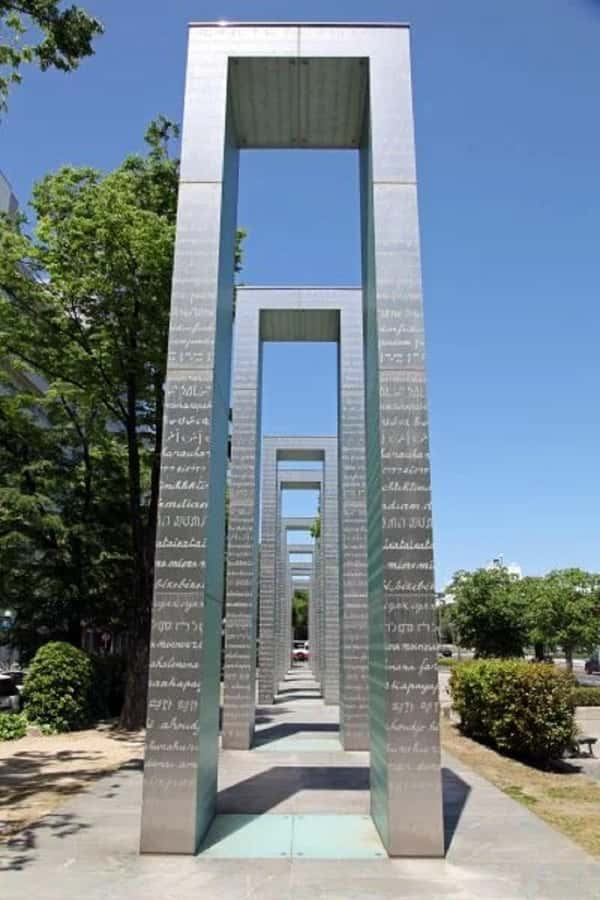
You begin in the Hiroshima Peace Park area, and the experience stays focused on reflection. The tour’s rhythm is built around key memorial points, with guided time at each. That structure is helpful because it turns scattered sights into a clear narrative.
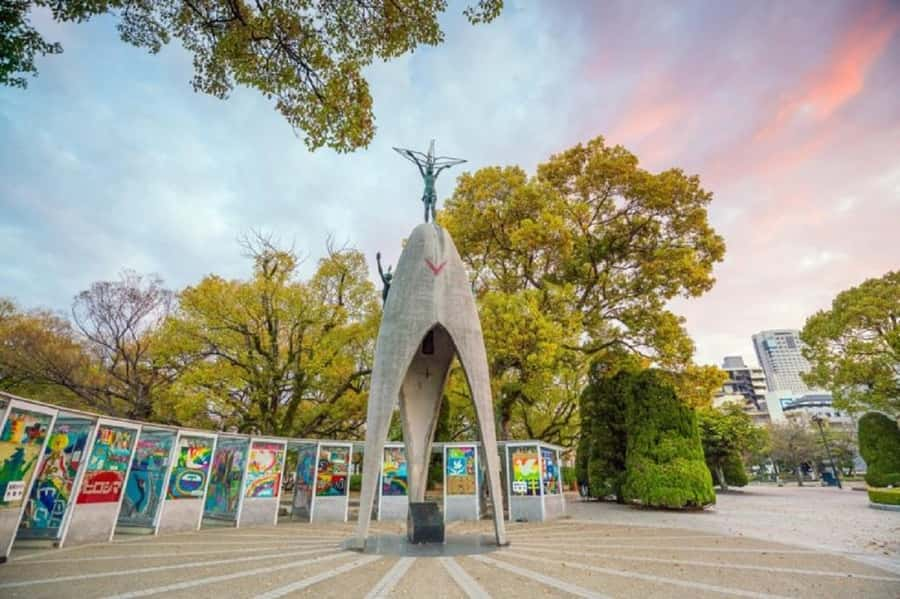
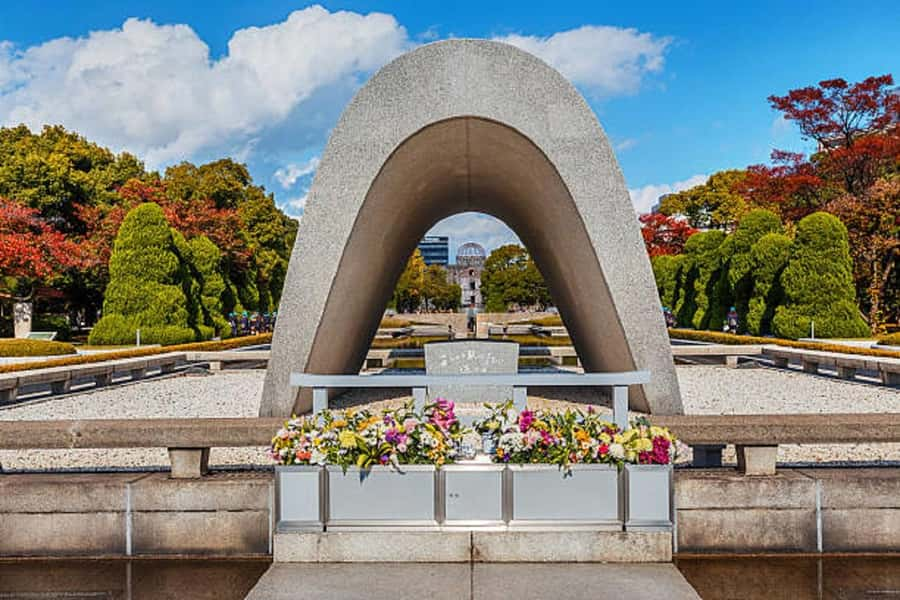
You’ll see the Atomic Bomb Dome as a central emotional moment. It’s not just a photo spot; your guide frames what you’re looking at and helps you understand why it remains such a powerful symbol. From there, the route continues through other memorials within the Peace Park grounds—places like the Hiroshima Victims Memorial Cenotaph, the Flame of Peace, and the Children’s Peace Monument—each one marking a different angle of remembrance.
One practical reason this part works as a guided tour: Peace Park can feel overwhelming when you’re reading everything alone. With a guide, you get the big thread first, and the details start to click. You’ll still read things at your own pace, but you won’t feel like you’re walking through a museum of names without a way to connect them.
The Bell of Peace and Hypocenter stop: quick, but not throwaway
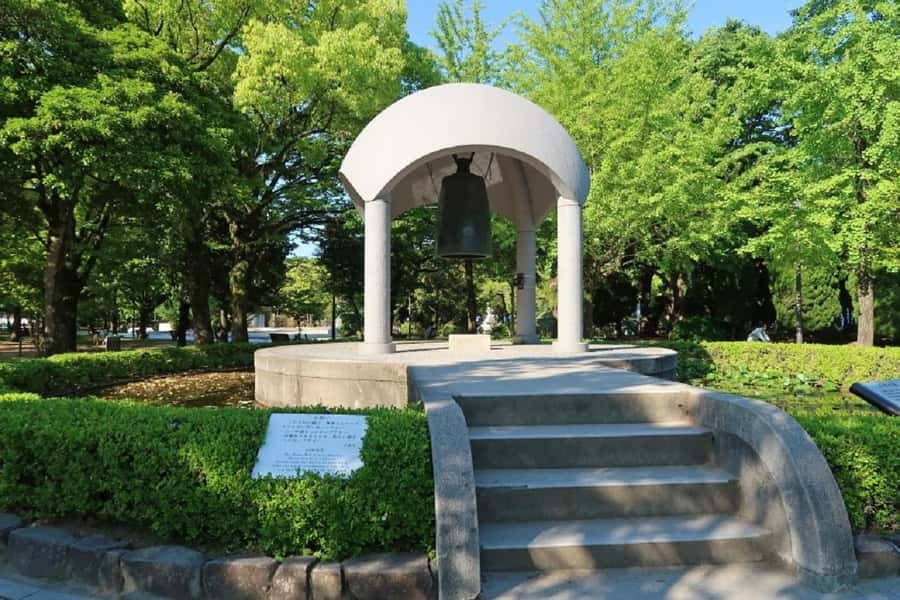
Two stops later in the route—the Bell of Peace and the Hypocenter—are brief by design. But that’s not a drawback. It’s the right use of time: you get a guided point of attention, then you can take your own moment.
If you only had an hour in this area on your own, these might be the spots you’d rush or skip. In this tour, they’re built in, so you leave knowing you didn’t miss the key landmarks that anchor the story.
Inside the Peace Memorial Museum: read, don’t talk
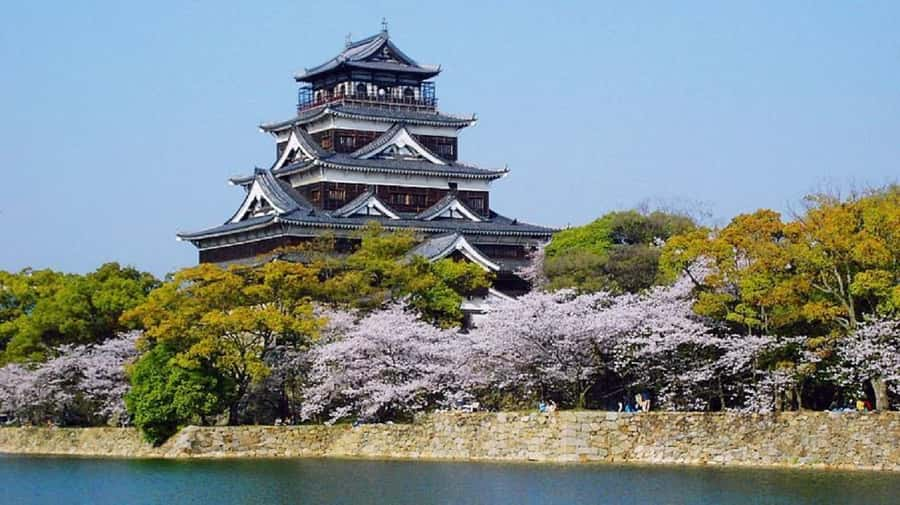
The Peace Memorial Museum is where the tour turns especially solemn. The big rule is simple: speaking is prohibited inside, so you’ll keep your voice down and follow the museum’s quiet atmosphere.
What makes that manageable on a guided tour is that you’re not left guessing what to focus on. Your guide’s narration and pacing help you decide what to read first and what to let settle. Even better, you’ll have English information available inside the museum to support your understanding, which is a practical advantage if your Japanese is basic.
One consideration: this is emotionally heavy content. The guided structure is respectful, but you should still plan your mindset. If you’re traveling with kids, it helps that the guide can adjust the experience so it’s engaging without being careless.
Hiroshima Castle: feudal Japan without the headache
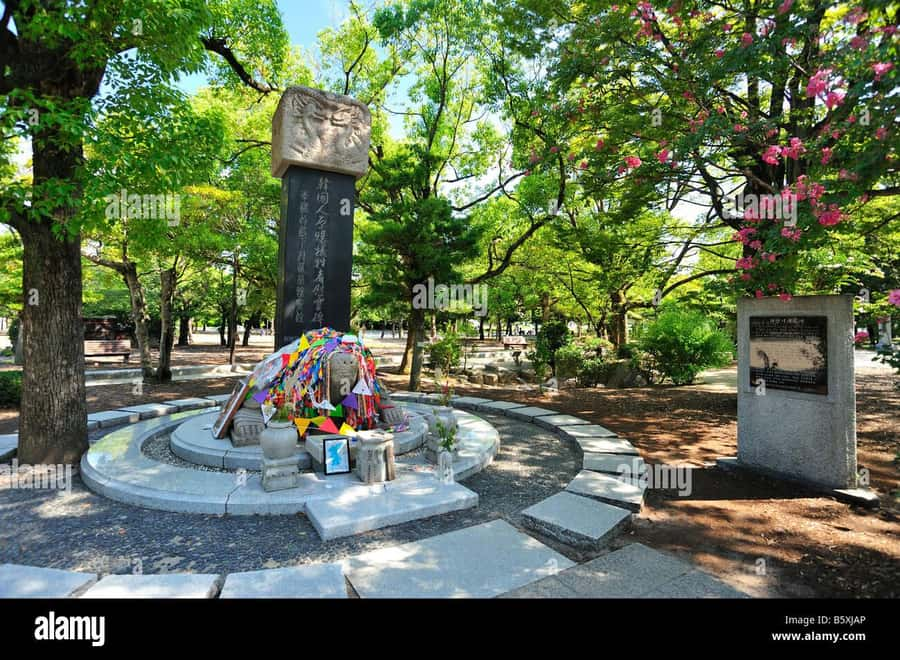
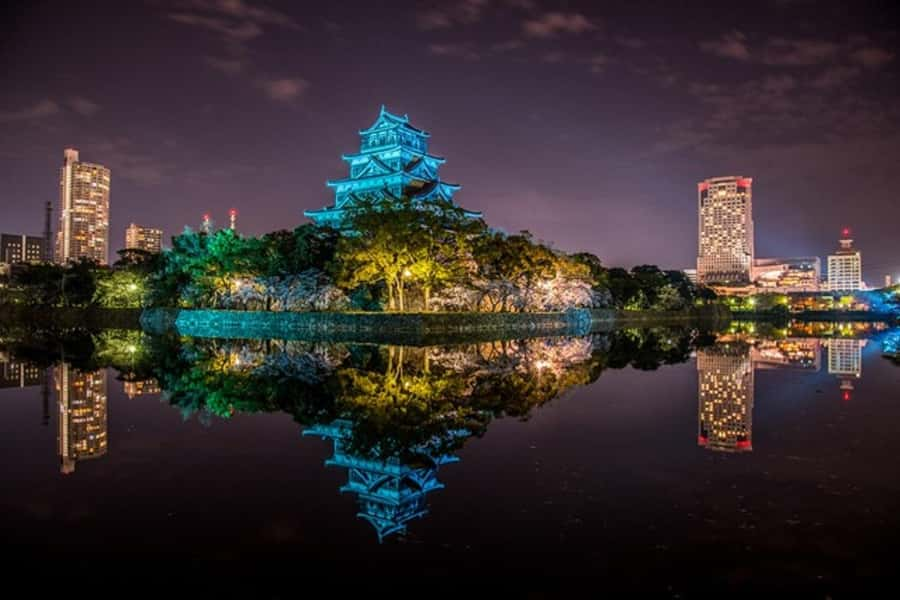
After the memorial portion, Hiroshima Castle gives you a complete change of tone. You step into a fortress setting that feels tied to Japan’s feudal era—broad views, strong architecture, and a sense of scale you don’t get from street-level sightseeing.
You’ll get a guided look at the castle interiors and then climb up for views. The tour keeps things efficient, with about 30 minutes of guided time here. That’s a sweet spot for many people: enough to understand what you’re seeing, without eating the entire day.
What you gain with a guide at the castle
Castle grounds are easy to treat like “just buildings,” especially if you’re tired after Peace Park. A guide changes that. You’ll connect the architecture and spaces to the story of the castle and its place in Hiroshima’s history.
Also, the castle visit includes Gokoku Shrine, located on the castle grounds. Having a guide point out what it is and why it’s there adds depth without requiring you to become a castle scholar for the afternoon.
Shukkei-en Garden: the calm reset after big emotions
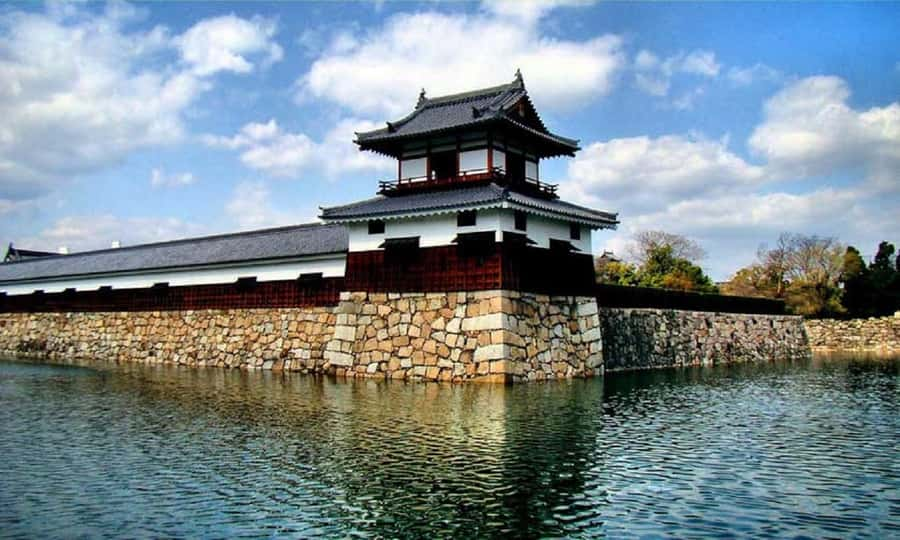
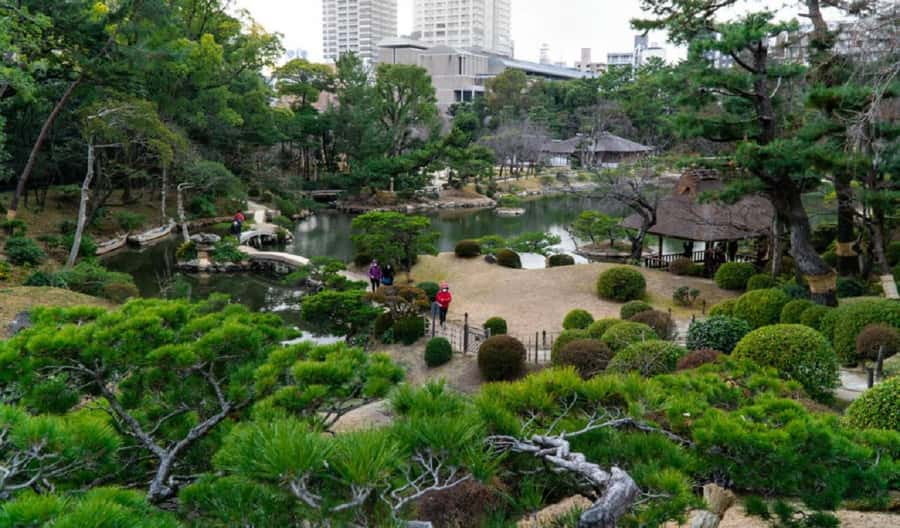
Then comes Shukkei-en, and it feels like a breath of air—though it’s not just pretty scenery. This traditional Japanese garden is a structured, intentional space: ponds, bridges, and carefully arranged pathways that make walking itself part of the experience.
Your guided time here is about 25 minutes. That’s long enough to enjoy the details your guide points out, and short enough that you won’t feel trapped. If Peace Park was heavy reading, Shukkei-en becomes the part where your body can relax: slow steps, quiet looks, and the kind of scenery that lets you process everything you just learned.
A practical note: this garden visit works even if your legs are tired. It’s not a “trek.” Comfortable walking shoes still matter, but the pacing is gentler than many other garden experiences in Japan.
Price and what you’re really paying for
$101 per person sounds simple on paper. The real question is what’s included, and here the value is pretty clear.
You get:
- a private tour with an English-speaking local guide
- entry tickets for the Peace Memorial Museum, Hiroshima Castle, and Shukkei-en Garden
- skip-the-ticket-line access
- tour photos
- a walking tour format
- optional pickup options (depending on the chosen option), plus the tour can start from set meeting points
What’s not included: food, and hotel pickup/drop-off. That’s normal for many city tours, but it matters for planning. If you want lunch, I’d treat it as a separate decision. You can also use the tour as a way to get targeted advice on where to eat afterward.
The tour time also matters for value. Two and a half hours is long enough to cover the big sights, but short enough that you’re not paying for a half-day just to stand in lines. When a tour includes tickets and line-skipping, you reduce the “hidden costs” you usually pay in both money and time.
Timing, meeting points, and how to keep the day smooth
This tour ends back at the meeting point, which helps you plan the rest of your day without guessing transportation. The tour can start at Hiroshima Station or at Shukkei-en Garden near the station, depending on which meeting point you select.
There’s also pickup flexibility built in. You can choose an option that includes pickup from Hiroshima Station or the Taxi Stand at Peace Memorial Park. Plus, there’s the possibility of pickup from your accommodation on foot if you’re within a reasonable distance. If you’re not near one of the stated areas, plan to get yourself to the meeting point.
What to bring (this is not optional)
The tour is outdoors in several parts, including the walk through Peace Park and your time around the castle and garden. Pack for the weather:
- comfortable shoes
- sunglasses and a hat
- an umbrella (very handy in rain)
- a water bottle, especially if it’s hot
- comfortable clothes for walking
- personal medication
In summer, Hiroshima can get hot. In winter, it can feel chilly. Dress for walking, not for standing still.
Museum etiquette you’ll want to remember
The Peace Memorial Museum prohibits speaking inside. That’s not a minor detail here—it shapes the whole vibe of the stop. If you’re the type who talks while reading, you’ll have to switch modes. Think: read, pause, and let the information land.
Who this tour is best for
This is a strong fit if you want a structured, English-guided path through Hiroshima’s most important sights. It’s also a good choice for families, since a guide can adjust the tone and pacing so kids stay engaged.
It’s especially good for:
- first-time visitors who don’t want to plan a day across three separate areas
- travelers who want a balance of reflection and sightseeing
- people who appreciate a guide helping them notice what matters at each stop
If you prefer long, independent wandering with no schedule at all, you might feel slightly rushed. The value here is in the guided highlights and ticket-included flow.
Should you book this private tour of Peace Park, Castle, and Shukkei-en?
I’d recommend booking if your priority is clarity and comfort. You’re getting a guide, entry tickets, skip-the-line convenience, and a route that moves from Peace Memorial Park to Hiroshima Castle to Shukkei-en Garden without you having to figure out timing and transitions yourself.
I’d skip (or pair with extra free time) if you’re hoping to spend hours inside museums or if you want a very slow, unstructured day. Peace Park is heavy; castle and garden take energy too. This tour gives you the highlights with strong guidance, not unlimited time.
If you’re deciding between doing everything on your own versus having someone stitch the day together for you, this one leans toward the guided “make sense of it” approach. For a first visit to Hiroshima, that’s usually the smartest way to go.
FAQ
How long is the tour?
The tour lasts about 2.5 hours.
Is this a private tour?
Yes. It’s a private group experience.
Do I need to buy tickets for the attractions?
No. Entry tickets for the Peace Memorial Museum, Hiroshima Castle, and Shukkei-en Garden are included.
What are the main stops on the tour?
You’ll visit Shukkei-en Garden, Hiroshima Castle, Hiroshima Peace Memorial Museum, and key memorial points in the Peace Memorial Park area, including the Atomic Bomb Dome and the Hypocenter.
Where does the tour start and end?
It can start at Hiroshima Station or at Shukkei-en Garden near the station, and it ends back at the meeting point.
Is pickup provided?
Pickup is optional. Options include pickup from Hiroshima Station or the Taxi Stand at Peace Memorial Park, and there’s also pickup from your accommodation on foot if it’s within a reasonable distance.
Is the tour in English?
Yes. The live tour guide speaks English.
Is it possible to speak during the Peace Memorial Museum visit?
No. Speaking is prohibited inside the Peace Memorial Museum to keep a respectful, solemn atmosphere.
What should I bring for the day?
Wear comfortable shoes. Bring sunglasses, a hat, and an umbrella, and dress comfortably for walking. In hot weather, bring water; in colder weather, dress warmly. Also bring any personal medication you need.