REVIEW · KYOTO
Kyoto Fushimi District Food and History Tour
Book on Viator →Operated by Japan Tour Adventure · Bookable on Viator
Fushimi has a quieter story than the gate crowd. This 5-hour Kyoto tour is about the district’s role in modern Japan, mixing sake culture, old inns, and food stops in a neighborhood that still feels local. You’ll start at Fushimi Inari’s fox statue and work your way through shrines, a canal walk, and key battle and Ryoma sites without racing across town.
I like two things a lot: you get real context (not just photos) and the food portion actually fits the history, especially around sake and Ryoma Street. One consideration: it’s a shared group, so French isn’t guaranteed—English gets priority, and the guide may switch to French if possible.
In This Review
- Kyoto’s Fushimi, Not Just Fushimi Inari Gates
- What you’ll like right away
- Key Stops That Make This Tour Worth Your Time
- Starting at Fushimi Inari Taisha: Spirit, Scale, and a Few Quiet Corners
- Gekkeikan Ōkura Sake Museum: Why Old Distilleries Still Matter
- The Fushimi Canal: A Breather Between Big History Stops
- Battle of Fushimiguchi Trace: A 15-Minute Moment With Real Stakes
- Teradaya Historic Site and Sakamoto Ryoma’s Escape Story
- Ryoma Shopping Street: Food and Shopping That Still Feels Local
- 伏水菓蔵 本店: Traditional Sweets to Close the Loop
- Price and Value: What $78.04 Really Buys
- Logistics That Affect Your Day (And How to Handle Them)
- Who This Tour Fits Best
- Should You Book This Kyoto Fushimi Food and History Tour?
- FAQ
- How long is the Kyoto Fushimi Food and History Tour?
- What is the meeting point?
- What time does the tour start?
- What’s included in the price?
- Is lunch included?
- Do I need to buy tickets for the main stops?
- Is there a mobile ticket?
- Is French guidance guaranteed?
- What if I’m a solo traveler?
Kyoto’s Fushimi, Not Just Fushimi Inari Gates
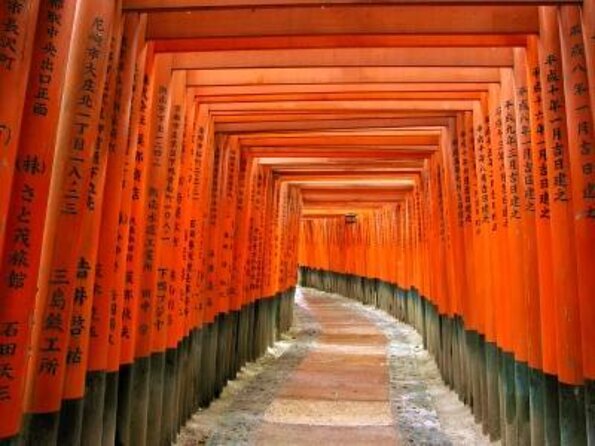
Most people come to Fushimi for the famous torii gates. This tour takes you beyond that headline and into the district’s deeper layers. The focus is on how Fushimi connects to major chapters of Japanese history, while still delivering a proper “Kyoto day out” with tastings and traditional sweets.
What makes it feel worth the price is the pacing. You’re not stacking too many distant sites. Instead, you’re walking a coherent route where each stop explains the next one—shrines and spirits, then sake heritage, then the historical traces tied to the Meiji era turning point.
What you’ll like right away
You’ll also appreciate the small-group feel. The tour caps at 10 travelers, and that matters when you want questions answered and don’t want to feel like you’re being rushed through a checklist.
You can also read our reviews of more tours and experiences in Kyoto.

Key Stops That Make This Tour Worth Your Time
- Fushimi Inari without the noise: you’ll visit the shrine and also hear about the spirit of Inari plus quieter spots people miss.
- Gekkeikan Ōkura Sake Museum: an old distillery setting with museum time included.
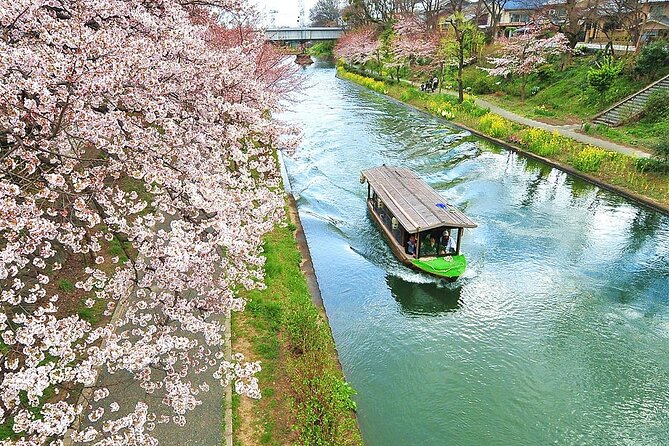
- Fushimi Canal walk: outdoors time with a traditional Kyoto atmosphere (spring cherry blossoms can add magic).
- Battle of Fushimiguchi trace: a short but meaningful history segment tied to the Meiji restoration’s beginnings.
- Teradaya Historic Site and Sakamoto Ryoma: the story of a near-assassination and his escape.
- Ryoma Shopping Street and sweet shop: food, drinks, and a classic finishing stop at 伏水菓蔵 本店.
Starting at Fushimi Inari Taisha: Spirit, Scale, and a Few Quiet Corners
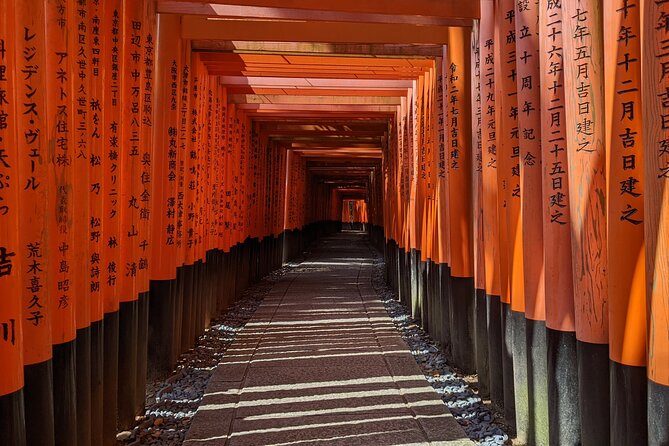
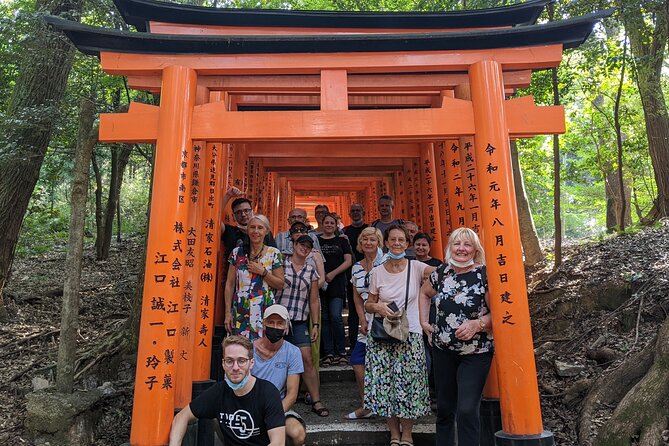
You’ll meet at the fox statue at the entrance to Fushimi Inari Taisha (near 稲荷駅). The day begins at 9:30am, and the first stop is the shrine itself. Expect about an hour here.
Yes, you’ll still be at Japan’s most famous Inari shrine. But the “win” is how the tour frames what you’re seeing. You’ll learn the origin and spirit behind Inari—so the fox imagery and shrine customs make more sense instead of feeling like random décor.
Then you’ll also get a few less-obvious spots in the area. These are the places where you can slow down, look closer, and avoid spending the whole hour stuck in the most photographed flow.
Practical tip: wear shoes you can walk in for about 5 hours. Even with breaks, this tour includes multiple on-foot legs and a canal stroll.
Gekkeikan Ōkura Sake Museum: Why Old Distilleries Still Matter
Next up is the Gekkeikan Ōkura Sake Museum, with about an hour on-site. Entrance is included, and this is one of the clearer “value” pieces of the day.
The tour connects sake to real place history, including the idea of Gekkeikan’s role as the first distillery to export Japanese alcohol overseas. You’ll also get to see a more traditional distillery setup rather than only reading about sake in an abstract way.
If you’re a sake person, this stop helps you connect taste to process and to a long timeline. If you’re not sure about sake yet, the museum portion makes it easier to understand why certain styles exist and how brewing became part of Japanese cultural identity—not just a bar drink.
Small detail that helps: there’s guiding and translation support during the day. That means you’re less likely to wander around a museum feeling lost.
The Fushimi Canal: A Breather Between Big History Stops
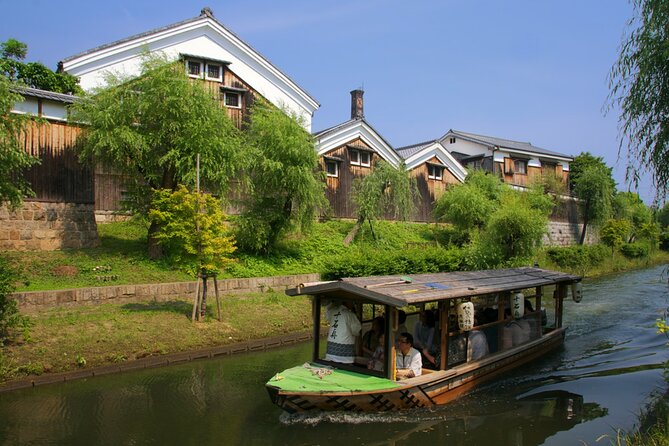
After the museum, you’ll walk by 伏見運河, the Fushimi canal. The time here is shorter—about 30 minutes—but it’s a smart switch in tone.
This is outdoor time in a traditional district, and if you’re in the right season, you might catch cherry blossoms along the canal. Even without blossoms, the canal stretch gives you space to breathe, reset, and take photos without the shrine pressure.
Consider this a palate cleanser between “inside” culture (museum and historical sites) and the next story-heavy area.

Battle of Fushimiguchi Trace: A 15-Minute Moment With Real Stakes
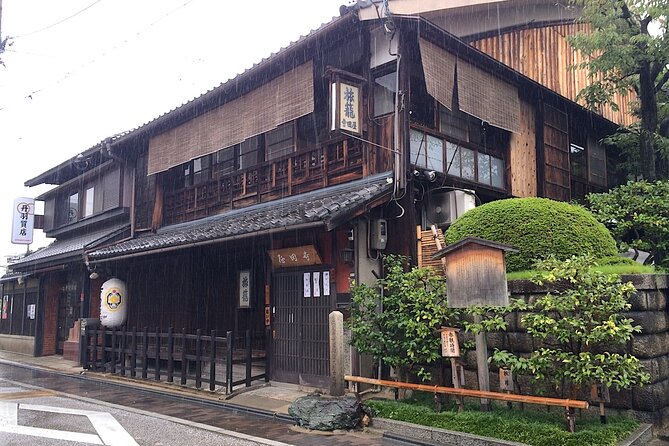
This stop is brief (around 15 minutes), but it’s not filler. You’ll hear the story of the Battle of Fushimiguchi, tied to the larger shift that helped kick off the beginnings of the Meiji restoration.
A good tour doesn’t only show you famous monuments—it teaches you why certain locations mattered. Here, the trace is part of that. It helps you see Fushimi not just as a pretty Kyoto neighborhood, but as a place where outcomes shaped what came next for Japan.
If you like history but don’t want a lecture marathon, this is a nice balance: short enough to stay lively, long enough to leave you with an actual takeaway.
Teradaya Historic Site and Sakamoto Ryoma’s Escape Story
Then comes one of the most dramatic moments of the day: Teradaya Historic Site (about 30 minutes included).
The focus is Sakamoto Ryoma, one of the key historical figures connected to the era’s change. You’ll hear how he nearly faced assassination in his room by the Shinsengumi, and how he managed to escape. That’s the kind of story that makes history feel human instead of dusty.
The Teradaya site also gives you a more “lived-in” sense of the period—because it’s not only a battlefield or a shrine. It’s tied to lodging, movement, and what could happen when political tension got personal.
If you’re traveling with a history-leaning group, this is usually the part where everyone’s attention sharpens.
Ryoma Shopping Street: Food and Shopping That Still Feels Local
After Teradaya, you’ll head to 竜馬通り商店街 for about 1 hour 10 minutes. The tour treats it like the “equivalent of Nishiki Market,” but with a point that matters: it aims to preserve its authenticity and tradition.
This is your food-and-shopping time. The tour includes lunch support with your guide, but lunch itself isn’t included in the price. That’s useful because you can choose what fits your tastes and appetite while still benefiting from local direction.
You’ll also get helpful shopping and translating assistance. That matters here, because the best items in a side-street market are rarely labeled in a way that makes choosing easy for first-timers.
What to do with this time: use it for small bites and browsing, not for big-ticket shopping. Think snack stops, drinks, and maybe one or two souvenirs that you can actually enjoy right away.
伏水菓蔵 本店: Traditional Sweets to Close the Loop
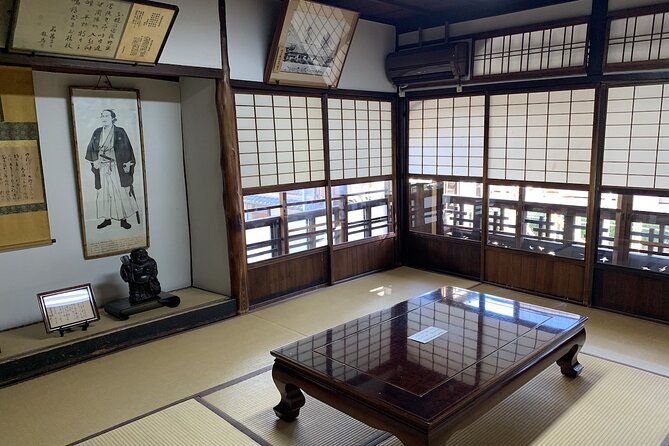
The last part is a calm finish at 伏水菓蔵 本店. You’ll have about 30 minutes here, and it’s built for winding down.
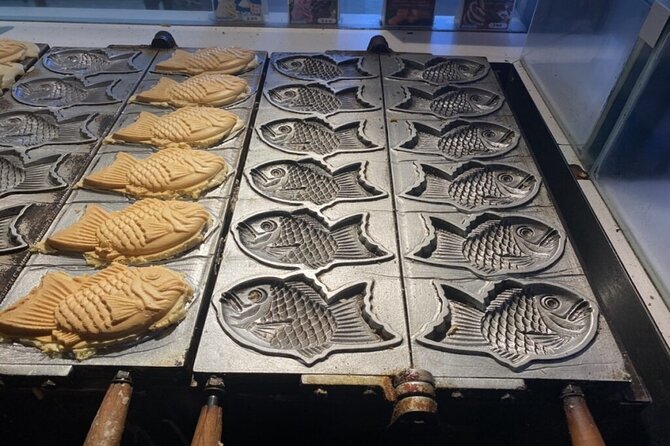
You’ll enjoy traditional Japanese sweets, and the tour also includes snacks: one taiyaki for each guest, plus up to two sweets at the café. That means you’ll leave satisfied even if you skipped lunch or kept it light.
The tour notes that this is a good moment to get coffee. Coffee and tea aren’t included, so if you want a drink, plan for it separately—but the timing is good because you’ll be regrouping before heading back.
Price and Value: What $78.04 Really Buys
At $78.04 per person, this tour can feel like a “splurge,” but it’s not just paying for walking with a guide.
You’re also paying for:
- Full guiding over about 5 hours
- Museum and historic site entrances (Gekkeikan distillery museum and Teradaya inn site)
- Sake-focused cultural time in an actual distillery setting
- Food elements: 1 taiyaki plus sweets at the café (up to two)
On top of that, the guide support covers shopping and translation, which is an underrated part of value in Japan. A lot of tours offer explanations. This one also helps you make practical choices while you’re actually in the neighborhood.
You’ll still need to cover lunch yourself. But the guide assistance can help you avoid wasting time searching for a place that fits your budget and cravings.
Logistics That Affect Your Day (And How to Handle Them)
This is a small group tour (max 10 travelers) and uses a mobile ticket. That’s convenient if you don’t want to keep track of paper vouchers.
Meeting point is specific: the fox statue at the entrance to Fushimi Inari Taisha. Start time is 9:30am, and the day runs close to 5 hours total. You’ll end back at the meeting point area, which keeps things simple if you’re planning onward connections.
Also note the tour is scheduled in shared mode, and there’s a real language consideration. Guides speak English and Japanese at minimum, and French may be added only if possible depending on the group mix. If you’re traveling in French and it matters a lot, it’s smart to contact ahead to confirm guide availability for your date.
Who This Tour Fits Best
This tour is a strong match if you:
- Want Kyoto with fewer international-tour vibes
- Love sake history and want context beyond tasting
- Enjoy historical storytelling, especially around the Meiji-era transition
- Prefer a route that stays in one district instead of bouncing around the whole city
It’s also a good fit for couples and small groups. Solo travelers can book directly, but there’s a 2-guest minimum rule to make the tour run. If it doesn’t meet the minimum, you’ll be notified and offered a reschedule or a refund.
Should You Book This Kyoto Fushimi Food and History Tour?
Yes, if you want Fushimi with meaning. The best reason to book is that the food and sweets aren’t random add-ons—they’re tied to the same cultural thread as sake, Ryoma, and the historical sites you visit.
You might skip it if:
- You need French as your only language and can’t accept English priority
- You want a day made mostly of free wandering, not guided context
- You’d rather build your own food route without museum and entrance stops
If your style is “show me how it connects,” this tour is a very practical way to spend half a day in Kyoto.
FAQ
How long is the Kyoto Fushimi Food and History Tour?
The tour lasts about 5 hours (approx.).
What is the meeting point?
You meet at the fox statue at the entrance to Fushimi Inari Taisha (near 稲荷駅).
What time does the tour start?
The start time is 9:30am.
What’s included in the price?
The tour includes full guiding, 1 taiyaki per guest, entrance to the Sake Distillery Museum, entrance to Teradaya Inn, shopping and translating assistance, and snacks of up to 2 sweets per guest at the café.
Is lunch included?
No. Lunch is not included, but you’ll get assistance to eat around Ryoma Shopping Street.
Do I need to buy tickets for the main stops?
Admission to the Sake Museum and Teradaya Historic Site is included. The Fushimi Inari stop is listed as free admission.
Is there a mobile ticket?
Yes, the tour uses a mobile ticket.
Is French guidance guaranteed?
No. For shared tours, English is prioritized. The guide may switch between English and French if needed, but French availability can’t be guaranteed unless you contact ahead.
What if I’m a solo traveler?
Solo travelers can book, but there is a 2 guests minimum rule. If the minimum isn’t met, the session may be cancelled and you’ll be offered a different date or a full refund.