Polonnaruwa is history you can walk on. This private day tour gives you an English-speaking guide who keeps things moving at a human pace, not a rushed checklist. I like how the route is built around the big hitters, while still giving you room to slow down where you actually care.
My favorite part is the combination of learning plus seeing: the Gal Vihara statues hit hard, and the guide’s storytelling makes the Royal Palace and Vatadage feel more like places than rocks. One thing to plan for: the site entry is not included (USD 30 per person), and private transportation isn’t included either, so you may need to handle how you get around.
In This Review
- Key Highlights to Know Before You Go
- Polonnaruwa Ancient City: what a private guide changes
- Meeting at the Archaeological Museum of Polonnaruwa
- Royal Palace: understanding power in stone
- Vatadage: the sacred building you should slow down for
- Gal Vihara rock temple: statues that feel personal
- The rest of the day’s ruins: let your guide handle the logic
- Price and value: what $35 really gets you
- Who this Polonnaruwa private day tour fits best
- What to bring (and what to plan for inside sites)
- Should you book the Polonnaruwa Ancient City private day tour?
- FAQ
- Where do we meet for the Polonnaruwa private day tour?
- Is the tour group private?
- What is included in the price?
- Are entry/admission fees included?
- Does the tour include transportation?
- What language is the guide?
- What should I bring, and are there photo rules?
Key Highlights to Know Before You Go
- Private guide, your pace: You control the rhythm, with an expert who can answer what you’re looking at.
- Museum first, ruins make sense: Starting at the Archaeological Museum helps you get your bearings fast.
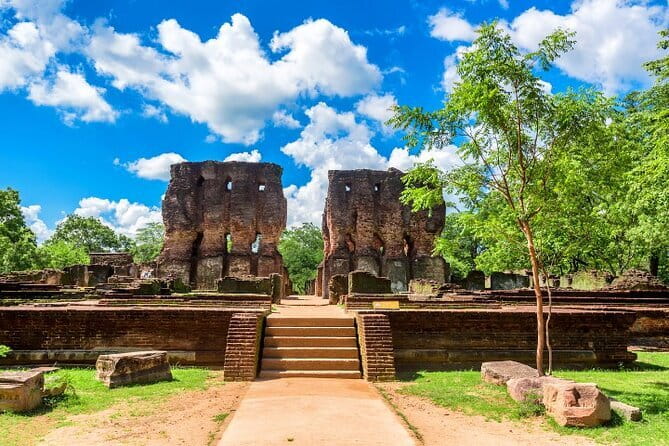
- Royal Palace focus: You’ll look at the seats of power, not just the biggest statues.
- Vatadage on the schedule: This is one of the most distinctive structures in the core zone.
- Gal Vihara statues in context: You get the why behind the Buddha images, not just the where.
- Bring sun gear: Hat, sunscreen, and comfy shoes matter because it’s a moderate walk.
Polonnaruwa Ancient City: what a private guide changes
Polonnaruwa is one of Sri Lanka’s best “see it, then understand it” destinations. The ruins are spread out, and if you go in without help, you can end up staring at impressive shapes while missing the point of how they fit together.
A private setup fixes that. Your guide can point out the relationships between monuments—where authority was expressed, where worship space was designed, and why certain art styles show up where they do. It also means you can spend extra time at the stops that hook you, whether that’s sculptural details or architecture.
The tour is also built around a calm day structure: you start at the museum area, move through the ancient city sites, then head back to where you started. That matters because Polonnaruwa rewards time spent looking, not just ticking boxes.
You can also read our reviews of more tours and experiences in Polonnaruwa.
Meeting at the Archaeological Museum of Polonnaruwa
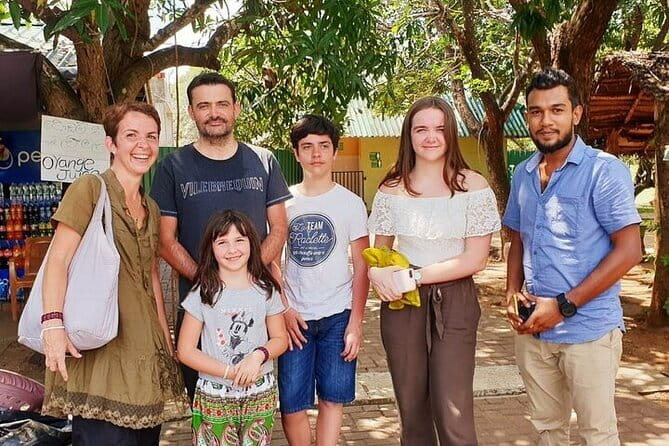
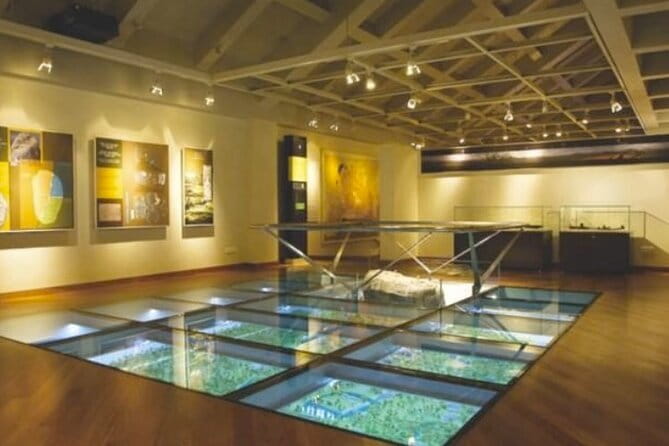
You meet in front of the Archaeological Museum of Polonnaruwa, with the licensed tour guide standing there. This is a smart start because the museum gives you context before you walk into the site.
One of the best practical tricks here is using the museum to build quick mental categories. You’ll see what kinds of materials and designs the builders used, and you’ll get a framework that makes the later ruins easier to read. Even if you don’t plan to be a museum person, this stop helps you understand why the Royal Palace and the sacred buildings look the way they do.
Also, if you’re worried about getting turned around in the main ruins zone, having that first orientation is a huge win. You’ll spend less time asking the wrong questions and more time asking good ones.
Royal Palace: understanding power in stone
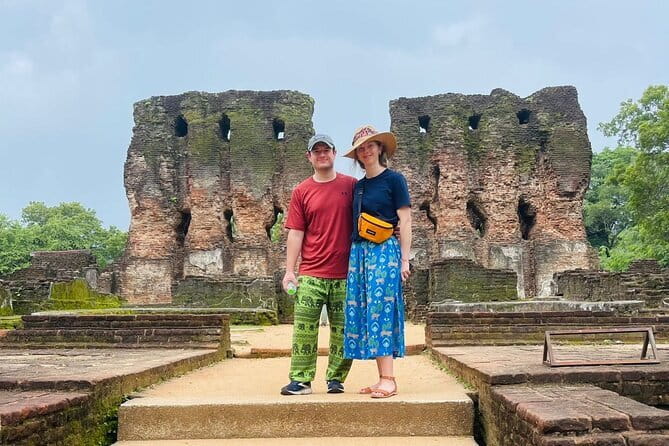
The Royal Palace is one of those stops that can feel vague at first—until someone explains the layout and what the architecture was trying to communicate. On this tour, you’ll visit the palace area as part of the main circuit, with your guide walking you through what you’re seeing.
What I like about this stop on a private tour is that you can ask follow-ups without feeling like you’re holding everyone else back. If you care about design, ask how the structures were meant to function. If you care about symbolism, ask what certain features were likely meant to signal to visitors and residents.
A practical consideration: palace ruins tend to involve uneven ground and open sun. Comfortable walking shoes are non-negotiable. I’d also wear light clothing and plan for breaks when you need them.
Vatadage: the sacred building you should slow down for

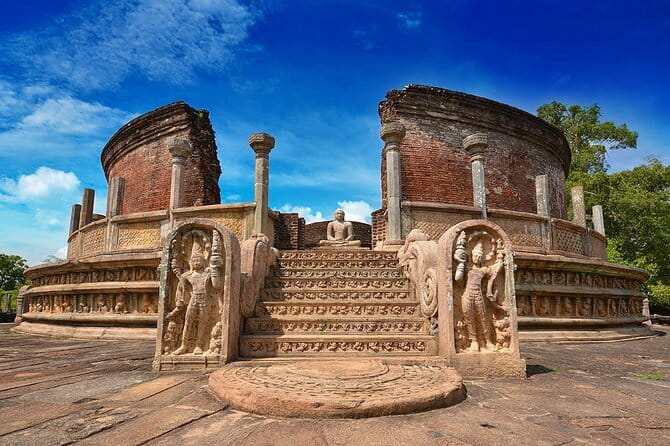
The Vatadage is a major landmark on the route, and it’s the kind of site that benefits from careful attention. Your guide will help you understand what makes it distinctive, so you’re not just looking at a “cool structure” but at a designed worship space with specific intent.
On a private tour, you can take your time around key features. That’s important because Vatadage details aren’t always obvious from one angle. When you move slowly and ask questions, the structure starts to read more clearly—like it has a plan, not just a shape.
One drawback to keep in mind: photography rules can affect your rhythm. Photography is allowed, but flash photography isn’t permitted inside the historical sites. If you rely on flash, adjust your expectations ahead of time and plan to use natural light.
Gal Vihara rock temple: statues that feel personal
Then comes Gal Vihara (the Rock Temple), and this is often the emotional centerpiece for many people. The Buddha statues here aren’t just impressive to look at; they become more meaningful when you know what you’re seeing and why it was made this way.
This tour helps by giving you the stories and secrets associated with the iconic landmarks. That’s the difference between a photo stop and a moment that sticks. On a private day, you can pause in front of the statues, step back to reframe them, and ask your guide to explain the symbolism or the art details you notice.
A helpful tip: set your camera up for low-light conditions if the rock temple areas feel dim. Flash is out, so you’ll want steady hands and a lens setting that can handle indoor or shaded spaces.
If you’re thinking, I want the most impact in one day, put your attention here. Gal Vihara is where the tour’s value becomes obvious.
The rest of the day’s ruins: let your guide handle the logic
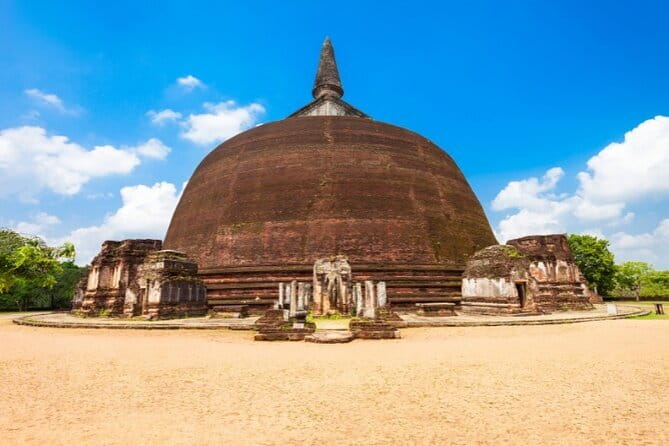
Between the named highlights, the itinerary includes additional visits through the ancient city. Even without a tight stop-by-stop name list, the important idea is that the guide keeps the route coherent.
That matters because Polonnaruwa’s main areas can look similar from a distance. A guide helps you connect what you’re seeing to a bigger picture—where religious life sat in the city, how major monuments relate, and how the overall design served daily life in the ancient capital.
Also, private touring means you can match your energy. If you want a faster pass to see more, you can do that. If you want slower attention at fewer sites, you can. That’s not just comfort—it’s how you avoid that tired feeling of scanning ruins like they’re in a catalog.
Price and value: what $35 really gets you
The tour price is USD 35 per person for a one-day private guided experience. Included are a private guide and bottled water. That’s a straightforward package.
The two big costs to think about are:
- Entry/admission fees: USD 30 per person for the site (not included in the base price).
- Transportation: private transportation and an air-conditioned vehicle are not included.
So the real value depends on how you’re already traveling in Polonnaruwa. If you’re staying in the city and can arrange simple local transport, the private guide becomes a clear upgrade. You’re paying for interpretation, pacing, and smoother routing—exactly what makes ruins click.
If you’re coming from outside Polonnaruwa city, also expect extra charges for pickup. And if you’re expecting the tour operator to handle everything end-to-end, you might feel surprised because transportation isn’t included.
One practical lesson: bring a bit of extra budget and confirm how you’ll get between stops. That way, the day stays focused on monuments, not logistics.
Who this Polonnaruwa private day tour fits best

This tour is ideal if you want cultural depth without turning the day into a classroom. You’ll get stories behind Royal Palace features, the Vatadage, and the Gal Vihara statues, while still having time to look at details on your own.
It also works well for:
- People who like being able to ask questions (you’re not competing for attention).
- Anyone who wants an English-speaking guide.
- Visitors who prefer a private pace over group schedules.
In the reviews, guides are praised for strong English and for bringing the sites to life—even in bad weather like rain. That’s a good sign if you’re traveling during a season where plans can get wet. (Rain or sun, the ruins don’t stop. You just need the right mindset and gear.)
What to bring (and what to plan for inside sites)
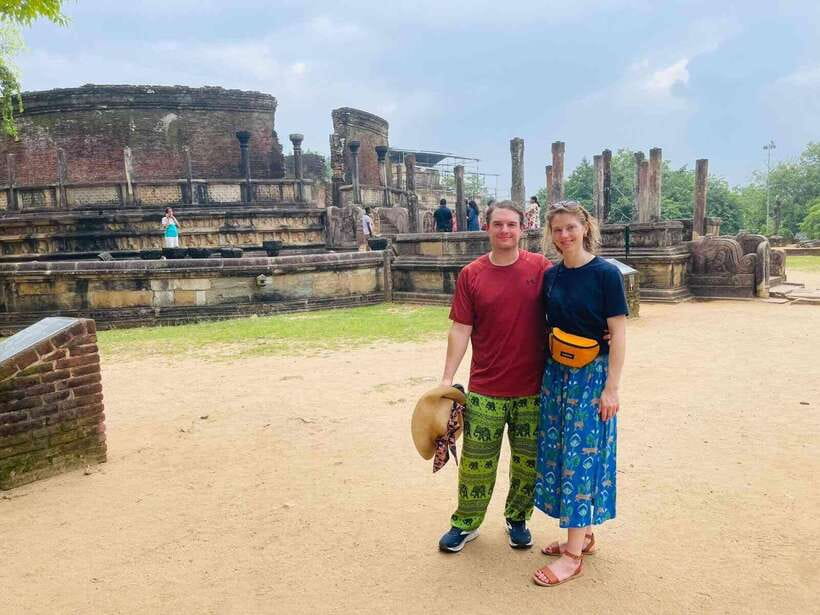
You’ll want:
- Comfortable shoes for a moderate amount of walking
- Hat and sunscreen for sun protection
- Camera (flash not allowed inside historical sites)
- Water, plus any snacks you plan to eat outside the sites
A couple rules to keep in mind:
- Food and drinks are not allowed inside the historical sites.
- Photography is allowed, but flash is not permitted inside the historical sites.
So my advice is simple: start hydrated, take breaks when you need them, and plan your snack moments outside the restricted areas. The bottled water included helps, but it doesn’t replace a proper day plan.
Should you book the Polonnaruwa Ancient City private day tour?
I’d book this tour if you want Polonnaruwa to feel understandable, not just impressive. The combination of a licensed guide, the museum start, and the focus on the Royal Palace, Vatadage, and Gal Vihara statues makes it a strong use of a single day.
I’d think twice if you’re counting on transportation being included, or if you dislike walking and sun. The guide can’t erase the fact that you’re moving through an outdoor historic site. Also budget for the USD 30 per person admission fee.
If you’re staying in Polonnaruwa city, have a plan for getting around, and you care about meaning behind the monuments, this private day tour is a smart way to see the UNESCO site with less guesswork and more “I get it” moments.
FAQ
Where do we meet for the Polonnaruwa private day tour?
You meet in front of the Archaeological Museum of Polonnaruwa. The tour guide will have their license on the neck.
Is the tour group private?
Yes. It’s a private group with a dedicated private guide.
What is included in the price?
The tour includes a private guide and bottled water.
Are entry/admission fees included?
No. Site entry/admission fees are not included and cost USD 30 per person.
Does the tour include transportation?
No. Private transportation and an air-conditioned vehicle are not included. Pickup/drop-off is available from hotels in Polonnaruwa city.
What language is the guide?
The live tour guide speaks English.
What should I bring, and are there photo rules?
Bring comfortable walking shoes, a hat, camera, and sunscreen. Photography is allowed, but flash photography is not permitted inside the historical sites. Food and drinks are not allowed inside the historical sites.