REVIEW · POLONNARUWA
Polonnaruwa Ancient City Tour with Minneriya Elephant Safari
Book on GetYourGuide →Operated by Shan Jeep Safari & Tour · Bookable on GetYourGuide
Ruins and elephants in one long day. A Polonnaruwa Ancient City Tour paired with a Minneriya elephant safari is a smart way to see Sri Lanka’s two big stories—ancient kingdoms and the country’s famous herds—during a single trip.
I like the practical side: hotel pickup and drop-off, plus private transport by jeep so you’re not stitching together a day from multiple rides. I also like that your safari time includes guided help inside the park, so you’re not just driving past trees hoping for the best.
One consideration before you book: double-check that your safari is scheduled for Minneriya National Park. In at least one situation tied to this kind of tour setup, a substitute park showed up instead, and it can be frustrating if Minneriya is the whole point for you.
Key things that make this tour worth your time
- Polonnaruwa UNESCO ruins with a dedicated guide so you can read the site instead of just walking through it
- Private jeep transport that keeps your day efficient between history stops and the safari
- 4×4 safari driving with a naturalist inside the park to help you spot elephants and understand behavior
- Minneriya’s elephant gatherings, often including calves when timing lines up
- A clear value pitch: most of what you pay for is hands-on guiding and getting you there smoothly
In This Review
- Polonnaruwa + Minneriya: A Two-Worlds Day Plan
- Getting Picked Up and Why the Private Jeep Matters
- Polonnaruwa First: The UNESCO Stops That Actually Change How You See the Site
- Royal Palace: Where the Power Was on Display
- Gal Vihara: Colossal Buddha Statues and Craft You Can’t Fake
- The Quadrangle: A Sacred Center, Not Just Another Ruin Block
- From Ruins to Wildlife: The Safari Drive and What to Expect
- The Minneriya Elephant Safari: Finding the Herd and Reading the Moment
- What You’ll Pay For (and What You’ll Still Need to Budget)
- When the Day Runs Longer: How to Stay Comfortable
- Best Fit: Who This Tour Makes Sense For
- A Quick Checklist Before You Go
- Should You Book This Polonnaruwa + Minneriya Tour?
- FAQ
- How long is the Polonnaruwa Ancient City Tour with Minneriya Elephant Safari?
- What is included in the price?
- Are national park or Polonnaruwa entrance fees included?
- Is lunch included?
- Will there be an English-speaking driver?
- Is the tour guided only inside the national park?
- What should I bring?
- What animals are you looking for on the safari?
- Is the tour suitable for everyone?
- What is the cancellation policy?
Polonnaruwa + Minneriya: A Two-Worlds Day Plan
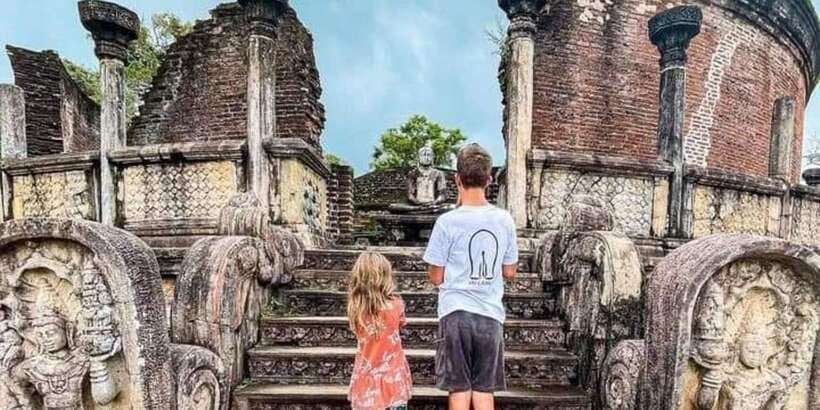
This is one of those Sri Lanka combinations that makes sense: Polonnaruwa is the place to study stone power—palaces, temples, and Buddha statues carved with serious skill. Then Minneriya is the place to watch living history—the slow, social world of elephants in their natural routine.
The main reason I like this pairing for your planning is time. If you’re only here for a short stretch, this gives you a full cultural hit and a wildlife moment without having to organize them separately.
The day is listed as 8 hours, but real-world timing can stretch, especially if you start later or your safari takes more time to find a good concentration of elephants. That’s not necessarily a bad thing. It usually means better sightings.
Getting Picked Up and Why the Private Jeep Matters
Hotel pickup and drop-off makes or breaks a half-day-style plan like this. You’re starting in Sri Lanka’s North Central Province, and getting from hotel to Polonnaruwa and then to Minneriya is not a quick walk-and-go situation.
With private jeep transport, you’re not waiting for a group van to fill up or arguing about drop-off order. It also helps you manage your energy. Polonnaruwa involves uneven stone and outdoor walking, and the safari involves long hours sitting upright, scanning for movement.
The driver is listed as English, which matters here because you’ll get more from the day when you can ask quick questions—like where you’re going next and what you should look for during the safari.
You can also read our reviews of more tours and experiences in Polonnaruwa.
Polonnaruwa First: The UNESCO Stops That Actually Change How You See the Site
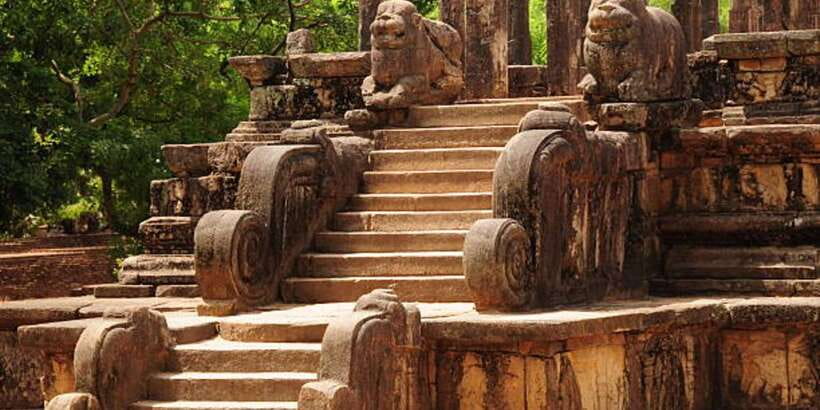
Your Polonnaruwa portion is set up like an open-air classroom. The ruins can feel like scattered stones if you don’t have context. With a guide, you start noticing patterns: where power was displayed, where religion dominated the layout, and how engineering supported daily life in an ancient kingdom.
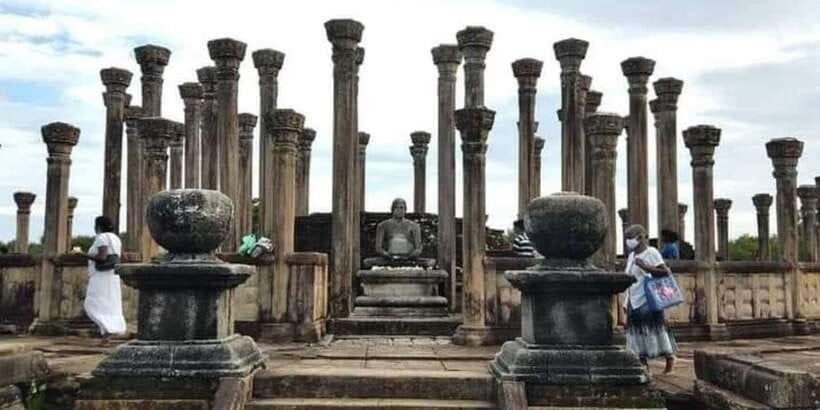
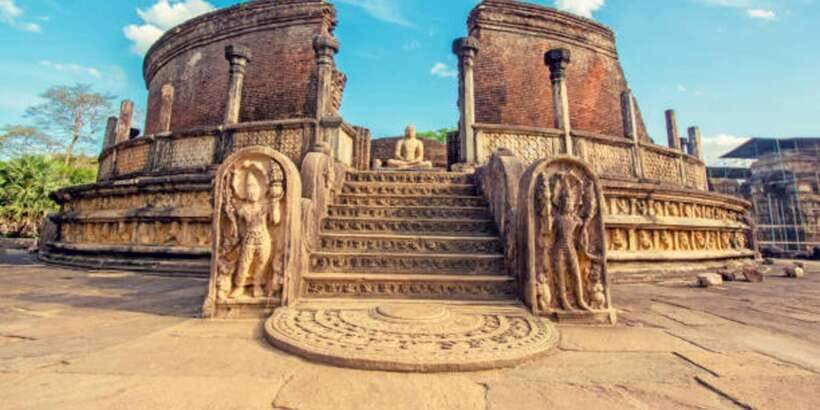
Expect to visit major highlights such as the Royal Palace, the Gal Vihara area, and the Quadrangle. Guides are there to explain stories of kings and kingdoms, but the bigger win is learning what you’re looking at—so you don’t miss the details.
Also, Polonnaruwa is not a “sit and watch” experience. You’ll be moving between monuments, looking up at carvings, and walking paths that can be warm and dusty depending on the day. Comfortable shoes and a hat are not optional; they’re the difference between enjoying it and rushing it.
Royal Palace: Where the Power Was on Display
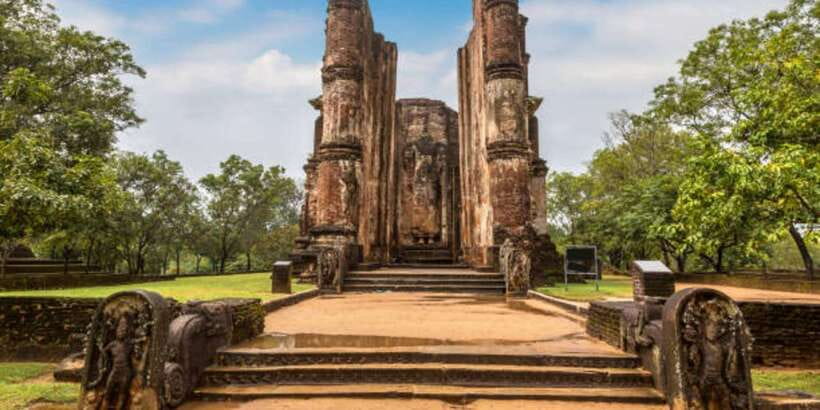
The Royal Palace stop is your introduction to how rule was expressed in stone and space. Even without getting lost in academic detail, you can see how the design focuses attention and movement—because ancient politics was staged, not hidden.
I like this kind of ruin stop because it gives you something to mentally map. Once you understand the idea of palace layout, the rest of Polonnaruwa starts to click. You’ll recognize why certain areas feel more formal and why others feel more spiritual.
The only potential drawback: palace areas can be busy with other visitors depending on timing. If you want quieter photos, choose a start time that avoids peak midday heat and crowds.
Gal Vihara: Colossal Buddha Statues and Craft You Can’t Fake
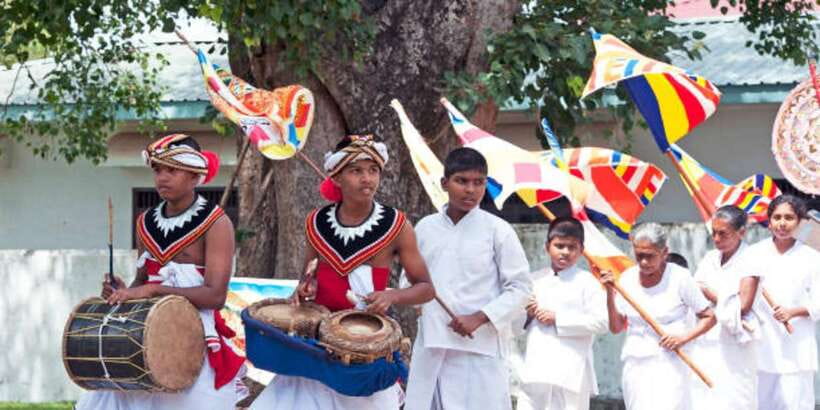
Gal Vihara is the big signature moment for many people. The name is strongly tied to the area’s striking Buddha statues, and the guide’s job is to help you see what makes them impressive beyond size.
Pay attention to how the carving connects with the setting. Even when you know you’re looking at ancient work, it’s easy to miss how carefully the sculptors shaped surfaces so they would hold up over centuries.
This is one of those stops where a guide makes your experience more than “pretty photo time.” Without explanation, you might just register it as a large statue. With explanation, you start understanding why it was placed here and what the design signals.
The Quadrangle: A Sacred Center, Not Just Another Ruin Block
The Quadrangle is described as a sacred center rich in history. That phrasing matters because it changes how you walk through it. Instead of thinking only about architecture, you focus on religious significance and how people would have used the space.
I find sacred sites in archaeological parks give you a different kind of satisfaction. You don’t just learn what happened; you feel the intention of the place. It’s also a good pacing moment in the day—after palace and statue intensity, you get a slower, more reflective part of the visit.
One practical note: since this is outdoors, you’ll want to keep hydration in mind. Your tour includes bottled water during the day, which is helpful once you’re done with the cooler morning walking.
From Ruins to Wildlife: The Safari Drive and What to Expect
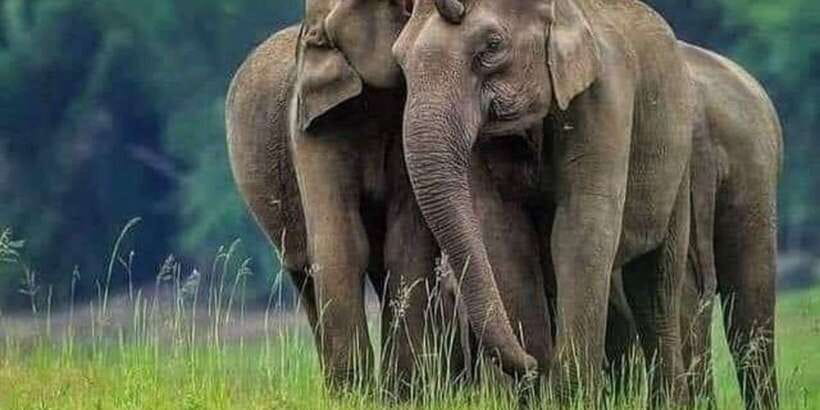
After Polonnaruwa, you shift into safari mode in a 4×4 safari jeep. The big difference is your rhythm. In ruins, you can stop and look around. In a safari, you’re scanning, waiting, and reacting quickly to movement.
The safari is in Minneriya National Park, and it’s known for massive elephant gatherings—often described as The Gathering. When the timing is right, herds come together to graze, socialize, and move as a group.
Your naturalist guidance inside the park matters because it helps you interpret what you’re seeing. Elephants don’t behave like zoo exhibits. They have social routines, and their presence often makes sense once you understand their ecosystem needs.
The Minneriya Elephant Safari: Finding the Herd and Reading the Moment
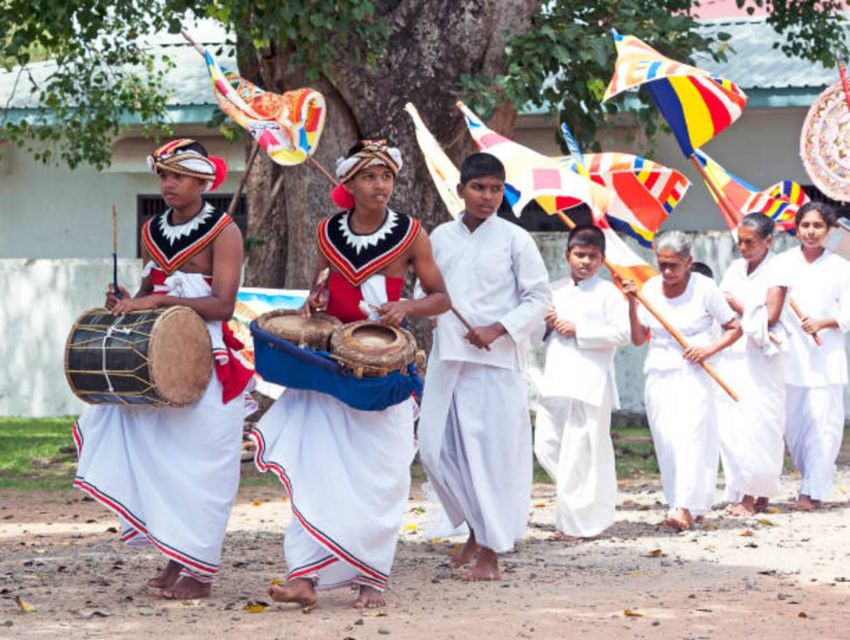
Minneriya’s famous when herds cluster. The result is that you might see a range of ages in the same area—adults, juveniles, and sometimes calves.
In one example tied to this type of outing, the safari happened around 9:30am, and the group saw around 40 elephants, including babies. That timing detail is useful for you because early morning can be a good window for wildlife activity and clearer viewing.
What you’re really hoping for is not just a single elephant. You want the social picture: elephants moving together, reacting to each other, and pausing to graze. That’s the “this is why Minneriya is famous” feeling.
Now, here’s the fair caution: one report connected to this tour setup described a situation where the safari didn’t land in Minneriya as expected. Their group ended up in a neighbouring park instead. If Minneriya is a non-negotiable for you, ask the operator to confirm the exact park location before you go.
What You’ll Pay For (and What You’ll Still Need to Budget)
This tour is listed at $75 per person for a day that combines guided ruins time plus transport and a safari in the park. That’s a solid value structure if you care about both parts equally, because the most expensive part of a day trip is often the logistics—getting you between sites and covering enough time to make the outing meaningful.
But you’ll still need to plan for a few add-ons:
- National park entrance fees are not included.
- Polonnaruwa city entrance fees are not included.
- Lunch is not included, though you should expect a lunch stop somewhere convenient.
Also, the materials note a Polonnaruwa ruins guide (+20£). Since it’s written like an additional cost, you should clarify whether that’s already included in your booking or if it’s an extra you pay on top. If you want the ruins context most, budget for that guide option if it applies to you.
Included in the price:
- hotel pickup and drop-off
- transport by private jeep
- refreshments and bottled water during the tour
- guided help within the national park only
- a Polonnaruwa ruins guide listed as (+20£)
When the Day Runs Longer: How to Stay Comfortable
Even if the tour is listed as 8 hours, real timing can shift. One example mentioned a total time closer to 10 hours, which makes sense when you’re waiting for wildlife and also factoring in driving between sites.
So plan your day like it might be long:
- wear shoes that handle outdoor walking
- carry a hat and water (you’ll have bottled water, but extra is smart)
- keep sun protection handy
Also, one tour note says it’s not suitable for pregnant women. If that applies, it’s best to choose a different format.
Best Fit: Who This Tour Makes Sense For
This works best if you want a single-day “best of” where you don’t want to choose between ancient Sri Lanka and elephant country.
I’d especially recommend it if:
- you like guided interpretation, not just self-wandering through ruins
- you’re okay with a long day where one half is walking and the other half is scanning for wildlife
- you want convenient transport and don’t want to coordinate buses or separate drivers
If you’re someone who gets impatient waiting for animals, the safari portion may feel like a lot of holding time. But that’s also the reality of elephants—they show up when they want to show up.
A Quick Checklist Before You Go
These are the small things that help you enjoy the day instead of thinking about logistics:
- Bring passport or ID card
- Wear comfortable shoes
- Pack a hat
- Expect entrance fees and lunch to be your extra costs
- Confirm the safari is actually for Minneriya National Park
Should You Book This Polonnaruwa + Minneriya Tour?
If your goal is to see Polonnaruwa’s top monuments and also have a real shot at Minneriya elephants in the same day, this is a practical way to do it. The value comes from the combined logistics, the included transport, and the fact that you get guided help in both “understand the ruins” and “spot and interpret elephants” parts of the experience.
But book with eyes open. Ask for a clear confirmation that your safari is scheduled for Minneriya. Also clarify how the Polonnaruwa ruins guide (+20£) works in your package so there are no surprises.
If you want a day that mixes culture with wildlife without getting stuck planning transport, this tour is a strong choice.
FAQ
How long is the Polonnaruwa Ancient City Tour with Minneriya Elephant Safari?
The duration is listed as 8 hours, and starting times vary. The total day can run longer depending on conditions and safari pacing.
What is included in the price?
The tour includes hotel pickup and drop-off, transport by private jeep, refreshments, bottled water during the tour, and guidance within the national park. A Polonnaruwa ruins guide is listed as (+20£).
Are national park or Polonnaruwa entrance fees included?
No. National park entrance fees and Polonnaruwa city entrance fees are not included.
Is lunch included?
Lunch is not included.
Will there be an English-speaking driver?
Yes, the driver is listed as English.
Is the tour guided only inside the national park?
Guided time is specified as only within the national park. The ruins guidance is handled by the Polonnaruwa ruins guide option.
What should I bring?
Bring a passport or ID card, comfortable shoes, and a hat.
What animals are you looking for on the safari?
The safari is in Minneriya National Park and is known for elephants, including large gatherings often referred to as The Gathering.
Is the tour suitable for everyone?
It is not suitable for pregnant women, according to the activity details.
What is the cancellation policy?
Free cancellation is available up to 24 hours in advance for a full refund.