REVIEW · NARA
Village to village walk: Japan’s oldest road, Yamanobe ancient trail (Private)
Book on Viator →Operated by Village to Table Tours - Off-the-Eaten Path Food Experience in Japan · Bookable on Viator
A 700-year footpath in quiet Nara country. This private Yamanobe-no-michi walk turns Japan’s oldest road into a day of satoyama village life, with a guide translating so you can actually connect with people, not just watch from afar. I especially love the local food tastings and the chance to slow down for photo stops without juggling a group crowd. The only real catch: you’re walking through rural paths, so wear shoes you trust on uneven ground.
You meet at Kintetsu-Nara Station at 9:00am, and the day runs about 8 hours. It’s priced at $98.10 per person, and because it’s private, your guide’s attention stays on your group the whole time—nice for questions, pacing, and detours.
In This Review
- Key points worth marking on your map
- Why the Yamanobe-no-michi trail feels different from city sightseeing
- Meeting Nara with a private guide at Kintetsu-Nara Station
- Stop 1: Naramachi street culture, crafts, and the food smells that pull you in
- Stop 2: Omiwa Shrine lunch break and Miwa somen as a smart plan
- Stop 3: Yamanobe Street, Japan’s oldest walking path (4 hours)
- Farm tastings and translations that make satoyama feel personal
- Price and logistics: whether $98.10 feels worth it
- Weather and comfort: keep the day easy, not fussy
- Who this private Nara walk is best for
- Should you book this Yamanobe Trail private walk?
- FAQ
- What time does the tour start, and how long is it?
- Where do we meet the guide?
- Is transportation included in the price?
- Is lunch included?
- Are temple entrance fees included?
- What walking level is required?
- What happens if the weather is bad?
Key points worth marking on your map
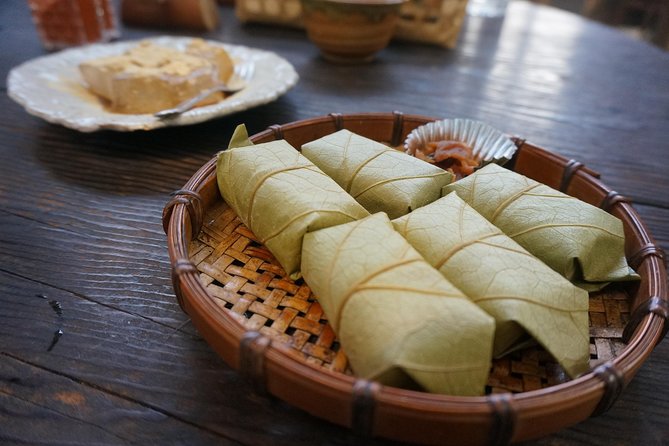
- Private guide, full attention so you can ask questions and get real explanations, not just scripts
- Translation support for conversations with residents you’d normally never reach
- Naramachi street time with classic local crafts from mochi pounding to linen weaving
- Omiwa Shrine pause with Miwa somen as a smart lunch option (lunch itself isn’t included)
- Four hours on Yamanobe Street along Japan’s oldest walking path at a relaxed pace
- Farm product tastings that fit the day’s theme of everyday rural life
Why the Yamanobe-no-michi trail feels different from city sightseeing
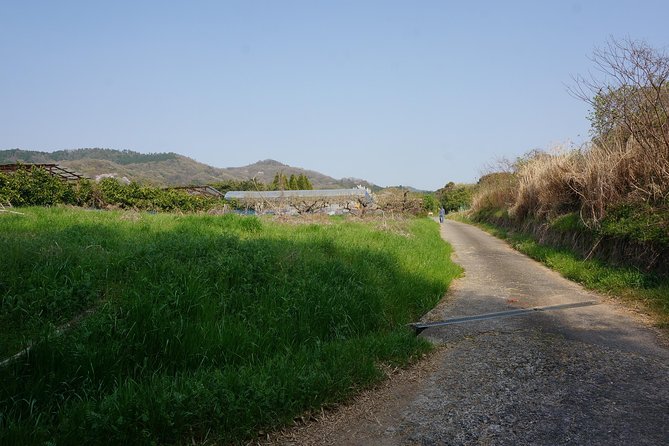
Nara is famous for big-name temples, but this experience swaps that for something more human: the old route people used long ago to travel between villages. The focus is the Yamanobe Trail, also called Yamanobe-no-michi, and the satoyama (managed countryside) that sits alongside it.
What makes it work is the pacing. You’re not sprinting from landmark to landmark. Instead, you’re walking at a relaxed speed so you can notice small things—the rhythm of village life, the feel of older paths, and the way everyday food and tools show up in ordinary places. A good guide matters here, and this one is English-speaking and built around cultural exchange and translation.
The other standout is that you’re not just getting a history lecture. You’re tasting local farm products and visiting traditional areas where your guide can connect you with residents. That’s what turns a walk into a real cultural moment.
You can also read our reviews of more tours and experiences in Nara.


Meeting Nara with a private guide at Kintetsu-Nara Station
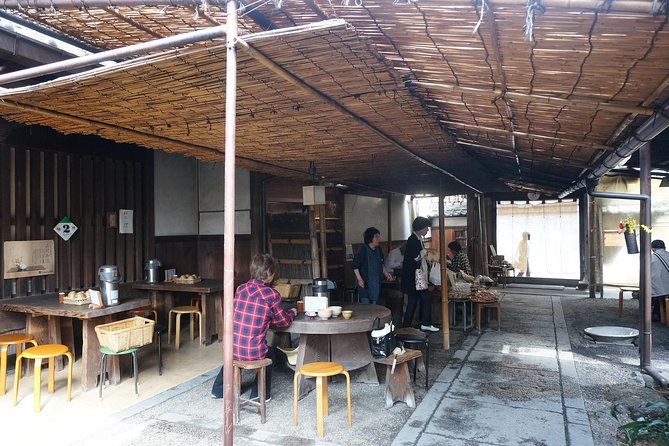
The tour starts at Kintetsu-Nara Station (9:00am). Expect a straightforward meet-up near public transportation, and then you’ll begin your day right in the Nara city area before moving outward.
This matters because you’ll spend less time figuring out logistics and more time enjoying the walk. With a private format, you also avoid the stop-and-go frustration that comes from larger groups. If you want to linger for a photo, your guide can usually flex—without making everyone else wait.
One practical note: transportation to and from the countryside isn’t included. The plan uses the train route from Nara to Sakurai station and then back. That means you should be comfortable using trains in Japan at least at a basic level.
Stop 1: Naramachi street culture, crafts, and the food smells that pull you in
Your first stop is Naramachi, an old-school part of Nara with traditional shops and a lively street feel. You’ll have about 2 hours here, with admission ticket costs listed as free.
This is the part of the day that gives context. Naramachi is where you see the kinds of small local businesses that still shape daily life—think places linked to everyday crafts and foods rather than only tourist souvenirs. Expect to run into shop types such as:
- mochi pounding
- green tea and sweets shops
- linen cloth weaving
- knives
- traditional medicine
Even if you’re not buying anything, it’s a great warm-up because you can watch, ask questions, and let your guide translate what you’re seeing. If you like travel days with some sensory detail—smells of tea, glimpses of craft work—this stop does that well.
Possible drawback: because it’s a shopping-and-street environment, you’ll want to keep an eye on your pace. It’s easy to get distracted by shop fronts. Your guide can help you balance browsing with moving on to the countryside part that you came for.
Stop 2: Omiwa Shrine lunch break and Miwa somen as a smart plan
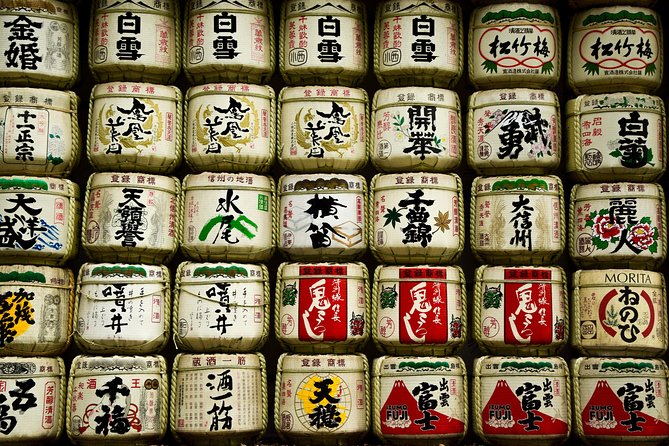
Next up is Omiwa Shrine. This stop includes about 1 hour on-site, and admission is listed as free.
The key point here is lunch at/near the shrine area. The experience specifically recommends Miwa somen noodles, and if you’re trying to eat in a way that matches the day’s theme, this is a strong choice. The tour itself notes that lunch is not included, so you’re responsible for what you order, but having a recommended direction saves you from wandering around hungry and confused.
Why this stop is valuable: it acts like a reset between the lively streets of Naramachi and the quieter walk along the trail. Also, shrine areas in Japan often feel like a time-out from commercial noise, which makes the rest of the day more peaceful.
What to consider: if you have dietary restrictions, you’ll want to plan ahead and ask your guide for help with translation before ordering. Since translation support is part of the guiding approach, you’re not stuck figuring it out alone.
Stop 3: Yamanobe Street, Japan’s oldest walking path (4 hours)
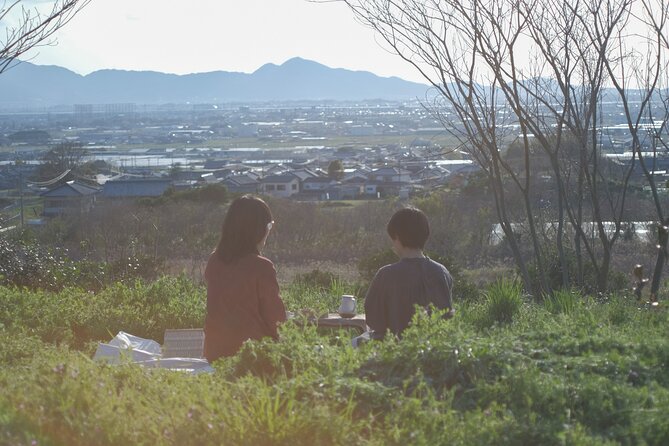
The big event is Yamanobe Street—Yamanobe-no-michi, described as Japan’s oldest walking path. You’ll spend about 4 hours here, and the admission is listed as free.
This is where the private format pays off. You get time for photos as you wish, and you don’t have to compete with other travelers at the same vantage points. Your guide can also steer you toward the parts of the trail that make sense for your pace.
Based on how the day is described, this walk is designed to feel relaxed. It’s described as a long stroll through the countryside that’s mostly flat, with an easy-going pace that won’t feel like a nonstop workout. Still, “mostly flat” doesn’t mean “no uneven spots,” so plan to walk steadily, especially if the ground is a little rough or damp.
Why you’ll likely remember this part: the trail is the spine of the experience. Instead of looking at rural culture from behind a bus window, you’re moving through it—slowly enough to notice details and quiet moments.

Farm tastings and translations that make satoyama feel personal
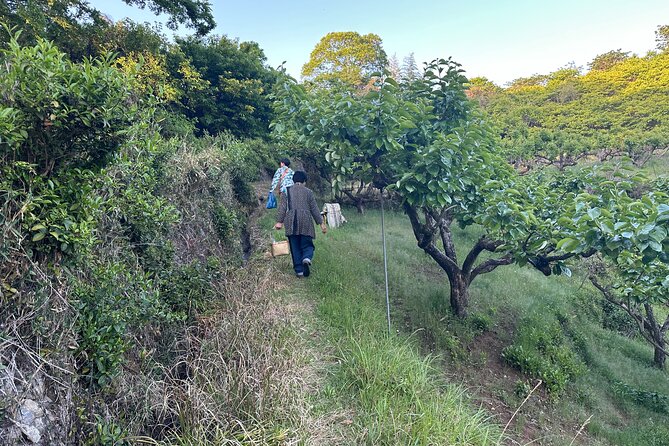
The heart of this tour isn’t only the trail. It’s the cultural exchange side: meeting people you otherwise wouldn’t, guided by connections and translation.
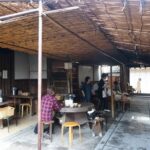
You’ll get tasting local farm products during the experience. This is one of the easiest ways to understand a place without needing to speak a word of Japanese. Taste often does what words can’t—so even if your conversation starts small, the food keeps the momentum going.
And translation support changes everything. In a private setting, you’re more likely to ask practical questions: what’s grown here, how people use local products, or what a certain rural practice means. That’s the difference between watching and participating.
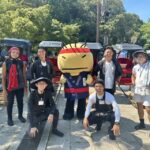
One detail that stuck with me from past experiences with this style of tour: guides can turn the day into a smooth “you’ll eat well on the trail” plan. For example, one guide named Michiko is mentioned as meeting people and helping them pick up a picnic lunch to enjoy later on the Yamanobe route. That’s exactly the kind of local help that turns a walk into a day that feels planned, not improvised.
Price and logistics: whether $98.10 feels worth it

At $98.10 per person for roughly 8 hours, the price sits in the range where you should ask: what are you really paying for?
Here’s what you get that directly affects value:
- a private English-speaking guide
- cultural translation and connections with local people
- farm product tastings
- time built into the day for photos and a relaxed pace
What you don’t get included:
- transportation (you handle train travel from Nara to Sakurai station and back)
- lunch
- entrance fees of temples
For me, the value hinges on one thing: this is not just a hike. It’s a socially guided day with food. If you like talking with locals and you’re interested in satoyama village life—not only major sights—then the guide time is the biggest cost you’re paying for, and it’s also the biggest benefit.
If your idea of a great day is pure independence—no guide, no translation help—you might get a similar outdoor route cheaper on your own. But if you want the “how do I connect with people here?” part handled for you, this private format makes the price make sense.
Weather and comfort: keep the day easy, not fussy
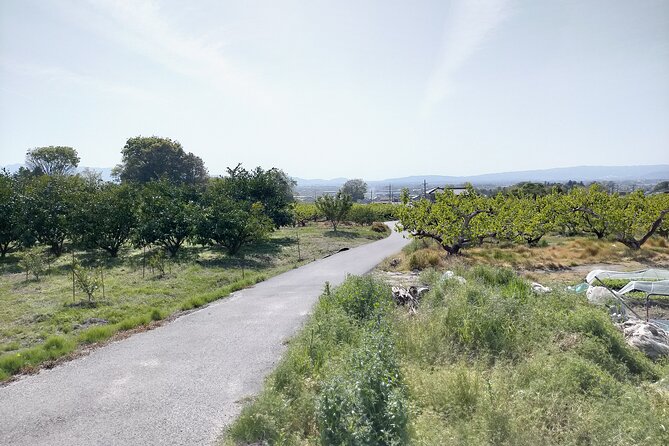
This experience is weather-dependent, which matters because the walk is a core part of the plan. If conditions aren’t good, you’ll be offered a different date or a full refund. So it’s smart to choose a day when your forecast looks stable.
For comfort, follow the simplest rule: dress for walking. Bring:
- comfortable shoes for rural paths
- layers you can adjust if the temperature shifts
- a light rain option if the forecast is uncertain
Because the pace is described as relaxed and mostly flat, you don’t need trail-running legs. But you do want to feel steady enough to stop for photos, turn toward interesting shop windows in Naramachi, and take in the slower rhythm of the trail.
Who this private Nara walk is best for
This tour fits best if you’re the type of traveler who:
- wants more than temples in Nara
- enjoys meeting people and getting translation help
- likes food-based travel (tastings and local lunch recommendations)
- prefers a private guide so the day can move at your pace
It’s also a good choice if you’re visiting with family members who enjoy history and local culture, because the day is structured around traditional streets and countryside life—not only long, exhausting climbs.
You should also have moderate physical fitness, since it’s described as a long stroll and includes 4 hours of walking on the trail. Most of it is manageable, but it’s still time on your feet.
Should you book this Yamanobe Trail private walk?
I’d book it if you want Nara to feel local, not packaged. The standout combination is the Yamanobe Street walk plus translation-led cultural exchange, backed by farm tastings and enough flexibility for photos. For $98.10, you’re paying for access—your guide’s connections and ability to help you talk with people—more than for a set of flashy sights.
Skip it only if you’re mainly after big-ticket temples and don’t care about rural village life, or if you really want a fully independent DIY hike with no structured stops. Otherwise, this is a thoughtful, calm, genuinely “different day in Nara” kind of experience.
FAQ
What time does the tour start, and how long is it?
It starts at 9:00am and runs about 8 hours.
Where do we meet the guide?
Meet at Kintetsu-Nara Station, at 東向中町29, 630-8215 Nara, Japan.
Is transportation included in the price?
No. You handle transportation, including the train from Nara to Sakurai station and the way back.
Is lunch included?
Lunch is not included. The day includes a lunch stop at Omiwa Shrine area, with Miwa somen listed as a recommended option.
Are temple entrance fees included?
No. Entrance fees of temples are not included.
What walking level is required?
The tour is suitable for travelers with moderate physical fitness. The walking is described as relaxed and mostly flat, but you should still expect time on your feet.
What happens if the weather is bad?
The experience requires good weather. If it’s canceled due to poor weather, you’ll be offered a different date or a full refund.